

Mazda CX-5 Tire Pressure Guide: Recommended PSI, TPMS Reset & Maintenance Tips


Proper tire pressure isn’t just a maintenance routine—it’s the foundation of your Mazda CX-5’s performance, safety, and fuel efficiency. Whether you drive a 2013 model or the latest 2025 edition, keeping your tires at the correct PSI ensures confident handling, smooth rides, and maximum tire life. In this comprehensive guide, we break down everything you need to know about Mazda CX-5 tire pressure, TPMS resets, seasonal adjustments, and maintenance best practices.
Content in this publication
- Why Correct Tire Pressure Matters
- Recommended Mazda CX-5 Tire Pressure by Model Year
- How to Check Tire Pressure Accurately
- How to Inflate or Deflate Mazda CX-5 Tires
- Mazda CX-5 Tire Pressure Monitoring System (TPMS)
- How to Reset Mazda CX-5 Tire Pressure Light
- Seasonal Tire Pressure Adjustments
- Tire Sizes and Trim-Specific Pressure Recommendations
- Troubleshooting Tire Pressure Issues
- Long-Term Tire Care Tips
- FAQ: Common Mazda CX-5 Tire Pressure Questions
- Conclusion
Why Correct Tire Pressure Matters
Maintaining the correct tire pressure in your Mazda CX-5 is crucial for performance, comfort, and safety. Here’s what’s at stake:
- Safety & Traction: Proper PSI ensures optimal road contact, reducing the risk of skids and blowouts.
- Fuel Economy: Underinflated tires increase rolling resistance, causing the engine to burn more fuel.
- Longevity: Correct pressure prevents premature wear, extending tire lifespan.
- Ride Quality: Balanced pressure gives you smoother handling and stability on both city roads and highways.
Recommended Mazda CX-5 Tire Pressure by Model Year
The ideal PSI varies by generation, wheel size, and trim. Below is a precise breakdown of the recommended tire pressures across different model years:
| Model Year | Wheel Size | Front PSI | Rear PSI |
|---|---|---|---|
| 2013–2016 (Gen 1) | 17” | 33 psi | 33 psi |
| 2013–2016 (Gen 1) | 19” | 36 psi | 36 psi |
| 2017–2021 (Gen 2) | 17” | 34 psi | 34 psi |
| 2017–2021 (Gen 2) | 19” | 36 psi | 36 psi |
| 2022–2025 (Gen 3) | 17” | 33 psi | 33 psi |
| 2022–2025 (Gen 3) | 19” | 35 psi | 35 psi |
Pro Tip: Always verify the exact PSI on the driver-side door jamb sticker or the owner’s manual—especially before long drives or towing.

How to Check Tire Pressure Accurately
Checking tire pressure doesn’t require advanced tools—just accuracy and consistency. Follow this simple process:
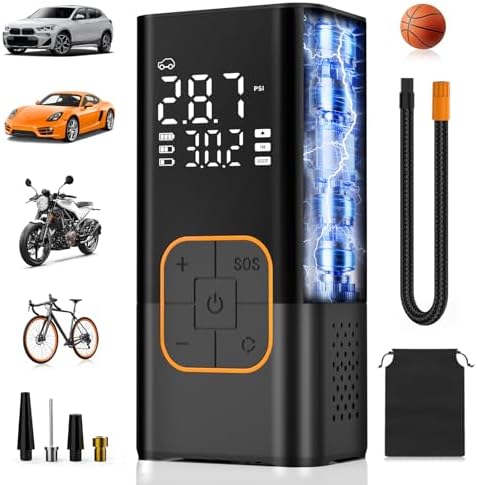
- Use a Reliable Gauge: Digital tire pressure gauges provide the most precise readings.
- Check Tires When Cold: Measure pressure before driving or after the car has been stationary for at least 3 hours.
- Park on Level Ground: A flat surface ensures accurate readings.
- Remove Valve Caps: Keep them clean and accessible.
- Press Gauge Firmly: Record the reading and compare it to the recommended PSI.
- Repeat for All Tires: Don’t forget to include the spare tire if equipped.
How to Inflate or Deflate Mazda CX-5 Tires
Balancing tire pressure correctly is easy once you know how:
To Inflate Tires:
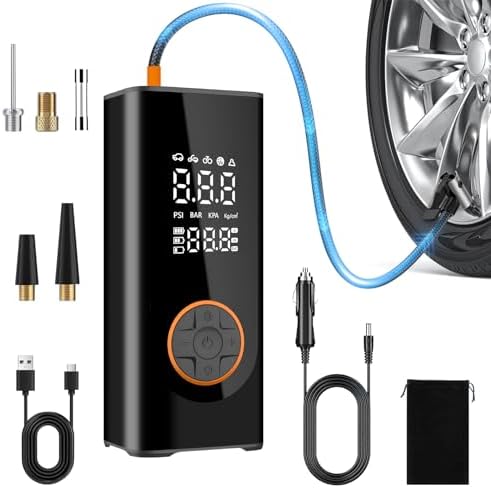
- Visit a gas station or use a portable air compressor.
- Attach the air hose to the valve stem.
- Add air in short bursts.
- Recheck pressure after every 10 seconds until it matches the recommended PSI.
To Release Air:
- Use the gauge’s pin or a small screwdriver to press the valve core.
- Release air slowly while monitoring PSI.
- Recheck each tire until all are balanced.
Safety Note: Overinflating can reduce traction and comfort. Keep tires within ±1 psi of the manufacturer’s recommendation.
Mazda CX-5 Tire Pressure Monitoring System (TPMS)
Your CX-5’s TPMS constantly monitors tire pressure levels. When it detects a drop of around 25% or more below the recommended PSI, it triggers a warning light on the dashboard—an orange symbol resembling a horseshoe with an exclamation mark.
This system enhances safety but isn’t foolproof. It may not detect slow leaks or underinflation in all four tires simultaneously.
You may be interested in reading 2025 Mazda CX-5 Towing Capacity: Complete Real-World Guide
How to Reset Mazda CX-5 Tire Pressure Light
If your tire pressure light stays on after correcting the PSI, a manual reset might be needed. Follow these steps:
- Ensure All Tires Are Properly Inflated to the correct PSI.
- Turn the Ignition to “ON” (without starting the engine).
- Locate the TPMS Reset Button: Usually beneath the steering column or inside the glove compartment.
- Press and Hold for 5 Seconds until the light blinks twice.
- Drive Above 15 mph for a few minutes to complete the reset process.
If the light persists, it could indicate:
- A faulty TPMS sensor
- A slow leak
- A need for system recalibration after tire rotation
Seasonal Tire Pressure Adjustments
Temperature changes directly affect air pressure. For every 10°F drop, tires lose about 1 psi.
During colder months, check your tire pressure every two weeks. In warmer climates, slightly reduce PSI if readings exceed the recommended level due to heat expansion.
| Season | Adjustment | Frequency |
|---|---|---|
| Winter | Add 1–2 psi | Every 2 weeks |
| Summer | Reduce 1 psi if hot | Monthly |
| Spring/Fall | Maintain standard | Monthly |
Tire Sizes and Trim-Specific Pressure Recommendations
Different trims of the Mazda CX-5 come with varying tire sizes, which affect ideal PSI levels:
| Trim | Tire Size | Recommended PSI |
|---|---|---|
| Sport / Touring | P225/65R17 | 34 psi |
| Carbon Edition | P225/55R19 | 36 psi |
| Grand Touring / Signature | P225/55R19 | 36 psi |
| Turbo Models | P225/55R19 | 36 psi |
Note: Using aftermarket or oversized wheels? Adjust PSI slightly to match the load capacity listed on the tire sidewall.
Troubleshooting Tire Pressure Issues
Even when everything seems fine, persistent TPMS alerts can occur. Here’s how to handle them:
1. Inspect for Leaks
Check for nails, punctures, or cracks. Spray soapy water on the tread and valve—bubbles reveal air loss.
2. Examine Valve Stems
Old or cracked valves can leak slowly. Replace them during your next tire change.
3. Check TPMS Battery or Sensor
Sensors typically last 5–10 years. If your CX-5 is older, the sensor might need replacement.
You may be interested in reading2025 Mazda CX-5 Towing Capacity: Complete Real-World GuideYou may be interested in reading
 Mazda CX-5 Maintenance Reset Guide (2012–2020): Step-by-Step Wrench Light Reset
4. Recalibrate After Tire Rotation
If the system light appears after service, recalibration ensures each sensor corresponds correctly to its wheel position.
Long-Term Tire Care Tips
To extend the life of your Mazda CX-5’s tires:
- Check Pressure Monthly: Especially before long drives.
- Rotate Tires Every 7,500 Miles: Promotes even wear.
- Align & Balance Regularly: Keeps handling sharp and prevents vibration.
- Inspect Tread Depth: Replace tires once tread reaches 2/32 inches.
- Avoid Overloading: Extra weight increases pressure and wear.
Expert Tip: Always keep valve caps on to prevent dirt from clogging the stem—this simple step prevents future leaks.
FAQ: Common Mazda CX-5 Tire Pressure Questions
1. What is the ideal tire pressure for Mazda CX-5?
Most CX-5 models require 33–36 psi, depending on the year and wheel size. Always check the sticker inside the driver’s door.
2. How often should I check tire pressure?
Once a month, and before long road trips. Also, recheck during temperature swings.
3. Why does the tire pressure light keep coming on?
Common reasons include cold weather, small punctures, or a malfunctioning TPMS sensor.
4. Can incorrect tire pressure affect fuel economy?
Yes. Underinflation increases rolling resistance, reducing fuel efficiency by up to 3%.
5. Does the Mazda CX-5 TPMS monitor the spare tire?
No, the system only monitors the four main tires.
Conclusion
Maintaining proper Mazda CX-5 tire pressure isn’t just about numbers—it’s about ensuring safety, comfort, and efficiency on every journey. Whether it’s 34 psi for your 2018 model or 35 psi for your 2025 edition, regular checks and timely adjustments can save you fuel, extend tire life, and prevent costly repairs.
You may be interested in reading2025 Mazda CX-5 Towing Capacity: Complete Real-World GuideYou may be interested in reading
Mazda CX-5 Maintenance Reset Guide (2012–2020): Step-by-Step Wrench Light ResetYou may be interested in reading
Mazda CX-5 Warning Lights: The Complete Dashboard Symbol Guide (2013–2025)Stay proactive, reset your TPMS when needed, and your CX-5 will reward you with smooth, confident drives all year long.
If you want to know other articles similar to Mazda CX-5 Tire Pressure Guide: Recommended PSI, TPMS Reset & Maintenance Tips you can visit the category Service and Parts.
How to Reset Volvo XC60 Infotainment System: The Complete Practical Guide
Volvo XC60 Gearbox Oil Change: The Complete Expert Guide
Volvo XC60 Engine Management Light: Causes, Fixes, and What It Really Means

Skoda Kamiq Size Comparison: Dimensions, Space & Real-World Practicality
Volvo XC60 Headlight Adjustment for Europe: The Complete Practical Guide
Volvo XC60 City Safety Service Required: What It Means, Causes, and Fixes
Leave a Reply
More content of your interest