

Mercedes A-Class Reliability Problems: What Owners Really Face

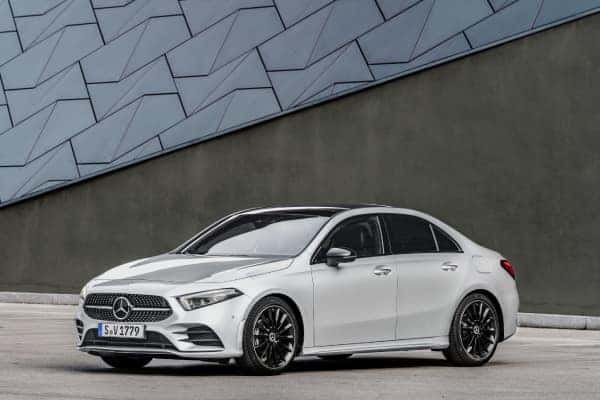
The Mercedes A-Class sells a dream: premium badge, compact footprint, tech-heavy cabin. It’s the espresso shot of the Mercedes lineup—small, strong, stylish. But beneath the gloss, reliability questions keep bubbling up. Are these hatchbacks built to last, or do they age like milk in the sun?
We’ve dug into owner reports, workshop patterns, and long-term usage trends to uncover what actually goes wrong with the A-Class—and what that means for buyers today.
Content in this publication
- Why Reliability Matters in a Premium Hatchback
- Generational Overview: Where Problems Begin
- Common Mercedes A-Class Reliability Problems
- Warning Signs You Should Never Ignore
- Years to Be Cautious With
- Is the A-Class Unreliable Compared to Rivals?
- Ownership Costs: The Hidden Side of Reliability
- How to Improve A-Class Reliability
- Buying Used: What We Always Check
- Who Should Still Buy One?
- The Emotional Cost of Unreliability
- Our Verdict
- FAQs
Buying a Mercedes is a promise. We expect refinement, longevity, and a touch of magic every morning when the engine fires. The A-Class sits in a tricky spot: it must feel premium while being built to a budget. That tension creates cracks.
Reliability isn’t about perfection—it’s about predictability. Can we trust it on a cold Monday? Will it age gracefully? Or will it nickel-and-dime us with sensors, modules, and warning lights?
Generational Overview: Where Problems Begin
W168 (1997–2004) – The Pioneer Years
Early A-Class models were brave but brittle. Rust, suspension wear, and electrical quirks were common. These are now classics—or cautionary tales.
W169 (2004–2012) – Better, Not Bulletproof
Improved build quality, yet plagued by:
- CVT transmission failures
- Steering column lock issues
- Persistent electrical faults
W176 (2012–2018) – Modern Looks, Modern Problems
This generation looks the part but introduces:
- DCT gearbox hesitations
- Infotainment crashes
- Diesel emissions system faults
W177 (2018–Present) – Tech Overload
Stunning interiors meet fragile electronics:
- MBUX screen blackouts
- Radar and camera sensor failures
- Software-driven warning storms
Common Mercedes A-Class Reliability Problems
1. Transmission Troubles
DCT Gearbox Hesitation
Owners often describe:
- Jerky low-speed changes
- Delayed engagement from standstill
- Clutch wear under 60,000 miles
It feels like a hesitant dancer—beautiful once moving, awkward at the start.
CVT Failures (Older Models)
Earlier automatics can:
- Overheat
- Lose drive
- Require full replacement
Repairs can exceed the car’s value.
2. Electrical and Electronic Failures
The A-Class is a rolling computer.
Common complaints include:
- Random warning lights
- Infotainment freezing
- Keyless entry malfunctions
- Central locking failures
A weak battery can trigger a cascade of “ghost” errors. It’s like one loose thread unravels the sweater.
You may be interested in reading Mercedes A-Class Juddering When Accelerating: Causes, Fixes & What It Really Means
3. Engine-Specific Issues
Petrol Engines
- Timing chain stretch (1.6/2.0 units)
- Oil consumption
- Coil pack failures
Diesel Engines
- EGR valve clogging
- DPF regeneration failures
- AdBlue sensor faults
These engines are efficient—but sensitive. Miss a service, and they remember.
4. Suspension and Steering Wear
Urban driving accelerates wear on:
- Front control arm bushes
- Drop links
- Wheel bearings
Symptoms:
- Knocking noises
- Wandering steering
- Uneven tyre wear
The A-Class feels sporty, but its suspension ages faster than its looks.
5. Interior and Build Quality Issues
For a premium badge, some owners feel let down by:
- Peeling steering wheels
- Rattling dashboards
- Sagging headliners
- Worn seat bolsters
It’s not catastrophic—but it chips away at that Mercedes mystique.
Warning Signs You Should Never Ignore
- Gearbox hesitation at junctions
- Flickering dashboard lights
- Repeated “Check Engine” alerts
- Burning smell after short drives
- Infotainment reboot loops
These aren’t quirks—they’re whispers before the shout.
Years to Be Cautious With
While every car varies, patterns emerge:
- 2005–2008: CVT gearbox failures
- 2013–2015: Early DCT calibration issues
- 2019–2020: MBUX software instability
Later models improve—but never entirely escape.
Is the A-Class Unreliable Compared to Rivals?
Let’s be honest. Compared with:
- Volkswagen Golf
- BMW 1 Series
- Audi A3
The A-Class often ranks:
- Lower for long-term dependability
- Higher for tech complexity
- Higher for repair costs
It’s a beautiful high-maintenance friend.
Unplanned repairs often include:
- Gearbox recalibration
- Sensor replacement
- Software updates
- Battery-related fault clearing
A single electronic module can cost more than a full service on a rival hatchback.
How to Improve A-Class Reliability
Preventive Habits That Matter
- Replace the battery every 3–4 years
- Stick to shorter service intervals
- Warm the gearbox before aggressive driving
- Use high-quality fuel and oil
Think of it like skincare. Small routines keep the shine.
You may be interested in readingMercedes A-Class Juddering When Accelerating: Causes, Fixes & What It Really MeansYou may be interested in reading
 Mercedes A-Class Yellow Engine Warning Light
Buying Used: What We Always Check
Before committing:
- Full service history
- Gearbox behavior in traffic
- Diagnostic scan for stored faults
- Smooth infotainment operation
- Suspension noise over bumps
A test drive should feel calm—not chatty with warning lights.
Who Should Still Buy One?
The A-Class suits:
- Short-term owners
- Lease drivers
- Urban commuters
- Style-first buyers
It’s less ideal for:
- High-mileage drivers
- Long-term keepers
- Budget-focused owners
The Emotional Cost of Unreliability
Cars aren’t just machines—they’re rituals. Morning coffee. Evening drives. School runs. When reliability falters, trust erodes.
A car that might start changes how we feel. We listen. We hesitate. We plan around it.
And that’s the real price.
Our Verdict
The Mercedes A-Class isn’t a bad car. It’s a sensitive one. It rewards care and punishes neglect. It dazzles early and demands attention later.
If you want effortless ownership, there are calmer seas. But if you crave design, tech, and that three-pointed star glow—and you’re willing to nurture it—the A-Class can still be a beautiful companion.
Just don’t expect it to be invisible.
FAQs
1. Is the Mercedes A-Class unreliable?
Not inherently, but it suffers more electronic and gearbox issues than many rivals.
2. Which A-Class engine is most reliable?
The later petrol units (post-2016) tend to age better than early diesels.
3. Are repairs expensive?
Yes—especially for electronics and transmissions.
4. Can software updates fix many issues?
Some, yes. Others require hardware replacement.
5. Is it safe to buy used?
Yes—with a full history and thorough inspection.
You may be interested in readingMercedes A-Class Juddering When Accelerating: Causes, Fixes & What It Really MeansYou may be interested in reading
Mercedes A-Class Yellow Engine Warning LightYou may be interested in reading
 Mercedes A-Class Without Changing Gear – Consult Workshop Explained
If you want to know other articles similar to Mercedes A-Class Reliability Problems: What Owners Really Face you can visit the category Common Problems.
Volvo XC60 360 Camera Not Working: Complete Troubleshooting & Fix Guide
Volvo XC60 Key Fob Not Working: Causes, Fixes, and Expert Solutions
Volvo XC60 Low Battery Warning: Causes, Fixes, and Prevention Guide
Volvo XC60 No Sound: Causes, Fixes, and Complete Troubleshooting Guide
Volvo XC60 Common Problems: What Owners Really Experience
Volvo XC60 Issues: The Truth Behind This Popular SUV
Leave a Reply
More content of your interest