

Mercedes A-Class Reset Tyre Pressure: The Complete Guide We All Need

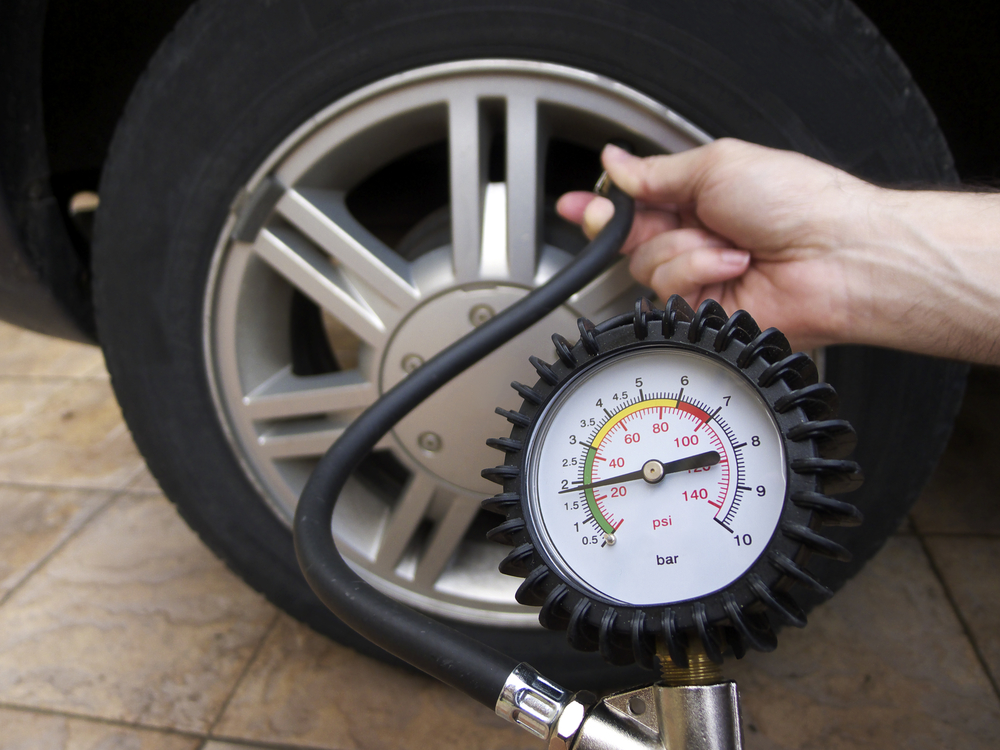
Tyre pressure warnings have a way of appearing at the worst possible moment—usually when we’re already late, low on coffee, and high on stress. The Mercedes A-Class, with its sleek tech-forward interior, is no stranger to this. One moment everything’s calm, the next the dashboard lights up like a Christmas tree.
The good news? Resetting tyre pressure in a Mercedes A-Class is not a dark art reserved for dealerships and wizards in lab coats. It’s something we can do ourselves—confidently, quickly, and correctly.
In this guide, we’ll walk you through everything:
- Why the warning appears
- How the Mercedes system actually works
- Step-by-step reset instructions for every generation
- Common mistakes that keep the light on
- Real-world tips that save time and money
Think of this as your calm, friendly co-pilot.
Content in this publication
- Why the Tyre Pressure Warning Appears
- Understanding Mercedes’ TPMS Logic
- Before You Reset: Get the Pressure Right
- Mercedes A-Class Reset Tyre Pressure – Step by Step
- What Happens After the Reset
- Why the Light Sometimes Stays On
- Seasonal Pressure Drops: The Silent Trigger
- Reset vs. Repair: Knowing the Difference
- Tyre Rotation and New Tyres
- Common Mistakes We All Make
- Is It Safe to Drive With the Warning On?
- TPMS and Fuel Economy
- Quick Reference Checklist
- When a Reset Isn’t Enough
- Driving With Confidence Again
- Closing Thoughts
- FAQs
Why the Tyre Pressure Warning Appears
The A-Class uses a TPMS (Tyre Pressure Monitoring System). It’s there to keep us safe, improve fuel economy, and extend tyre life.
The warning usually appears because:
- One or more tyres lost air
- Temperatures dropped (cold air shrinks)
- You changed or rotated tyres
- You inflated tyres but didn’t reset the system
The system isn’t judging us—it just needs to be told, “These pressures are correct now.”
Understanding Mercedes’ TPMS Logic
Mercedes uses an indirect TPMS in many A-Class models. That means:
- It doesn’t measure air pressure directly
- It compares wheel rotation speeds
- A smaller tyre spins faster
- The car notices the difference and triggers the alert
So when we inflate the tyres, the car still remembers the old values—unless we reset it.
Before You Reset: Get the Pressure Right
Resetting without correcting the pressure is like telling the car a lie. It will believe you… until reality hits.
Find the Correct PSI
Look in one of these places:
- Driver’s door jamb
- Fuel filler flap
- Owner’s manual
You’ll usually see values for:
- Normal load
- Full load
- High-speed driving
Most A-Class models sit between 32–36 PSI (2.2–2.5 bar).
Inflate All Four Tyres
- Use a reliable pump
- Check when tyres are cold
- Don’t forget the spare if equipped
Once that’s done, then we reset.
Mercedes A-Class Reset Tyre Pressure – Step by Step
The process changes slightly depending on generation.
W176 (2013–2018)
- Turn ignition on
- Use steering wheel buttons
- Navigate to Service
- Select Tyre Pressure
- Choose Restart
- Confirm
The car will say: “Tyre pressure monitor restarted.”
W177 (2019–Present, MBUX)
- Start the car
- Tap Vehicle on the screen
- Go to Service
- Select Tyres
- Tap Restart
- Confirm
You’re done in under 30 seconds.
You may be interested in reading Mercedes A-Class Gearbox Oil Change: The Quiet Service That Saves Your Transmission
Older Models with Analog Displays
- Use the steering wheel arrows
- Enter Settings
- Scroll to Tyre Pressure
- Hold OK
- Confirm
Mercedes keeps it simple—once you know where to look.
What Happens After the Reset
The system enters a learning phase. During the next drive:
- It monitors wheel rotation
- Builds a new reference
- Stores your current pressures
We recommend driving:
- 10–20 minutes
- At varied speeds
- Without aggressive cornering
This gives the system clean data.
Why the Light Sometimes Stays On
If the warning refuses to leave, it’s usually because:
- A tyre is still low
- A valve is leaking
- The reset wasn’t confirmed
- One tyre differs too much from the rest
Double-check pressures. Even a 3–4 PSI difference can keep the system unhappy.
Seasonal Pressure Drops: The Silent Trigger
Every 10°F (6°C) drop equals about 1 PSI loss.
That’s why the warning often appears:
- In autumn
- On cold mornings
- After parking overnight
Nothing’s broken—physics just did its thing.
Reset vs. Repair: Knowing the Difference
Resetting clears warnings, not punctures.
If the light comes back quickly:
- Inspect for nails
- Listen for hissing
- Spray soapy water on valves
A slow leak is like a dripping faucet—it never announces itself loudly.
Tyre Rotation and New Tyres
Any time we:
- Rotate tyres
- Replace one tyre
- Fit a full new set
We must reset the system.
Otherwise, the car compares new rotation patterns with old memory—and panics.
Common Mistakes We All Make
- Resetting before inflating
- Forgetting one tyre
- Using hot-tyre readings
- Ignoring the spare
- Driving off without confirming
Each one keeps the light alive.
Is It Safe to Drive With the Warning On?
Short answer: Sometimes.
You may be interested in readingMercedes A-Class Gearbox Oil Change: The Quiet Service That Saves Your TransmissionYou may be interested in reading
 Mercedes A-Class Glow Plug Replacement Cost – What You’ll Really Pay
- If pressure is only slightly off → Usually safe
- If a tyre is visibly low → Stop
Low pressure means:
- Poor braking
- Reduced grip
- Higher fuel consumption
- Risk of blowout
That amber icon is a polite whisper before it becomes a shout.
TPMS and Fuel Economy
Correct tyre pressure:
- Reduces rolling resistance
- Improves MPG
- Extends tyre life
Underinflated tyres can increase fuel use by 3–5%.
That’s money leaking out—silently.
Quick Reference Checklist
Before resetting, ensure:
- All tyres inflated correctly
- Car is stationary
- Ignition is on
- You navigate to Tyre Pressure
- You confirm the reset
That’s it. No tools. No garage visit.
When a Reset Isn’t Enough
If the system refuses to behave:
- A wheel speed sensor may be faulty
- Software may need calibration
- A valve stem could be damaged
At that point, a diagnostic scan helps.
Driving With Confidence Again
Once the reset is complete and the light disappears, the cabin feels calmer. The car breathes easier. So do we.
It’s a small action—but it restores trust between driver and machine.
Closing Thoughts
Resetting tyre pressure in a Mercedes A-Class isn’t about fighting technology—it’s about collaborating with it. The system watches over us, but it needs honest input.
When we inflate properly and reset correctly, we:
- Drive safer
- Save fuel
- Extend tyre life
- Avoid unnecessary garage visits
It’s one of those little wins that make ownership feel empowering rather than intimidating.
FAQs
1. How often should we reset the tyre pressure system?
Every time pressures are adjusted, tyres are rotated, or new tyres are fitted.
2. Can we reset while driving?
No. The car must be stationary.
3. Does resetting erase real problems?
No. If a tyre loses air again, the system will warn you.
You may be interested in readingMercedes A-Class Gearbox Oil Change: The Quiet Service That Saves Your TransmissionYou may be interested in reading
Mercedes A-Class Glow Plug Replacement Cost – What You’ll Really PayYou may be interested in reading
 Does Mercedes A-Class Have a Heated Steering Wheel?
4. What PSI should a Mercedes A-Class use?
Typically 32–36 PSI, but always follow the door sticker.
5. Why does the warning appear in cold weather?
Cold air contracts, reducing pressure naturally.
If you want to know other articles similar to Mercedes A-Class Reset Tyre Pressure: The Complete Guide We All Need you can visit the category Service and Parts.
How to Reset Volvo XC60 Infotainment System: The Complete Practical Guide
Volvo XC60 Gearbox Oil Change: The Complete Expert Guide
Volvo XC60 Engine Management Light: Causes, Fixes, and What It Really Means

Skoda Kamiq Size Comparison: Dimensions, Space & Real-World Practicality
Volvo XC60 Headlight Adjustment for Europe: The Complete Practical Guide
Volvo XC60 City Safety Service Required: What It Means, Causes, and Fixes
Leave a Reply
More content of your interest