

Mercedes A-Class Timing Belt Replacement Cost: What We Really Pay

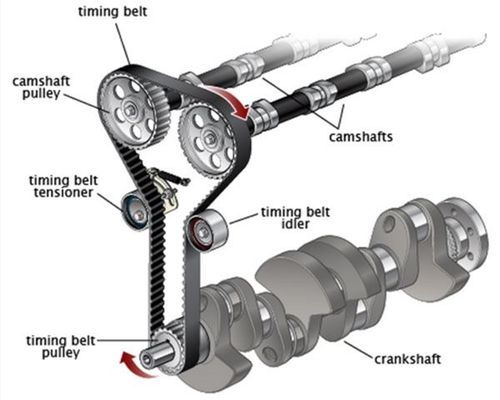
Timing belts are like the heartbeat of an engine—quiet, hidden, and absolutely critical. In the Mercedes A-Class, this humble component can be the difference between a smooth morning commute and a catastrophic engine failure that drains your wallet faster than a leaking fuel line. We’ve all heard horror stories of snapped belts and ruined engines, but what does it actually cost to replace a timing belt on a Mercedes A-Class?
Let’s peel back the curtain and talk real numbers, real risks, and real-world decisions—without fluff, without fearmongering, and without dealership smoke and mirrors.
Content in this publication
- Why the Timing Belt Matters More Than You Think
- Does Every Mercedes A-Class Have a Timing Belt?
- Average Mercedes A-Class Timing Belt Replacement Cost
- What’s Included in That Price?
- Dealer vs Independent Garage Costs
- Engine-Specific Cost Variations
- How Often Should We Replace It?
- Warning Signs of a Failing Timing Belt
- Is It Worth Doing Early?
- Can We Do It Ourselves?
- Hidden Costs We Often Miss
- How Timing Chains Change the Conversation
- Is Skipping the Belt Ever Smart?
- How to Reduce Replacement Cost
- The Resale Value Angle
- Closing Thoughts: Pay a Little, Save a Lot
- FAQs
Why the Timing Belt Matters More Than You Think
The timing belt synchronizes the crankshaft and camshaft. That’s fancy talk for “it keeps the engine breathing in rhythm.” When it fails:
- Pistons collide with valves
- Cylinder heads can crack
- Engines may become scrap metal
On interference engines—like many Mercedes units—the damage is often terminal. Skipping a €400–€700 service can snowball into a €3,000–€6,000 rebuild.
That’s not maintenance. That’s roulette.
Does Every Mercedes A-Class Have a Timing Belt?
Here’s where confusion begins.
Not all A-Class engines use a timing belt. Some use a timing chain, which typically lasts much longer.
Common setups:
- A160 / A180 / A200 CDI (older diesel models): Timing belt
- Petrol engines (most modern variants): Timing chain
- Newer diesel engines: Often chain-driven
Before worrying about cost, confirm what’s under your bonnet. A quick VIN check or service manual lookup saves guesswork.
Average Mercedes A-Class Timing Belt Replacement Cost
Across Europe and the UK, the average cost lands between:
- €350 – €750
- £300 – £650
The price depends on:
- Engine variant
- Workshop type (dealer vs independent)
- Region
- Whether additional parts are replaced
This isn’t a flat-rate job. It’s more like ordering coffee—same name, wildly different prices.
What’s Included in That Price?
A proper timing belt job should include:
- Timing belt
- Tensioner pulley
- Idler pulleys
- Water pump (often driven by the belt)
- Fresh coolant
- Labour (3–6 hours on average)
If a garage quotes you suspiciously low, ask what they’re skipping. The water pump alone can save you a second teardown later.
Dealer vs Independent Garage Costs
Mercedes Dealership
- €600 – €900
- OEM parts
- Warranty-backed
- Higher labour rate
Independent Specialist
- €350 – €600
- OEM or premium aftermarket parts
- Often same technicians
- Far better value
Think of it like dining: same chef, different tablecloth.
Engine-Specific Cost Variations
A160 / A180 CDI (W169 & W176)
These older diesels are the most timing-belt-dependent.
- Parts: €120 – €200
- Labour: €200 – €350
- Total: €350 – €550
Early A200 Diesel
Slightly more complex routing:
You may be interested in reading Mercedes A-Class Timing Chain Replacement Interval
- Total: €450 – €700
Later models moved to chains, reducing routine belt anxiety—but introducing other maintenance quirks.
How Often Should We Replace It?
Most Mercedes A-Class timing belts follow:
- Every 60,000–100,000 miles
- Or every 5–7 years, whichever comes first
Rubber degrades with time, not just mileage. A low-mileage city car can be more at risk than a motorway cruiser.
Warning Signs of a Failing Timing Belt
Timing belts don’t usually scream for attention. They whisper—right before silence.
Watch for:
- Ticking noises from the engine
- Rough idling
- Misfires
- Oil contamination near the belt cover
- Service history gaps
By the time it snaps, the conversation shifts from “maintenance” to “mourning.”
Is It Worth Doing Early?
Absolutely.
Replacing early:
- Prevents collateral engine damage
- Preserves resale value
- Avoids breakdowns
- Lets you bundle the job with other services
We’ve seen owners push it “just one more year” and end up replacing engines instead of belts. It’s like skipping dentist visits until you need surgery.
Can We Do It Ourselves?
In theory? Yes.
In reality? It’s a minefield.
You’ll need:
- Engine locking tools
- Torque wrenches
- Exact timing specs
- Patience of a monk
One tooth off can destroy the engine. This isn’t a weekend DIY like brake pads. It’s open-heart surgery.
Beyond the belt kit:
- Coolant refill
- Auxiliary belt
- Crankshaft seals
- Engine mounts (sometimes removed)
A quote may grow by €50–€150 once the engine is opened. Honest garages warn you. Shady ones surprise you.
How Timing Chains Change the Conversation
If your A-Class has a timing chain, you’re not immune—just on a different battlefield.
Chains can stretch, guides can fail, tensioners can collapse. When they do:
You may be interested in readingMercedes A-Class Timing Chain Replacement IntervalYou may be interested in reading
 Mercedes A-Class Fuel Flap Actuator Replacement
- Repairs often exceed €1,000
- Engine teardown may be required
So while belts are routine, chains are “event-driven disasters.” Pick your poison.
Is Skipping the Belt Ever Smart?
Short answer: no.
Long answer: only if you plan to sell immediately and ethically disclose it. Otherwise, it’s gambling with both money and safety.
A snapped belt doesn’t just stop the engine. It can leave you stranded in fast traffic. That’s not just expensive—it’s dangerous.
How to Reduce Replacement Cost
We can play smart:
- Use independent Mercedes specialists
- Ask for bundled service deals
- Provide your own OEM belt kit
- Replace during major services
Planning saves hundreds. Panic doubles the bill.
The Resale Value Angle
Buyers love paperwork. A stamped timing belt replacement:
- Increases buyer confidence
- Speeds up sales
- Justifies higher asking prices
A missing record invites negotiation—and suspicion.
Closing Thoughts: Pay a Little, Save a Lot
The Mercedes A-Class timing belt replacement cost isn’t pocket change—but it’s a bargain compared to what happens when rubber meets regret.
We’re not paying for a belt.
We’re paying for peace of mind.
For engine longevity.
For quiet mornings and smooth drives.
In the grand story of car ownership, this is a chapter you want to write early, not rewrite in disaster.
FAQs
1. How do I know if my A-Class has a timing belt or chain?
Check your engine code, service manual, or ask a Mercedes specialist using your VIN.
2. Can I drive past the recommended interval?
You can, but you’re gambling with your engine. Rubber doesn’t negotiate.
3. Does Mercedes include the water pump in belt changes?
Dealers usually do. Independents may offer it as optional—always ask.
4. What happens if the belt snaps while driving?
The engine stops instantly. On interference engines, internal damage is almost guaranteed.
5. Is a timing belt replacement cheaper than an engine rebuild?
By a factor of ten. Always.
You may be interested in readingMercedes A-Class Timing Chain Replacement IntervalYou may be interested in reading
Mercedes A-Class Fuel Flap Actuator ReplacementYou may be interested in reading
 Mercedes A-Class Reset Tyre Pressure: The Complete Guide We All Need
If you want to know other articles similar to Mercedes A-Class Timing Belt Replacement Cost: What We Really Pay you can visit the category Service and Parts.
How to Reset Volvo XC60 Infotainment System: The Complete Practical Guide
Volvo XC60 Gearbox Oil Change: The Complete Expert Guide
Volvo XC60 Engine Management Light: Causes, Fixes, and What It Really Means

Skoda Kamiq Size Comparison: Dimensions, Space & Real-World Practicality
Volvo XC60 Headlight Adjustment for Europe: The Complete Practical Guide
Volvo XC60 City Safety Service Required: What It Means, Causes, and Fixes
Leave a Reply
More content of your interest