

Mercedes A-Class Years to Avoid: A Buyer’s Survival Guide

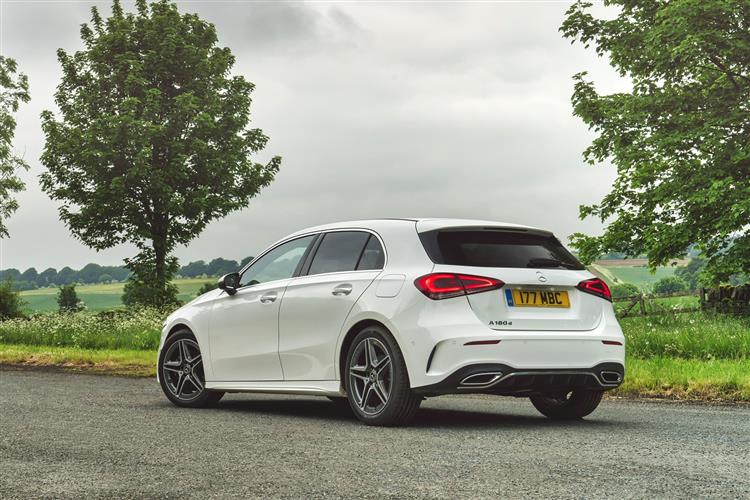
Buying a Mercedes A-Class should feel like stepping into a smarter, sharper version of everyday driving. It’s compact luxury—premium without the pretense. But not every year of the A-Class tells the same success story. Some model years sparkle. Others… well, they leave owners with repair bills that feel like parking tickets from fate.
We’ve driven, researched, and listened to hundreds of owner stories. And what we’ve learned is simple: choosing the wrong year can turn a dream hatchback into a financial treadmill. In this guide, we’ll walk you through the Mercedes A-Class years to avoid, explain why they struggle, and show you how to shop smarter.
Think of this as your map through a minefield—clear paths, warning signs, and safe ground ahead.
Content in this publication
- Why Some A-Class Years Go Wrong
- A-Class Generations at a Glance
- Mercedes A-Class Years to Avoid
- The Worst Offenders by Category
- Why These Years Cost More to Own
- Years That Are Generally Safe Bets
- Petrol vs Diesel: Which Is Safer?
- How to Spot a Risky A-Class Before Buying
- Ownership Costs: What the Bad Years Really Cost
- Used vs Approved Used: Does It Matter?
- Is Avoiding These Years Always Necessary?
- What We’d Buy Today
- The Psychology of a Bad Buy
- Closing Thoughts: Choose Calm Over Chaos
- FAQs
Why Some A-Class Years Go Wrong
Every generation of the A-Class brings innovation. And innovation, while exciting, often arrives with teething problems.
The Three Main Trouble Triggers
- First-year redesigns – New platforms, new engines, new electronics.
- Unproven transmissions – Especially early dual-clutch gearboxes.
- Overcomplicated electronics – Great on paper, fragile in reality.
Mercedes tends to refine quickly, but early adopters sometimes pay the price.
A-Class Generations at a Glance
Understanding the timeline helps everything make sense.
| Generation | Years | Body Style | Reputation |
|---|---|---|---|
| W168 | 1997–2004 | Tall hatch | Quirky, fragile |
| W169 | 2004–2012 | Tall hatch | Improved but flawed |
| W176 | 2013–2018 | Sport hatch | Tech-heavy, mixed |
| W177 | 2019–Present | Modern hatch | Better, but not perfect |
Each generation has its own “avoid” zone.
Mercedes A-Class Years to Avoid
Let’s get specific.
1999–2001 (W168 Early Models)
These were bold… and brittle.
Common Issues
- Electrical gremlins
- Rust in structural areas
- Fragile suspension components
- Poor crash reputation early on
These cars feel like prototypes that escaped the lab.
2005–2006 (Early W169 Models)
A step forward, but still unsteady.
What Goes Wrong
- CVT transmission failures
- Steering column lock faults
- Dashboard electronics dying without warning
- Water ingress in footwells
They age like milk in summer.
2013–2014 (First W176 Years)
The stylish leap forward that stumbled out of the gate.
Key Problems
- Dual-clutch gearbox hesitation
- Jerky low-speed driving
- Turbo issues on petrol engines
- MAF sensor failures
- Start-stop system malfunctions
These cars look modern but behave like beta software.
You may be interested in reading Mercedes-Benz A-Class CO₂ Emissions: What Your Hatchback Really Leaves Behind
2019 (Early W177 Launch Year)
Even the latest generation had growing pains.
Reported Issues
- MBUX infotainment crashes
- Camera and sensor failures
- Software bugs in driver aids
- Gearbox calibration problems
Most issues are software-based—but that still means dealer visits.
The Worst Offenders by Category
Transmission Trouble Years
- 2005–2006 (CVT)
- 2013–2014 (Early DCT)
- Some 2019 builds (Software-related shifts)
Electrical Nightmare Years
- 1999–2001
- 2005–2007
- 2013–2014
Rust-Prone Models
- Pre-2003 W168
- Early W169 cars in wet climates
Why These Years Cost More to Own
A Mercedes badge doesn’t change physics. When a component fails, the cost reflects:
- Specialized diagnostics
- Dealer-only software resets
- Premium parts pricing
- Complex labor
A faulty sensor in a 2014 A-Class can immobilize the car. Not limp-mode. Immobilize.
Years That Are Generally Safe Bets
We’re not here to scare you away—just steer you right.
Better Choices by Generation
- W168: 2003–2004
- W169: 2009–2012
- W176: 2016–2018
- W177: 2021–Present
These years benefit from:
- Mid-cycle refreshes
- Software maturity
- Improved manufacturing tolerances
They feel like finished products.
Petrol vs Diesel: Which Is Safer?
Petrol Models
- More responsive
- Fewer emissions components
- Turbo issues in early years
Diesel Models
- Better fuel economy
- DPF and EGR issues in city driving
- Injector failures in older units
If you drive short trips, avoid early diesel years. They choke on stop-and-go life.
How to Spot a Risky A-Class Before Buying
Red Flags During Inspection
- Jerky gear changes
- Delayed throttle response
- Warning lights that “come and go”
- Flickering infotainment screen
- Damp carpets
Documents to Demand
- Full service history
- Recall completion records
- Software update proof
- Gearbox service receipts
No paperwork? Walk away.
Ownership Costs: What the Bad Years Really Cost
| Issue | Typical Repair Cost |
|---|---|
| DCT gearbox repair | $1,500–$3,500 |
| Infotainment module | $800–$1,400 |
| Turbo replacement | $900–$2,000 |
| ECU faults | $500–$1,200 |
| Steering lock | $400–$900 |
That “cheap” A-Class can quickly outprice a newer, better one.
Used vs Approved Used: Does It Matter?
Yes. Hugely.
- Private sale: Cheapest, riskiest
- Independent dealer: Mixed bag
- Mercedes Approved Used:
- Warranty
- Software updates
- Pre-sale inspection
If you’re buying a borderline year, only do it with a warranty.
Is Avoiding These Years Always Necessary?
Not always.
A well-maintained 2014 A-Class with:
You may be interested in readingMercedes-Benz A-Class CO₂ Emissions: What Your Hatchback Really Leaves BehindYou may be interested in reading
 Does Mercedes A-Class Have a Renault Engine? The Truth, Without the Myths
- Updated gearbox software
- Regular servicing
- Light mileage
- Warranty
…can still be a smart buy.
The problem isn’t the year. It’s the combination of year + neglect.
What We’d Buy Today
If we were shopping right now?
- A 2017 A200 petrol
- A 2022 A180
- A late 2011 W169 as a budget runabout
We’d avoid:
- Early 2000s models
- Launch-year redesigns
- Anything with “intermittent electrical fault” in the ad
Because “intermittent” is seller code for “expensive.”
The Psychology of a Bad Buy
A problematic A-Class doesn’t just drain money—it drains joy.
You stop trusting the car.
Every warning chime feels like a plot twist.
Every drive becomes a question mark.
A good one? It disappears into your life. That’s luxury.
Closing Thoughts: Choose Calm Over Chaos
The Mercedes A-Class can be a brilliant companion—stylish, efficient, quietly premium. But the wrong year can feel like adopting a genius toddler with a sugar addiction.
By avoiding the problem years—1999–2001, 2005–2006, 2013–2014, and early 2019 builds—you stack the odds in your favor.
We don’t buy cars just to move.
We buy them to live.
Choose the year that lets you do that without fear.
FAQs
1. What is the worst Mercedes A-Class year?
Most owners agree that early W168 (1999–2001) and early W176 (2013–2014) models are the most problematic.
2. Are newer A-Class models reliable?
Yes. Post-2021 models are significantly improved, especially in software stability and gearbox behavior.
3. Is a 2014 A-Class always bad?
Not always. With full history, updates, and warranty, it can still be a viable buy.
You may be interested in readingMercedes-Benz A-Class CO₂ Emissions: What Your Hatchback Really Leaves BehindYou may be interested in reading
Does Mercedes A-Class Have a Renault Engine? The Truth, Without the MythsYou may be interested in reading
 Does Mercedes A-Class Have a Heated Windscreen? The Real-World Answer
4. Do diesel A-Class models have more problems?
In city driving, yes—mainly due to DPF and EGR issues.
5. Should I avoid first-year Mercedes models in general?
As a rule of thumb, yes. Let someone else beta-test innovation.
If you want to know other articles similar to Mercedes A-Class Years to Avoid: A Buyer’s Survival Guide you can visit the category Blog.
Volvo XC60 Quality: A Deep Dive Into Premium Craftsmanship and Everyday Excellence
Volvo XC60 Reliability by Year: The Complete Owner’s Guide
Which Ford Kuga Engine Is Best? The Ultimate Buyer’s Guide
Pros and Cons Mazda CX-30: The Real-World Ownership Breakdown
Peugeot 308 Years to Avoid: The Ultimate Buyer’s Guide

Dacia Duster Reliability: The Real Story Behind This Budget SUV
Leave a Reply
More content of your interest