

Mercedes A-Class Yellow Engine Warning Light


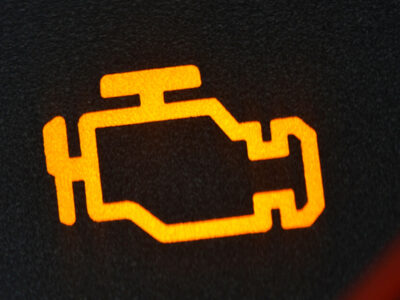
Few dashboard symbols make a driver’s heart skip like the yellow engine warning light. It glows quietly, but its message feels loud: something isn’t right. In a Mercedes A-Class, that little amber engine icon can mean anything from a loose fuel cap to an emissions fault that needs immediate attention.
We’ve all been there—cruising along, music playing, life feeling smooth—when suddenly that yellow light flicks on like an unwelcome guest at dinner. Do we stop? Do we panic? Do we pretend it isn’t there and hope it disappears?
Let’s slow things down and decode what this warning actually means, why it appears, and how to respond like a calm, informed driver rather than a nervous wreck. Together, we’ll turn uncertainty into clarity.
Content in this publication
- What the Yellow Engine Warning Light Really Means
- Why the A-Class Is So Sensitive
- Common Causes of the Yellow Engine Light
- How the Light Behaves (And Why It Matters)
- What the Car Might Feel Like
- Limp Mode: The Car Protecting Itself
- Can You Keep Driving?
- First Things We Should Check Ourselves
- The Power of a Diagnostic Scan
- Why Clearing the Light Isn’t a Fix
- Real-World Scenarios We See Often
- Why Ignoring It Costs More Later
- Model-Specific Nuances Across A-Class Generations
- Diesel vs Petrol: Same Light, Different Stories
- The DPF Trap: A Modern Driver’s Dilemma
- Software Glitches: When Hardware Isn’t Guilty
- What a Garage Will Typically Do
- Costs We Commonly See
- Preventing the Yellow Light From Returning
- When the Light Is Actually Lying
- Psychology of the Dashboard
- A Calm Strategy When It Appears
- Why Mercedes Designed It This Way
- Closing Thoughts: Turning Fear Into Fluency
- FAQs
What the Yellow Engine Warning Light Really Means
In Mercedes language, the yellow engine light—often called the check engine light—is part of the car’s onboard diagnostics system. It’s the vehicle’s way of saying:
“I’ve detected something outside normal parameters.”
This doesn’t automatically mean catastrophe. Think of it like a mild fever rather than a heart attack. The car is still running, but it’s hinting that something needs attention.
Yellow vs Red: Why Color Matters
- Yellow/Amber – Non-critical fault. You can usually keep driving carefully.
- Red – Serious issue. Stop as soon as it’s safe.
That color choice isn’t cosmetic—it’s Mercedes’ way of triaging urgency.
Why the A-Class Is So Sensitive
Modern A-Class models are packed with sensors. Oxygen sensors, mass airflow meters, temperature probes, pressure valves—each feeds data into the engine control unit (ECU). When one of them reports something “off,” the ECU reacts.
This sensitivity is a blessing and a curse:
- It protects the engine long-term
- But it also means tiny issues trigger warnings
The A-Class doesn’t wait for disaster. It whispers early.
Common Causes of the Yellow Engine Light
Not all triggers are equal. Some are harmless annoyances. Others are subtle threats. Let’s group the most common causes.
Emissions System Issues
These are the kings of yellow lights.
- Faulty oxygen sensor
- Clogged diesel particulate filter (DPF)
- EGR valve malfunction
- Catalytic converter inefficiency
Mercedes is strict about emissions. Even small deviations light the lamp.
Fuel & Air Delivery Problems
The engine needs a perfect mix of air and fuel.
- Mass Air Flow (MAF) sensor faults
- Dirty throttle body
- Weak fuel pump
- Injector imbalance
When that mix falters, combustion stumbles—and the ECU notices.
Ignition System Irregularities
Misfires are a favorite trigger.
- Worn spark plugs
- Failing ignition coils
- Uneven combustion
The car might still feel “fine,” but the computer knows better.
Loose or Faulty Components
Sometimes it’s embarrassingly simple.
- Loose fuel cap
- Vacuum hose leak
- Aging rubber seals
A tiny air leak can throw the entire system’s balance off.
How the Light Behaves (And Why It Matters)
The behavior of the light tells a story.
Solid Yellow Light
Usually means a stored fault. The car is drivable.
Flashing Yellow Light
More urgent. Often linked to active misfires. Prolonged driving can damage the catalytic converter.
The flashing version is your car raising its voice.
What the Car Might Feel Like
Sometimes the A-Class behaves perfectly despite the light. Other times, it drops hints:
- Reduced power (limp mode)
- Hesitation under acceleration
- Rough idle
- Poor fuel economy
- Delayed gear shifts
These symptoms are like a cough accompanying a fever—they help narrow the diagnosis.
Limp Mode: The Car Protecting Itself
When the system detects a risk to the engine or emissions hardware, it may activate limp mode. Power is limited. Throttle response feels muted. Top speed shrinks.
It’s not punishment—it’s self-preservation.
Think of limp mode as your car saying:
“I’ll get you home, but I won’t let you hurt me.”
Can You Keep Driving?
In most yellow-light scenarios, yes—briefly.
You can usually:
You may be interested in reading Mercedes A-Class Without Changing Gear – Consult Workshop Explained
- Drive home
- Reach a garage
- Complete short local trips
But you should not:
- Ignore it for weeks
- Drive aggressively
- Tow heavy loads
- Embark on long highway journeys
A small problem grows quietly when neglected.
First Things We Should Check Ourselves
Before panicking or booking a workshop, we can rule out the obvious.
Quick DIY Checks
- Ensure the fuel cap clicks properly
- Look for loose hoses under the bonnet
- Check for obvious wiring damage
- Listen for strange hissing sounds
These small wins sometimes solve the issue instantly.
The Power of a Diagnostic Scan
Every modern A-Class stores fault codes. A simple OBD scanner can read them.
Typical code categories:
- P0xxx – Generic engine/emissions faults
- P1xxx – Manufacturer-specific Mercedes codes
A scan doesn’t “fix” anything—but it gives us a map instead of wandering blind.
Why Clearing the Light Isn’t a Fix
Many drivers reset the light and celebrate when it disappears.
But the ECU isn’t forgetful. If the fault remains, the light returns.
Clearing codes without repair is like silencing a smoke alarm while the fire keeps burning.
Real-World Scenarios We See Often
Scenario 1: The Light After a Fuel Stop
Loose cap. Tighten it. Drive a few cycles. Light disappears.
Scenario 2: The Light on Cold Mornings
Often linked to:
- Glow plugs (diesel)
- Temperature sensors
- Cold-start emissions thresholds
Scenario 3: Light + Reduced Power
Common culprits:
- Turbo pressure fault
- EGR sticking
- DPF saturation
Each tells a different mechanical story.
Why Ignoring It Costs More Later
A £40 sensor today can prevent a £1,200 catalytic converter tomorrow.
The yellow light is an early whisper. Ignore it, and it eventually shouts.
Mechanical systems age like humans:
Neglect accelerates decline.
Model-Specific Nuances Across A-Class Generations
Not all Mercedes A-Class models behave the same when that yellow engine light appears. Each generation brings its own quirks.
W168 / W169 (1997–2012)
Older A-Class models are less sensor-heavy, but they still throw amber warnings for:
- Lambda (oxygen) sensor failures
- Throttle body contamination
- Air intake leaks
These cars often run “fine” despite the light, which tempts owners to ignore it. That’s where long-term inefficiency creeps in.
W176 (2012–2018)
Here’s where complexity ramps up:
- Turbo boost deviations
- EGR valve sticking
- Early DPF saturation
- Coil pack failures
This generation commonly triggers limp mode when boost pressure isn’t where the ECU expects it.
W177 (2018–Present)
The modern A-Class is deeply digital.
- NOx sensor faults
- AdBlue system warnings
- Start-stop system conflicts
- Software calibration issues
Sometimes the problem isn’t mechanical—it’s software logic tripping over itself.
Diesel vs Petrol: Same Light, Different Stories
That same amber icon tells different tales depending on fuel type.
Petrol A-Class
Typical triggers:
- Misfires
- MAF sensor drift
- Evaporative emissions leaks
- Catalytic efficiency warnings
These often show as performance hiccups or increased fuel use.
Diesel A-Class
More complex emissions systems mean more potential triggers:
- DPF regeneration failure
- EGR carbon buildup
- Glow plug circuit faults
- NOx sensor errors
Diesel lights frequently relate to how the car is being driven—short trips starve the DPF of regeneration cycles.
The DPF Trap: A Modern Driver’s Dilemma
Short urban journeys are kryptonite for diesel A-Class models.
You may be interested in readingMercedes A-Class Without Changing Gear – Consult Workshop ExplainedYou may be interested in reading
 Audi A3 Problems: The Real-World Issues Owners Actually Face
The Diesel Particulate Filter needs sustained heat to self-clean. Without it:
- Soot accumulates
- Backpressure rises
- The ECU panics
- Yellow light appears
A simple motorway run at steady speed can sometimes clear it. Other times, forced regeneration is required.
The car isn’t broken—it’s underused.
Software Glitches: When Hardware Isn’t Guilty
Modern Mercedes vehicles are rolling computers. Sometimes:
- Sensors read correctly
- Mechanics are sound
- But the software logic flags inconsistencies
A dealer update can extinguish a stubborn light without replacing a single part.
This is the automotive equivalent of rebooting your laptop.
What a Garage Will Typically Do
A competent technician will:
- Scan fault codes
- Freeze-frame data (conditions when fault occurred)
- Perform live sensor readings
- Inspect physical components
- Test-drive under similar conditions
Diagnosis is detective work, not guesswork.
Costs We Commonly See
While prices vary by region, typical repair ranges look like:
- Oxygen sensor: £80–£200
- MAF sensor: £100–£250
- Ignition coil: £60–£150
- DPF regeneration: £100–£250
- EGR valve: £200–£500
- Catalytic converter: £800–£1,500
Early action keeps you in the lower bands.
Preventing the Yellow Light From Returning
We can’t eliminate electronics, but we can reduce triggers.
Smart Habits
- Use quality fuel
- Drive longer journeys periodically
- Avoid repeated cold starts
- Service on time
- Replace filters proactively
Think of it as cardio for your car.
When the Light Is Actually Lying
Rarely, the light remains even after repairs. Causes include:
- Stored historical codes
- Pending fault memory
- Calibration mismatches
- Aftermarket part incompatibility
A reset paired with a proper drive cycle often resolves these “ghost” warnings.
Psychology of the Dashboard
The yellow engine light isn’t just mechanical—it’s emotional.
It creates:
- Anxiety
- Distrust
- Second-guessing
- Financial dread
But knowledge replaces fear. When we understand the language, the symbol loses its power.
It becomes information, not intimidation.
A Calm Strategy When It Appears
- Don’t panic
- Observe behavior
- Check basics
- Scan codes
- Book diagnosis
- Drive gently
- Fix promptly
That’s it. No drama. Just process.
Why Mercedes Designed It This Way
The A-Class is engineered for longevity and compliance. The yellow light protects:
- Engine internals
- Emissions hardware
- Warranty conditions
- Environmental standards
It isn’t nagging. It’s guarding.
Closing Thoughts: Turning Fear Into Fluency
That yellow engine warning light isn’t a villain. It’s a translator between machine and driver. It speaks in symbols, but with a little literacy, we understand its tone.
Sometimes it whispers. Sometimes it raises its voice. But it always wants the same thing: attention before damage.
When we respond calmly and intelligently, the A-Class rewards us with years of smooth, quiet service. The light isn’t the end of the road—it’s a signpost pointing toward better care.
We don’t fear what we understand.
We drive smarter when we listen.
FAQs
1. Can I drive my Mercedes A-Class with the yellow engine light on?
Yes, usually for short distances. Avoid aggressive driving and book a diagnostic check soon.
2. What does it mean if the yellow light flashes?
A flashing light indicates an active misfire or urgent fault. Stop driving as soon as it’s safe.
3. Will the light reset itself?
Sometimes, if the issue is temporary. Persistent faults require repair.
4. Is it expensive to fix?
Often no—many causes are sensor-related and relatively affordable if addressed early.
5. Can a loose fuel cap really trigger it?
Yes. Emissions systems are sensitive, and a loose cap can trigger the warning.
You may be interested in readingMercedes A-Class Without Changing Gear – Consult Workshop ExplainedYou may be interested in reading
Audi A3 Problems: The Real-World Issues Owners Actually FaceYou may be interested in reading
 Audi A3 Gearbox Malfunction: Causes, Symptoms, Fixes, and What to Do Next
If you want to know other articles similar to Mercedes A-Class Yellow Engine Warning Light you can visit the category Common Problems.
Ford Fiesta Jerks When Accelerating: Causes, Fixes, and What Every Driver Should Know

BMW X1 Problems: Common Issues, Reliability Concerns, and What Owners Should Know

Jaguar F-Pace Not Starting: Causes, Fixes, and Expert Troubleshooting Guide

Jaguar F-Pace Gearbox Fault: Causes, Symptoms, Fixes, and Costs Explained

Jaguar F-Pace Keyless Entry Not Working: Causes, Fixes, and Troubleshooting Guide
Jaguar F-Pace Engine Light On: Causes, Fixes, and What to Do Next
Leave a Reply
More content of your interest