

Mercedes-Benz A-Class Dashboard Warning Lights Explained: The Complete Driver’s Guide

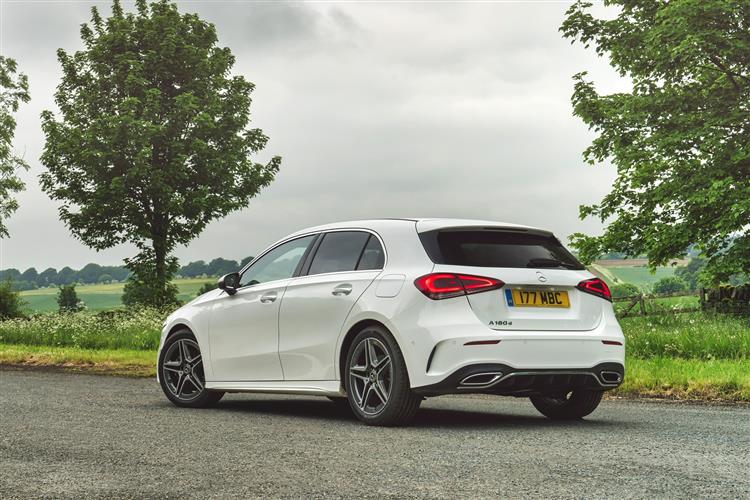
Understanding every symbol on your Mercedes-Benz A-Class dashboard transforms uncertainty into confidence. These warning lights are not decoration—they are your vehicle’s language. Each icon communicates a condition, a risk, or a system status that affects safety, performance, and longevity.
We present a structured, authoritative guide to every major Mercedes A-Class warning light, categorized by urgency and function. This resource enables immediate action, accurate interpretation, and smarter ownership.
Content in this publication
How the Mercedes A-Class Warning System Works
Mercedes-Benz uses a three-tier color hierarchy:
- Red – Immediate danger. Stop driving.
- Yellow / Amber – Action required soon.
- Green / Blue – Informational status indicators.
Each light is linked to a sensor-driven system—engine management, braking, steering, emissions, or driver assistance. The moment a threshold is exceeded, the dashboard communicates.
Red Warning Lights – Stop Immediately
These signals indicate mechanical or safety threats that can escalate within seconds.
Brake System Alert
- Low brake fluid
- Hydraulic failure
- Parking brake malfunction
Action: Pull over safely. Driving may result in brake loss.
Engine Oil Pressure
- Oil starvation
- Internal engine damage risk
Action: Switch off engine immediately. Check oil level.
Charging System Failure
- Alternator fault
- Broken serpentine belt
- Battery discharge
Action: Stop driving to prevent total electrical failure.
High Coolant Temperature
- Overheating engine
- Coolant loss
Action: Shut down engine. Allow cooling.
Airbag / SRS Malfunction
- Disabled airbags
- Faulty seatbelt pretensioners
Action: Drive only to service center.
Check Engine (Blinking)
- Severe misfire
- Catalytic converter damage
Action: Stop immediately. Tow recommended.
You may be interested in reading Mercedes-Benz A-Class Engine Oil Guide: Grades, Capacities, Intervals & Expert Tips
DEF / AdBlue Critically Low
- Diesel emissions compliance
- Engine start lockout imminent
Action: Refill before shutdown occurs.
Electric Power Steering Failure
- Loss of steering assistance
Action: Restart vehicle. If persistent, stop driving.
Transmission Fault
- Gearbox control failure
Action: Pull over to avoid catastrophic damage.
Exhaust Particulate Filter Blocked
- Diesel regeneration failure
Action: Service required.
Amber / Yellow Warning Lights – Action Required Soon
These alerts indicate reduced efficiency, safety system degradation, or maintenance needs.
Low Tire Pressure
- Underinflated tire
- Risk of blowout
Action: Inflate to factory PSI.
Maintenance Required
- Service interval reached
Action: Schedule routine servicing.
ABS Malfunction
- Anti-lock braking disabled
Action: Braking remains functional but unsafe in emergencies.
ESC / ESP Fault
- Stability control disabled
Action: Reduced traction handling.
Glow Plug Warning (Diesel)
- Preheat cycle active
Action: Wait before starting.
Lane Keeping Assist Issue
- Camera misalignment
- Sensor obstruction
Action: Clean windshield, calibrate if persistent.
You may be interested in readingMercedes-Benz A-Class Engine Oil Guide: Grades, Capacities, Intervals & Expert TipsYou may be interested in reading
 Mercedes A-Class Tyre Pressure PSI Guide
Blind Spot Monitoring Fault
- Radar sensor blocked
Action: Clean bumper sensors.
Fuel Cap Loose
- Evaporative emissions leak
Action: Tighten or replace cap.
Adaptive Front Lighting Malfunction
- Headlight leveling failure
Action: Reduced night visibility.
Green & Blue Indicators – Informational
These confirm that systems are functioning.
| Light | Meaning |
|---|---|
| Cruise Control | Speed is set |
| Turn Signals | Direction active |
| Fog Lights | Activated |
| Daytime Running Lights | Operational |
| AWD Active | Traction engaged |
| Automatic High Beams | Adaptive lighting active |
| Eco Mode | Fuel optimization engaged |
| Road Departure Mitigation | Lane correction active |
| Exterior Lights On | Headlights engaged |
| Smart Entry System | Key detected |
| Collision Mitigation Braking | Emergency braking applied |
| Auto Idle Stop | Engine paused at stop |
Why These Lights Matter
Each warning is part of a real-time diagnostic system. Ignoring even a yellow indicator can evolve into:
- Engine seizure
- Transmission failure
- Brake system collapse
- Emissions non-compliance
- Disabled safety systems
Mercedes engineers designed these alerts to protect the drivetrain, the occupants, and the vehicle’s long-term value.
Best Practices for A-Class Owners
- Never ignore red warnings.
- Treat amber alerts within days.
- Keep washer fluid and tire pressure topped up.
- Scan fault codes with an OBD-II reader.
- Maintain service intervals precisely.
Closing Perspective
The Mercedes-Benz A-Class communicates constantly. Each dashboard light is a sentence in a mechanical conversation. When interpreted correctly, these symbols prevent breakdowns, preserve performance, and protect lives.
A driver who understands these warnings never guesses. We respond with precision, maintain with discipline, and drive with confidence.
Frequently Asked Questions
What is the most dangerous warning light in a Mercedes A-Class?
The engine oil pressure and brake system lights represent the highest immediate risk.
Can I drive with an amber warning light?
Yes, but only briefly. These indicate system degradation that must be corrected.
Why does my check engine light blink?
A blinking light signals an active misfire that can destroy the catalytic converter.
You may be interested in readingMercedes-Benz A-Class Engine Oil Guide: Grades, Capacities, Intervals & Expert TipsYou may be interested in reading
Mercedes A-Class Tyre Pressure PSI GuideYou may be interested in reading
 Mercedes A-Class Battery Replacement – The Complete Owner’s Guide
What happens if I ignore the AdBlue warning?
The vehicle will eventually refuse to start once the tank is empty.
Are green lights ever a problem?
No. Green indicators confirm normal operation and require no action.
If you want to know other articles similar to Mercedes-Benz A-Class Dashboard Warning Lights Explained: The Complete Driver’s Guide you can visit the category Service and Parts.
How to Reset Volvo XC60 Infotainment System: The Complete Practical Guide
Volvo XC60 Gearbox Oil Change: The Complete Expert Guide
Volvo XC60 Engine Management Light: Causes, Fixes, and What It Really Means

Skoda Kamiq Size Comparison: Dimensions, Space & Real-World Practicality
Volvo XC60 Headlight Adjustment for Europe: The Complete Practical Guide
Volvo XC60 City Safety Service Required: What It Means, Causes, and Fixes
Leave a Reply
More content of your interest