

Mercedes-Benz A-Class Engine: Power, Personality, and Precision

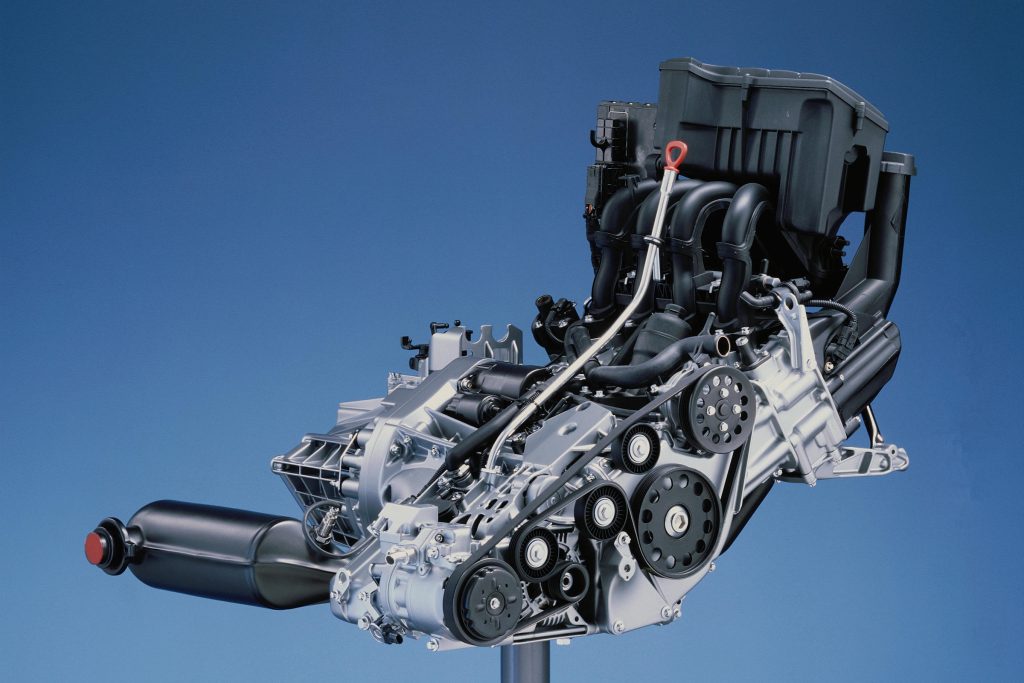
Engines are the heartbeat of any car, and in the Mercedes-Benz A-Class, that heartbeat has evolved from a polite thump into a confident, turbocharged rhythm. Over the years, the A-Class engine lineup has become a masterclass in compact performance—small blocks delivering big personalities.
We’re not just talking about horsepower figures here. We’re talking about how these engines feel in the real world. The way a petrol A200 hums on a motorway. The diesel A180d sipping fuel like a disciplined athlete. The AMG variants snarling like a caged predator. Each engine tells a story, and in this guide, we explore every chapter.
Content in this publication
- The Philosophy Behind A-Class Engines
- Petrol Engines: Small Displacement, Big Attitude
- Diesel Engines: Quiet Efficiency, Long-Distance Kings
- AMG Powerplants: The Wild Side of A-Class
- Engine Generations: How the A-Class Evolved
- Petrol vs Diesel: Which Engine Fits Your Life?
- Reliability & Real-World Ownership
- Hybrid Influence: A Glimpse of the Future
- Driving Feel: Numbers Don’t Tell the Whole Story
- Tuning & Potential
- Closing Thoughts
- FAQs
The Philosophy Behind A-Class Engines
Mercedes didn’t build the A-Class to be “just another hatchback.” From day one, the brand wanted to blend:
- Premium refinement
- Urban practicality
- Efficient performance
- Emotional driving feel
Every A-Class engine reflects this balance. Even the smallest units are turbocharged, tuned for torque, and designed to feel larger than life.
Petrol Engines: Small Displacement, Big Attitude
A160 & A180 – Entry-Level With Real Bite
These engines are often underestimated. On paper, they’re modest. On the road, they’re surprisingly eager.
- Turbocharged four-cylinder units
- Smooth throttle response
- Ideal for urban and mixed driving
- Quiet, refined operation
They’re perfect for drivers who want Mercedes quality without chasing lap times.
A200 – The Sweet Spot
If there’s a “goldilocks” engine in the range, it’s the A200. Not too mild. Not too wild.
- Strong mid-range torque
- Confident motorway cruising
- Responsive in daily traffic
- Excellent balance of power and economy
This is where the A-Class starts to feel genuinely sporty.
A250 – Where Fun Begins
Now we’re talking. The A250 brings genuine hot-hatch energy without sacrificing comfort.
- Quick acceleration
- Sharp throttle response
- Feels alive on twisty roads
- Still perfectly usable every day
It’s the engine that makes you look for excuses to drive.
Diesel Engines: Quiet Efficiency, Long-Distance Kings
A180d & A200d
These engines are for the thinkers—the long-distance drivers, the commuters, the mileage kings.
- Outstanding fuel economy
- Strong low-end torque
- Relaxed cruising
- Long service intervals
They shine on motorways, where they feel effortless, calm, and endlessly capable.
You may be interested in reading Mercedes Benz A-Class Insurance Group: What It Really Costs to Insure
Diesel A-Class engines aren’t boring—they’re grown-up. They whisper instead of shout.
AMG Powerplants: The Wild Side of A-Class
AMG A35 – Controlled Chaos
The A35’s engine is a firecracker with manners.
- Turbocharged high-output unit
- Explosive acceleration
- Still daily-drivable
- All-wheel-drive grip
It’s like wearing a tailored suit over a racing heart.
AMG A45 & A45 S – Engineering Madness
These engines are legendary.
- Among the most powerful four-cylinder engines in the world
- Supercar-level performance in a hatchback body
- Ferocious response
- Spine-tingling soundtrack
It’s proof that “small engine” doesn’t mean “small ambition.”
Engine Generations: How the A-Class Evolved
Early Generations: Practical First, Performance Later
The first A-Class engines focused on efficiency and compact packaging. They were functional, not emotional.
Modern Generations: Emotion Meets Efficiency
With later generations, Mercedes flipped the script:
- Turbocharging across the board
- Better sound insulation
- More torque at lower RPM
- Lighter engine blocks
Today’s A-Class engines feel modern, confident, and distinctly premium.
Petrol vs Diesel: Which Engine Fits Your Life?
Choose Petrol If You:
- Drive mostly in the city
- Want smoother acceleration
- Prefer quieter operation
- Enjoy spirited driving
Choose Diesel If You:
- Cover long distances
- Want maximum fuel economy
- Drive mostly on motorways
- Value torque over revs
There’s no wrong answer—just the right tool for your routine.
Reliability & Real-World Ownership
Modern A-Class engines are generally dependable, but like any turbocharged unit, they reward good habits.
Best Practices for Longevity
- Warm the engine before pushing it
- Change oil on time (or early)
- Use high-quality fuel
- Don’t ignore warning lights
Treat these engines well, and they’ll repay you with years of smooth service.
Hybrid Influence: A Glimpse of the Future
Recent A-Class models introduce mild-hybrid and plug-in hybrid technology.
You may be interested in readingMercedes Benz A-Class Insurance Group: What It Really Costs to InsureYou may be interested in reading
 Mercedes-Benz A-Class Service Reset: The Complete Owner’s Guide
Benefits include:
- Lower emissions
- Smoother stop-start systems
- Extra torque at low speeds
- Reduced fuel consumption
The engine becomes part of a system, not just a machine.
Driving Feel: Numbers Don’t Tell the Whole Story
What makes an A-Class engine special isn’t just power—it’s personality.
- Petrol engines feel light and playful
- Diesels feel calm and commanding
- AMG engines feel explosive and theatrical
Each one changes the character of the car like a new soul in the same body.
Tuning & Potential
Many A-Class engines respond well to tuning.
- Stage 1 remaps often add 20–40 bhp
- Improved throttle response
- Better mid-range pull
- Minimal impact on reliability when done properly
It’s like unlocking a hidden chapter in the engine’s story.
Closing Thoughts
The Mercedes-Benz A-Class engine range is proof that size doesn’t define character. From frugal diesels to ferocious AMG monsters, every engine brings a distinct voice to the same elegant body.
We’re not just choosing power—we’re choosing a personality. Calm commuter. Energetic all-rounder. Pocket rocket. The A-Class lets us pick the heartbeat that matches our rhythm.
And that’s what makes it special.
FAQs
1. Which A-Class engine is the most reliable?
Mid-range petrol engines like the A180 and A200 are known for strong reliability with proper maintenance.
2. Is the A-Class engine good for long trips?
Absolutely—especially the diesel variants, which excel in comfort and fuel economy.
3. Are AMG A-Class engines expensive to maintain?
Yes, compared to standard models. They require premium fuel, tires, and more frequent servicing.
Mercedes Benz A-Class Insurance Group: What It Really Costs to InsureYou may be interested in reading
Mercedes-Benz A-Class Service Reset: The Complete Owner’s GuideYou may be interested in reading
 Mercedes Benz A-Class Engine Size: A Complete Guide for Every Driver
4. Do A-Class engines use Renault technology?
Some lower-tier engines are co-developed with Renault, but tuned to Mercedes standards.
5. Can an A-Class engine handle tuning?
Most turbo engines respond well to mild tuning, especially petrol variants.
If you want to know other articles similar to Mercedes-Benz A-Class Engine: Power, Personality, and Precision you can visit the category Service and Parts.
How to Reset Volvo XC60 Infotainment System: The Complete Practical Guide
Volvo XC60 Gearbox Oil Change: The Complete Expert Guide
Volvo XC60 Engine Management Light: Causes, Fixes, and What It Really Means
Skoda Kamiq Size Comparison: Dimensions, Space & Real-World Practicality
Volvo XC60 Headlight Adjustment for Europe: The Complete Practical Guide
Volvo XC60 City Safety Service Required: What It Means, Causes, and Fixes
Leave a Reply
More content of your interest