
Mercedes Benz A-Class Engine Size: A Complete Guide for Every Driver

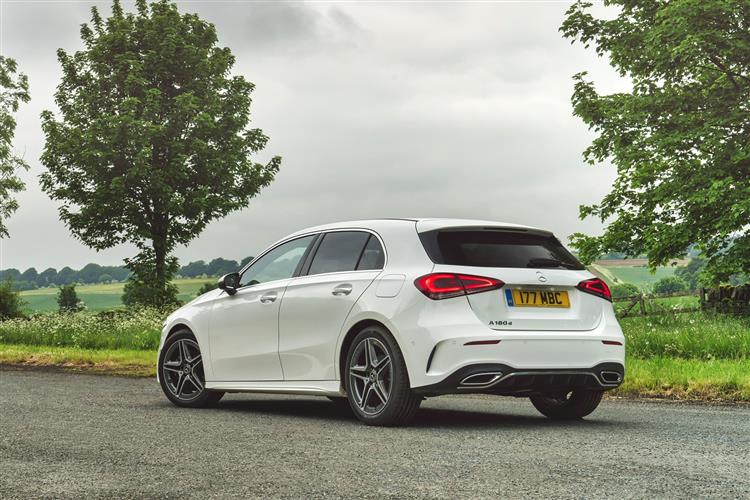
When we talk about the Mercedes-Benz A-Class, we’re not just discussing a compact hatchback—we’re diving into a world where luxury meets everyday practicality. But the heartbeat of this car, the thing that truly defines its personality, is the engine size. From efficient city cruisers to punchy performance variants, the A-Class engine lineup is like a wardrobe of suits—each tailored for a different lifestyle.
Let’s unpack every engine size, every generation, and every driving personality hidden under that iconic three-pointed star.
Content in this publication
- Understanding Engine Size in the A-Class
- A Quick Look at A-Class Generations
- Engine Sizes by Generation
- Most Popular Engine Sizes Explained
- Choosing the Right Engine Size
- Fuel Economy by Engine Size
- How Turbocharging Changed Everything
- Engine Size vs Insurance Costs
- Maintenance and Longevity by Engine Size
- Hybrid Engine Sizes: The Best of Both Worlds
- Why Engine Size Still Matters in 2026
- Closing Thoughts
- FAQs
Understanding Engine Size in the A-Class
Engine size, measured in liters (L) or cubic centimeters (cc), tells us how much air and fuel an engine can process. In the A-Class, this ranges from modest 1.3L petrol units to thunderous 2.0L AMG powerhouses.
Why does this matter?
- Smaller engines = better fuel economy and lower emissions
- Larger engines = more power, quicker acceleration, and sportier feel
- Turbocharging bridges the gap, making small engines feel big
Mercedes has mastered this balance, making the A-Class feel refined regardless of engine size.
A Quick Look at A-Class Generations
Before we dig into numbers, let’s frame the timeline:
- W168 (1997–2004) – Quirky, tall-bodied original
- W169 (2004–2012) – More refined, still upright
- W176 (2012–2018) – Sporty hatchback era begins
- W177 (2018–present) – Modern, tech-packed, global star
Each generation reshaped engine options to match market trends and emissions standards.
Engine Sizes by Generation
W168: The Pioneer (1997–2004)
This was Mercedes experimenting. Engine sizes were modest:
- 1.4L petrol
- 1.6L petrol
- 1.7L diesel
These engines focused on efficiency and urban mobility. Power was limited, but reliability and economy were the priority.
W169: Growing Up (2004–2012)
The second generation refined the formula:
- 1.5L petrol
- 1.7L petrol
- 2.0L petrol
- 1.5L diesel
- 2.0L diesel
This era introduced more flexibility—drivers could finally choose between budget-friendly and more spirited options.
W176: The Sporty Shift (2012–2018)
This is where the A-Class reinvented itself.
Petrol Engines:
- 1.3L turbo
- 1.6L turbo
- 2.0L turbo (AMG)
Diesel Engines:
- 1.5L turbo
- 2.1L turbo
The 1.3L and 1.6L engines became fan favorites. Light, efficient, yet surprisingly lively, they proved that size isn’t everything.
W177: The Modern Masterpiece (2018–Present)
Today’s A-Class lineup is sharper than ever.
Petrol:
You may be interested in reading Mercedes-Benz A-Class Tyre Size: The Complete Driver’s Guide
- 1.3L turbo
- 2.0L turbo
Diesel:
- 1.5L turbo
- 2.0L turbo
Hybrid:
- 1.3L turbo + electric motor
AMG Performance:
- 2.0L turbo (up to 421 hp)
This generation shows how far engine technology has come. A 1.3L engine today can outperform a 2.0L from a decade ago.
Most Popular Engine Sizes Explained
1.3L Petrol – The Everyday Hero
This engine is the bread-and-butter of modern A-Class models.
Why drivers love it:
- Excellent fuel economy
- Smooth in traffic
- Lower insurance costs
- Surprisingly punchy with turbo boost
It’s like a Swiss Army knife—does everything well without drama.
1.5L Diesel – The Long-Distance King
Perfect for commuters and highway warriors:
- Outstanding MPG
- Strong low-end torque
- Long service intervals
This engine shines on long journeys, sipping fuel like a monk sipping tea.
2.0L Petrol – The Performance Soul
Found in AMG variants:
- Explosive acceleration
- Track-ready engineering
- One of the most powerful 4-cylinder engines in the world
It’s a rocket in a tailored suit.
Choosing the Right Engine Size
Ask yourself:
- Do I drive mostly in the city? → 1.3L petrol
- Do I commute long distances? → 1.5L diesel
- Do I crave performance? → 2.0L petrol
- Do I want efficiency with tech? → Hybrid
Your engine should match your rhythm of life.
Fuel Economy by Engine Size
Typical real-world figures:
- 1.3L petrol: 40–48 MPG
- 1.5L diesel: 55–65 MPG
- 2.0L petrol: 30–38 MPG
- Hybrid: 60+ MPG equivalent
Smaller engines keep wallets happy. Larger engines keep hearts racing.
How Turbocharging Changed Everything
Mercedes didn’t just shrink engines—they made them smarter.
Turbocharging allows:
You may be interested in readingMercedes-Benz A-Class Tyre Size: The Complete Driver’s GuideYou may be interested in reading
 Mercedes-Benz A-Class Dashboard Warning Lights Explained: The Complete Driver’s Guide
- Small engines to produce big power
- Better emissions compliance
- Flexible driving characteristics
A modern 1.3L A-Class feels nothing like an old 1.3L from the past. It’s more like a caffeinated athlete than a sleepy commuter.
Engine Size vs Insurance Costs
In most markets:
- 1.3L and 1.5L models sit in lower insurance groups
- 2.0L AMG models climb sharply
For first-time buyers or younger drivers, engine size directly affects affordability.
Maintenance and Longevity by Engine Size
Smaller engines:
- Cheaper servicing
- Lower parts cost
- Less strain on components
Larger engines:
- Higher performance wear
- More expensive parts
- Premium servicing expectations
That doesn’t mean big engines are unreliable—they just demand more respect.
Hybrid Engine Sizes: The Best of Both Worlds
The A-Class hybrid pairs a 1.3L petrol engine with an electric motor.
Benefits:
- Electric-only city driving
- Reduced emissions
- Strong combined power
- Lower fuel bills
It’s like having two hearts—one calm, one energetic.
Why Engine Size Still Matters in 2026
Even in a world of EVs, engine size remains a deciding factor:
- Resale value
- Running costs
- Driving character
- Legal and tax brackets
The A-Class proves that size isn’t about ego—it’s about alignment.
Closing Thoughts
The Mercedes-Benz A-Class engine lineup is a masterclass in choice. From humble 1.3L commuters to ferocious 2.0L AMG beasts, every engine size tells a story.
We’re no longer choosing between “slow” and “fast.” We’re choosing between personalities.
And that’s the beauty of the A-Class—it doesn’t ask who you are. It adapts to who you want to be.
FAQs
1. What is the smallest engine in the A-Class?
The smallest is the 1.3L turbo petrol engine found in modern models.
2. Which A-Class engine is most fuel-efficient?
The 1.5L diesel and the hybrid variants offer the best real-world economy.
3. Is a 1.3L engine powerful enough?
Yes. Turbocharging makes it surprisingly lively for daily driving.
Mercedes-Benz A-Class Tyre Size: The Complete Driver’s GuideYou may be interested in reading
Mercedes-Benz A-Class Dashboard Warning Lights Explained: The Complete Driver’s GuideYou may be interested in reading
Mercedes-Benz A-Class Engine Oil Guide: Grades, Capacities, Intervals & Expert Tips4. What engine does the AMG A-Class use?
A high-performance 2.0L turbocharged petrol engine.
5. Does engine size affect resale value?
Yes. Smaller engines often retain value better due to lower running costs.
If you want to know other articles similar to Mercedes Benz A-Class Engine Size: A Complete Guide for Every Driver you can visit the category Service and Parts.
How to Reset Volvo XC60 Infotainment System: The Complete Practical Guide
Volvo XC60 Gearbox Oil Change: The Complete Expert Guide
Volvo XC60 Engine Management Light: Causes, Fixes, and What It Really Means
Skoda Kamiq Size Comparison: Dimensions, Space & Real-World Practicality
Volvo XC60 Headlight Adjustment for Europe: The Complete Practical Guide
Volvo XC60 City Safety Service Required: What It Means, Causes, and Fixes
Leave a Reply
More content of your interest