

Mercedes-Benz A-Class Reliability: Can Luxury Stay Dependable?

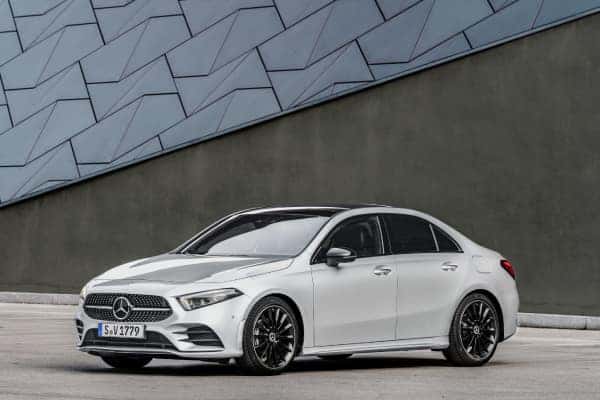
When you hear “Mercedes-Benz,” you probably think of plush leather, glowing ambient lights, and that quiet confidence that comes from driving a premium badge. But beneath the gloss, there’s a question every buyer asks sooner or later: Is the Mercedes-Benz A-Class actually reliable?
We’ve all been there—staring at a used listing, heart racing, brain whispering, “What if it becomes a money pit?” Let’s unpack the truth. We’ll walk through generations, engines, tech, real-world ownership, and the little gremlins that show up over time. No sugarcoating. Just a clear-eyed look at whether the A-Class is a smart long-term companion or a charming diva.
Content in this publication
- Why Reliability Matters More in a Premium Hatchback
- A-Class Generations at a Glance
- Engine Reliability: The Heart of the Matter
- Transmission: Smooth… Until It Isn’t
- Electronics: The Double-Edged Sword
- Interior Durability
- Real-World Reliability Scores
- Common Mercedes A-Class Problems
- How Long Does an A-Class Last?
- Maintenance: The Make-or-Break Factor
- Is the A-Class Expensive to Own?
- Who Should Buy an A-Class?
- Reliability by Use Case
- Our Verdict on Mercedes-Benz A-Class Reliability
- Closing Thoughts
- FAQs
A budget car can misbehave and we shrug. A premium car misbehaves and we wince—because every repair feels like it’s priced in gold bars.
With the A-Class, buyers expect:
- Smooth daily driving
- Low stress ownership
- Reasonable maintenance for a luxury badge
- Longevity beyond the warranty
The real question isn’t “Does it ever break?”—all cars do. The question is whether the A-Class breaks often, expensively, or unexpectedly.
A-Class Generations at a Glance
First & Second Gen (W168/W169 – 1997–2012)
These early models built the A-Class reputation—sometimes unfairly.
- Known for quirky engineering
- Early models had stability issues
- Electrical faults were common
- Interior wear showed quickly
They’re now mostly budget cars. Reliability is okay if well maintained, but age is the enemy.
Third Gen (W176 – 2012–2018)
This is where things changed.
- Sportier design
- Better engines
- More solid build quality
- Improved electronics
For many, this is the “sweet spot” in used markets.
Fourth Gen (W177 – 2018–Present)
Modern, tech-heavy, and packed with features:
- MBUX infotainment
- Digital dashboards
- Turbocharged engines
- Driver assistance systems
It feels like a spaceship—but more tech means more potential failure points.
Engine Reliability: The Heart of the Matter
Petrol Engines
Most A-Class petrol engines are small, turbocharged units:
- A180 / A200: 1.3L turbo
- A220 / A250: 2.0L turbo
Strengths:
- Smooth power delivery
- Good fuel economy
- Strong performance for size
Weaknesses:
- Turbo stress if poorly maintained
- Carbon buildup on direct injection
- Coil pack and sensor failures
With regular oil changes, these engines often surpass 120,000–150,000 miles without major surgery.
Diesel Engines
Popular in Europe:
- A180d / A200d: 1.5L–2.0L units
Pros:
You may be interested in reading Mercedes A-Class Years to Avoid: A Buyer’s Survival Guide
- Excellent longevity
- Strong fuel economy
- Ideal for motorway drivers
Cons:
- EGR valve clogging
- DPF regeneration issues
- Glow plug failures
Diesels reward long journeys. Short trips can turn them into grumpy beasts.
Transmission: Smooth… Until It Isn’t
Most A-Class models use a dual-clutch automatic (DCT).
What It Does Well
- Quick gear changes
- Sporty feel
- Efficient
What Can Go Wrong
- Jerky low-speed behavior
- Mechatronic unit failures
- Clutch wear in traffic-heavy use
Manual gearboxes tend to be more robust long-term. Automatics aren’t unreliable—but they demand proper servicing.
Electronics: The Double-Edged Sword
The A-Class shines here… and sometimes stumbles.
Common issues include:
- Infotainment freezing
- Parking sensors failing
- Warning lights without real faults
- Software glitches
These are rarely catastrophic—but they’re annoying. Think of them like digital hiccups rather than heart attacks.
Interior Durability
Luxury doesn’t always mean indestructible.
Over time, owners report:
- Worn seat bolsters
- Scratched piano-black trim
- Peeling steering wheel coatings
- Loose door handles
None stop the car—but they chip away at that “new Mercedes” feeling.
Real-World Reliability Scores
Across owner surveys and long-term tests:
- Older A-Class models rank average
- W176 models score above average
- W177 models score good but mixed
The pattern is clear: newer A-Class cars are better built, but also more complex.
Common Mercedes A-Class Problems
Engine & Drivetrain
- Oil leaks from seals
- Turbo actuator issues
- Rough idle from dirty injectors
Electrical
- Battery drain
- Faulty sensors
- Infotainment resets
Suspension
- Worn bushings
- Noisy shocks
- Premature tire wear
These are typical “modern car” issues—not fatal flaws.
How Long Does an A-Class Last?
With proper care:
- 150,000 miles is realistic
- Many exceed 180,000 miles
- Diesel variants often go further
Neglect, skipped services, and cheap parts shorten its life dramatically.
Maintenance: The Make-or-Break Factor
Reliability is often earned, not gifted.
Keys to Longevity
- Oil changes every 7–10k miles
- Genuine or OEM filters
- Regular gearbox servicing
- Software updates
- Cooling system checks
Treat it like a premium car, and it behaves like one. Treat it like a bargain hatchback, and it rebels.
You may be interested in readingMercedes A-Class Years to Avoid: A Buyer’s Survival GuideYou may be interested in reading
 Mercedes-Benz A-Class CO₂ Emissions: What Your Hatchback Really Leaves Behind
Is the A-Class Expensive to Own?
Compared to rivals:
| Car | Ownership Cost |
|---|---|
| Audi A3 | Similar |
| BMW 1 Series | Slightly higher |
| VW Golf | Lower |
| Ford Focus | Much lower |
The A-Class isn’t cheap—but it’s not outrageous either.
Who Should Buy an A-Class?
It’s perfect if you:
- Want premium feel in a compact size
- Drive mainly urban or mixed routes
- Enjoy technology and comfort
- Can follow maintenance schedules
It’s less ideal if you:
- Skip services
- Drive only short diesel trips
- Want “set and forget” ownership
Reliability by Use Case
Daily Commuter
Reliable and comfortable.
First Car
Great safety, but repair costs may sting.
Family Runabout
Adequate, though rear space is limited.
Long-Distance Cruiser
Diesel models excel here.
Our Verdict on Mercedes-Benz A-Class Reliability
The A-Class is like a finely tuned watch. It’s precise, elegant, and satisfying—if you respect it.
It’s not fragile. It’s not bulletproof. It’s balanced.
Think of it as a well-trained athlete: give it the right fuel, rest, and care, and it’ll perform beautifully for years. Neglect it, and it’ll remind you—often and expensively—that it deserves better.
Closing Thoughts
The Mercedes-Benz A-Class isn’t just about prestige. It’s about living with a compact car that feels special every day. Reliability has improved dramatically across generations, and modern models are genuinely solid.
It’s not the cheapest relationship you’ll ever have—but it can be one of the most rewarding.
FAQs
1. Is the Mercedes A-Class reliable long-term?
Yes, especially models from 2013 onward. With regular maintenance, they commonly exceed 150,000 miles.
2. Are A-Class repairs expensive?
More than mainstream hatchbacks, but comparable to Audi A3 or BMW 1 Series.
3. Which A-Class engine is most reliable?
The 1.5L and 2.0L diesels are known for longevity. Petrol engines are reliable with frequent oil changes.
4. Do A-Class automatics fail often?
Not often, but neglected servicing can lead to expensive transmission issues.
You may be interested in readingMercedes A-Class Years to Avoid: A Buyer’s Survival GuideYou may be interested in reading
Mercedes-Benz A-Class CO₂ Emissions: What Your Hatchback Really Leaves BehindYou may be interested in reading
 Does Mercedes A-Class Have a Renault Engine? The Truth, Without the Myths
5. Is the A-Class good as a used car?
Absolutely—if it has a full service history and clean diagnostics.
If you want to know other articles similar to Mercedes-Benz A-Class Reliability: Can Luxury Stay Dependable? you can visit the category Blog.
Volvo XC60 Quality: A Deep Dive Into Premium Craftsmanship and Everyday Excellence
Volvo XC60 Reliability by Year: The Complete Owner’s Guide
Which Ford Kuga Engine Is Best? The Ultimate Buyer’s Guide
Pros and Cons Mazda CX-30: The Real-World Ownership Breakdown
Peugeot 308 Years to Avoid: The Ultimate Buyer’s Guide
Dacia Duster Reliability: The Real Story Behind This Budget SUV
Leave a Reply
More content of your interest