

Nissan Leaf Battery Upgrade: The Complete Long-Range, Cost-Smart Owner’s Guide

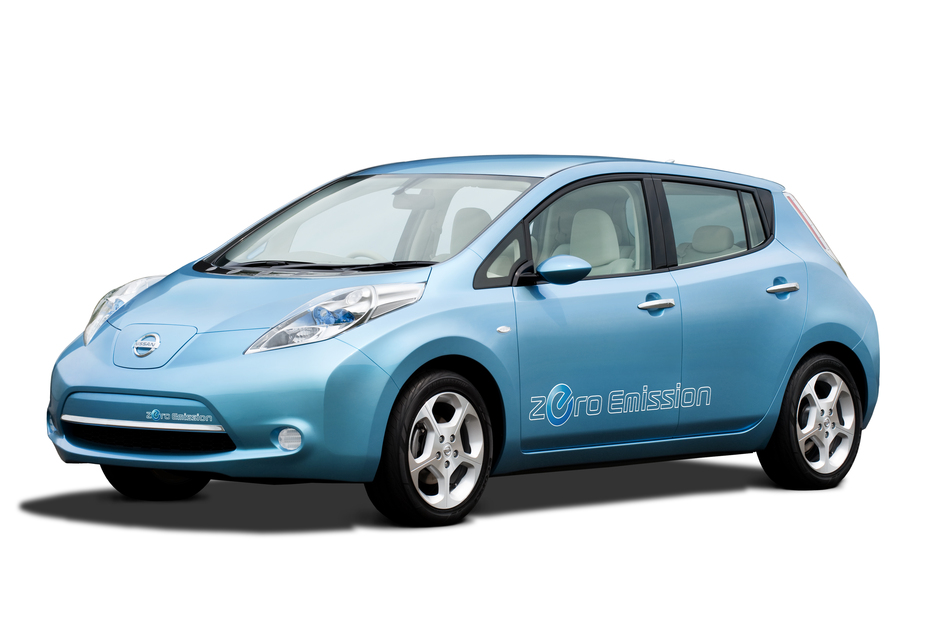
Upgrading the Nissan Leaf’s battery is one of those decisions that can turn a good EV into a great one. As Leaf owners, we know how quickly we fall in love with its smooth drive, silent power delivery, and wallet-friendly running costs. But we also know another truth: range rules everything. And when a factory pack begins to show its age, many of us start thinking, What if I could squeeze more miles out of this thing?
In this all-encompassing guide, we break down everything you need to know before investing in a Nissan Leaf battery upgrade—from costs and compatibility to installation steps, performance gains, long-term value, and what kind of range improvements you can realistically expect.
Let’s dive deep, simplify the complex, and make you feel confident about your upgrade path.
Content in this publication
- Understanding Why Nissan Leaf Owners Upgrade the Battery
- Which Nissan Leaf Models Support Battery Upgrades?
- Compatible Battery Pack Options for the Leaf
- How Much Range Will You Gain?
- Cost of Nissan Leaf Battery Upgrades
- Signs Your Nissan Leaf Needs a Battery Upgrade
- What Tools and Software Are Needed for an Upgrade?
- The Nissan Leaf Battery Upgrade Process Explained
- How Long Does the Battery Upgrade Take?
- Does Upgrading Void Nissan Warranty?
- Performance Improvements After Upgrading
- Battery Upgrade vs. Buying a Newer Leaf
- How to Maintain Your Upgraded Battery for Maximum Life
- Is the 62 kWh Upgrade Worth It?
- Final Verdict: Should You Upgrade Your Nissan Leaf Battery?
- FAQs
Understanding Why Nissan Leaf Owners Upgrade the Battery
Battery upgrades aren’t just a niche EV hack—they’re becoming mainstream among Leaf owners worldwide. And the reasons are surprisingly common:
Range Degradation Over Time
Lithium-ion batteries age. Even with good maintenance, a 24 kWh Leaf commonly loses 15–25% capacity after 8–10 years. Daily usability begins to shrink, especially for commuters.
Need for More Practical Range
A stock 24 kWh Leaf might offer:
- 60–80 miles real-world range (age dependent)
A 40 or 62 kWh upgrade pushes this dramatically higher.
Improved EV Infrastructure
As charging stations become widespread, having a larger battery makes long trips suddenly viable.
Cost-Effective vs. Buying a New EV
Upgrading a battery is often cheaper than buying a newer Leaf or another electric car.
Which Nissan Leaf Models Support Battery Upgrades?
Almost every Leaf can be upgraded, but some are more “plug-and-play” than others.
First-Generation Leaf (2011–2017)
These are the most commonly upgraded models. Owners often replace:
- 24 kWh → 30 kWh
- 24 kWh → 40 kWh
- 24 kWh → 62 kWh
With proper adapters and firmware updates, the process is well documented and widely supported.
Second-Generation Leaf (2018–present)
Upgrades are possible but generally more expensive because:
- Packs use different architecture
- Wiring harnesses differ
- Advanced thermal management is integrated
However, you can upgrade:
- 40 kWh → 62 kWh
- 40 kWh → newer-generation 40 kWh packs
Compatible Battery Pack Options for the Leaf
Here’s a quick breakdown of the most popular upgrade paths:
24 kWh to 30 kWh
- Easiest upgrade
- Minimal software adjusting
- Typically adds 15–25 extra miles
24 kWh to 40 kWh
- Most balanced upgrade
- Excellent longevity
- Real-world range: 140–150 miles in good packs
24 kWh to 62 kWh
- Premium choice
- Ideal for long-range driving
- Real-world range: 200–225 miles
40 kWh to 62 kWh (Second-Gen)
- Direct but costlier upgrade
- Perfect for highway commuters
- Substantial resale value bump
How Much Range Will You Gain?
Here’s what most Leaf owners can expect after installation:
| Battery Size | Estimated Real-World Range | Who It's Best For |
|---|---|---|
| 30 kWh | 100–115 miles | Urban drivers, short commuters |
| 40 kWh | 140–150 miles | Balanced users who want flexibility |
| 62 kWh | 200–225 miles | Long-distance drivers, rural owners |
Upgrade wisely, and your Leaf becomes a different car—quiet, capable, and practically stress-free.
Cost of Nissan Leaf Battery Upgrades
Let’s talk numbers—because practicality matters.
You may be interested in reading Nissan Leaf Handbrake Release: The Complete Guide for Every Driver
Typical Prices (Including Installation)
- 30 kWh: $3,000–$4,000
- 40 kWh: $5,000–$7,000
- 62 kWh: $8,000–$12,000
Prices vary depending on:
- Region
- Shop expertise
- Battery age and health
- Warranty options
DIY vs. Professional Installation
You can perform a DIY swap if you’re mechanically savvy. But because:
- High-voltage packs are dangerous
- Firmware updates are delicate
- Mounting needs precision
—we strongly recommend professional installers.
Signs Your Nissan Leaf Needs a Battery Upgrade
Before going all-in, confirm that your pack is really showing its age.
Common Symptoms
- Noticeable drop in range
- “Turtle mode” activating more often
- More frequent charging needed
- Capacity bars dropping on the dash
- Sluggish acceleration under load
If 1–2 symptoms appear together, your battery is signaling retirement.
What Tools and Software Are Needed for an Upgrade?
While pros handle most of this, it’s useful to know what’s involved.
Essential Tools
- High-voltage safety gloves
- Hydraulic lift or jack setup
- Torque wrenches
- HV disconnect tools
Software (for firmware updates)
- LeafSpy Pro
- CAN bridge
- OBDII interfaces
The software ensures your Leaf “recognises” the new battery as if it were original.
The Nissan Leaf Battery Upgrade Process Explained
Let’s break it down so you understand what happens under the car.
Step-By-Step Installation Process
Step 1 — Diagnostic Check
Technicians read the Leaf’s:
- State of health (SOH)
- Cell voltage
- Firmware version
- Error log
Step 2 — HV System Shutdown
High-voltage is isolated to make the vehicle safe.
Step 3 — Battery Removal
The old pack is unbolted and lowered from the chassis.
Step 4 — Wiring Adaptation
Depending on model:
- CAN bridges installed
- BMS software updated
- Wiring harnesses adjusted
Step 5 — New Battery Installation
The upgraded pack is mounted and secured with factory torque specs.
Step 6 — BMS Configuration
Software is calibrated so:
- Range estimates are accurate
- Dash indicators match new capacity
Step 7 — Road Test
Technicians verify:
- Regeneration works
- Rapid charging behaves correctly
- No heat issues or HV faults appear
How Long Does the Battery Upgrade Take?
On average:
- Install only: 4–7 hours
- Software + wiring: 2–4 additional hours
Total same-day service is common.
Does Upgrading Void Nissan Warranty?
Depending on region, the answer is usually:
You may be interested in readingNissan Leaf Handbrake Release: The Complete Guide for Every DriverYou may be interested in reading
 Nissan Leaf Key Fob Battery: The Complete Guide We All Needed
- Yes, if the car is still under battery warranty
- No issue, if the warranty already expired
Nissan rarely supports aftermarket upgrades officially.
Performance Improvements After Upgrading
The difference is immediate—and addictive.
Enhanced Acceleration
Bigger packs provide:
- Better voltage stability
- More consistent output
Acceleration feels stronger and more responsive.
Better Rapid Charging Behaviour
Newer packs tend to:
- Accept quicker charging
- Suffer less heat stress
- Maintain performance across seasons
Less Range Anxiety
Likely the best benefit—you simply stop worrying.
Battery Upgrade vs. Buying a Newer Leaf
Let’s compare your options:
Battery Upgrade Pros
- Much cheaper
- Keeps your familiar car
- No taxes, registration fees, or dealer markup
- Large range boost
Cons
- Upfront investment
- Warranty considerations
Buying a Newer Leaf Pros
- Newer tech and safety features
- Modern cooling systems
Cons
- Higher cost
- Faster depreciation
- May not offer double the range at a reasonable price
For many owners, upgrading is the smarter move financially.
How to Maintain Your Upgraded Battery for Maximum Life
Think of your new pack as something you want to “age gracefully.”
Best Practices
- Keep charge between 20–80% for daily driving
- Limit rapid DC charging
- Avoid heavy acceleration on low charge
- Don’t park at 100% on hot days
- Use scheduled charging overnight
Small habits deliver years of extra life.
Is the 62 kWh Upgrade Worth It?
In our opinion: absolutely—if you value range.
Why the 62 kWh Pack Stands Out
- High energy density
- Reduced degradation
- Significantly better long-trip performance
If you keep your Leaf long-term, this upgrade pays for itself in flexibility.
Final Verdict: Should You Upgrade Your Nissan Leaf Battery?
If you love your Leaf and want to extend its usefulness, eliminate range anxiety, and dramatically increase reliability—yes, a battery upgrade is one of the best investments you can make.
You transform your EV into a long-range machine that competes with much newer models.
When done right, the upgrade is safe, cost-effective, and yields immediate, long-lasting benefits.
FAQs
1. Can any Nissan Leaf be upgraded to a bigger battery?
Most models can, especially 2011–2017 Leafs. Second-gen Leafs also support upgrades with the correct hardware.
2. How long does an upgraded Leaf battery last?
Most newer packs easily last 8–12 years, depending on driving habits and charging routines.
3. Is a 62 kWh upgrade safe?
Yes. When installed professionally, the pack integrates safely with the Leaf’s power electronics.
You may be interested in readingNissan Leaf Handbrake Release: The Complete Guide for Every DriverYou may be interested in reading
Nissan Leaf Key Fob Battery: The Complete Guide We All NeededYou may be interested in reading
 Nissan LEAF Tire Sizes: Complete Guide by Model Year, Codes, Specs & Wheel Fitment
4. Does a bigger battery improve Leaf resale value?
Absolutely—upgraded Leafs sell significantly faster and at higher prices.
5. Will charging times increase with a larger battery?
Charging sessions are longer, but newer packs typically support faster DC rates, balancing things out.
If you want to know other articles similar to Nissan Leaf Battery Upgrade: The Complete Long-Range, Cost-Smart Owner’s Guide you can visit the category Service and Parts.
How to Reset Volvo XC60 Infotainment System: The Complete Practical Guide
Volvo XC60 Gearbox Oil Change: The Complete Expert Guide
Volvo XC60 Engine Management Light: Causes, Fixes, and What It Really Means

Skoda Kamiq Size Comparison: Dimensions, Space & Real-World Practicality
Volvo XC60 Headlight Adjustment for Europe: The Complete Practical Guide
Volvo XC60 City Safety Service Required: What It Means, Causes, and Fixes
Leave a Reply
More content of your interest