

Nissan Leaf Boot Space: Complete Practical Guide to Cargo Capacity & Everyday Usability

Content in this publication
- Understanding the Nissan Leaf’s Real-World Boot Space
- Why Boot Space Matters More Than Ever
- Nissan Leaf Boot Space: Quick Overview Table
- First-Generation Nissan Leaf Boot Space (2011–2017)
- Second-Generation Nissan Leaf Boot Space (2018–present)
- Seats-Down Capacity: The Hidden Advantage
- Boot Space Shape: What Fits and What Doesn’t
- Nissan Leaf Boot Loading Height
- Under-Floor Storage: Is There Any?
- Does the Nissan Leaf Have a Frunk?
- Comparing the Leaf Boot Space to Rival EVs
- Practical Family Use: How the Leaf Performs Daily
- Traveling with Pets: Is the Boot Pet-Friendly?
- Boot Space and the Leaf’s Weight Distribution
- Boot Accessories to Maximize Space
- Real-World User Experience: What Owners Say
- Our Verdict: Is the Nissan Leaf’s Boot Space Good?
- FAQs
Understanding the Nissan Leaf’s Real-World Boot Space
When we talk about the Nissan Leaf, conversations often orbit around range, charging, and battery tech. But let’s be honest—boot space is one of the most decisive practicality factors. Whether we’re planning a family weekend escape, hauling groceries, managing daily commutes, or squeezing in that awkward IKEA box we swore would fit, cargo capacity matters.
In this guide, we break down every dimension, every generation, every quirk, and—more importantly—how the Leaf’s boot space performs in the real world. Think of this as the cargo-geek deep dive we all wish existed when comparing electric hatchbacks.
Why Boot Space Matters More Than Ever
Before diving into numbers, we should acknowledge why boot capacity is such a big deal today:
- EVs often have raised floors due to battery placement.
- Many electric hatchbacks sacrifice depth for aerodynamic design.
- Families want one car that can do everything.
- Urban drivers rely on hatchbacks for versatility.
So yes, boot space is not just a number—it’s daily convenience wrapped in litres.
Nissan Leaf Boot Space: Quick Overview Table
To get our bearings, here’s the snapshot:
| Nissan Leaf Version | Boot Capacity (Seats Up) | Boot Capacity (Seats Down) |
|---|---|---|
| 1st Gen (2011–2017) | 370 litres | 720–850 litres |
| 2nd Gen (2018–present) | 435 litres | 1,176 litres |
These numbers already indicate something interesting: the newer Leaf gives us more room than before, especially in width and depth.
First-Generation Nissan Leaf Boot Space (2011–2017)
Dimensions & Layout
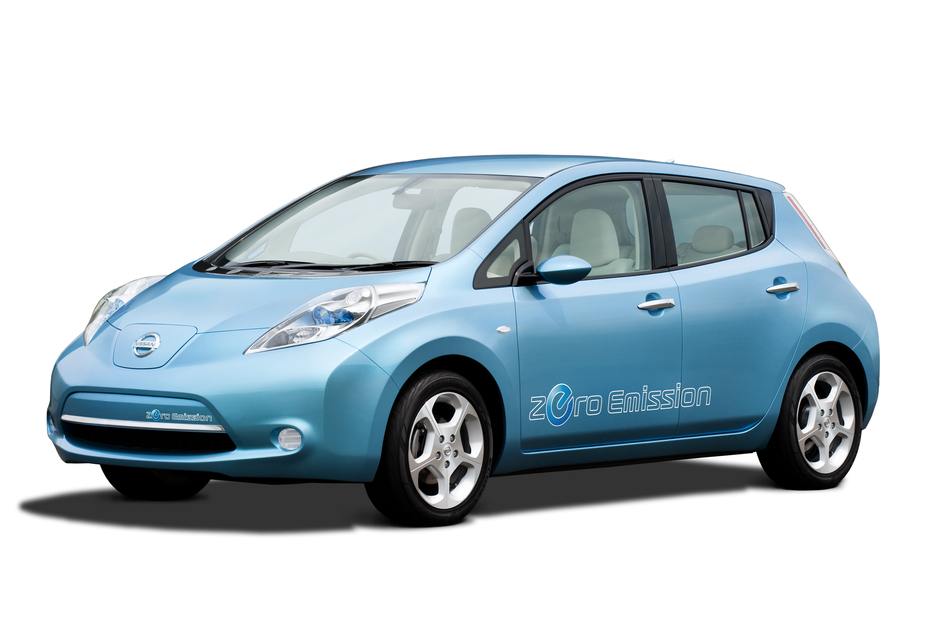
Let’s start with the OG Leaf. The first generation offered 370 litres, which at the time competed surprisingly well with petrol hatchbacks.
Key characteristics:
- A relatively high boot floor due to battery packaging
- Narrower boot opening compared to the second generation
- Less depth toward the rear seats
- Noticeable intrusion from the audio system in higher trims (Bose subwoofer)
Everyday Usability
Despite the limitations, this version handles:
- 4–5 medium grocery bags
- Cabin luggage plus backpacks
- A folded stroller (compact models)
- Sports equipment (football gear, tennis bags, etc.)
But taller items were trickier because of the sloped tailgate and higher base.
Second-Generation Nissan Leaf Boot Space (2018–present)
Why It Improved
The new generation improved to 435 litres, thanks to:
- Better battery positioning
- Reworked rear suspension
- Wider, squarer boot aperture
- Smarter vertical space usage
Real-World Cargo Performance
This is where things feel genuinely more practical:
- Fit three cabin suitcases with room for soft bags
- Accommodate a buggy stroller effortlessly
- Store weekly family groceries with ease
- Load larger boxes thanks to the improved vertical clearance
We like to think of this boot as the “TARDIS moment”—looks modest on the outside, deceivingly spacious inside.
Folding the rear seats expands cargo space massively.
You may be interested in reading Nissan Leaf Battery Size: Complete Guide to Capacities, Range, and Real-World Performance
1st Gen: 720–850 litres
Great for:
- IKEA trips
- Camping gear
- Bicycles (front wheels removed)
2nd Gen: Up to 1,176 litres
A genuine game-changer that can swallow:
- A full-size bicycle
- Large suitcases
- Bulky gym equipment
- Flat-pack furniture
While the floor isn’t completely flat, the extended height and length compensate brilliantly.
Boot Space Shape: What Fits and What Doesn’t
Boot space is about shape as much as capacity. Here’s the breakdown.
What Fits Easily
- Two medium suitcases plus soft bags
- Baby strollers
- Pet carriers
- Weekly shopping
- Musical instruments like guitars or compact keyboards
What May Struggle
- Very tall items (due to sloping tailgate)
- Large baby prams (without removing wheels)
- Wide-width sports gear (snowboards >150cm)
Nissan Leaf Boot Loading Height
Loading height matters—especially if we’re lifting heavier items.
1st Gen Loading Feel
Slightly higher load lip results in:
- More lift effort
- Less convenience for elderly users
2nd Gen Improvements
The newer Leaf reduces the effort thanks to:
- Lower load lip
- Larger tailgate opening
- More squared interior
This makes the second generation significantly better for families.
Under-Floor Storage: Is There Any?
EVs often use every millimeter of space, so under-floor storage is limited.
1st Gen
- Limited space
- Often occupied by charging cables
2nd Gen
- Slightly more usable
- Still not enough for large gear
- Best for small tools, repair kits, cable bags
Does the Nissan Leaf Have a Frunk?
Short answer: No.
Unlike Tesla models, the Leaf does not include a front trunk because its motor and inverter occupy the entire front bay.
While disappointing for storage enthusiasts, the rear boot remains generous for its class.
Comparing the Leaf Boot Space to Rival EVs
Competition in the electric hatchback segment is fierce. Let’s examine how the Leaf stacks up.
Vs Renault Zoe
- Zoe: ~338 litres
- Leaf: 435 litres
Winner: Leaf by a wide margin
Vs VW ID.3
- ID.3: ~385–390 litres
- Leaf: 435 litres
Winner: Leaf
Vs MG4 EV
- MG4: ~363 litres
- Leaf: 435 litres
Winner: Leaf
Vs Hyundai Kona Electric
- Kona: ~332 litres
- Leaf: 435 litres
Winner: Leaf
The Leaf consistently offers one of the best boot capacities in the EV hatchback segment.
You may be interested in readingNissan Leaf Battery Size: Complete Guide to Capacities, Range, and Real-World PerformanceYou may be interested in reading
 Nissan Leaf Charge Time: The Complete, No-Nonsense Guide for Every EV Driver
Practical Family Use: How the Leaf Performs Daily
Boot space alone doesn’t make a family car—but the Leaf gets a lot right.
Family-Friendly Features
- Wide opening for strollers
- Enough depth for diaper bags & luggage
- Plenty of room for grocery hauls
- Excellent rear seat fold-down capacity
What We’d Love to See
- Flat-folding seats
- Optional sliding rear seats
- A slightly higher roofline for tall items
Traveling with Pets: Is the Boot Pet-Friendly?
For dog owners, this matters.
Advantages
- Square-ish shape
- Room for medium to large dogs
- Easy step-in angle for pets
Considerations
- No factory-fitted dog guard
- Sloping window restricts headroom for tall breeds
- Fabric materials benefit from protective linings
Boot Space and the Leaf’s Weight Distribution
You don’t hear this often, but loading the Leaf affects handling differently than petrol hatchbacks.
Because EVs Have Heavy Battery Packs
Weight distribution stays stable even with a loaded boot.
This means:
- Less rear-end sag
- More predictable handling
- Comfortable ride even with maximum luggage
Boot Accessories to Maximize Space
A few smart accessories can turn good cargo space into great cargo space.
Recommended Add-Ons
- Cargo nets
- Hard floor liners
- Vertical dividers
- Collapsible storage boxes
- Boot lip protectors
These solutions keep gear secure, prevent rolling bags, and protect the carpet.
Real-World User Experience: What Owners Say
We’ve studied countless owner reviews, and a pattern emerges.
Positive Feedback
- Surprising space for an EV
- Easy for daily use
- Excellent seats-down capacity
Areas for Improvement
- No frunk
- Some trims have audio equipment taking up space
- Slanted tailgate limits tall items
Overall, owners praise the Leaf for practicality relative to its size.
Our Verdict: Is the Nissan Leaf’s Boot Space Good?
Absolutely—yes.
The Leaf offers one of the largest and most usable boot spaces in its class, especially in the second-generation model. While it’s not SUV-level spacious, it beats most EV hatchbacks and even rivals some petrol compact cars.
If practical space matters—and it usually does—the Leaf deserves a high ranking in your shortlist.
FAQs
1. Is the Nissan Leaf boot space good for families?
Yes—especially the second generation. It fits a stroller, multiple suitcases, and weekly groceries with ease.
2. Can I load a bicycle into the Nissan Leaf?
Yes, with the rear seats folded down. Most bikes fit without wheels; larger ones may need front-wheel removal.
3. Does the Nissan Leaf have space for a dog?
Medium and large dogs fit comfortably, though tall dogs may brush the slanted rear glass.
You may be interested in readingNissan Leaf Battery Size: Complete Guide to Capacities, Range, and Real-World PerformanceYou may be interested in reading
Nissan Leaf Charge Time: The Complete, No-Nonsense Guide for Every EV DriverYou may be interested in reading
 The Complete Nissan Leaf Dashboard Warning Lights Guide (2011–2024)
4. Is the Leaf’s boot larger than the VW ID.3?
Yes. At 435 litres, the Leaf outperforms the ID.3’s cargo capacity.
Limited, but the second generation offers slightly more under-floor space for cables or small tools.
If you want to know other articles similar to Nissan Leaf Boot Space: Complete Practical Guide to Cargo Capacity & Everyday Usability you can visit the category Service and Parts.
How to Reset Volvo XC60 Infotainment System: The Complete Practical Guide
Volvo XC60 Gearbox Oil Change: The Complete Expert Guide
Volvo XC60 Engine Management Light: Causes, Fixes, and What It Really Means
Skoda Kamiq Size Comparison: Dimensions, Space & Real-World Practicality
Volvo XC60 Headlight Adjustment for Europe: The Complete Practical Guide
Volvo XC60 City Safety Service Required: What It Means, Causes, and Fixes
Leave a Reply
More content of your interest