

Nissan Leaf Charge Time: The Complete, No-Nonsense Guide for Every EV Driver

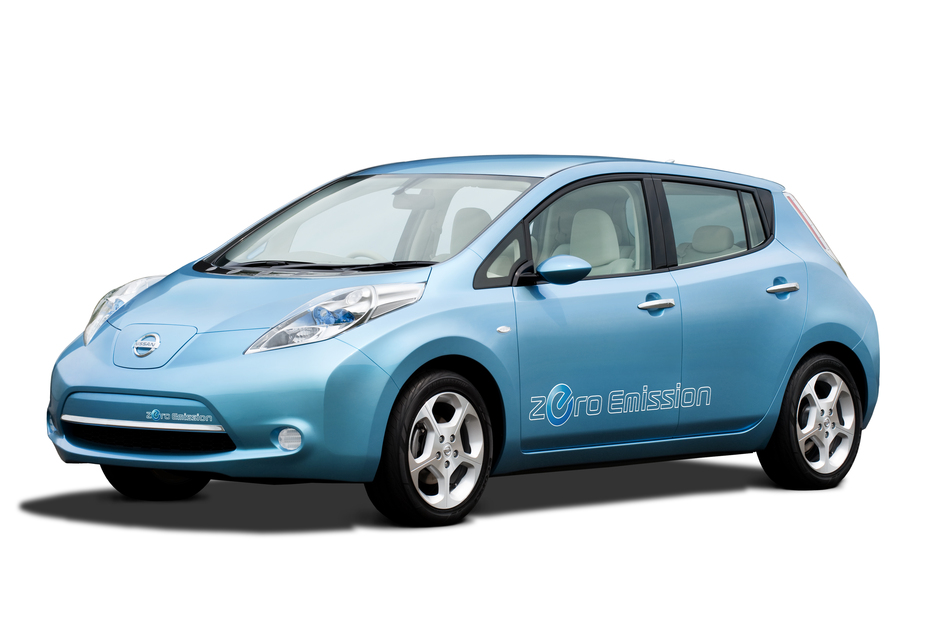
Electric cars have changed how we think about mobility, and if there’s one model that reshaped the EV world more than most, it’s the Nissan Leaf. Yet even with its widespread popularity, one question continues to dominate online searches, EV forums, and real-world conversations: How long does a Nissan Leaf take to charge?
We get it. Charging time determines your rhythm—your commute, your errands, your weekend escapes. That’s exactly why we crafted this deep and refreshingly human-sounding guide. In these pages, we’ll unpack the Nissan Leaf charge time across every charger type, driving scenario, battery size, model year, and real-world variable that can impact your day.
Let’s dive in, breathe some clarity into the chaos, and—who knows—maybe even laugh a bit along the way.
Content in this publication
- Understanding Nissan Leaf Charge Time at a Glance
- How Nissan Leaf Battery Sizes Influence Charge Time
- The Three Charging Levels and Their Real-World Impact
- Level 1 Charging (120V): Slow and Steady at Home
- Level 2 Charging (240V): The Sweet Spot for Most Leaf Owners
- DC Fast Charging (CHAdeMO): The Speed Demon
- How Temperature Affects Nissan Leaf Charge Time
- Charger Power Ratings: The Hidden Variable No One Talks About
- How State of Charge (SOC) Changes Charging Speed
- Nissan Leaf Charge Time by Battery Size (Detailed Breakdown)
- Is DC Fast Charging Safe for Nissan Leaf Batteries?
- How Real Driving Habits Influence Charge Time
- Home Charging Tips to Reduce Charge Time
- Public Charging Tips to Charge Faster
- Comparing Nissan Leaf Charge Time to Other EVs
- Nissan Leaf Charge Time: A Practical Charging Strategy
- Closing Thoughts
- FAQs
Understanding Nissan Leaf Charge Time at a Glance
Before we break everything down, here’s the quick cheat-sheet:
- Level 1 (120V): 20–35 hours
- Level 2 (240V): 5–10 hours
- DC Fast Charging (CHAdeMO): 30–60 minutes (to ~80%)
But trust us—there’s so much more behind those numbers.
How Nissan Leaf Battery Sizes Influence Charge Time
Different model years come with different battery packs, and bigger packs take longer to charge—simple logic, but crucial.
Battery Options Over the Years
- 24 kWh (2011–2016): The original Leaf battery
- 30 kWh (2016–2017): Slight upgrade, better range
- 40 kWh (2018–present): The standard modern Leaf
- 62 kWh (Leaf Plus models, 2019–present): Long-range champion
A larger battery = longer charge. But don’t forget: bigger packs also support higher charging speeds.
The Three Charging Levels and Their Real-World Impact
Electric charging isn’t “one size fits all.” Let’s break down the charging levels in a way that feels like talking to a friend at a café (who just happens to obsess over EV data).
Level 1 Charging (120V): Slow and Steady at Home
If charging speed were a personality type, Level 1 would be the chill friend who shows up late but never apologizes because “you knew who I was.”
Typical Nissan Leaf Charge Time on Level 1
- 24 kWh Leaf: ~20–25 hours
- 30 kWh Leaf: ~26–30 hours
- 40 kWh Leaf: ~30–32 hours
- 62 kWh Leaf Plus: ~32–35 hours
When Level 1 Makes Sense
- You're plugging in overnight and don’t drive much daily
- You want simplicity—no installation, no electrician, just patience
- You're topping up, not filling from 0% every day
Level 1 is the “sip” of electricity—slow but reliable.
Level 2 Charging (240V): The Sweet Spot for Most Leaf Owners
Installing a 240V home charger is the EV version of leveling up in a game. Suddenly, everything becomes smoother.
Typical Nissan Leaf Charge Time on Level 2
- 24 kWh Leaf: ~4–6 hours
- 30 kWh Leaf: ~6–7 hours
- 40 kWh Leaf: ~7.5–8 hours
- 62 kWh Leaf Plus: ~9–10 hours
Why Level 2 is the Ideal Choice
- Fully replenishes the battery overnight
- Much quicker for midday top-ups
- Future-proof if you upgrade to a bigger battery EV later
Think of Level 2 as “drinking from a regular water bottle”—fast enough to keep you active.
DC Fast Charging (CHAdeMO): The Speed Demon
Now we’re entering sports-car territory. DC fast charging pumps power directly into the Leaf’s battery at high voltage. While the Leaf uses the CHAdeMO connector (not the newer CCS), it still supports impressive speeds.
Typical Nissan Leaf Charge Time with DC Fast Charging
- 24 & 30 kWh Leafs: 20–30 minutes (to ~80%)
- 40 kWh Leaf: 40–45 minutes (to ~80%)
- 62 kWh Leaf Plus: 50–60 minutes (to ~80%)
Why DC Fast Charging Rarely Goes to 100%
Above 80%, the battery says, “Whoa there, cowboy,” and slows charging dramatically to protect itself.
Charging from 80% to 100% can take as long as charging from 10% to 80%.
 The Complete Nissan Leaf Dashboard Warning Lights Guide (2011–2024)
How Temperature Affects Nissan Leaf Charge Time
EV batteries are a bit like people—they thrive at moderate temperatures.
Ideal Charging Temperature
Between 20°C and 30°C (68°F–86°F).
Cold Weather Effects
- Slower charging
- Reduced regen braking
- Higher energy consumption
Hot Weather Effects
- Fast charging throttles earlier
- Battery degradation risk increases
The Leaf’s passive cooling system means it’s more affected by heat than some competitors.
Sure, your Leaf might be ready to charge fast—but is the charger?
Common Charger Speeds
- 3.3 kW (older Leafs)
- 6.6 kW (most modern Leafs)
A 6.6 kW onboard charger can double your Level 2 charging speed compared to a 3.3 kW system.
How State of Charge (SOC) Changes Charging Speed
Think of your Leaf’s battery like your phone’s battery:
- The first 60–70% charges quickly.
- The last 20% slows down dramatically.
- Charging from 95% to 100% can feel like watching paint dry.
This isn’t a problem—it’s good battery care.
Nissan Leaf Charge Time by Battery Size (Detailed Breakdown)
24 kWh Nissan Leaf
- Level 1: 20–25 hours
- Level 2: 4–6 hours
- DC Fast Charge: 20–30 min (to 80%)
30 kWh Nissan Leaf
- Level 1: 26–30 hours
- Level 2: 6–7 hours
- DC Fast Charge: 20–30 min (to 80%)
40 kWh Nissan Leaf
- Level 1: 30–32 hours
- Level 2: 7–8 hours
- DC Fast Charge: 40–45 min (to 80%)
62 kWh Nissan Leaf Plus
- Level 1: 32–35 hours
- Level 2: 9–10 hours
- DC Fast Charge: 50–60 min (to 80%)
Is DC Fast Charging Safe for Nissan Leaf Batteries?
Absolutely—when used intelligently.
When Fast Charging Is Fine
- Occasional road trips
- Emergency low-battery situations
- Winter months (batteries warm up with use)
When to Avoid Fast Charging
- Daily commute topping up
- Extremely hot days
- Charging above 80% when you don’t need it
Balance is everything—fast when needed, slow when convenient.
How Real Driving Habits Influence Charge Time
Your own patterns can help define the optimal charging plan.
If You Drive Daily
Top up each night; stay between 30–80%.
If You Drive Occasionally
A Level 1 charger may actually be enough.
If You Road-Trip Often
Choose a Leaf Plus for faster and longer fast-charging cycles.
Home Charging Tips to Reduce Charge Time
Here’s where we trim a few hours off your nightly power-up.
You may be interested in readingThe Complete Nissan Leaf Dashboard Warning Lights Guide (2011–2024)You may be interested in reading
 Nissan Leaf Battery Upgrade: The Complete Long-Range, Cost-Smart Owner’s Guide
- Install a dedicated 240V circuit
- Choose a 40A home EVSE
- Avoid charging right after a long, hot drive
- Turn off cabin preconditioning while charging
- Charge during cooler nighttime temperatures
These small tweaks add up over months and years.
Public Charging Tips to Charge Faster
Public charging isn’t always predictable, so here’s your playbook:
- Choose stations with higher kW ratings
- Avoid chargers with long queues (hot batteries = slower charging)
- Pre-condition your battery by driving before fast charging
- Stop at 80% unless you absolutely need more
Think of it as EV chess—each move counts.
Comparing Nissan Leaf Charge Time to Other EVs
The Leaf sits in the middle of the pack:
Charging Faster Than
- Older Renault Zoe
- Fiat 500e (first generation)
- Mini Electric
Charging Slower Than
- Tesla Model 3 (Supercharging advantage)
- Hyundai Kona Electric
- Kia Niro EV
Still, the Leaf’s affordability + reasonable charging speed make it a strong overall contender.
Nissan Leaf Charge Time: A Practical Charging Strategy
To keep your Leaf happy and your schedule smooth:
- Level 1 → Overnight top-ups
- Level 2 → Daily ideal charging
- DC Fast → Trips and emergencies
- Stay between 30–80% for daily use
- Avoid extreme hot charging sessions
A smart driver is a happy driver.
Closing Thoughts
Charging time isn’t just a number—it’s the rhythm of owning an electric car. The Nissan Leaf offers flexibility: slow and steady when life is quiet, fast and convenient when you’re on the move.
Understanding charge times empowers us to drive smarter, plan better, and squeeze more life (and fun) out of our EV. Whether you're cruising with the classic 24 kWh Leaf or commanding the modern 62 kWh Leaf Plus, the real value lies in knowing how to charge with intention.
The more we understand our Leaf, the more it becomes part of our lifestyle—not just a car, but a companion with its own quirks and strengths.
FAQs
1. How long does a Nissan Leaf take to fully charge at home?
Anywhere from 4 to 10 hours with Level 2, depending on battery size.
2. Can I fast-charge my Nissan Leaf to 100%?
Yes, but it’s not recommended due to heat and battery wear. Stop at 80% unless necessary.
3. Does cold weather increase charging time for the Leaf?
Absolutely. Cold temperatures slow charging and reduce regen braking.
4. Is the Leaf’s CHAdeMO fast charging becoming obsolete?
Somewhat—but CHAdeMO is still widely supported, especially in North America, Japan, and parts of Europe.
You may be interested in readingThe Complete Nissan Leaf Dashboard Warning Lights Guide (2011–2024)You may be interested in reading
Nissan Leaf Battery Upgrade: The Complete Long-Range, Cost-Smart Owner’s GuideYou may be interested in reading
 Nissan Leaf Handbrake Release: The Complete Guide for Every Driver
5. Can I reduce my charging time without upgrading my charger?
Yes—charge overnight, avoid high heat, and keep the battery between 30–80% for daily use.
If you want to know other articles similar to Nissan Leaf Charge Time: The Complete, No-Nonsense Guide for Every EV Driver you can visit the category Service and Parts.
How to Reset Volvo XC60 Infotainment System: The Complete Practical Guide
Volvo XC60 Gearbox Oil Change: The Complete Expert Guide
Volvo XC60 Engine Management Light: Causes, Fixes, and What It Really Means

Skoda Kamiq Size Comparison: Dimensions, Space & Real-World Practicality
Volvo XC60 Headlight Adjustment for Europe: The Complete Practical Guide
Volvo XC60 City Safety Service Required: What It Means, Causes, and Fixes
Leave a Reply
More content of your interest