

Nissan Leaf Service Schedule: The Complete Long-Term Maintenance Guide You Actually Need

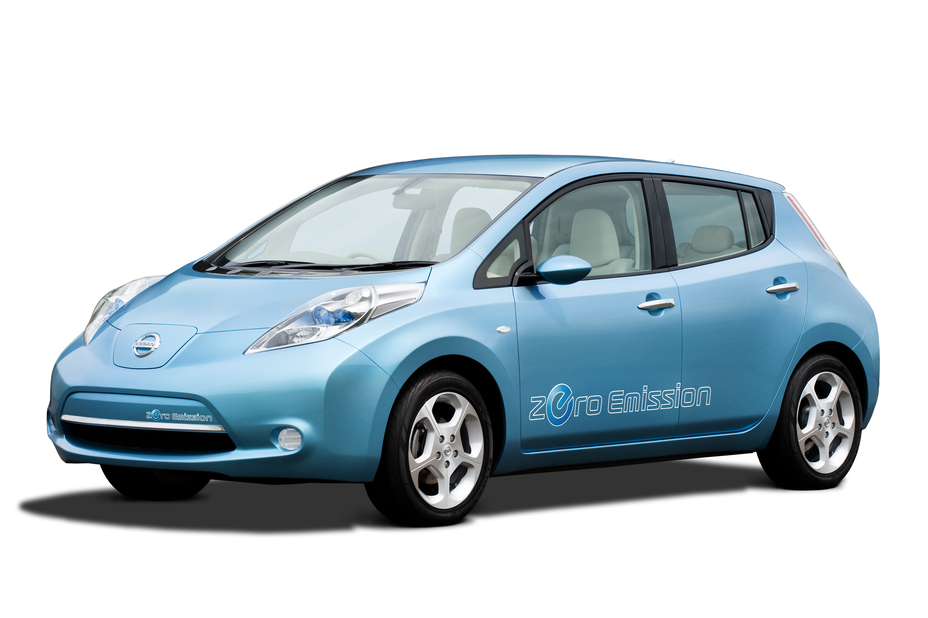
When we drive an electric car like the Nissan Leaf, it’s easy to fall into the comforting idea that “EVs don’t need maintenance.” Sure, they require far less than combustion cars—no oil changes, no timing belts, no spark plugs—but that doesn’t mean we can skip a proper service schedule. In fact, following the right Nissan Leaf service intervals helps the battery last longer, keeps the electrical systems healthy, preserves range, and protects the car’s resale value.
Today, we’re diving deep—really deep—into the full Nissan Leaf service schedule, covering every generation from 2011 onward. Whether you're driving an early ZE0, the improved 30 kWh ZE1, or a newer 40/62 kWh model, this guide breaks down exactly what needs checking and when. We’ll also sprinkle in real-world experience, relatable metaphors, and clear lists so you can bookmark this as your go-to Leaf maintenance manual.
Content in this publication
- Why the Nissan Leaf Still Needs a Service Schedule
- Understanding Nissan Leaf Maintenance Cycles
- Nissan Leaf Every 12 Months / 10,000–15,000 Miles Service
- Nissan Leaf Every 2 Years Service
- Nissan Leaf Every 3 Years Service
- Nissan Leaf Every 4 Years / 40,000–60,000 Miles Service
- Nissan Leaf Every 5 Years Service
- Nissan Leaf Every 6 Years / 60,000–75,000 Miles Service
- Nissan Leaf Every 7–8 Years Service
- Nissan Leaf Every 10 Years / 100,000–120,000 Miles Service
- First-Generation Leaf (2011–2017): ZE0 / AZE0
- Second-Generation Leaf (2018–Present): ZE1
- User-Friendly Tasks
- Tasks to Leave to a Professional
- Pros
- Cons
Why the Nissan Leaf Still Needs a Service Schedule
Electric powertrains are beautifully simple—more like a washing machine motor than a traditional engine. But the Leaf still has:
- Brakes
- Coolant
- Cabin filters
- Suspension
- High-voltage components
- Battery management systems
- Software updates
- Safety-critical parts
Ignoring maintenance is like skipping dentist cleaning because “my teeth don’t hurt”—it works until it doesn’t.
Keeping up with Nissan’s recommended service schedule ensures:
- The HV battery stays healthy long-term
- Brakes remain responsive
- Cooling systems operate efficiently
- Steering and suspension last
- Firmware stays updated
- Warranty compliance remains intact
Understanding Nissan Leaf Maintenance Cycles
Nissan structures Leaf service intervals by:
- Time: every 12 months
- Mileage: every 10,000–15,000 miles (varies by region)
For most drivers, the annual service is what truly matters.
The Full Nissan Leaf Service Schedule (All Model Years)
Below you’ll find the complete, highly detailed Nissan Leaf service schedule, broken down by major intervals. Each section is written for easy scanning and practical use.
Nissan Leaf Every 12 Months / 10,000–15,000 Miles Service
This is the essential “annual checkup”—think of it as your Leaf’s health screening.
What Gets Checked
- HV battery health report – The dealer prints a State of Health (SOH) report.
- Brake fluid level and condition
- Cabin air filter inspection/replacement
- Tyre wear, pressure, and rotation
- Suspension and steering checks
- Coolant level (motor and inverter)
- Windshield wipers and screen wash
- 12V auxiliary battery test
- Firmware/software updates
- Charging port, seals, and connectors
Why It Matters
Like a yearly physical exam, this service catches issues early—especially battery degradation or coolant leaks.
Nissan Leaf Every 2 Years Service
Brake Fluid Replacement
Brake fluid absorbs moisture over time, even in an EV.
Nissan specifies a 2-year interval, and it’s essential for braking performance.
In-Cabin Microfilter Replacement
A clogged filter makes the HVAC work harder, impacting range—yes, really.
Detailed EV System Scan
Dealers run extended diagnostics, checking:
- HV relays
- Inverter efficiency
- Battery cooling logic
- High-voltage insulation resistance
This service keeps the Leaf electrically “in tune.”
Nissan Leaf Every 3 Years Service
Key Focus Areas
- Brake pads and discs inspection
Leaf drivers often experience rust buildup on brake discs due to regenerative braking.
Every three years is a great checkpoint for: - corrosion
- uneven wear
- sticking calipers
Chassis and Body Corrosion Check
Especially important in snowy/salty climates.
Nissan Leaf Every 4 Years / 40,000–60,000 Miles Service
This is the “bigger” service interval.
Coolant Inspection and Replacement (Depending on Model Year)
Earlier models required coolant changes around this time.
Newer ones extend intervals up to 10 years, but inspection remains mandatory.
HV Battery Cooling System Health Check
This includes thermal sensors and control systems.
Charge Port Cleaning and Lubrication
Often overlooked—but vital if you use DC fast charging frequently.
You may be interested in reading Nissan Leaf Service Cost: The Complete Real-World Guide Owners Actually Need
Nissan Leaf Every 5 Years Service
12V Battery Replacement
The Leaf’s Achilles heel is its 12V battery.
Even when the big battery is perfect, a dying 12V can:
- prevent the Leaf from starting
- cause random warning lights
- disable charging
Expect replacement every 4–6 years.
Nissan Leaf Every 6 Years / 60,000–75,000 Miles Service
Major Suspension Check
By year six, most Leafs need:
- drop links
- front bushings
- rear shocks
Electric cars are heavy, so suspension components wear faster than expected.
High-Voltage Cable Inspection
Checking for:
- chafing
- corrosion
- insulation wear
This is essential for long-term safety.
Nissan Leaf Every 7–8 Years Service
HV Battery Long-Term Degradation Assessment
Dealers run:
- SOH measurement
- cell balancing review
- thermal performance analysis
If your battery capacity bars are dropping, this is the time to discuss warranty options.
Nissan Leaf Every 10 Years / 100,000–120,000 Miles Service
This milestone marks the most intensive maintenance point.
Coolant Replacement (Most Models)
Motor, inverter, and battery coolant replacement ensures:
- proper thermal management
- maximum battery life
Brake Line Replacement (If Needed)
Long-term corrosion risk.
Full EV Drivetrain Inspection
Dealers check:
- reduction gear wear
- seals
- ultrasonic diagnostic of battery pack integrity
Think of this as your Leaf’s “midlife overhaul.”
Nissan Leaf Maintenance for Each Generation
First-Generation Leaf (2011–2017): ZE0 / AZE0
These early Leafs need slightly more attention due to aging battery chemistry.
Key Differences
- Coolant changes more frequent
- Battery degradation monitoring is critical
- Brake corrosion more common
Recommended Extras
- Annual underbody rust protection if you live near the sea
- HV battery SOH report every service
- Charge port cleaning twice yearly
Second-Generation Leaf (2018–Present): ZE1
More robust, newer chemistry, better thermal tolerance.
Key Differences
- Coolant interval typically extended to 10 years
- Improved charging hardware
- More advanced diagnostic systems
Recommended Extras
- Software updates (range improvements occasionally released)
- Charging port lubrication annually
- 12V battery monitoring every 6 months
DIY Nissan Leaf Maintenance (What You Can Safely Do Yourself)
User-Friendly Tasks
- Replace cabin air filter
- Top up washer fluid
- Rotate tyres
- Check 12V battery with a voltmeter
- Inspect tyres
Tasks to Leave to a Professional
Because of high-voltage systems, leave these to trained EV technicians:
- HV battery inspections
- Coolant replacements
- Brake fluid flushes
- HV cable inspections
- Firmware/BCM updates
Treat the Leaf’s high-voltage system like a sleeping dragon—best admired from a distance.
How Much Does Nissan Leaf Servicing Cost?
Service prices vary wildly depending on region, but here’s a realistic average:
Annual Service
$120–$200
(Mainly inspection + cabin filter)
Nissan Leaf Service Cost: The Complete Real-World Guide Owners Actually NeedYou may be interested in reading
 Honda CR-V Maintenance Codes Explained: What They Mean and Why They Matter
2-Year Service
$200–$300
(Brake fluid + additional diagnostics)
Coolant Change
$150–$350
12V Battery Replacement
$150–$250
Major 10-Year Service
$600–$1,000+
Even at the high end, it’s still far below combustion car maintenance.
Signs Your Nissan Leaf Needs Service Sooner Than Scheduled
If your Leaf is trying to tell you something, don’t ignore it. Watch out for:
Warning Lights
- EV System Warning
- Brake System Warning
- Battery Temperature Warning
Driving Symptoms
- Reduced range
- Charging interruptions
- Strange noises from suspension
- Weak HVAC airflow
- Brake pedal softness
Electrical Symptoms
- Random dash errors
- Slow charging
- Car won’t “start” (12V battery issue)
If your Leaf feels “off,” it probably is.
Nissan Leaf Service Schedule Table (Quick Reference)
| Interval | Service Items |
|---|---|
| 12 months | Basic inspection, tyre rotation, cabin filter, 12V test |
| 2 years | Brake fluid, diagnostics |
| 3 years | Brake corrosion review |
| 4 years | Coolant inspection, charge port care |
| 5 years | 12V battery replacement |
| 6 years | Suspension check, HV cables |
| 7–8 years | Battery health deep analysis |
| 10 years | Coolant replacement, major EV inspection |
How to Maximize Nissan Leaf Battery Life Through Smart Maintenance
It’s not just about the service schedule—you can extend battery life with good habits.
Best Practices
- Avoid DC fast charging daily
- Don’t leave the car at 100% for long periods
- Avoid letting the battery drop to 0%
- Keep the Leaf shaded in very hot climates
- Update software regularly
Like taking care of a houseplant, a little attention goes a long way.
Nissan Leaf Software Updates: The Secret Ingredient to Longevity
Dealers occasionally release updates that improve:
- charging stability
- HVAC efficiency
- inverter management
- battery balancing
Always ask for software updates during your service appointment.
Should You Only Service Your Leaf at a Nissan Dealer?
Pros
- EV-trained technicians
- HV battery tools
- Accurate diagnostics
- Warranty protection
Cons
- Higher cost
- Limited appointment availability
Many independent EV specialists now exist, but ensure they are trained for high-voltage systems.
Final Thoughts: The Nissan Leaf Service Schedule Is Simple—But Essential
Owning a Nissan Leaf feels like a breath of fresh air compared to combustion maintenance nightmares. No oil changes, no exhaust issues, no timing belt tensioners—but that doesn’t mean zero responsibility.
With the right service schedule:
- your Leaf lasts longer
- your battery stays healthier
- your range remains strong
- your charging experience stays smooth
And ultimately, your ownership experience stays stress-free.
If you follow this guide, your Leaf will thank you by humming silently and reliably for years—maybe even decades.
FAQs: Nissan Leaf Service Schedule
1. Do Nissan Leafs need oil changes?
No—there’s no engine. The Leaf does not use engine oil.
2. How often should I service my Leaf?
Every 12 months regardless of mileage.
3. Does the Nissan Leaf need coolant?
Yes, but changes are infrequent—typically at 10 years for newer models.
You may be interested in readingNissan Leaf Service Cost: The Complete Real-World Guide Owners Actually NeedYou may be interested in reading
Honda CR-V Maintenance Codes Explained: What They Mean and Why They MatterYou may be interested in reading
 Honda CR-V Maintenance Cost: What It Really Takes to Own One
4. How long does the Leaf 12V battery last?
Usually 4–6 years, shorter in hot or cold climates.
5. Is Nissan Leaf maintenance cheaper than petrol cars?
Yes—expect around 40–60% lower lifetime maintenance costs.
If you want to know other articles similar to Nissan Leaf Service Schedule: The Complete Long-Term Maintenance Guide You Actually Need you can visit the category Maintenance.
Land Rover Discovery Sport Service Intervals UK: Complete Maintenance Guide

Land Rover Discovery Sport Service Cost: What Owners Really Pay

Mazda CX-30 Service Intervals: The Complete Ownership Maintenance Guide

Kia EV6 Service Schedule: The Complete Maintenance Roadmap We Actually Need

Are Audi A3 Expensive to Maintain? The Real Cost of Ownership Explained

Honda CR-V Maintenance Code B1 Explained (What It Means, What to Do, and What It Costs)
Leave a Reply
More content of your interest