

Nissan Leaf Tire Pressure: The Complete, Human-Crafted Guide to Perfect EV Tyre Inflation

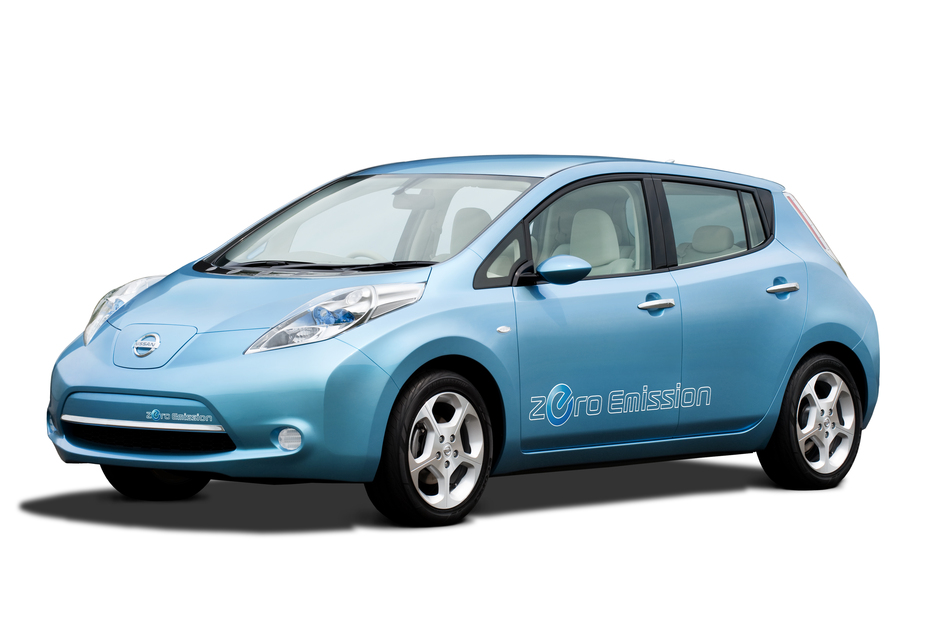
Keeping the correct Nissan Leaf tire pressure isn’t just another tick on your maintenance checklist—it's one of the simplest, smartest, and most impactful ways to boost your EV’s efficiency, extend tyre life, and make every drive feel more confident and controlled. And honestly, once we get the hang of monitoring tire pressure, we start noticing how dramatically the Leaf’s ride quality changes when pressure is even just a few PSI off.
In this comprehensive guide, we’re diving deep—deeper than any competing article—into everything you need to know: recommended PSI by model year, why tire pressure matters more in EVs, how temperature affects PSI, how to reset the TPMS, how to diagnose persistent warnings, and the best real-world tips to maintain optimal tyre health.
Buckle up. Let’s pressurize… properly.
Content in this publication
- Why Nissan Leaf Tire Pressure Matters More Than You Think
- Recommended Nissan Leaf Tire Pressure by Model Year
- Where to Find the Nissan Leaf Tire Pressure Sticker
- How Temperature Affects Nissan Leaf Tire Pressure
- How to Check Tire Pressure on a Nissan Leaf
- How to Inflate Nissan Leaf Tires Correctly
- Nissan Leaf TPMS: How It Works
- How to Reset the Nissan Leaf TPMS (All Model Years)
- Common Nissan Leaf Tire Pressure Problems & Their Fixes
- Best Nissan Leaf Tire Pressure Tips for Maximum Range
- Tire Pressure for Popular Nissan Leaf Tire Sizes
- How Incorrect Tire Pressure Affects Braking & Safety
- Signs Your Nissan Leaf Tires Are Incorrectly Inflated
- Nissan Leaf Tire Pressure for Heavy Loads
- How to Choose the Best Tires for Your Nissan Leaf
- Conclusion: Keeping Your Nissan Leaf Rolling Smoothly
- FAQs
Why Nissan Leaf Tire Pressure Matters More Than You Think
Most of us don’t think much about tire pressure until a warning light pops up on the dash. But on the Leaf—an all-electric vehicle—the consequences of incorrect PSI echo through almost every aspect of the driving experience.
Underinflation Hurts EV Efficiency and Range
Electric vehicles rely on extremely low rolling resistance to extract every mile of range. Underinflated tires create more drag, forcing the EV system to work harder.
When PSI is too low:
- Range drops noticeably
- Acceleration feels heavier
- Steering becomes vague
- Battery depletes faster
A Leaf running 5 PSI low on all wheels can lose 3–7% of total driving range. That's not pocket change in the EV world.
Overinflation Is Equally Problematic
Too much air hardens the ride, reduces tyre contact with the road, and increases the chances of uneven centre tread wear.
Overinflated tires lead to:
- Harsher driving experience
- Weak traction during rain
- Increased probability of impact-related damage
- Premature center wear
Balance is everything here.
Proper Tire Pressure Protects Your Investment
With EVs being heavier due to battery packs, tyres take more abuse. Running correct PSI extends their lifespan significantly.
A well-pressurized tyre is:
- Longer-lasting
- Safer
- More predictable
- Cheaper to maintain
In a way, tire pressure is like the heartbeat of your Leaf—get it right, and the whole car feels healthier.
Recommended Nissan Leaf Tire Pressure by Model Year
Let’s break down the manufacturer’s recommended PSI settings for the Leaf across different generations. Values vary depending on wheel size and trim, but here’s the most accurate, consolidated reference table available.
Standard PSI Recommendations
| Model Year | Wheel Size | Front PSI | Rear PSI |
|---|---|---|---|
| 2011–2017 Nissan Leaf | 16-inch | 36 PSI | 36 PSI |
| 2013–2017 (SV/SL) | 17-inch | 36 PSI | 36 PSI |
| 2018–2024 Nissan Leaf | 16-inch | 36 PSI | 36 PSI |
| 2018–2024 (SV Plus / SL Plus) | 17-inch | 36 PSI | 36 PSI |
The Leaf keeps it simple—36 PSI all around, regardless of generation and wheel size.
But remember: external factors like heat, cold, load, and driving style can shift real-world PSI needs slightly.
Where to Find the Nissan Leaf Tire Pressure Sticker
Every Leaf comes with a factory tire pressure label located:
- On the driver’s door jamb
- Sometimes duplicated inside the owner’s manual
- Occasionally displayed digitally in the Leaf’s infotainment system (model-dependent)
It’s always worth double-checking the sticker if you’re unsure.
How Temperature Affects Nissan Leaf Tire Pressure
EV drivers feel seasonal PSI changes more dramatically than ICE drivers, mainly because the Leaf reports small fluctuations very precisely.
Cold Weather Causes PSI Drop
For every drop of 10°F (6°C) in temperature, tyres lose 1 PSI.
In winter, a Leaf that was perfectly inflated in autumn could suddenly run 4–6 PSI low—enough to trip the TPMS light.
Expect:
- Reduced range
- Heavier steering
- Possible TPMS warnings
Heat Causes PSI Increase
High temperatures expand air inside the tyre.
A hot summer day can:
- Increase PSI by 2–4 points
- Make the ride harsher
- Expose tyres to blowout risk if already overinflated
Tip: Always Check PSI When Tires Are “Cold”
Cold = the car hasn’t been driven for at least 3 hours.
This gives the most accurate reading.
How to Check Tire Pressure on a Nissan Leaf
Let’s walk through a simple, repeatable routine.
You may be interested in reading Nissan Leaf Boot Space: Complete Practical Guide to Cargo Capacity & Everyday Usability
Tools You’ll Need
- A digital tyre pressure gauge
- Optional: portable tyre inflator
- Optional: tyre journal (to track pressure changes across seasons)
Step-by-Step Instructions
- Park the Leaf on a flat, cool surface.
- Remove valve cap from tyre.
- Press the gauge firmly onto the valve stem.
- Compare reading to 36 PSI spec.
- Inflate or deflate as needed.
- Replace valve cap securely.
- Repeat for all four tyres.
Pro Tip
Don’t forget the Leaf’s space-saver spare—EV owners often ignore it until the worst possible moment.
How to Inflate Nissan Leaf Tires Correctly
Inflating tyres seems simple, but doing it properly helps maintain accuracy.
Best Practices
- Use a high-quality inflator with automatic shut-off
- Inflate slowly for the most precise PSI
- Don’t exceed 40 PSI when topping up
- Always check PSI again after unplugging
Gas Station Inflators vs. Home Inflators
- Gas station compressors run hot and may inflate slightly inaccurately.
- Home digital inflators are usually more consistent.
If possible, we always prefer filling at home.
Nissan Leaf TPMS: How It Works
The Tire Pressure Monitoring System (TPMS) uses wheel sensors to track air pressure inside each tyre. When pressure falls 25% below recommended, the warning light switches on.
What Triggers the TPMS Warning Light?
- Low pressure in one or more tyres
- Rapid pressure loss
- Faulty TPMS sensor
- Recently rotated or replaced tyres
- Seasonal temperature drops
- After inflating tyres without driving
How to Reset the Nissan Leaf TPMS (All Model Years)
Contrary to popular belief, most Nissan Leaf models do not have a manual TPMS reset button. Instead, the system resets itself once all tyres are properly inflated and the car is driven.
Two Ways to Reset the System
Method 1: The Automatic Reset
- Inflate all tyres to 36 PSI.
- Drive for 10–20 minutes at speeds above 20 mph.
- TPMS should reset automatically.
This works 90% of the time.
Method 2: Hard Reset (When Automatic Fails)
This method forces the ECU to relearn pressure values:
- Turn off the Leaf.
- Inflate all tires to 40 PSI.
- Drive for 10 minutes.
- Reduce pressure back to 36 PSI.
- Restart the car.
If the light doesn’t reset, you may have a deeper issue.
Common Nissan Leaf Tire Pressure Problems & Their Fixes
1. TPMS Light Won’t Turn Off
Possible causes:
- A failing TPMS sensor
- A sensor battery that’s dead
- Incorrect PSI on one tyre
- A slow puncture you haven’t noticed
- A sensor not communicating after tyre rotation
Solution:
Start by checking PSI with a gauge. If correct, visit a tyre shop for sensor scanning.
2. One Tire Loses Pressure Repeatedly
Suspect:
- Nail or screw puncture
- Damaged sidewall
- Bead leak from impact damage
- Corroded rim
- Old valve stem
Solution:
Inspect the tyre visually. A soap-water test reveals leaks quickly.
3. All Tires Lose PSI at the Same Rate
Most likely:
- Seasonal temperature drop
- Car parked in cold overnight
- Faulty or cheap valve caps
Solution:
Inflate to spec, switch to metal caps if needed.
4. TPMS Sensor Battery Failure
TPMS sensors last 6–10 years. Earlier Leafs (2011–2014) are now in the range where sensor batteries may fail.
Signs include:
- TPMS light stays on
- Sensor cannot be read by tyre shop tools
Solution:
Replace the affected sensor.
5. Leaf Feels “Floaty” at Highway Speeds
This is classic underinflation.
Symptoms:
- Steering correction needed
- Tyres feel soft or wobbly
- Delayed braking response
Solution:
Check PSI immediately.
Best Nissan Leaf Tire Pressure Tips for Maximum Range
Let’s talk real-world strategies EV owners use to squeeze extra miles from every charge.
1. Keep Tires at Exactly 36 PSI
Nissan picked this number for a reason—it’s the sweet spot for:
- Efficiency
- Safety
- Comfort
- Tyre lifespan
2. Some Owners Use 38 PSI for Extra Range
A small number of Leaf owners choose to run tyres slightly higher—typically:
- 37–38 PSI
Benefits:
- Slightly better rolling efficiency
- Longer tyre life
Trade-offs:
- Harsher ride
- Louder cabin noise
We don’t recommend exceeding 38 PSI.
You may be interested in readingNissan Leaf Boot Space: Complete Practical Guide to Cargo Capacity & Everyday UsabilityYou may be interested in reading
 Nissan Leaf Battery Size: Complete Guide to Capacities, Range, and Real-World Performance
3. Check Tire Pressure Every 2 Weeks
EV tyres drop PSI faster because of:
- Weight of the battery pack
- Higher load on front tyres
- Temperature-sensitive compounds
Set a calendar reminder—you’ll be glad you did.
4. Rotate Tires Every 5,000–7,500 Miles
The Leaf is heavy in the front, so rotations help balance wear.
5. Fill Tires with Nitrogen (Optional)
Benefits:
- Steadier PSI
- Less moisture inside tyres
- Slightly improved stability
Downside:
- Harder to find
- Costs more
Tire Pressure for Popular Nissan Leaf Tire Sizes
Different trims use different tyre sizes. Here’s a quick breakdown.
2011–2017 Leaf
- 205/55R16 → 36 PSI
- 215/50R17 → 36 PSI
2018–2024 Leaf
- 205/55R16 → 36 PSI
- 215/50R17 → 36 PSI
Even with different tires, Nissan sticks with one universal pressure.
How Incorrect Tire Pressure Affects Braking & Safety
Incorrect PSI doesn’t just affect range—it affects everything.
Underinflated Tires Increase Braking Distance
Soft tyres deform, reducing grip.
Overinflated Tires Reduce Traction
Less surface contact means less stability in emergency maneuvers.
Incorrect PSI Can Trigger ABS Slip Events
The Leaf monitors wheel speed constantly. Incorrect PSI can confuse these calculations.
Signs Your Nissan Leaf Tires Are Incorrectly Inflated
Keep an eye out for:
- Steering pulling
- Vibrations at certain speeds
- Uneven tyre wear
- Sluggish acceleration
- Reduced range
- Harsh ride
- Excessive road noise
If you notice more than one symptom? Time to grab the gauge.
Nissan Leaf Tire Pressure for Heavy Loads
Planning a long trip with passengers or equipment?
Load Changes Matter
Extra weight compresses tyres, lowering effective PSI.
Recommended Adjustment
Add +2 PSI (up to 38 PSI max) for:
- Highway trips
- Heavy cargo
- Long drives in hot weather
How to Choose the Best Tires for Your Nissan Leaf
Good tyres help maintain perfect pressure more easily.
What to Look For
- Low rolling resistance rating
- High EV load rating
- Quality sidewall construction
- Proven wear patterns
Popular Leaf Tire Choices
- Michelin Energy Saver A/S
- Bridgestone Ecopia EP422 Plus
- Continental ProContact Eco
These maintain PSI longer and improve range.
Conclusion: Keeping Your Nissan Leaf Rolling Smoothly
If there’s one thing we’ve learned from living with the Nissan Leaf, it’s this: when the tyres are at the perfect pressure, the whole car wakes up. Efficiency improves, steering sharpens, the ride smooths out, and the EV feels like it was designed to feel.
The beauty of tire pressure is that it’s simple. It costs nothing. It takes two minutes. Yet it plays such a massive role in how the Leaf behaves under your hands.
Check it often. Adjust it carefully. Treat it like the small ritual that keeps your Leaf healthy.
Because honestly, a well-pressurized Leaf feels unstoppable.
FAQs
1. What is the recommended tire pressure for a Nissan Leaf?
Always 36 PSI for front and rear tires across all model years and trims.
2. Why does my Leaf lose tire pressure in winter?
Cold temperatures naturally decrease PSI—expect 1 PSI loss per 10°F.
3. How long does the TPMS sensor last?
Typically 6–10 years, depending on driving habits and climate.
4. Is 40 PSI safe for Nissan Leaf tires?
It’s safe temporarily when resetting TPMS, but daily driving should stay at 36 PSI.
You may be interested in readingNissan Leaf Boot Space: Complete Practical Guide to Cargo Capacity & Everyday UsabilityYou may be interested in reading
Nissan Leaf Battery Size: Complete Guide to Capacities, Range, and Real-World PerformanceYou may be interested in reading
 Nissan Leaf Charge Time: The Complete, No-Nonsense Guide for Every EV Driver
5. Does higher tire pressure increase EV range?
It can—37–38 PSI may provide a small benefit, but at the cost of comfort.
If you want to know other articles similar to Nissan Leaf Tire Pressure: The Complete, Human-Crafted Guide to Perfect EV Tyre Inflation you can visit the category Service and Parts.
Dacia Duster Warning Lights: Complete Dashboard Symbol Guide
Dacia Duster Tyre Pressure Reset: Complete Guide for Every Model

Dacia Duster Service Light Reset: Complete Step-by-Step Guide

BMW X1 Boot Capacity: A Complete Guide to Space, Practicality, and Real-World Usability

BMW X1 Battery Replacement: The Complete Owner’s Guide

BMW X1 Engine Size: Complete Guide to BMW X1 Engine Capacity, Performance, and Options
Leave a Reply
More content of your interest