

Nissan Micra Engine Light On – What It Means and How We Can Fix It

Content in this publication
- Understanding That Little Orange Signal
- Why the Nissan Micra Engine Light Comes On
- Solid Light vs Flashing Light – A Big Difference
- First Steps We Can Take at Home
- Using an OBD Scanner – Our Car’s Translator
- The Oxygen Sensor Story
- Spark Plugs – Tiny Parts, Big Impact
- Catalytic Converter Concerns
- Mass Airflow Sensor – Breathing Problems
- Fuel System Issues
- Battery and Alternator Links
- Can We Keep Driving With the Light On?
- Cost Expectations – Let’s Talk Money
- Preventing Future Engine Light Dramas
- When Professional Help Is Essential
- Resetting the Engine Light – Should We?
- Different Micra Generations, Same Message
- Real-Life Scenarios We Often See
- Our Calm Action Plan
- Closing Thoughts – Listening to Our Micra
- FAQs
Understanding That Little Orange Signal
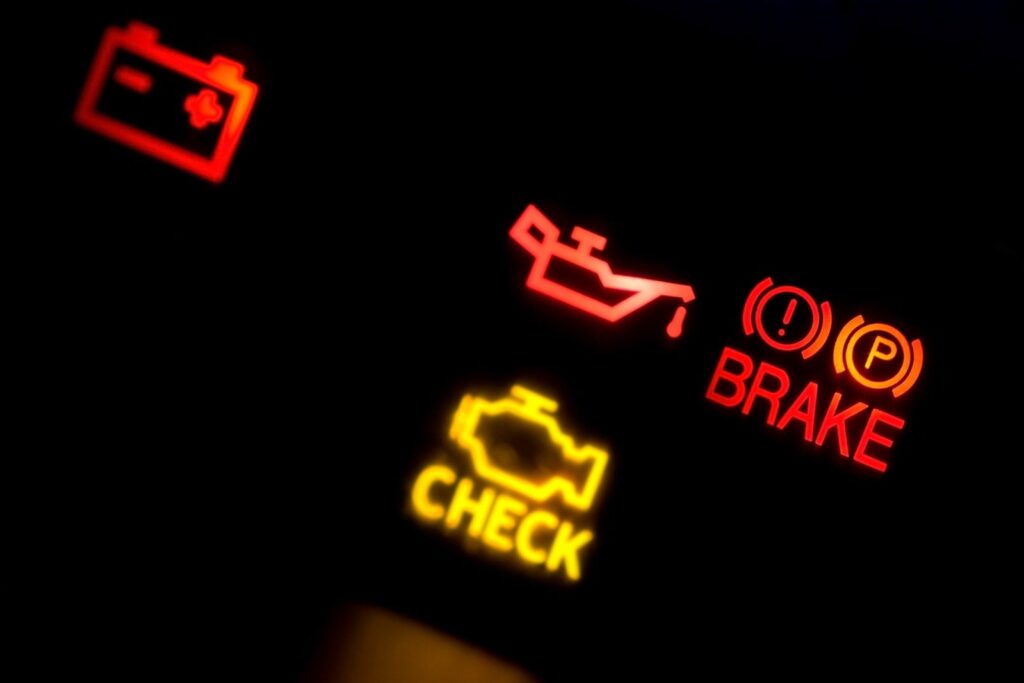
We’ve all been there. You’re driving your trusty Nissan Micra, humming along like a faithful city companion, and suddenly the dashboard throws a curveball—the engine light pops on. It feels a bit like a tap on the shoulder from the car saying, “Hey, we need to talk.” But what exactly is it trying to tell us?
The engine warning light, often called the check engine light, is the Micra’s way of waving a flag when something isn’t quite right under the bonnet. Sometimes it’s a whisper, other times a shout, but it’s never something to ignore.
Why the Nissan Micra Engine Light Comes On
Our Micra is packed with sensors—tiny watchdogs monitoring fuel, air, exhaust, and electrical systems. When any of them sense trouble, the light switches on. The causes can be as gentle as a loose fuel cap or as serious as an engine misfire.
Common triggers include:
- Faulty oxygen sensor
- Loose or damaged fuel cap
- Spark plug issues
- Catalytic converter problems
- Mass airflow sensor failure
- Battery or alternator irregularities
Think of the light as a doctor’s stethoscope—it's not the illness itself, just the clue.
Solid Light vs Flashing Light – A Big Difference
Steady Glow: The Gentle Nudge
A solid engine light usually means a non-urgent fault. The car is still safe to drive, but we should plan a check soon.
Flashing Light: The Urgent Alarm
A blinking light is like a fire alarm in the kitchen—it signals a severe misfire that could damage the catalytic converter. In this case, we should reduce speed and head straight to a mechanic.
First Steps We Can Take at Home
Before we panic or imagine expensive bills, there are a few simple checks we can do ourselves.
- Tighten the fuel cap until it clicks
- Check battery terminals for corrosion
- Look for loose vacuum hoses
- Listen for unusual engine noises
- Notice any change in fuel consumption
Sometimes the Micra just needs a small hug, not open-heart surgery.
Using an OBD Scanner – Our Car’s Translator
Modern Micras speak in codes. Plugging in an OBD2 scanner is like giving the car a voice. It tells us exactly what sensor complained.
Typical codes we might see:
- P0300 – Random misfire
- P0171 – System too lean
- P0420 – Catalytic converter efficiency
- P0100 – Mass airflow issue
These codes point us in the right direction instead of wandering blindfolded.
The Oxygen Sensor Story
The oxygen sensor is the car’s nose, sniffing exhaust to balance fuel mixture. When it fails, the Micra drinks fuel like a thirsty traveler and the engine light glows.
Replacing it is often straightforward and far cheaper than ignoring it.
You may be interested in reading Nissan Micra Gearbox Oil: The Lifeblood of Smooth Shifting
Spark Plugs – Tiny Parts, Big Impact
Worn spark plugs are like tired matchsticks—they struggle to ignite properly. This causes misfires, rough idle, and yes, the famous light.
Symptoms we notice:
- Jerky acceleration
- Hard starting
- Reduced MPG
- Vibrations at idle
A fresh set of plugs can make the Micra feel young again.
Catalytic Converter Concerns
This part is the environmental hero of our car, cleaning exhaust gases. If it clogs or fails, the engine light appears and performance drops.
Ignoring misfires often leads here, and that’s an expensive road we’d rather avoid.
Mass Airflow Sensor – Breathing Problems
The MAF sensor measures how much air enters the engine. When it lies, the fuel mix goes wrong.
Cleaning or replacing it often cures:
- Hesitation
- Stalling
- Poor fuel economy
Fuel System Issues
Possible culprits:
- Dirty fuel injectors
- Weak fuel pump
- Blocked fuel filter
It’s like trying to drink a milkshake through a narrow straw—the engine simply can’t get what it needs.
Battery and Alternator Links
Sometimes the engine light has nothing to do with the engine at all. Low voltage confuses sensors and triggers warnings.
We should check:
- Battery health
- Alternator charging rate
- Loose earth connections
Can We Keep Driving With the Light On?
This is the million-dollar question. With a steady light, short trips are usually okay. With a flashing light—absolutely not.
Driving with unresolved issues is like walking on a sore ankle—it might work today, but tomorrow could be worse.
Cost Expectations – Let’s Talk Money
Typical repair ranges:
- Fuel cap: very cheap
- Spark plugs: affordable
- Oxygen sensor: moderate
- Catalytic converter: expensive
Knowing the possibilities helps us breathe easier.
You may be interested in readingNissan Micra Gearbox Oil: The Lifeblood of Smooth ShiftingYou may be interested in reading
 Nissan Micra Yellow Warning Light – What It Means and How We Should React
Preventing Future Engine Light Dramas
We can treat the Micra like a loyal pet—feed it well and it behaves.
- Use quality fuel
- Follow service intervals
- Change oil regularly
- Avoid ignoring small symptoms
When Professional Help Is Essential
If the car:
- Loses power
- Smells of fuel
- Shakes violently
- Overheats
Then it’s time for expert hands, not driveway experiments.
Resetting the Engine Light – Should We?
Clearing the light without fixing the cause is like silencing a smoke alarm without putting out the fire. It will return.
Only reset after repairs or proper diagnosis.
Different Micra Generations, Same Message
From older K11 models to modern K14 versions, the principle is identical—the light is a messenger, not an enemy.
Real-Life Scenarios We Often See
- Loose fuel cap after refueling
- Damp ignition coils in rainy weather
- Sensor faults after battery change
- Misfires from cheap fuel
These everyday stories remind us the light isn’t always doom.
Our Calm Action Plan
- Don’t panic
- Check the basics
- Read the code
- Decide repair
- Test drive
- Confirm fix
Simple, steady steps beat frantic guessing.
Closing Thoughts – Listening to Our Micra
The Nissan Micra engine light is like a small lighthouse on the dashboard sea. It doesn’t want to scare us; it wants to guide us home safely. When we treat it with respect—neither fear nor neglect—we keep our little hatchback healthy for years.
FAQs
1. Can a loose fuel cap really trigger the engine light?
Yes, absolutely. The Micra monitors fuel vapor pressure, and a loose cap confuses the system.
2. How long can I drive with the engine light on?
With a steady light, a short period is okay; with a flashing light, stop driving immediately.
3. Will the light turn off by itself?
Sometimes after the issue resolves, but it may take several drive cycles.
Nissan Micra Gearbox Oil: The Lifeblood of Smooth ShiftingYou may be interested in reading
Nissan Micra Yellow Warning Light – What It Means and How We Should ReactYou may be interested in reading
 How Much Does a Nissan Micra Weight
4. Is it expensive to diagnose?
Most garages offer affordable diagnostic scans, and some parts stores do it free.
5. Can cold weather cause the light?
Yes, moisture and low temperatures can affect sensors and ignition components.
If you want to know other articles similar to Nissan Micra Engine Light On – What It Means and How We Can Fix It you can visit the category Service and Parts.
How to Reset Volvo XC60 Infotainment System: The Complete Practical Guide
Volvo XC60 Gearbox Oil Change: The Complete Expert Guide
Volvo XC60 Engine Management Light: Causes, Fixes, and What It Really Means

Skoda Kamiq Size Comparison: Dimensions, Space & Real-World Practicality
Volvo XC60 Headlight Adjustment for Europe: The Complete Practical Guide
Volvo XC60 City Safety Service Required: What It Means, Causes, and Fixes
Leave a Reply
More content of your interest