

Peugeot 208 Oil Pressure Fault – Complete Expert Guide to Causes, Fixes, and Prevention

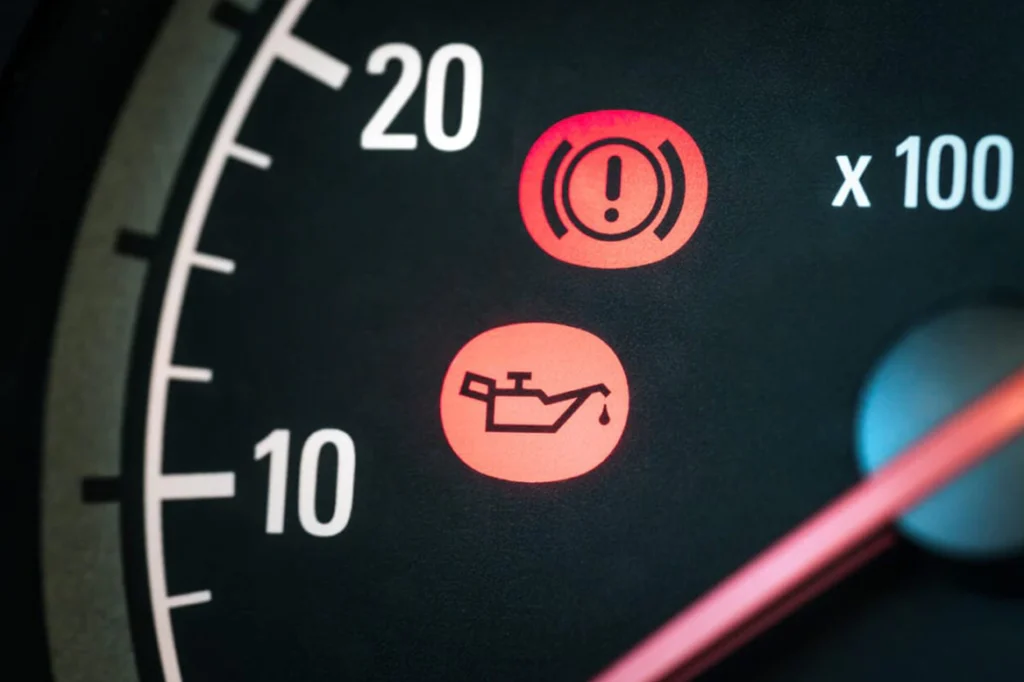
When that dreaded “Engine Oil Pressure Fault – Stop the Vehicle” message flashes on your Peugeot 208 dashboard, it’s a clear sign that something in your engine’s lubrication system needs immediate attention. While the warning may look alarming, understanding its causes, symptoms, and solutions can help you act swiftly and prevent catastrophic damage.
In this guide, we’ll walk through everything you need to know about the Peugeot 208 oil pressure fault, from what triggers it and how to fix it, to cost estimates and maintenance advice to prevent it from returning.
Content in this publication
- What Does the Peugeot 208 Oil Pressure Fault Mean?
- Common Symptoms of Oil Pressure Faults
- Top Causes of Peugeot 208 Oil Pressure Fault
- How to Diagnose the Problem Correctly
- Step-by-Step Fixes Based on Cause
- Estimated Repair Costs
- Is It Safe to Drive with the Oil Pressure Warning?
- How to Prevent Oil Pressure Faults in the Future
- Recommended Oils for Peugeot 208 Engines
- FAQs
- Final Thoughts
What Does the Peugeot 208 Oil Pressure Fault Mean?
The oil pressure fault warning appears when the engine control unit (ECU) detects oil pressure outside the normal range — either too low or too high. Engine oil pressure ensures vital components such as the crankshaft, camshaft, and bearings remain lubricated.
If the pressure drops below the safe threshold, metal-on-metal contact can occur, leading to severe internal wear or even complete engine failure.
When this warning appears, you must:
You may be interested in reading Peugeot 208 Not Starting: Complete Guide to Causes, Symptoms, and Fixes
- Stop the vehicle immediately.
- Check oil levels via the dipstick.
- Avoid restarting the engine until the issue is identified and fixed.
Common Symptoms of Oil Pressure Faults
Here’s how the issue often manifests before or after the dashboard warning:
- Illuminated “Oil Pressure Fault – Stop the Vehicle” message
- Low oil pressure light on the instrument panel
- Noticeable ticking, knocking, or grinding sounds from the engine
- Burning oil smell or visible leaks under the vehicle
- Sudden engine performance drop
- Erratic idle or engine stalling
- Oil temperature warning appearing alongside pressure alerts
If one or more of these symptoms appear, it’s essential to act quickly.
Top Causes of Peugeot 208 Oil Pressure Fault
| Cause | Description | Estimated Repair Cost (GBP) |
|---|---|---|
| Low Oil Level | Insufficient oil due to leaks, neglect, or burning | £0–£50 |
| Faulty Oil Pressure Sensor/Switch | Sends false readings to ECU | £20–£150 |
| Blocked Oil Filter or Passages | Restricts oil flow | £40–£120 |
| Worn Oil Pump | Can’t maintain adequate oil circulation | £100–£300 |
| Worn Engine Bearings | Creates excessive gaps reducing pressure | £250–£800 |
| Leaking Oil Pressure Regulator | Reduces oil flow and stability | £50–£150 |
| Electrical or Battery Voltage Issue | Causes sensor misreadings | £0–£100 |
How to Diagnose the Problem Correctly
To pinpoint the exact cause of the Peugeot 208 oil pressure fault, follow these diagnostic steps:
- Check Oil Level and Quality
- Use the dipstick when the engine is cold.
- Ensure oil is between the MIN and MAX marks.
- Dark, sludgy, or burnt oil should be replaced immediately.
- Inspect for Leaks
- Look around the oil sump, gasket, and filter housing for drips or residue.
- Use an OBD2 Diagnostic Tool
- Plug into your Peugeot 208’s OBD2 port to scan for related codes (e.g., P15A8, P0520, etc.).
- Test Oil Pressure Manually
- A mechanic can use an oil pressure gauge to check actual pressure versus the sensor reading.
- Assess Battery Voltage
- A weak battery (<12V resting) can cause false sensor signals leading to warning lights.
Step-by-Step Fixes Based on Cause
1. Low Oil Level
- Top up with the manufacturer-recommended grade (see below).
- If oil loss is frequent, check for leaks or oil consumption issues.
- Always change oil at the recommended service intervals (every 10,000–12,000 miles).
2. Faulty Oil Pressure Sensor or Switch
- Replace the sensor using an OEM part (typically located near the oil filter).
- Clear fault codes after replacement.
- Cost: £20–£150, depending on labor and part source.
3. Clogged Oil Filter
- Replace both oil filter and engine oil.
- Always use high-quality filters like Bosch, Mann, or genuine Peugeot parts.
- Cost: £50–£120 including oil.
4. Worn Oil Pump
- Symptoms: Engine knocking, fluctuating oil pressure, low readings even after topping up.
- Replacement requires partial engine disassembly.
- Cost: £200–£400, depending on labor.
5. Worn Engine Bearings
- Causes low pressure despite correct oil level.
- Typically indicates advanced engine wear.
- A full engine inspection or rebuild may be necessary.
- Cost: £400–£800+ depending on damage.
6. Leaking Oil Pressure Regulator
- Replace regulator and check sealing surfaces.
- Use high-quality seals to prevent future leaks.
- Cost: £50–£150.
7. Electrical or Battery Voltage Issue
- Check alternator output and battery health.
- A weak battery can trigger false pressure faults.
- Replace if below 12.4V resting or 14.4V running.
Estimated Repair Costs
| Repair Type | Estimated Cost (GBP) | Difficulty |
|---|---|---|
| Oil Level Top-Up | £0–£50 | Easy |
| Oil & Filter Change | £50–£120 | Moderate |
| Oil Pressure Sensor | £20–£150 | Easy |
| Oil Pump Replacement | £200–£400 | Hard |
| Engine Bearings | £400–£800 | Very Hard |
| Regulator Replacement | £50–£150 | Moderate |
Is It Safe to Drive with the Oil Pressure Warning?
Absolutely not. Driving with an active oil pressure fault warning risks catastrophic engine damage.
Here’s why:
- Low pressure means insufficient lubrication, leading to metal friction.
- Within minutes, this can warp pistons, score cylinder walls, and seize the engine.
If the light appears:
You may be interested in readingPeugeot 208 Not Starting: Complete Guide to Causes, Symptoms, and FixesYou may be interested in reading
 Why Is My Peugeot 208 Burning Oil?
- Pull over safely.
- Shut off the engine immediately.
- Check the oil level.
- Call for roadside assistance if the level is fine but the light persists.
How to Prevent Oil Pressure Faults in the Future
- Change oil and filter regularly (every 10,000–12,000 miles).
- Use only ACEA C2/C3 0W-30 or 5W-30 synthetic oil approved for Peugeot engines.
- Avoid cheap aftermarket sensors — stick to OEM.
- Inspect for leaks at every service.
- Clean the sump and oil strainer during major maintenance.
- Check battery voltage during routine checks.
Recommended Oils for Peugeot 208 Engines
| Engine Type | Recommended Oil | Viscosity | Specification |
|---|---|---|---|
| 1.2 PureTech (Petrol) | Total Quartz Ineo ECS | 0W-30 | ACEA C2 |
| 1.6 BlueHDi (Diesel) | Castrol Edge Professional | 0W-30 | ACEA C3 |
| 1.5 HDi | Mobil 1 ESP Formula | 5W-30 | ACEA C2 |
| GTi 1.6 Turbo | Motul 8100 X-clean EFE | 5W-30 | ACEA C3 |
FAQs
1. What triggers the “Engine Oil Pressure Fault” on a Peugeot 208?
Usually, low oil level, a failing pressure sensor, or a worn oil pump are the most common causes.
2. Can I fix the issue myself?
You can top up oil or replace the filter, but deeper issues like the pump or bearings require professional service.
3. How often should I change the oil in my Peugeot 208?
Every 10,000–12,000 miles or once a year, whichever comes first.
4. Can a low battery cause an oil pressure warning?
Yes. Low voltage can confuse the oil pressure sensor, leading to false warnings.
5. Is the repair covered under warranty?
If your car is under manufacturer warranty, Peugeot may cover oil pressure-related faults.
You may be interested in readingPeugeot 208 Not Starting: Complete Guide to Causes, Symptoms, and FixesYou may be interested in reading
Why Is My Peugeot 208 Burning Oil?You may be interested in reading
 Mazda CX-5 Problems: Common Issues, Reliability, and Owner Insights
Final Thoughts
The Peugeot 208 oil pressure fault shouldn’t be ignored — even a short delay can turn a minor sensor issue into a major engine rebuild. Acting fast, using the correct oil, and maintaining regular service intervals ensures your engine remains smooth and reliable for years.
When in doubt, consult a qualified Peugeot mechanic and always use genuine parts and approved oils to protect your investment.
If you want to know other articles similar to Peugeot 208 Oil Pressure Fault – Complete Expert Guide to Causes, Fixes, and Prevention you can visit the category Common Problems.
Ford Mondeo Not Starting: Complete Troubleshooting Guide
Ford Mondeo Central Locking Not Working: Complete Troubleshooting Guide
Ford Mondeo Heated Windscreen Not Working: Complete Troubleshooting & Fix Guide
Ford Mondeo Key Not Detected: Causes, Fixes, and Expert Solutions
Ford Mondeo Low Beam Bulb Fault: Complete Guide to Diagnosis, Fixes, and Prevention
Ford Mondeo Problems: The Ultimate Guide to Common Issues, Fixes, and Real Ownership Insights
Leave a Reply
More content of your interest