

Peugeot 308 1.6 HDi Problems: Common Issues, Causes, and Real-World Fixes

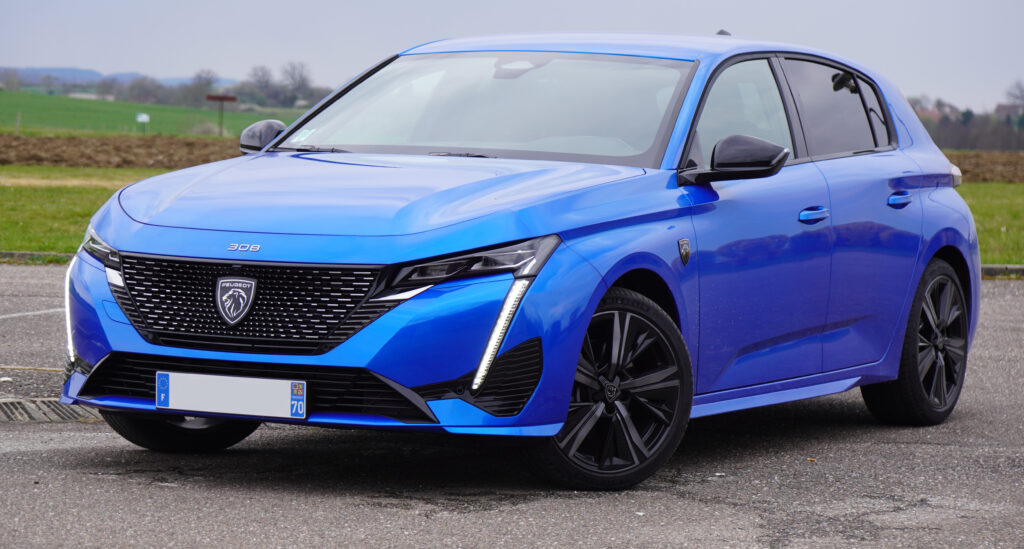
The Peugeot 308 1.6 HDi has earned a reputation as one of the most efficient diesel hatchbacks on European roads. Economical, smooth, and surprisingly refined for a compact car, it has powered countless versions of the 308 across multiple generations.
But like any engine with complex emissions systems, turbocharging, and modern diesel technology, it comes with its fair share of known problems and reliability quirks.
If you’re considering buying one—or already own one—you’ve probably heard whispers about turbo failures, DPF problems, and injector issues. So the big question becomes: How serious are these problems really?
Let’s break everything down clearly. We’ll explore the most common Peugeot 308 1.6 HDi problems, why they happen, how to fix them, and what owners should watch for.
Content in this publication
- Understanding the Peugeot 308 1.6 HDi Engine
- Most Common Peugeot 308 1.6 HDi Problems
- Turbocharger Failure
- Diesel Particulate Filter (DPF) Blockage
- EGR Valve Problems
- Injector Seal Leaks (“Black Death”)
- Timing Chain Rattle
- Dual Mass Flywheel Wear
- Oil Pickup Strainer Blockage
- Glow Plug Problems
- Cooling System Issues
- Is the Peugeot 308 1.6 HDi Reliable Overall?
- Maintenance Tips to Prevent Common Problems
- Peugeot 308 1.6 HDi Problems by Model Year
- Buying a Used Peugeot 308 1.6 HDi: What to Check
- Cost of Fixing Peugeot 308 1.6 HDi Problems
- Conclusion
- Frequently Asked Questions
Understanding the Peugeot 308 1.6 HDi Engine
Before diving into problems, it helps to understand what we’re dealing with.
The 1.6 HDi engine is part of the PSA Group’s widely used diesel family. It was developed by Peugeot-Citroën and used across many brands including Ford, Volvo, Mini, and Mazda.
Key engine characteristics
- Engine code examples: DV6, DV6TED4, DV6C
- Turbocharged diesel engine
- Common-rail direct injection
- Power output typically between 90 hp and 120 hp
- Available in Peugeot 308 models from 2007 onwards
The engine is praised for:
- Excellent fuel economy
- Low emissions
- Smooth torque delivery
However, its complex emissions system and sensitive turbo lubrication system are where most issues arise.
Most Common Peugeot 308 1.6 HDi Problems
Let’s examine the issues owners encounter most often.
Typical faults include
- Turbocharger failure
- Diesel particulate filter (DPF) blockage
- EGR valve problems
- Injector leaks
- Timing chain noise
- Oil feed pipe blockage
- Dual mass flywheel wear
While these problems can sound intimidating, many are preventable with proper maintenance.
Turbocharger Failure
One of the most widely discussed problems with the 1.6 HDi engine is turbocharger failure.
Why the turbo fails
The root cause is often oil starvation.
The turbo relies on a steady supply of clean engine oil. Unfortunately, the engine’s oil feed pipe contains a tiny filter screen that can clog over time.
When this happens:
- Oil flow decreases
- The turbo overheats
- Bearings wear out
- Eventually the turbo fails
Symptoms of turbo failure
Look out for signs like:
- Whining or siren-like noise
- Loss of power
- Excess smoke from exhaust
- Engine warning lights
- Limp mode activation
How to prevent turbo problems
Smart maintenance goes a long way:
- Replace oil every 6,000–8,000 miles
- Use high-quality synthetic oil
- Clean or replace the turbo oil feed pipe
- Check the oil pickup strainer
Think of it like cholesterol in arteries—when the oil passages clog, the turbo literally starves.
Diesel Particulate Filter (DPF) Blockage
Another common headache involves the DPF system.
The DPF traps soot from diesel exhaust gases and burns it off during regeneration.
Why DPFs clog
Frequent short journeys prevent the filter from reaching the temperature needed to regenerate.
As a result:
- Soot accumulates
- Exhaust flow is restricted
- Warning lights appear
Common DPF symptoms
Drivers often report:
- DPF warning light
- Engine going into limp mode
- Increased fuel consumption
- Rough running
- Reduced acceleration
Ways to avoid DPF problems
To keep the system healthy:
- Take the car for regular motorway drives
- Maintain correct engine oil
- Replace faulty sensors quickly
A 20-minute high-speed drive can often trigger regeneration and clear the filter.
EGR Valve Problems
The EGR (Exhaust Gas Recirculation) valve plays a key role in reducing emissions.
Unfortunately, diesel engines produce soot that gradually clogs the system.
You may be interested in reading Renault Captur Juddering When Pulling Away: Causes, Fixes, and Prevention Guide
How EGR issues develop
Over time:
- Carbon deposits build up
- The valve becomes stuck
- Airflow becomes restricted
Symptoms of a faulty EGR valve
Typical warning signs include:
- Rough idle
- Poor acceleration
- Engine management light
- Increased smoke
- Reduced fuel economy
Repair options
Owners usually have two solutions:
- Cleaning the EGR valve
- Replacing the EGR valve
Cleaning often works if the issue is caught early.
Injector Seal Leaks (“Black Death”)
One of the more alarming problems is injector seal leakage.
When injector copper seals fail, exhaust gases escape around the injector base.
What happens when seals leak
The escaping gases create:
- Carbon buildup around injectors
- A tar-like deposit
- Strong diesel smell
Mechanics sometimes call this “black death” due to the thick black sludge formed.
Signs of injector seal failure
You might notice:
- Chuffing noise from engine
- Diesel smell in cabin
- Sticky carbon around injectors
- Rough engine operation
Typical repair
Fixing the issue usually involves:
- Removing injectors
- Cleaning injector seats
- Installing new copper seals
If ignored too long, injectors can seize in place and become difficult to remove.
Timing Chain Rattle
Although the 1.6 HDi uses a timing belt, it also contains a small timing chain between camshafts.
This chain can stretch over time.
Common symptoms
Drivers may hear:
- Rattling noise on startup
- Metallic ticking from engine
- Engine timing faults
Repair considerations
Fixing the problem typically involves:
- Replacing the camshaft chain kit
- Checking timing belt condition
Fortunately, this issue isn’t extremely common but should not be ignored.
Dual Mass Flywheel Wear
Many Peugeot 308 diesel models use a dual mass flywheel (DMF).
While it improves smoothness, it eventually wears out.
Signs of a worn flywheel
Symptoms include:
- Vibration during acceleration
- Clutch judder
- Knocking noises when starting or stopping engine
Replacement cost
DMF replacement usually includes:
- Flywheel
- Clutch kit
- Labour
This repair can be expensive but is typical for modern diesel vehicles.
Oil Pickup Strainer Blockage
Another issue linked to turbo failure is the oil pickup strainer inside the sump.
Why it clogs
Oil degradation and sludge can accumulate in the strainer.
When the strainer blocks:
- Oil pressure drops
- Turbo lubrication suffers
- Engine components wear prematurely
Prevention tips
To avoid this:
- Change oil frequently
- Use manufacturer-approved oil
- Inspect the sump strainer during turbo repairs
Glow Plug Problems
Glow plugs are essential for cold diesel starts.
You may be interested in readingRenault Captur Juddering When Pulling Away: Causes, Fixes, and Prevention GuideYou may be interested in reading
 Toyota Aygo “Not Ready to Drive” Warning: Causes, Fixes, and What It Really Means
Over time they degrade.
Common symptoms
Signs of faulty glow plugs include:
- Hard cold starts
- Excess white smoke
- Rough idle after starting
Maintenance advice
Replacing glow plugs periodically can prevent winter starting issues.
Cooling System Issues
Some Peugeot 308 1.6 HDi owners report thermostat housing leaks.
The housing is made from plastic and can crack over time.
Warning signs
- Coolant loss
- Engine overheating
- Visible coolant around engine
Replacing the thermostat housing usually resolves the issue.
Is the Peugeot 308 1.6 HDi Reliable Overall?
Despite the problems listed above, the 1.6 HDi engine can be very reliable when properly maintained.
Many examples exceed:
- 200,000 miles
- 300,000 km
The key factor is regular maintenance and quality oil changes.
Owners who avoid major issues usually
- Change oil frequently
- Drive long distances regularly
- Service the turbo system proactively
Maintenance Tips to Prevent Common Problems
If you want your Peugeot 308 to last, consider these practical tips.
Best practices
- Change oil every 6k–8k miles
- Use low-SAPs oil
- Replace fuel filters regularly
- Allow turbo to cool after hard driving
- Drive occasionally at motorway speeds
Smart preventative maintenance
Also consider:
- Cleaning the EGR valve
- Monitoring DPF regeneration
- Replacing injector seals early
- Checking oil feed pipes
Treat the engine well, and it will return the favor.
Peugeot 308 1.6 HDi Problems by Model Year
Different generations of the 308 used slightly different versions of the engine.
First Generation (2007–2013)
Common issues include:
- Turbo failures
- Injector seal leaks
- DPF problems
Second Generation (2014–2021)
Improved reliability but still possible:
- EGR faults
- AdBlue system issues
- DPF clogging
Later engines benefited from improved oil circulation and emissions systems.
Buying a Used Peugeot 308 1.6 HDi: What to Check
Before buying, inspect these areas carefully.
Important checks
- Turbo whistle or smoke
- Service history
- DPF warning lights
- Injector noise or leaks
- Oil change intervals
Questions to ask the seller
- Has the turbo been replaced?
- Has the DPF been cleaned?
- Are injector seals new?
- Was the timing belt replaced?
A well-maintained car is worth far more than a neglected one.
Cost of Fixing Peugeot 308 1.6 HDi Problems
Repair costs vary depending on the issue.
Typical repair price ranges
| Repair | Estimated Cost |
|---|---|
| Turbo replacement | £600–£1200 |
| DPF cleaning | £150–£400 |
| EGR valve replacement | £200–£500 |
| Injector seal replacement | £150–£300 |
| Dual mass flywheel | £800–£1500 |
Regular servicing often prevents these costly repairs.
Conclusion
The Peugeot 308 1.6 HDi remains one of the most fuel-efficient diesel hatchbacks ever produced. While it has a few well-known issues—particularly involving the turbo, DPF, and injectors—these problems are often linked to maintenance neglect rather than fundamental design flaws.
When properly serviced, the engine can deliver years of reliable driving and outstanding fuel economy.
Think of it like a high-performance athlete: it thrives when properly maintained but struggles if neglected. With good oil, regular servicing, and occasional long drives, the 1.6 HDi can easily go the distance.
Frequently Asked Questions
Is the Peugeot 308 1.6 HDi a reliable engine?
Yes, it can be very reliable if properly maintained. Regular oil changes and DPF care are essential.
What is the biggest problem with the 1.6 HDi engine?
Turbo failure caused by oil feed pipe blockage is one of the most commonly reported issues.
How long does the Peugeot 1.6 HDi engine last?
Many engines last 200,000–300,000 miles with proper servicing.
You may be interested in readingRenault Captur Juddering When Pulling Away: Causes, Fixes, and Prevention GuideYou may be interested in reading
Toyota Aygo “Not Ready to Drive” Warning: Causes, Fixes, and What It Really MeansYou may be interested in reading
 Kia Picanto Won’t Start: Complete Troubleshooting Guide
Is the Peugeot 308 1.6 HDi expensive to maintain?
Routine maintenance is affordable, but turbo or DPF repairs can be costly if ignored.
Should I buy a used Peugeot 308 1.6 HDi?
Yes—if the car has a full service history and evidence of proper maintenance.
If you want to know other articles similar to Peugeot 308 1.6 HDi Problems: Common Issues, Causes, and Real-World Fixes you can visit the category Common Problems.
Volvo XC60 No Sound: Causes, Fixes, and Complete Troubleshooting Guide
Volvo XC60 Common Problems: What Owners Really Experience
Volvo XC60 Issues: The Truth Behind This Popular SUV

Audi Q5 Parking Sensors Not Working: Causes, Fixes, and Expert Tips
Audi Q5 Juddering When Pulling Away: Causes, Fixes, and What It Really Means
Audi Q5 Drive System Fault: Causes, Fixes, Costs & Real-World Insights
Leave a Reply
More content of your interest