

Peugeot 308 1.6 HDi Problems: Common Issues, Fixes & Real-World Insights

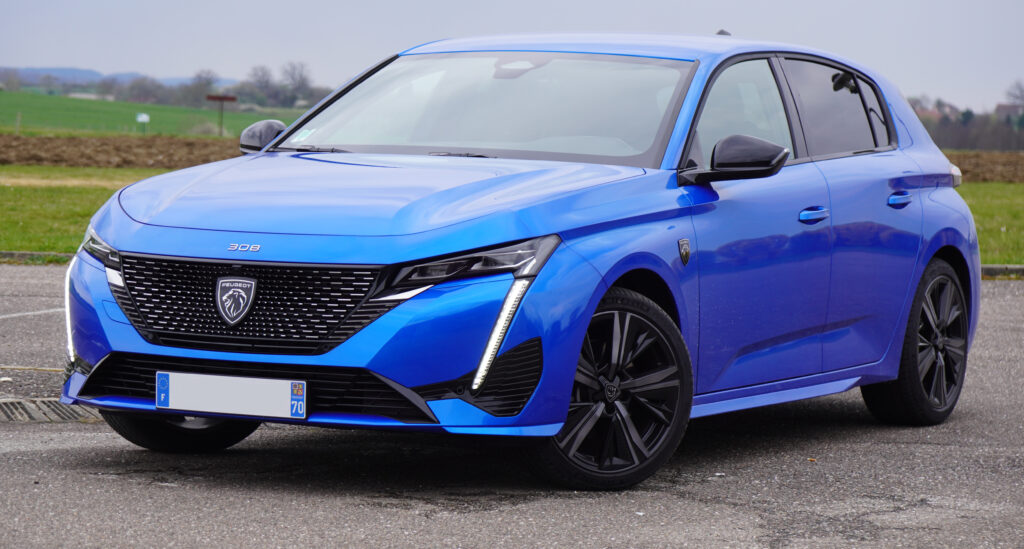
The Peugeot 308 1.6 HDi has earned a reputation as a frugal, punchy diesel hatchback that blends European flair with everyday usability. Under the bonnet sits the well-known 1.6 HDi engine—shared across several models within the Peugeot and broader PSA group.
But let’s be honest.
No engine is perfect. And the 1.6 HDi? It has its quirks.
In this in-depth guide, we’ll unpack the most common Peugeot 308 1.6 HDi problems, what causes them, how much they cost to fix, and—most importantly—how to avoid them. We’ll keep it real, practical, and straightforward.
Content in this publication
- Why the 1.6 HDi Became So Popular
- 1. Turbocharger Failure
- 2. Carbon Build-Up (EGR & Intake System)
- 3. Diesel Particulate Filter (DPF) Blockage
- 4. Injector Problems
- 5. Dual Mass Flywheel (DMF) Failure
- 6. Timing Belt Concerns
- 7. Battery Drain & BSI Glitches
- 8. Glow Plug Issues
- 9. Loss of Power
- 10. Oil Leaks
Why the 1.6 HDi Became So Popular
Before diving into the issues, we need context.
The 1.6 HDi engine became wildly popular because it offered:
- Excellent fuel economy (often 55–65 mpg)
- Strong torque for everyday driving
- Low road tax in many markets
- Smooth motorway cruising
It was fitted in multiple generations of the Peugeot 308, including T7 (2007–2013) and T9 (2013–2021).
But popularity doesn’t mean immunity.
Most Common Peugeot 308 1.6 HDi Problems
Let’s get straight to it.
1. Turbocharger Failure
Why It Happens
Turbo failure is one of the most talked-about Peugeot 308 1.6 HDi problems.
The culprit? Oil starvation.
This engine uses a fine oil feed pipe with a small filter. Over time:
- Sludge builds up
- Oil flow reduces
- Turbo bearings wear
- The turbo eventually fails
Warning Signs
- Whistling noise under acceleration
- Loss of power
- Excessive smoke (especially blue or grey)
- Engine warning light
Repair Cost
- Turbo replacement: £700–£1,500
- Oil feed pipe replacement (recommended): £80–£150
How We Prevent It
- Change oil every 6,000–8,000 miles
- Use correct low-ash oil
- Replace oil feed pipe with updated version
Neglect oil changes, and the turbo becomes a ticking time bomb.
2. Carbon Build-Up (EGR & Intake System)
The Core Issue
Diesel engines recirculate exhaust gases through the EGR valve. Over time, soot accumulates like chimney residue.
On the 1.6 HDi, this leads to:
- Rough idling
- Hesitation
- Engine management light
- Reduced performance
EGR Valve Failure Symptoms
- Stalling at low RPM
- Jerky acceleration
- Black smoke
Typical Costs
- EGR cleaning: £150–£250
- EGR replacement: £250–£450
Short city trips make this worse. These engines love long motorway runs.
3. Diesel Particulate Filter (DPF) Blockage
The DPF is like the lungs of your diesel engine. When it clogs, everything suffers.
Why It Blocks
- Frequent short journeys
- Missed regeneration cycles
- Faulty EGR contributing to soot build-up
Symptoms
- DPF warning light
- Limp mode
- Poor fuel economy
- Cooling fan running constantly
Fix Options
- Forced regeneration: £80–£150
- Professional clean: £250–£400
- Replacement DPF: £800–£1,500
We always tell owners: drive it hard occasionally. Let it breathe.
4. Injector Problems
Fuel injectors on the 1.6 HDi can wear or leak over time.
Common Signs
- Ticking noise
- Diesel smell
- Poor fuel economy
- Rough starting
Sometimes the issue is injector seals (copper washers), not the injectors themselves.
Repair Costs
- Seal replacement: £150–£300
- Injector replacement: £200–£400 each
Catching it early prevents bigger damage.
5. Dual Mass Flywheel (DMF) Failure
If your 308 feels like it’s shaking hands with you at idle, the DMF could be worn.
Symptoms
- Vibration at idle
- Clutch judder
- Rattling noise when turning off engine
Cost to Fix
- Clutch + DMF replacement: £700–£1,200
This usually appears after 90,000–120,000 miles.
You may be interested in reading Peugeot 308 Not Starting: Complete Troubleshooting Guide
6. Timing Belt Concerns
Unlike some engines, the 1.6 HDi uses a traditional timing belt.
Interval
Typically every 100,000 miles or 10 years (earlier if driven hard).
Failure Consequence
Catastrophic engine damage.
Replacement Cost
- £350–£600
We never gamble with timing belts.
Electrical Problems in the Peugeot 308 1.6 HDi
7. Battery Drain & BSI Glitches
The 308 uses a Body Systems Interface (BSI) module. When voltage drops, weird things happen.
Symptoms include:
- Random warning lights
- Central locking failure
- Radio not working
Often, it’s just a weak battery.
8. Glow Plug Issues
Hard starting in winter? Likely glow plugs.
Symptoms
- Long crank time
- Rough cold start
- White smoke on start-up
Replacement cost is modest: £100–£200.
Engine Performance Problems
9. Loss of Power
Often linked to:
- Turbo issues
- Boost leaks
- Faulty MAF sensor
- Clogged DPF
A diagnostic scan is essential before replacing parts blindly.
10. Oil Leaks
Common leak points include:
- Turbo oil feed
- Rocker cover gasket
- Oil sump
Regular inspection saves money long term.
High Mileage Peugeot 308 1.6 HDi Problems
What happens past 150,000 miles?
Surprisingly, many engines survive well if maintained.
Common high-mileage issues:
- Injector wear
- Turbo fatigue
- Suspension bush wear
- Cooling system leaks
But the engine block itself? Usually solid.
Driving Habits That Make or Break This Engine
Let’s be blunt.
The 1.6 HDi hates:
- Short trips
- Cheap oil
- Skipped servicing
It loves:
- Motorway miles
- Regular oil changes
- Quality fuel
Treat it like an athlete. Feed it right, let it stretch its legs.
Maintenance Checklist for Longevity
Here’s what we recommend:
- Oil change: Every 6–8k miles
- Air filter: Every 12k miles
- Fuel filter: Every 20k miles
- Timing belt: Before 100k miles
- Turbo oil feed pipe upgrade
- Occasional motorway drive
Preventative maintenance beats reactive repair every time.
You may be interested in readingPeugeot 308 Not Starting: Complete Troubleshooting GuideYou may be interested in reading
 Peugeot 308 Mirrors Not Folding: Causes, Fixes & DIY Solutions
Is the Peugeot 308 1.6 HDi Reliable Overall?
Here’s the honest answer.
Yes—if maintained.
No—if neglected.
It’s not fragile. It’s just sensitive to poor servicing.
When properly looked after, we’ve seen these engines exceed 200,000 miles.
Cost of Ownership Overview
Annual average maintenance costs:
- Routine servicing: £200–£350
- Unexpected repairs (average): £300–£600
- Major repair (rare): £1,000+
Compared to rivals, it sits mid-pack.
Should You Buy a Used Peugeot 308 1.6 HDi?
If you’re considering one, check:
- Full service history
- Oil change intervals
- DPF condition
- Turbo noise
- Clutch feel
Walk away from poorly maintained examples.
Buy a cared-for one? You’ll enjoy economical, torquey driving for years.
How It Compares to Other Diesel Engines
Compared to other 1.6 diesel engines of its era:
Pros:
- Excellent economy
- Smooth torque delivery
- Affordable parts
Cons:
- Turbo sensitivity
- DPF vulnerability
- EGR clogging
It’s not perfect—but few diesels are.
Final Thoughts on Peugeot 308 1.6 HDi Problems
The Peugeot 308 1.6 HDi is like a disciplined marathon runner. Ignore its diet and training, and it stumbles. Maintain it carefully, and it’ll carry you mile after mile without complaint.
The most common problems—turbo failure, DPF blockage, EGR clogging—are manageable and largely preventable.
This isn’t an unreliable engine.
It’s a misunderstood one.
Treat it right, and it rewards you with efficiency, torque, and long-term value.
FAQs
1. Is the Peugeot 308 1.6 HDi engine reliable?
Yes, if serviced regularly with high-quality oil and proper maintenance.
2. What is the biggest issue with the 1.6 HDi engine?
Turbo failure due to oil starvation is the most reported problem.
3. How long does a Peugeot 308 1.6 HDi last?
With proper care, it can exceed 200,000 miles.
4. Does the 1.6 HDi have timing chain problems?
No, it uses a timing belt, which must be replaced at scheduled intervals.
You may be interested in readingPeugeot 308 Not Starting: Complete Troubleshooting GuideYou may be interested in reading
Peugeot 308 Mirrors Not Folding: Causes, Fixes & DIY SolutionsYou may be interested in reading
 Dacia Duster Issues: The Real Problems Owners Face (And What To Do About Them)
5. Are DPF issues common in the Peugeot 308 1.6 HDi?
Yes, especially in vehicles used for short city trips.
If you want to know other articles similar to Peugeot 308 1.6 HDi Problems: Common Issues, Fixes & Real-World Insights you can visit the category Common Problems.
Jaguar F-Pace Engine Problems: Common Issues, Causes, and Fixes

Jaguar F-Pace Problems: Reliability Issues, Common Faults, and What Owners Should Know

Land Rover Discovery Sport Not Starting: Causes, Fixes, and Real-World Troubleshooting Guide

Land Rover Discovery Sport Heater Not Working: Causes, Fixes, and Troubleshooting Guide

Land Rover Discovery Sport No Sound: Causes, Fixes, and Complete Troubleshooting Guide

Land Rover Discovery Sport Coolant Level Low: Causes, Fixes, and Prevention Guide
Leave a Reply
More content of your interest