
Peugeot 308 Engine Size: Complete Guide to Every Engine Option

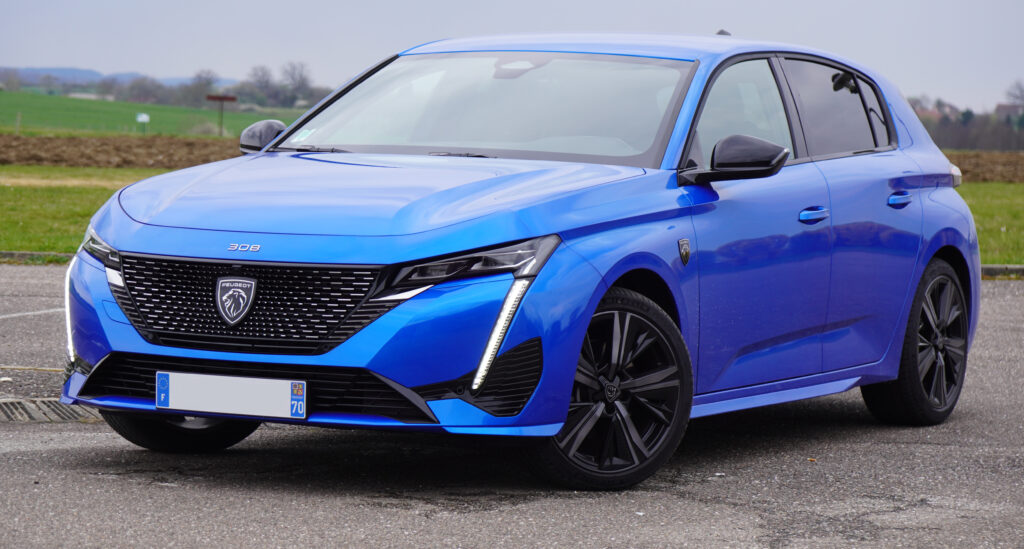
The Peugeot 308 has built a strong reputation as one of Europe’s most balanced hatchbacks. Stylish design, comfortable interiors, and efficient engines make it a popular choice for drivers who want practicality without sacrificing driving enjoyment.
But beneath the sleek exterior lies one of the most important elements of any car: the engine size.
Engine size influences almost everything about the driving experience. It determines how quickly the car accelerates, how much fuel it consumes, how expensive insurance might be, and even how relaxed the car feels on long motorway drives.
In this comprehensive guide, we explore every Peugeot 308 engine size, from the smallest petrol engines to powerful diesel units and modern hybrid powertrains. By the end, you’ll clearly understand which engine suits your needs and why Peugeot designed the 308’s engine lineup the way it did.
Content in this publication
- Understanding Engine Size in the Peugeot 308
- Peugeot 308 Generations and Their Engine Sizes
- Peugeot 308 Petrol Engine Sizes
- Peugeot 308 Diesel Engine Sizes
- Peugeot 308 Hybrid Engine Size
- Complete Peugeot 308 Engine Size Overview
- How Engine Size Affects Performance
- Peugeot 308 Engine Size and Fuel Economy
- Choosing the Best Peugeot 308 Engine Size
- Reliability of Peugeot 308 Engines
- The Future of Peugeot 308 Engines
- Conclusion
- FAQs
Understanding Engine Size in the Peugeot 308
Before diving into specific engines, it helps to understand what engine size actually means.
Engine size—also called engine displacement—refers to the total volume inside the engine’s cylinders where fuel and air mix to produce power. It is usually measured in:
- Litres (L)
- Cubic centimetres (cc)
For example:
- A 1.2-litre engine equals 1199cc
- A 1.6-litre engine equals 1598cc
The larger the displacement, the more fuel-air mixture the engine can burn, which usually results in more power and torque.
However, modern technology like turbocharging and hybrid systems means smaller engines can now produce impressive performance.
Peugeot 308 Generations and Their Engine Sizes
The Peugeot 308 has evolved across three main generations. Each generation introduced new engines designed to improve efficiency, reduce emissions, and increase performance.
First Generation Peugeot 308 (2007–2013)
The original 308 replaced the Peugeot 307 and came with a wide range of petrol and diesel engines.
Common engine sizes included:
- 1.4-litre petrol
- 1.6-litre petrol
- 1.6-litre diesel
- 2.0-litre diesel
These engines focused on reliability and traditional engine design.
Second Generation Peugeot 308 (2013–2021)
This generation introduced downsized turbo engines designed to improve fuel efficiency.
The main engines included:
- 1.2 PureTech petrol
- 1.6 THP turbo petrol
- 1.6 BlueHDi diesel
- 2.0 BlueHDi diesel
This generation marked a major improvement in both efficiency and performance.
Third Generation Peugeot 308 (2021–Present)
The newest 308 embraces modern electrified technology.
Engine options now include:
- 1.2 PureTech petrol
- 1.5 BlueHDi diesel
- 1.6 plug-in hybrid
This reflects the industry’s shift toward lower emissions and electrification.
Peugeot 308 Petrol Engine Sizes
Petrol engines remain extremely popular in the Peugeot 308 because they offer smooth performance and lower maintenance costs compared to diesel engines.
1.2 Litre PureTech Petrol Engine
The 1.2-litre PureTech engine is currently the most common petrol engine in the Peugeot 308 lineup.
Key specifications include:
- Engine size: 1199cc
- Cylinders: 3
- Turbocharged
- Power outputs:
- 110 hp
- 130 hp
Despite its small size, this engine delivers strong performance thanks to turbocharging.
Benefits include:
- Excellent fuel efficiency
- Lower emissions
- Smooth acceleration
- Lower insurance costs
For everyday driving, it offers a perfect balance of power and efficiency.
1.4 Litre Petrol Engine
Earlier Peugeot 308 models offered a 1.4-litre petrol engine.
Typical specifications:
- Engine size: 1397cc
- Power: around 95 hp
This engine was designed primarily for urban driving.
Advantages included:
- Simple engine design
- Affordable maintenance
- Decent fuel economy
However, compared to newer turbo engines, it feels less powerful and less efficient.
You may be interested in reading Vauxhall Corsa Rear Bumper Replacement Cost: The Complete Real-World Guide
1.6 Litre Petrol Engines
The 1.6-litre petrol engine family played a huge role in the Peugeot 308 lineup.
Several versions were available.
1.6 VTi Engine
This naturally aspirated engine offered smooth performance.
Typical specifications:
- Engine size: 1598cc
- Power output: 120 hp
It provided reliable everyday performance but lacked the punch of turbocharged engines.
1.6 THP Turbo Engine
The 1.6 THP turbo engine brought serious performance to the Peugeot 308.
Available power levels included:
- 150 hp
- 165 hp
- 200 hp
- 270 hp (308 GTI)
This engine transformed the 308 from a practical hatchback into a genuine hot hatch competitor.
Performance models equipped with the THP engine could rival cars like the Volkswagen Golf GTI.
Peugeot 308 Diesel Engine Sizes
Diesel engines have always been a strength for Peugeot vehicles. They deliver excellent fuel economy and strong torque, making them ideal for long-distance driving.
1.5 BlueHDi Diesel Engine
The modern diesel option in the latest Peugeot 308 is the 1.5 BlueHDi engine.
Specifications include:
- Engine size: 1499cc
- Power outputs:
- 100 hp
- 130 hp
Advantages include:
- Outstanding fuel economy
- Smooth power delivery
- Lower CO₂ emissions
For drivers who frequently travel long motorway distances, this engine offers exceptional efficiency.
1.6 BlueHDi Diesel Engine
Before the 1.5 engine, Peugeot used the popular 1.6 BlueHDi diesel.
Typical specifications:
- Engine size: 1560cc
- Power outputs:
- 100 hp
- 120 hp
Many drivers praise this engine for its incredible fuel economy, sometimes exceeding 70 mpg (UK) under ideal conditions.
2.0 BlueHDi Diesel Engine
For drivers wanting stronger performance, Peugeot offered a 2.0-litre diesel engine.
Specifications include:
- Engine size: 1997cc
- Power outputs:
- 150 hp
- 180 hp
Benefits include:
- Strong acceleration
- Excellent motorway performance
- High towing capability
This engine suits drivers who regularly drive long distances or carry heavier loads.
Peugeot 308 Hybrid Engine Size
The newest generation of the Peugeot 308 introduced plug-in hybrid technology.
These powertrains combine a petrol engine with an electric motor.
1.6 Plug-In Hybrid Engine
Hybrid models use a 1.6-litre turbo petrol engine paired with an electric motor.
Two main versions are available:
- Hybrid 180 hp
- Hybrid 225 hp
Key advantages include:
- Electric-only driving capability
- Very low emissions
- Instant torque from the electric motor
For city driving, the hybrid system allows drivers to travel short distances without using petrol at all.
Complete Peugeot 308 Engine Size Overview
Below is a simplified list of the most common engine sizes found in the Peugeot 308.
Petrol engines:
- 1.2 PureTech – 1199cc
- 1.4 VTi – 1397cc
- 1.6 VTi – 1598cc
- 1.6 THP – 1598cc
Diesel engines:
You may be interested in readingVauxhall Corsa Rear Bumper Replacement Cost: The Complete Real-World GuideYou may be interested in reading
 BMW X1 Service Reset: Complete Step-by-Step Guide
- 1.5 BlueHDi – 1499cc
- 1.6 HDi / BlueHDi – 1560cc
- 2.0 BlueHDi – 1997cc
Hybrid engines:
- 1.6 Plug-in Hybrid – 1598cc
How Engine Size Affects Performance
Engine size significantly influences how the Peugeot 308 behaves on the road.
Small Engines (1.2L)
Best suited for:
- City driving
- Fuel efficiency
- Lower insurance costs
Driving experience:
- Light and responsive
- Smooth turbo acceleration
- Excellent economy
Medium Engines (1.5–1.6L)
These engines offer the best balance between power and efficiency.
They provide:
- Strong motorway performance
- Good fuel economy
- Comfortable everyday driving
Larger Engines (2.0L)
These engines focus on performance and torque.
They are ideal for:
- Long-distance travel
- High-speed cruising
- Towing heavier loads
Peugeot 308 Engine Size and Fuel Economy
Fuel economy depends on several factors, but engine size plays a major role.
Typical real-world economy figures include:
- 1.2 PureTech petrol: 50–60 mpg
- 1.6 BlueHDi diesel: 65–75 mpg
- 2.0 BlueHDi diesel: 55–65 mpg
- Hybrid models: very low fuel consumption when charged regularly
Smaller engines generally provide better efficiency, though modern diesel engines remain extremely economical.
Choosing the Best Peugeot 308 Engine Size
Choosing the right engine depends on your driving habits.
For city drivers:
- 1.2 PureTech petrol is usually the best option.
For long motorway journeys:
- 1.5 BlueHDi diesel offers excellent fuel efficiency.
For performance enthusiasts:
- 1.6 THP turbo engines provide the most exciting driving experience.
For eco-focused drivers:
- Plug-in hybrid models deliver the lowest emissions.
Reliability of Peugeot 308 Engines
Many Peugeot 308 engines are known for good reliability when maintained properly.
Engines with strong reliability records include:
- 1.6 HDi diesel
- 1.5 BlueHDi diesel
- Newer versions of the 1.2 PureTech petrol engine
Regular servicing and quality oil are essential for long engine life.
The Future of Peugeot 308 Engines
The automotive world is rapidly moving toward electrification.
Peugeot’s parent company Stellantis is investing heavily in hybrid and electric technology.
Future Peugeot 308 models may include:
- Mild hybrid engines
- Fully electric variants
- Even more efficient turbo petrol engines
This shift will gradually reduce reliance on traditional internal combustion engines.
Conclusion
The Peugeot 308 offers a wide range of engine sizes designed to suit different drivers.
From the efficient 1.2-litre PureTech petrol engine to the powerful 2.0-litre diesel, each option provides a different balance of performance and efficiency.
Hybrid versions add another layer of flexibility by combining petrol power with electric driving capability.
Ultimately, the best Peugeot 308 engine size depends on how you drive. Whether you prioritize economy, performance, or environmental impact, there is a Peugeot 308 engine designed to match your lifestyle.
FAQs
What engine size does the Peugeot 308 have?
The Peugeot 308 offers engine sizes ranging from 1.2 litres to 2.0 litres, depending on the model and generation.
Is the Peugeot 308 1.2 engine reliable?
Yes. The 1.2 PureTech engine is generally reliable when properly maintained, especially in newer versions.
What is the most powerful Peugeot 308 engine?
The 1.6 THP engine used in the 308 GTI produces up to 270 horsepower.
You may be interested in readingVauxhall Corsa Rear Bumper Replacement Cost: The Complete Real-World GuideYou may be interested in reading
BMW X1 Service Reset: Complete Step-by-Step GuideYou may be interested in reading
 BMW X1 Service Cost: The Complete Ownership and Maintenance Guide
Which Peugeot 308 engine is the most economical?
The 1.6 BlueHDi diesel engine is one of the most fuel-efficient engines available in the 308.
Does the Peugeot 308 have hybrid engines?
Yes. Newer models offer plug-in hybrid versions using a 1.6-litre petrol engine paired with an electric motor.
If you want to know other articles similar to Peugeot 308 Engine Size: Complete Guide to Every Engine Option you can visit the category Service and Parts.
Ford Mondeo Key Fob Not Working: Complete Troubleshooting & Fix Guide
Ford Mondeo Gearbox Replacement Cost: What You Really Need to Know
Ford Mondeo Alternator Replacement Cost: Complete Guide for Smart Owners
Ford Mondeo Oil Service Reset: The Complete DIY Guide We Wish We Had Earlier
Ford Mondeo Service Reset: The Complete DIY Guide We Actually Use
Ford Mondeo Headlight Bulb Replacement: The Complete DIY Guide
Leave a Reply
More content of your interest