

Peugeot 308 Oil Type – The Complete Guide to Protecting Your Engine

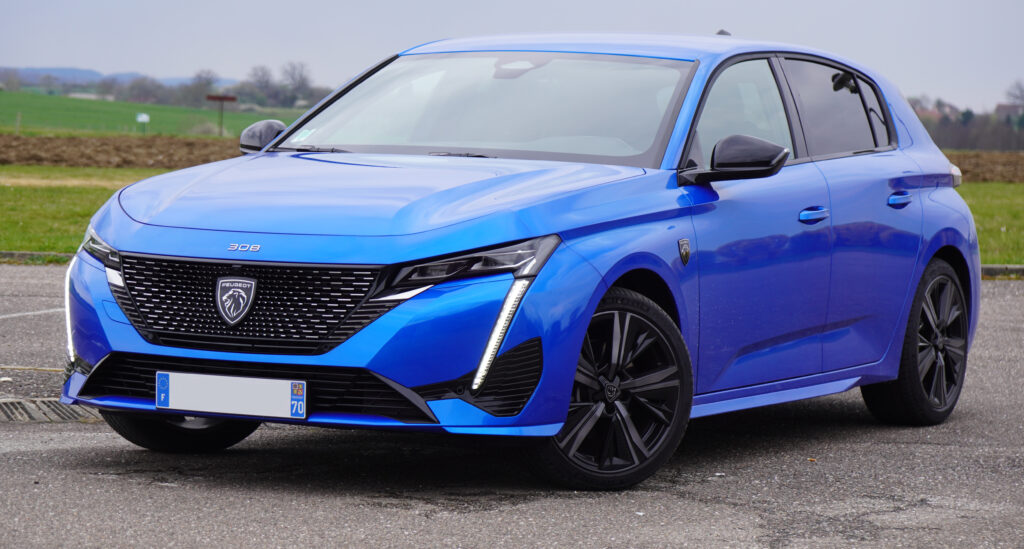
Choosing the correct oil for a Peugeot 308 is a little like choosing the right shoes for a long journey. The wrong pair might fit, but they’ll rub, cause discomfort, and eventually slow you down. Engine oil works the same way—pick the wrong type and your smooth French hatchback can turn into a grumpy, inefficient machine. Together, we’re going to walk through everything that matters about Peugeot 308 oil type: grades, specifications, engine variations, service intervals, and the small details most guides forget.
Content in this publication
- Why Oil Choice Matters More Than You Think
- Understanding Peugeot Oil Specifications
- Peugeot 308 Oil Type by Engine Generation
- Decoding Oil Grades Without Headaches
- Petrol Engines – PureTech Considerations
- Diesel Engines – BlueHDi and DPF Protection
- How Much Oil Does a Peugeot 308 Take?
- Checking Oil Level the Right Way
- Oil Change Intervals – Don’t Trust Myths
- Best Oil Brands for Peugeot 308
- Mixing Oils – Can We Do It?
- Symptoms of Wrong Oil in a 308
- Turbo and Oil – A Love Story
- Seasonal Oil Choices
- DIY Oil Change Tips
- Environmental Considerations
- Closing Thoughts – Treat the 308 Like a Good Friend
- FAQs
Why Oil Choice Matters More Than You Think
Oil is not just a slippery liquid sitting inside the engine. It’s a multitasking superhero. It lubricates moving parts, cools hot components, cleans microscopic debris, and even helps seal the combustion chamber. In modern Peugeot engines—especially the PureTech petrol and BlueHDi diesel units—the tolerances are tight and technology is sensitive.
Using the wrong oil can feel like feeding espresso to a goldfish: technically liquid, absolutely the wrong idea.
What Good Oil Does for a Peugeot 308
- Reduces internal friction
- Protects turbochargers
- Prevents carbon build-up
- Improves fuel economy
- Extends engine lifespan
Understanding Peugeot Oil Specifications
Peugeot doesn’t just recommend a thickness like 5W-30. The brand uses PSA (now Stellantis) standards that guarantee compatibility with emission systems and timing components.
The Most Common Standards
- PSA B71 2290 – Typical for many petrol and diesel engines
- PSA B71 2312 – Designed for BlueHDi diesels with DPF
- PSA B71 2297 – For modern PureTech petrol units
These codes are like secret passwords. If the bottle doesn’t carry one of them, we usually walk away.
Peugeot 308 Oil Type by Engine Generation
The 308 has lived several lives. Each generation and engine family has slightly different needs.
First Generation (2007–2013)
Older 1.6 VTi and HDi engines commonly prefer:
- 5W-30 fully synthetic
- PSA B71 2290 approval
Second Generation (2013–2021)
With the arrival of PureTech and BlueHDi:
- 0W-30 or 5W-30 depending on climate
- Stricter PSA B71 2297 / 2312 specs
Third Generation (2021–Present)
Hybrid and ultra-efficient units demand:
- Low-SAPS oils
- Often 0W-20 in some markets
Decoding Oil Grades Without Headaches
Those numbers like 5W-30 look mysterious, but they’re simpler than a coffee order.
What 5W-30 Really Means
- 5W – Flow at cold temperatures
- 30 – Thickness when hot
Think of winter honey versus summer honey. Same product, different behavior.
You may be interested in reading Peugeot 308 Timing Belt Replacement Cost – Everything We Need to Know
Petrol Engines – PureTech Considerations
The 1.2 PureTech is brilliant but sensitive. Timing belts run in oil, which means the oil must be:
- Low in additives that damage rubber
- High in detergents
- Strictly PSA approved
Using random supermarket oil here is like washing silk with bleach.
Diesel Engines – BlueHDi and DPF Protection
Diesel 308 models have particulate filters. These hate high-ash oils.
Must-Have Features
- Low SAPS formula
- Strong oxidation stability
- Turbo protection
How Much Oil Does a Peugeot 308 Take?
Depending on the engine:
- 1.2 PureTech – around 3.25 to 3.5 liters
- 1.6 HDi – roughly 3.75 liters
- 2.0 BlueHDi – close to 5 liters
Always check the dipstick after filling. Engines are like people—some drink a little more.
Checking Oil Level the Right Way
We’ve all seen drivers checking oil like they’re stirring soup. Let’s do it properly.
- Park on level ground
- Wait 5 minutes after shutdown
- Pull dipstick, wipe, reinsert
- Read between MIN and MAX
Oil Change Intervals – Don’t Trust Myths
Peugeot may suggest long intervals, but real life is harsher.
Our Practical Advice
- Petrol: every 10,000–12,000 km
- Diesel: every 12,000–15,000 km
- Short trips? Reduce by 20%
Oil ages like milk, not like wine.
Best Oil Brands for Peugeot 308
We’re not sponsored, just honest.
- TotalEnergies Quartz
- Motul Specific
- Castrol Edge
- Mobil 1 ESP
The key is the approval, not the logo.
Mixing Oils – Can We Do It?
In emergencies, yes—but only:
You may be interested in readingPeugeot 308 Timing Belt Replacement Cost – Everything We Need to KnowYou may be interested in reading
 Peugeot 308 Headlight Bulb Replacement
- Same viscosity
- Same standard
- Temporary solution
Mixing random oils is like blending perfumes: unpredictable results.
Symptoms of Wrong Oil in a 308
Your car talks; we just need to listen.
- Louder engine noise
- Sluggish turbo response
- Increased fuel use
- DPF warnings
Turbo and Oil – A Love Story
Turbos spin at insane speeds. Bad oil is their worst enemy.
Protect Your Turbo
- Let engine idle 30 seconds after hard drive
- Use fully synthetic oil
- Never exceed intervals
Seasonal Oil Choices
If you live where summers melt flip-flops or winters freeze eyelashes, viscosity matters.
- Cold climates: 0W-30
- Hot regions: 5W-30
DIY Oil Change Tips
We love getting hands dirty.
- Replace washer on sump plug
- Always change the filter
- Pre-fill filter if possible
- Reset service indicator
Environmental Considerations
Used oil is toxic. Treat it like a grumpy cat—handle with care.
- Recycle at authorized centers
- Avoid spills
- Choose low-SAPS oils
Closing Thoughts – Treat the 308 Like a Good Friend
The Peugeot 308 rewards care. Give it the right oil and it purrs like a satisfied lion. Ignore its needs and it sulks, drinks fuel, and complains through warning lights. We’ve learned that oil choice isn’t boring maintenance—it’s the heartbeat of reliability.
FAQs
1. Can I use 10W-40 in my Peugeot 308?
Generally no for modern engines. It lacks the PSA approvals and can harm PureTech belts and DPF systems.
2. Is 0W-30 better than 5W-30?
In cold climates, yes. It flows faster on startup and protects the turbo earlier.
3. What happens if I exceed oil change interval?
Oil degrades, sludge forms, and timing components can wear prematurely.
4. Do I need fully synthetic oil?
For most 308 engines, absolutely. Semi-synthetic is outdated for these tolerances.
You may be interested in readingPeugeot 308 Timing Belt Replacement Cost – Everything We Need to KnowYou may be interested in reading
Peugeot 308 Headlight Bulb ReplacementYou may be interested in reading
 Peugeot 308 Tyre Size – The Complete Guide to Getting It Right
5. Can wrong oil cause engine failure?
Over time, yes—especially on PureTech and BlueHDi units.
If you want to know other articles similar to Peugeot 308 Oil Type – The Complete Guide to Protecting Your Engine you can visit the category Service and Parts.
How to Reset Volvo XC60 Infotainment System: The Complete Practical Guide
Volvo XC60 Gearbox Oil Change: The Complete Expert Guide
Volvo XC60 Engine Management Light: Causes, Fixes, and What It Really Means

Skoda Kamiq Size Comparison: Dimensions, Space & Real-World Practicality
Volvo XC60 Headlight Adjustment for Europe: The Complete Practical Guide
Volvo XC60 City Safety Service Required: What It Means, Causes, and Fixes
Leave a Reply
More content of your interest