

Peugeot 308 SW Reliability: The Honest Long-Term Ownership Guide

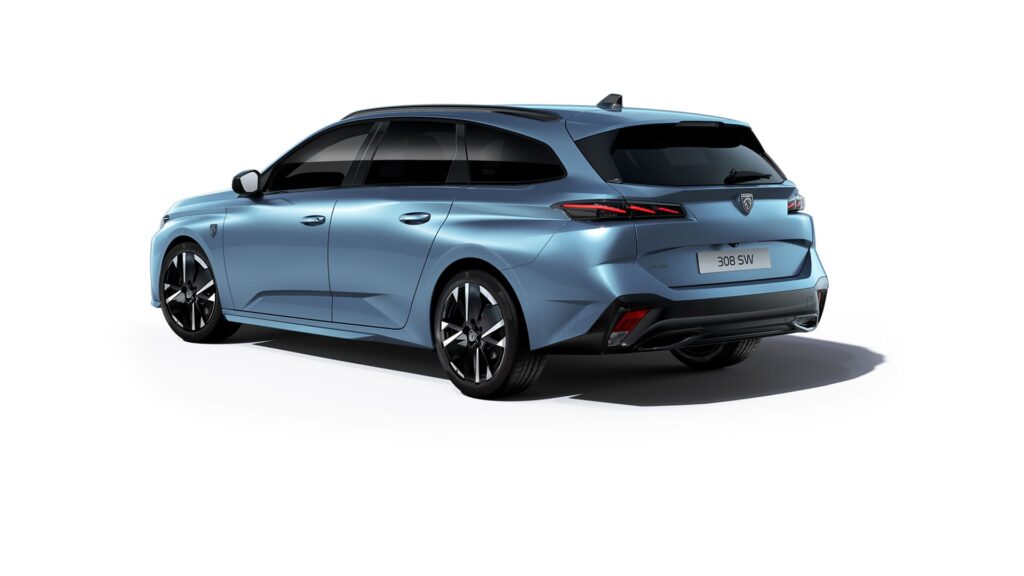
When we talk about Peugeot 308 SW reliability, we’re diving into more than just statistics and surveys. We’re asking a bigger question: Can this stylish French estate truly stand the test of time?
The Peugeot 308 SW isn’t just a stretched hatchback. It’s the practical sibling in the Peugeot 308 family—designed for families, long-distance drivers, and anyone who needs space without sacrificing flair.
But is it dependable? Or does it come with hidden gremlins beneath that elegant bodywork?
Let’s unpack everything.
Content in this publication
- Understanding the Peugeot 308 SW: A Quick Overview
- What Do We Really Mean by “Reliability”?
- First Generation 308 SW (2008–2013) Reliability
- Second Generation (2014–2021): A Major Turning Point
- Engine Reliability Breakdown
- Transmission Reliability
- Electrical System: The French Fear Factor?
- Suspension and Chassis Durability
- Hybrid Reliability (P5 Generation)
- Ownership Costs Over Time
- High-Mileage 308 SW: What Happens After 100,000 Miles?
- Peugeot 308 SW Reliability vs Competitors
- Real Owner Experience: What We’ve Learned
- Preventive Maintenance Tips
- Best Years for Reliability
- Is the Peugeot 308 SW Reliable for Families?
- Does Reliability Improve With Each Generation?
- Long-Term Verdict: Should We Trust It?
- Conclusion: The Balanced Truth
- Frequently Asked Questions
Understanding the Peugeot 308 SW: A Quick Overview
Before we evaluate reliability, we need context.
The 308 SW (Station Wagon) has spanned multiple generations:
- T7 (2008–2013)
- T9 (2014–2021)
- P5 (2022–present)
Each generation brought significant improvements in build quality, technology, and drivetrain refinement. Reliability trends evolved with them.
What Do We Really Mean by “Reliability”?
Reliability isn’t just “does it start in the morning?”
We evaluate:
- Engine durability
- Transmission strength
- Electrical system stability
- Suspension longevity
- Maintenance costs
- Recurring faults
- Real-world ownership experiences
A reliable car isn’t perfect—it’s predictable. And predictability is gold.
First Generation 308 SW (2008–2013) Reliability
The early T7 models were ambitious but not flawless.
Common Issues We’ve Seen
- Electrical glitches
- EGR valve failures (diesel)
- Turbo issues on early THP petrol engines
- Timing chain tensioner problems
- Suspension wear
The 1.6 THP petrol engine, co-developed with BMW, gained a reputation for timing chain stretching if maintenance wasn’t meticulous.
Is It Still Worth Buying?
Yes—if:
- It has full service history
- Timing components were replaced
- Electrical systems are verified
These cars are affordable now, but diligence is key.
Second Generation (2014–2021): A Major Turning Point
This is where reliability dramatically improved.
Built on PSA’s EMP2 platform, the T9 308 SW shed weight and complexity. Lighter cars tend to stress components less—and that’s exactly what happened here.
Improved Build Quality
- Stronger suspension components
- Better rust protection
- More refined electronics
- Improved gearbox calibration
Engine Reliability Breakdown
Let’s dissect the heart of the matter.
1.2 PureTech Petrol Engines
The 1.2 PureTech three-cylinder became the volume seller.
Pros:
- Strong fuel economy
- Smooth for a 3-cylinder
- Affordable servicing
Concerns:
- Wet timing belt degradation
- Oil dilution (rare cases)
If serviced on schedule with correct oil, longevity can exceed 120,000–150,000 miles.
1.6 THP Petrol (Later Revisions)
Later updates resolved many early timing chain problems.
- Reliable if maintained
- Strong performance
- Avoid neglected early units
1.6 BlueHDi Diesel
One of the most dependable engines in the lineup.
- Strong fuel efficiency
- Durable turbo
- Solid long-distance performance
High-mileage examples routinely exceed 200,000 miles.
2.0 BlueHDi Diesel
The quiet workhorse.
You may be interested in reading Dacia Duster Insurance Group: What You Really Need to Know Before You Buy
- Excellent motorway durability
- Strong torque
- Reliable EAT6 automatic option
If you want the safest bet, this is it.
Transmission Reliability
The 308 SW offers:
- 5-speed manual
- 6-speed manual
- EAT6 automatic
- EAT8 automatic
Manual Gearboxes
Generally robust. Clutch wear depends on driving style.
EAT6 & EAT8 Automatics
The Aisin-sourced automatics are impressively durable. With fluid changes around 60,000 miles, they perform smoothly long-term.
Electrical System: The French Fear Factor?
Older Peugeots had reputations for electrical quirks. The 308 SW changed that narrative.
Common Minor Glitches:
- Infotainment freezes
- Sensor warnings
- Occasional parking sensor faults
These are usually software-related, not catastrophic failures.
Suspension and Chassis Durability
Estate cars carry weight—kids, luggage, bikes, the lot.
Areas to Watch:
- Rear suspension bushings
- Front lower control arms
- Drop links
Most components last 60,000–90,000 miles before replacement.
Not alarming—just normal wear.
Hybrid Reliability (P5 Generation)
The latest generation introduces plug-in hybrid options.
So far:
- Battery packs show strong durability
- Electric motors are low-maintenance
- Early reports are positive
Long-term data is still developing, but no major red flags yet.
Ownership Costs Over Time
Reliability ties directly to cost.
Typical Annual Maintenance Costs:
- Oil service: Moderate
- Brake pads: Average
- Timing belt (PureTech): Higher due to wet belt
- Diesel servicing: Reasonable
Compared to German rivals, parts are often cheaper.
High-Mileage 308 SW: What Happens After 100,000 Miles?
Here’s where we separate myth from reality.
A well-maintained 308 SW can:
- Reach 150,000+ miles
- Maintain structural integrity
- Retain drivetrain smoothness
Neglected examples? Different story.
Maintenance history is everything.
Peugeot 308 SW Reliability vs Competitors
Let’s stack it against rivals:
- Volkswagen Golf Estate
- Ford Focus Estate
- Skoda Octavia Estate
- Vauxhall Astra Sports Tourer
In recent years, the 308 SW sits comfortably mid-to-upper tier in reliability surveys.
It no longer lags behind.
Real Owner Experience: What We’ve Learned
Owners consistently report:
- Comfortable long-distance driving
- Solid motorway performance
- Reasonable repair frequency
- Few catastrophic failures
The biggest complaints revolve around:
You may be interested in readingDacia Duster Insurance Group: What You Really Need to Know Before You BuyYou may be interested in reading
 Are Dacia Dusters Any Good? Honest Real-World Ownership Review
- Infotainment usability
- Wet belt replacement cost
Not engine explosions. Not gearbox failures.
That matters.
Preventive Maintenance Tips
Want maximum reliability? Follow this:
- Change oil every 6,000–8,000 miles
- Replace wet belt proactively
- Use manufacturer-approved oil
- Update software regularly
- Inspect suspension annually
Reliability isn’t magic. It’s maintenance.
Best Years for Reliability
Strong Choices:
- 2017–2021 T9 facelift
- 2.0 BlueHDi variants
- Manual or EAT8 combinations
More Caution:
- Early 2008–2011 petrol THP
- High-mileage neglected diesels
Is the Peugeot 308 SW Reliable for Families?
Absolutely.
It handles:
- School runs
- Road trips
- Heavy loads
- Daily commuting
Its chassis balance feels planted. Safe. Predictable.
That’s what families need.
Does Reliability Improve With Each Generation?
Yes. Dramatically.
- T7: Developing
- T9: Mature and dependable
- P5: Technologically advanced but promising
The reliability curve trends upward.
Long-Term Verdict: Should We Trust It?
The Peugeot 308 SW reliability story is no longer about skepticism.
It’s about intelligent ownership.
If you:
- Choose the right engine
- Follow service intervals
- Avoid neglected examples
You’ll likely enjoy years of dependable service.
It’s not bulletproof—but few cars are.
And it’s far more reliable than outdated stereotypes suggest.
Conclusion: The Balanced Truth
The Peugeot 308 SW has matured into a dependable estate car. Earlier generations had quirks, yes. But modern models—especially post-2017 versions—offer reassuring durability.
We wouldn’t hesitate to recommend a well-maintained example.
Reliability isn’t about perfection. It’s about consistency.
And in that regard, the 308 SW delivers.
Frequently Asked Questions
1. Is the Peugeot 308 SW more reliable than the hatchback?
Mechanically, they’re nearly identical. Reliability differences are negligible.
2. How long does the 1.2 PureTech engine last?
With proper maintenance, 120,000–150,000 miles is realistic.
3. Are Peugeot automatics reliable?
Yes. The EAT6 and EAT8 gearboxes are robust when serviced.
You may be interested in readingDacia Duster Insurance Group: What You Really Need to Know Before You BuyYou may be interested in reading
Are Dacia Dusters Any Good? Honest Real-World Ownership ReviewYou may be interested in reading
 Which Dacia Duster Is Best? The Real-World Buyer’s Guide
4. What is the biggest reliability concern?
Wet timing belt wear in early PureTech engines.
5. Is the 308 SW expensive to maintain?
No. It’s generally cheaper than German rivals.
If you want to know other articles similar to Peugeot 308 SW Reliability: The Honest Long-Term Ownership Guide you can visit the category Blog.
Volvo XC60 Quality: A Deep Dive Into Premium Craftsmanship and Everyday Excellence
Volvo XC60 Reliability by Year: The Complete Owner’s Guide
Which Ford Kuga Engine Is Best? The Ultimate Buyer’s Guide

Pros and Cons Mazda CX-30: The Real-World Ownership Breakdown
Peugeot 308 Years to Avoid: The Ultimate Buyer’s Guide
Dacia Duster Reliability: The Real Story Behind This Budget SUV
Leave a Reply
More content of your interest