

Peugeot 308 Tyre Pressure Reset – The Complete Driver’s Guide

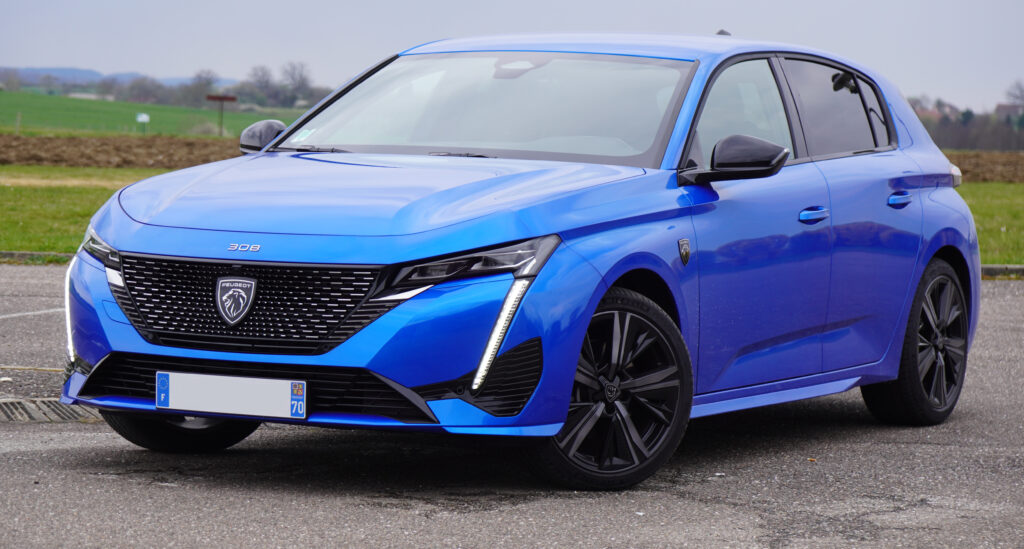
We’ve all seen it—that little amber warning light popping up on the dashboard like an unexpected guest. The Peugeot 308 is a brilliant car, but like any modern vehicle it keeps a watchful eye on tyre pressure. When the system detects a change, it asks for attention, and after correcting the pressure, it needs a reset. In this guide we walk together through everything about the Peugeot 308 tyre pressure reset, in plain human language, without dealership jargon, and with the confidence of a friend explaining it in the driveway.
Content in this publication
- Why Tyre Pressure Matters More Than We Think
- Understanding the Peugeot 308 TPMS System
- Common Reasons the Warning Light Appears
- Before You Reset – The Golden Rules
- Step-by-Step Peugeot 308 Tyre Pressure Reset
- Reset Through the Steering Wheel Controls
- Older Peugeot 308 Models
- What If the Light Comes Back?
- Finding the Correct Tyre Pressure
- Seasonal Temperature Traps
- After Changing or Rotating Tyres
- Driving Style and Pressure
- DIY Tools Worth Having
- When to Visit a Professional
- Reset vs Calibration – Not the Same
- Battery Life in TPMS Sensors
- Peugeot 308 Variants and Differences
- Real-World Reset Story
- Preventing Future Alerts
- A Quick Troubleshooting Checklist
- Living Happily With Your 308
- Closing Thoughts
- FAQs
Why Tyre Pressure Matters More Than We Think
Tyres are like the shoes of the car. If they’re too tight or too loose, the whole journey feels wrong. Correct pressure:
- Improves fuel efficiency
- Keeps braking distances short
- Protects tyre lifespan
- Maintains steering precision
- Reduces risk of blowouts
Ignoring pressure is like jogging with one flat trainer—possible, but uncomfortable and risky.
Understanding the Peugeot 308 TPMS System
The 308 uses a Tyre Pressure Monitoring System (TPMS). Instead of guessing, the car listens to its wheels and tells us when something is off. It doesn’t always measure exact PSI; often it tracks rotational differences to detect underinflation.
Think of it as the car’s sixth sense—quiet until it notices something strange.
Common Reasons the Warning Light Appears
The light isn’t always drama. It can show up because of:
- Natural pressure loss over time
- Sudden temperature drops
- A puncture
- Changing tyre sizes
- After rotating wheels
- Following tyre replacement
Not every alert means a nail in the rubber—sometimes it’s just physics doing its thing.
Before You Reset – The Golden Rules
We never reset first and ask questions later. The right order is:
- Check all four tyres with a reliable gauge
- Inflate to the values on the driver door sticker
- Inspect for damage
- Only then perform the reset
Resetting without correcting pressure is like silencing a smoke alarm instead of putting out the fire.
Step-by-Step Peugeot 308 Tyre Pressure Reset
Let’s walk through the most common method used in recent models.
- Turn ignition on (engine can be off)
- Tap the vehicle settings icon
- Enter “Driving Functions”
- Select “Under-inflation initialization”
- Confirm the reset
The car thinks for a moment, like taking a deep breath, and relearns the new baseline.
Reset Through the Steering Wheel Controls
Some trims use physical buttons:
- Press the menu button
- Scroll to vehicle settings
- Choose tyre initialization
- Hold OK to confirm
Different routes, same destination.
Older Peugeot 308 Models
Earlier generations may require:
You may be interested in reading Peugeot 308 Wet Belt Replacement Cost – What Every Owner Needs to Know
- Ignition on
- Long press on the TPMS button near the steering column
- Audible confirmation beep
Peugeot changed the recipe over the years, but the ingredients stayed similar.
What If the Light Comes Back?
If the warning returns after a reset, the car is waving a bigger flag. Possible causes:
- Slow puncture
- Faulty TPMS sensor
- Incorrect pressure values
- Uneven tyre wear
- Damaged valve stem
At that point we play detective rather than magician.
Finding the Correct Tyre Pressure
The magic numbers live in three places:
- Driver door jamb sticker
- Fuel flap label
- Owner’s manual
Front and rear often differ. Load and speed can change the recommendation too.
Seasonal Temperature Traps
Cold mornings steal pressure like a sneaky pickpocket. For every 10°C drop, tyres can lose around 1–2 PSI. That’s why autumn is TPMS season.
We like to check pressures when tyres are cold—before the sun and the road heat them up.
After Changing or Rotating Tyres
Any time wheels are:
- Replaced
- Rotated
- Repaired
- Swapped for winter set
A reset is essential. The car must learn the new rhythm of the wheels.
Driving Style and Pressure
Underinflated tyres behave like tired legs:
- Sluggish acceleration
- Wandering steering
- Higher fuel use
- Hotter rubber
Overinflated ones feel like bouncing on a trampoline—less grip, more harshness.
DIY Tools Worth Having
Every Peugeot 308 owner should keep:
- Digital tyre gauge
- 12V compressor
- Valve caps
- Tyre tread depth tool
Small kit, big peace of mind.
When to Visit a Professional
We head to a tyre shop if we notice:
You may be interested in readingPeugeot 308 Wet Belt Replacement Cost – What Every Owner Needs to KnowYou may be interested in reading
 Peugeot 308 Clutch Replacement Cost: The Real Price Breakdown
- Visible cuts or bulges
- Repeated pressure loss
- Vibrations at speed
- TPMS fault message
Some problems need experienced hands and calibrated equipment.
Reset vs Calibration – Not the Same
Reset tells the car: “These are the new normal pressures.”
Calibration checks the sensors themselves.
Mixing the two is like confusing a haircut with a health check.
Battery Life in TPMS Sensors
Inside each wheel lives a tiny battery. After 5–7 years it can fade, causing:
- Intermittent warnings
- No communication
- Constant alerts
Replacement requires tyre removal and reprogramming.
Peugeot 308 Variants and Differences
Hatchback, SW estate, GT Line, hybrid versions—menus may vary slightly. The spirit remains the same, but buttons change their outfits.
Real-World Reset Story
Imagine leaving work on a chilly evening. The light appears, heart skips a beat. We stop, check pressures, add a little air, perform the reset, and the dashboard relaxes again. No drama, just routine car care.
Preventing Future Alerts
- Check pressures monthly
- Inspect tyres before long trips
- Avoid hitting potholes
- Replace worn rubber early
Treat tyres kindly and they’ll carry us faithfully.
A Quick Troubleshooting Checklist
- Correct PSI set?
- All four tyres matched?
- Spare wheel condition?
- Valve caps tight?
- System reset completed?
Run through this list before assuming the worst.
Living Happily With Your 308
The tyre pressure reset isn’t a mysterious ritual. It’s more like teaching the car a new melody after tuning the instruments. Once you’ve done it twice, it feels as natural as changing radio stations.
Closing Thoughts
We’ve explored the roads of the Peugeot 308 tyre pressure reset together—from understanding why the light appears to confidently clearing it after setting correct pressures. The process is simple when approached calmly and in the right order. Tyres are the only part touching the road; caring for them is caring for every journey ahead. Treat the reset as a friendly handshake between driver and car, a moment where both agree on a safe path forward.
FAQs
1. Can I reset the Peugeot 308 tyre pressure without fixing the pressure first?
No. The reset only stores current values. If tyres are wrong, the light will return.
2. How long does the reset take to complete?
Usually a few seconds on the menu, and a short drive for the system to relearn.
3. Does the spare tyre affect the warning?
On most 308 models the spare isn’t monitored, but a mismatched wheel can confuse the system.
Peugeot 308 Wet Belt Replacement Cost – What Every Owner Needs to KnowYou may be interested in reading
Peugeot 308 Clutch Replacement Cost: The Real Price BreakdownYou may be interested in reading
 Peugeot 308 Clutch Master Cylinder Replacement: Complete Guide, Costs & DIY Insights
4. Why did the light appear after a cold night?
Temperature drop reduces PSI naturally, often triggering the alert.
5. Do I need a dealer for every reset?
Not at all—most drivers can do it from the touchscreen at home.
If you want to know other articles similar to Peugeot 308 Tyre Pressure Reset – The Complete Driver’s Guide you can visit the category Service and Parts.
Ford Mondeo Key Fob Not Working: Complete Troubleshooting & Fix Guide
Ford Mondeo Gearbox Replacement Cost: What You Really Need to Know
Ford Mondeo Alternator Replacement Cost: Complete Guide for Smart Owners
Ford Mondeo Oil Service Reset: The Complete DIY Guide We Wish We Had Earlier
Ford Mondeo Service Reset: The Complete DIY Guide We Actually Use
Ford Mondeo Headlight Bulb Replacement: The Complete DIY Guide
Leave a Reply
More content of your interest