

Peugeot 308 Tyre Pressure – The Complete Everyday Guide

Content in this publication
- Why We Care About Tyre Pressure More Than We Think
- Understanding the Soul of Tyre Pressure
- Recommended Peugeot 308 Tyre Pressure Values
- How to Check Tyre Pressure on the Peugeot 308
- The TPMS System – The Car’s Quiet Guardian
- Consequences of Wrong Pressure
- Seasonal Changes and Their Tricks
- Different Wheel Sizes, Different Needs
- Petrol vs Diesel vs Hybrid 308
- Tyre Pressure and Fuel Economy
- How Often Should We Check?
- Choosing the Right Tyres for the 308
- Practical Tips from Daily Drivers
- Common Myths We Should Forget
- Driving Feel and Tyre Pressure
- Troubleshooting Uneven Wear
- Professional Service vs DIY
- A Short Story of Prevention
- Closing Thoughts
- FAQs
Why We Care About Tyre Pressure More Than We Think
We often treat tyres like the shoes of our car—out of sight, out of mind. Yet the right pressure in a Peugeot 308 is the invisible thread that holds together comfort, safety, fuel economy, and even the life of the tyres themselves. When the air inside those rubber circles is just right, the car feels light on its feet, like a well-tuned instrument. When it’s wrong, the drive becomes a grumpy conversation full of bumps, noise, and wasted fuel.
In this guide we walk together through everything worth knowing about Peugeot 308 tyre pressure—from exact numbers to real-world habits that make ownership easier.
Understanding the Soul of Tyre Pressure
What Tyre Pressure Actually Does
- Supports the weight of the vehicle
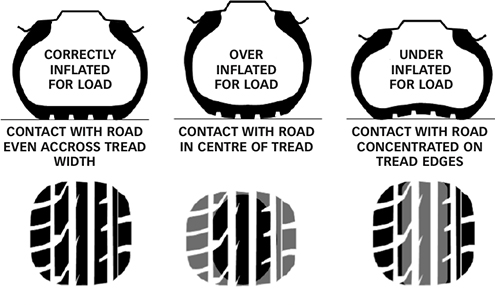
- Shapes the contact patch with the road
- Influences braking distance
- Affects steering response
- Determines how evenly the tyre wears
Think of tyre pressure as the heartbeat of the wheel. Too low and the heart gets lazy; too high and it races without control.
Where Peugeot Hides the Official Numbers
On every 308 you’ll find the recommended pressures in three places:
- Inside the driver’s door frame
- On the fuel flap sticker
- In the owner’s manual
These figures are more trustworthy than any generic website because they consider engine type, wheel size, and load.
Recommended Peugeot 308 Tyre Pressure Values
Typical Settings for Common Versions
While we always check the sticker, most Peugeot 308 models fall around:
- Front: 32–35 PSI (2.2–2.4 bar)
- Rear: 30–33 PSI (2.1–2.3 bar)
Estate, GT, or heavily loaded versions may ask for a few PSI more at the rear.
Pressure for Motorway and Heavy Load
When we travel with family, luggage, or a full boot:
- Add +3 to +4 PSI to the rear
- Keep fronts close to standard
- Return to normal after unloading
It’s like tightening the belt before a long walk.
How to Check Tyre Pressure on the Peugeot 308
Tools We Need
- Reliable pressure gauge
- Air compressor or petrol station pump
- A few patient minutes
Step-by-Step Ritual
- Check tyres when they are cold
- Remove valve cap
- Attach gauge firmly
- Compare with sticker value
- Inflate or deflate gently
- Replace cap
This simple dance once a month saves money without us noticing.
The TPMS System – The Car’s Quiet Guardian
What the Peugeot 308 TPMS Does
The Tyre Pressure Monitoring System watches each wheel and warns us with a dashboard light when something drifts away from normal.
You may be interested in reading Peugeot 308 Boot Space – A Real-World Guide to Practicality
Resetting TPMS After Inflation
- Turn ignition on
- Open vehicle settings on the screen
- Choose tyre under-inflation initialization
- Confirm
Without this reset the car keeps worrying like an overprotective parent.
Consequences of Wrong Pressure
When Pressure Is Too Low
- Increased fuel consumption
- Soft, vague steering
- Overheating tyres
- Risk of blowout
- Rapid shoulder wear
The car feels like walking in wet sand.
When Pressure Is Too High
- Harsh ride
- Reduced grip in the wet
- Centre tyre wear
- Longer braking distance
It becomes like bouncing on tiptoes.
Seasonal Changes and Their Tricks
Winter Behaviour
Cold air shrinks. For every 10°C drop, tyres lose about 1 PSI. We often wake up to a warning light after the first frosty night.
Summer Behaviour
Heat expands air, so motorway drives can push pressure beyond safe limits. Checking before long trips keeps surprises away.
Different Wheel Sizes, Different Needs
16-Inch Wheels
- Usually lower pressures
- Focus on comfort
- Ideal for city use
17 and 18-Inch Wheels
- Slightly higher pressures
- Sharper handling
- Less forgiving ride
The bigger the rim, the more precise we must be.
Petrol vs Diesel vs Hybrid 308
Engine weight changes the balance:
- Diesel: heavier nose → higher front pressure
- Petrol: more balanced
- Hybrid: additional battery weight → tailored settings on sticker
Tyre Pressure and Fuel Economy
A drop of just 5 PSI can increase fuel use by up to 3%. Over a year that is a tank of fuel evaporating for no reason. Keeping tyres right is the cheapest tuning we can perform.
How Often Should We Check?
- Every month
- Before long trips
- After hitting a pothole
- When seasons change
Make it a small habit like watering a plant.
Choosing the Right Tyres for the 308
Summer Tyres
Need precise pressure for grip and quietness.
All-Season Tyres
Tolerate slight variations but still demand respect.
You may be interested in readingPeugeot 308 Boot Space – A Real-World Guide to PracticalityYou may be interested in reading
 Peugeot 308 Size – A Real-World Guide to Dimensions, Space, and Everyday Comfort
Winter Tyres
Often require 2 PSI more due to softer compound.
Practical Tips from Daily Drivers
- Keep a digital gauge in the glovebox
- Don’t rely solely on TPMS
- Check the spare wheel too
- Replace missing valve caps
Little things build big reliability.
Common Myths We Should Forget
- Myth: Maximum pressure on the tyre wall is recommended
- Truth: It’s the limit, not the target.
- Myth: New tyres don’t need checking
- Truth: They lose air just like old ones.
- Myth: Pressure is the same for all 308s
- Truth: Each version has its own recipe.
Driving Feel and Tyre Pressure
Correct pressure makes the 308 feel like a well-ironed shirt—smooth, confident, and ready for the day. Wrong pressure wrinkles the whole experience.
Troubleshooting Uneven Wear
- Wear on edges → pressure too low
- Wear in centre → pressure too high
- Feathered pattern → alignment issue
Tyres speak; we just need to listen.
Professional Service vs DIY
Garages use calibrated gauges, yet our own monthly check is still essential. Think of professionals as dentists and us as daily tooth-brushers.
A Short Story of Prevention
Many owners discover the importance of pressure only after a ruined tyre or failed MOT. Spending five minutes with a pump is cheaper than learning the hard way.
Closing Thoughts
The Peugeot 308 is a balanced, friendly car, and tyre pressure is the language it uses to talk with the road. When we keep that language clear, the car rewards us with comfort, safety, and lower bills. It’s not complicated—just a small ritual that keeps every journey calm.
FAQs
1. What is the standard Peugeot 308 tyre pressure?
Most versions sit around 32–35 PSI front and 30–33 PSI rear, but always follow the door-sticker for your exact model.
2. Can I drive with the TPMS light on?
We can drive carefully to the nearest pump, but prolonged driving risks tyre damage and poor braking.
3. Should pressures be checked hot or cold?
Always cold, ideally after the car has rested for several hours.
4. Do I need higher pressure for motorway trips?
Yes, adding 3–4 PSI at the rear when fully loaded is recommended.
Peugeot 308 Boot Space – A Real-World Guide to PracticalityYou may be interested in reading
Peugeot 308 Size – A Real-World Guide to Dimensions, Space, and Everyday ComfortYou may be interested in reading
 Peugeot 308 Engine Fault Repair Needed
5. How often do tyres naturally lose pressure?
Around 1–2 PSI per month, more with temperature swings.
If you want to know other articles similar to Peugeot 308 Tyre Pressure – The Complete Everyday Guide you can visit the category Service and Parts.
How to Reset Volvo XC60 Infotainment System: The Complete Practical Guide
Volvo XC60 Gearbox Oil Change: The Complete Expert Guide
Volvo XC60 Engine Management Light: Causes, Fixes, and What It Really Means

Skoda Kamiq Size Comparison: Dimensions, Space & Real-World Practicality
Volvo XC60 Headlight Adjustment for Europe: The Complete Practical Guide
Volvo XC60 City Safety Service Required: What It Means, Causes, and Fixes
Leave a Reply
More content of your interest