

Peugeot 308 Years to Avoid: The Honest Buyer’s Guide

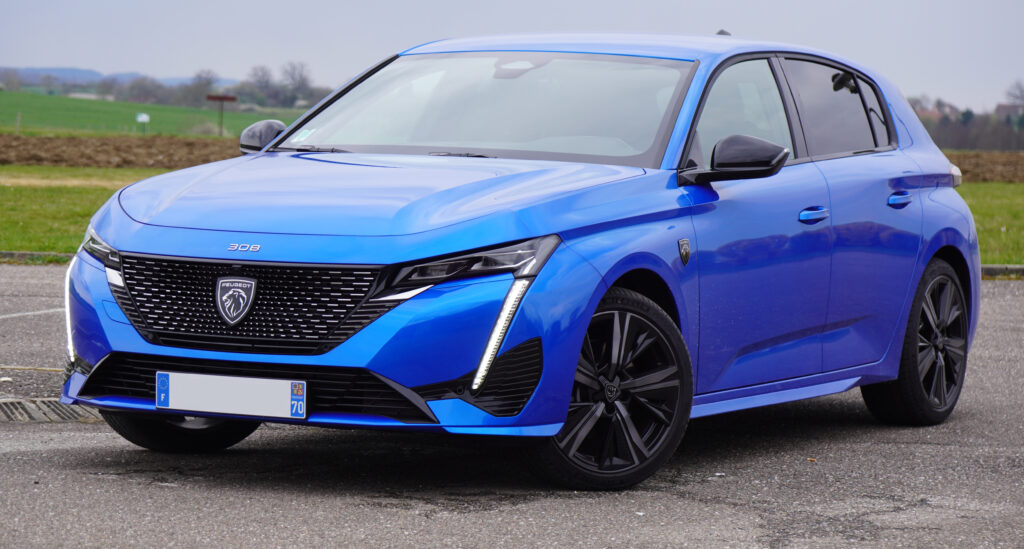
When we talk about the Peugeot 308 years to avoid, we’re not trying to scare you off the car. Quite the opposite. The 308, built by Peugeot, has been one of Europe’s most stylish and practical hatchbacks since its debut in 2007. It competes confidently with icons like the Volkswagen Golf and Ford Focus.
But every model has its weak spots. And if we’re spending our hard-earned money, we deserve to know which production years bring headaches… and which ones quietly deliver peace of mind.
So let’s roll up our sleeves and dig into it properly.
Content in this publication
- Why “Years to Avoid” Even Matter
- Peugeot 308 Generations at a Glance
- 1. 2008 Peugeot 308
- 2. 2009 Peugeot 308
- 3. 2010 Peugeot 308 (1.6 THP Models)
- 4. 2014 Early Second-Gen Models
- 1. 1.6 THP (Turbo Petrol)
- 2. Early 1.2 PureTech (Pre-2017)
- Diesel Models: Safer or Not?
- 2016–2019 Peugeot 308
- 2018–2020 Diesel Models
Why “Years to Avoid” Even Matter
Buying used is like dating someone’s ex. You’re not getting the shiny brochure version — you’re inheriting history. Maintenance habits. Engineering quirks. Design experiments.
Some model years:
- Introduced new engines with teething issues
- Suffered early electronic glitches
- Had problematic transmissions
- Used components later redesigned or recalled
Knowing this helps us buy smart — not just cheap.
Peugeot 308 Generations at a Glance
Before we single out the risky years, we need context.
First Generation (T7) – 2007 to 2013
- Replaced the Peugeot 307
- Petrol and diesel range including 1.4, 1.6 VTi, 1.6 THP, 1.6 HDi
- Known for electrical quirks and engine concerns
Second Generation (T9) – 2013 to 2021
- Lighter EMP2 platform
- Improved interior quality
- More refined engines
- Better reliability overall
Third Generation – 2021 onwards
- Modern styling
- Plug-in hybrid options
- Still too new for long-term reliability verdicts
Now let’s get specific.
Peugeot 308 Years to Avoid
1. 2008 Peugeot 308
The early T7 years were experimental. And 2008? That’s where we saw recurring issues.
Common Problems
- 1.6 THP timing chain stretch
- Turbo failures
- Electrical gremlins
- Power steering faults
The timing chain problem in particular became infamous. Rattling noise on cold start? That was often the warning sign.
If poorly maintained, this could snowball into expensive engine damage.
2. 2009 Peugeot 308
Not dramatically worse than 2008 — but not significantly better either.
Why It’s Risky
- Continued THP engine carbon buildup
- Oil consumption issues
- Automatic gearbox hesitation
- Sensor failures
Direct injection engines were still evolving. Carbon buildup clogged intake valves like cholesterol in arteries.
3. 2010 Peugeot 308 (1.6 THP Models)
Let’s be clear: not every 2010 308 is bad. Diesel variants can be solid if maintained.
But petrol 1.6 THP versions? Approach with caution.
Recurring Issues
- Timing chain tensioner failure
- High-pressure fuel pump problems
- Cooling system leaks
Repair bills often shocked unsuspecting buyers.
4. 2014 Early Second-Gen Models
The second generation launched in 2013–2014. It was a big leap forward — but early production units sometimes struggled.
What Went Wrong
- Infotainment freezing
- Touchscreen lag
- AdBlue system faults (diesel)
- Early PureTech belt wear reports
The 1.2 PureTech wet belt issue — where the belt runs in oil — later became widely discussed. Poor oil maintenance accelerated belt degradation.
You may be interested in reading Dacia Duster Reliability: The Honest Long-Term Verdict
Engines That Trigger Red Flags
Not every year is bad — sometimes it’s the engine variant.
1. 1.6 THP (Turbo Petrol)
Jointly developed with BMW, this engine had performance flair but reliability fragility in early years.
Common faults:
- Timing chain stretch
- Oil leaks
- Carbon buildup
- Turbo actuator problems
Later revisions improved things, but early examples are the gamble.
2. Early 1.2 PureTech (Pre-2017)
Brilliant fuel economy. Smooth drive. But…
- Wet timing belt deterioration
- Oil contamination
- Belt debris blocking oil pickup
If oil changes were delayed? Risk increases dramatically.
Diesel Models: Safer or Not?
The 1.6 HDi diesel is generally more robust. But:
- EGR valve clogging
- DPF issues on short urban drives
- Turbo wear with poor servicing
Diesels reward motorway use and strict maintenance schedules.
Years Generally Considered Safer
Now let’s flip the coin.
2016–2019 Peugeot 308
These years benefit from:
- Refined PureTech engines
- Improved electronics
- Better gearbox calibration
- Resolved early touchscreen glitches
Facelift updates improved reliability perception.
2018–2020 Diesel Models
Updated emissions systems. Better software integration. Fewer widespread complaints.
Automatic vs Manual: Which Is Riskier?
Automatic transmissions in early models sometimes showed:
- Hesitation
- Rough shifting
- Software glitches
Manual gearboxes tend to be simpler and more durable — especially in earlier T7 models.
Warning Signs When Buying Used
If we’re inspecting a used Peugeot 308, here’s what we look for:
Engine Check
- Rattling on cold start
- Blue smoke from exhaust
- Oil level unusually low
Service History
- Regular oil changes?
- Timing belt replaced on PureTech?
- AdBlue repairs documented?
Electronics
- Touchscreen responsiveness
- Dashboard warning lights
- Central locking function
Cost of Ignoring Problem Years
Let’s talk numbers.
- Timing chain replacement: expensive
- Turbo replacement: very expensive
- Wet belt failure: potentially catastrophic
- AdBlue system repair: not cheap
A “cheap” 308 can become expensive overnight.
Should You Avoid These Years Completely?
Not necessarily.
You may be interested in readingDacia Duster Reliability: The Honest Long-Term VerdictYou may be interested in reading
 Dacia Duster Insurance Group: What You Really Need to Know Before You Buy
If:
- Full service history exists
- Known faults were repaired
- Price reflects risk
- Independent inspection checks out
Then even a “problem year” can be safe.
Maintenance matters more than model year.
Ownership Experience: The Bigger Picture
The Peugeot 308 offers:
- Sharp European handling
- Elegant interior design
- Comfortable ride
- Competitive fuel economy
When properly maintained, it’s a genuinely enjoyable hatchback.
But neglect turns small issues into major ones.
The Smart Buyer Strategy
Here’s our approach:
- Avoid early 2008–2010 THP petrol unless documented repairs done
- Be cautious with early PureTech (pre-2017)
- Favor 2016+ facelift models
- Choose manual over early automatics
- Prioritize service history over low mileage
Mileage without maintenance is meaningless.
Final Verdict: Peugeot 308 Years to Avoid
If we’re being precise, the Peugeot 308 years to avoid primarily include:
- 2008
- 2009
- 2010 (THP models)
- Early 2014 production units
- Pre-2017 PureTech variants without belt updates
But this isn’t black and white. It’s about risk management.
Buy with knowledge. Inspect carefully. Budget wisely.
The 308 can be a gem — but only if we choose the right year.
Conclusion
The Peugeot 308 isn’t unreliable across the board. In fact, later models are impressively sorted. The key is understanding which years introduced mechanical experiments that didn’t age gracefully.
Think of it like buying a house. Some builds had plumbing issues. Later revisions fixed them. You just don’t want to inherit the cracked pipes.
Armed with this guide, we don’t guess. We decide.
FAQs
1. Is the Peugeot 308 unreliable overall?
No. Later second-generation models (2016+) show much improved reliability.
2. What engine should I avoid in a used Peugeot 308?
Early 1.6 THP petrol engines and early 1.2 PureTech (pre-2017) models without belt updates.
3. Are diesel Peugeot 308 models more reliable?
Generally yes, especially 1.6 HDi models, but DPF issues can occur with short urban driving.
You may be interested in readingDacia Duster Reliability: The Honest Long-Term VerdictYou may be interested in reading
Dacia Duster Insurance Group: What You Really Need to Know Before You BuyYou may be interested in reading
 Dacia Duster Years to Avoid: The Honest Buyer’s Guide
4. Is the automatic gearbox problematic?
Early automatics had hesitation issues. Later models improved significantly.
5. What is the safest used Peugeot 308 to buy?
2016–2019 facelift models with full service history are typically the safest bet.
If you want to know other articles similar to Peugeot 308 Years to Avoid: The Honest Buyer’s Guide you can visit the category Blog.
Jaguar F-Pace Insurance Group: Costs, Factors, and Ways to Save

Jaguar F-Pace Years to Avoid: A Complete Buyer’s Guide

Are Land Rover Discovery Sport Easy to Steal? A Real-World Guide for Owners

How Much Is a Land Rover Discovery Sport? Complete Price Guide, Costs, and Ownership Insights

Land Rover Discovery Sport Quality: A Deep Dive Into Build, Comfort, and Reliability

Land Rover Discovery Sport Years to Avoid (Forum Insights & Owner Experiences)
Leave a Reply
More content of your interest