

Peugeot 308 Years to Avoid: The Ultimate Buyer’s Guide

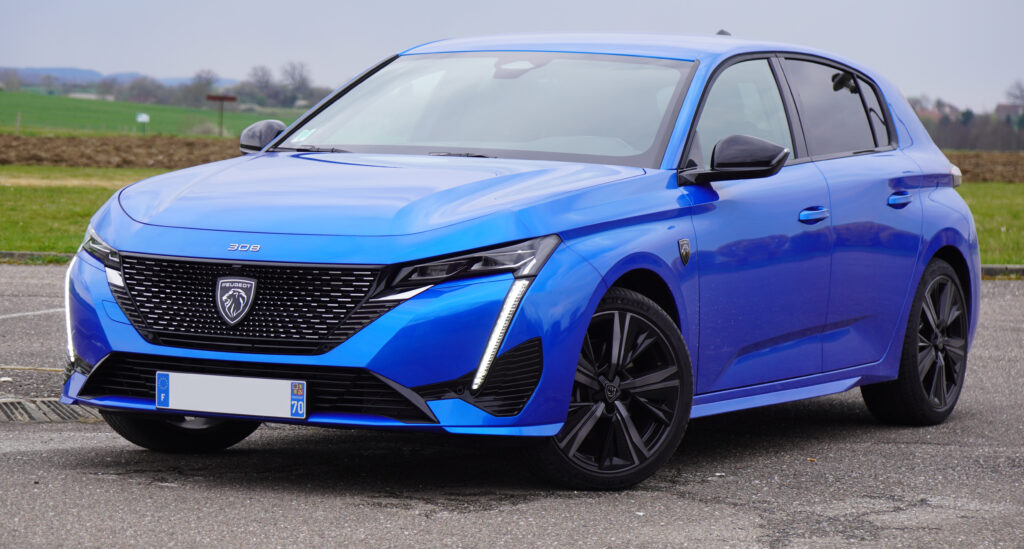
When we talk about the Peugeot 308, we’re stepping into a world of European charm, efficient engines, and stylish design. But—like any car—some years shine while others… well, let’s just say they’re better left on the forecourt.
So, if we’re considering buying one, the big question becomes: which Peugeot 308 years should we avoid—and why?
Let’s break it down together, step by step, like seasoned car hunters.
Content in this publication
- Understanding the Peugeot 308 Generations
- Why Some Peugeot 308 Years Should Be Avoided
- Peugeot 308 Years to Avoid (The Key Offenders)
- Years That Are Generally Safer Choices
- Key Problems Across Multiple Years
- What Causes These Problems?
- How to Avoid Buying a Bad Peugeot 308
- Petrol vs Diesel: Which Is Safer?
- Manual vs Automatic Reliability
- Running Costs You Should Expect
- Should We Avoid the Peugeot 308 Entirely?
- Who Should Buy a Peugeot 308?
- Alternatives Worth Considering
- Final Verdict: Peugeot 308 Years to Avoid
- Conclusion: Buy Smart, Not Blind
- FAQs
Understanding the Peugeot 308 Generations
Before we point fingers at specific years, we need context. The 308 has evolved across three main generations.
First Generation (2007–2013)

This was Peugeot’s attempt to refine the 307 formula. Solid, but plagued by early reliability quirks.
Second Generation (2013–2021)
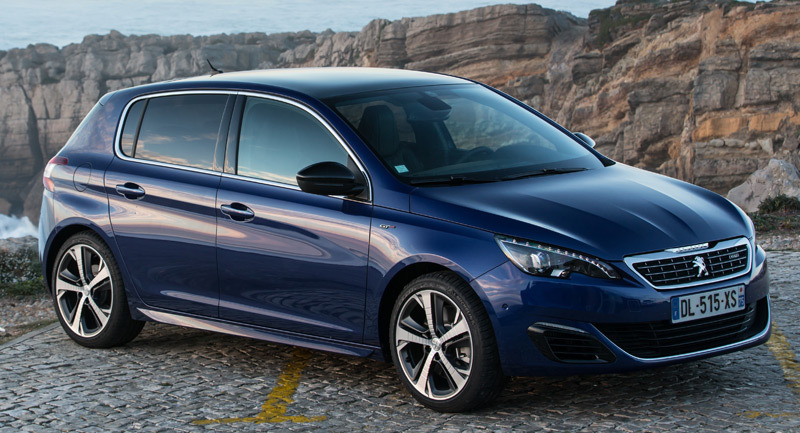
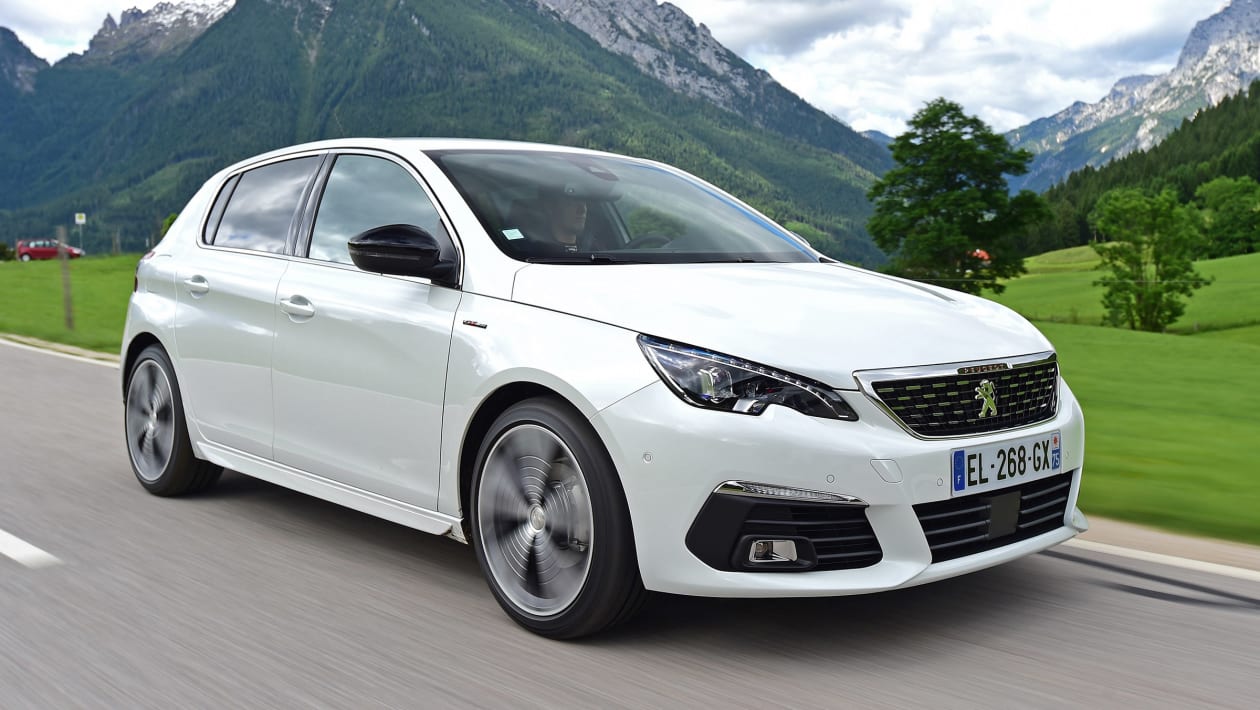
A massive leap forward—lighter, more efficient, and more premium.
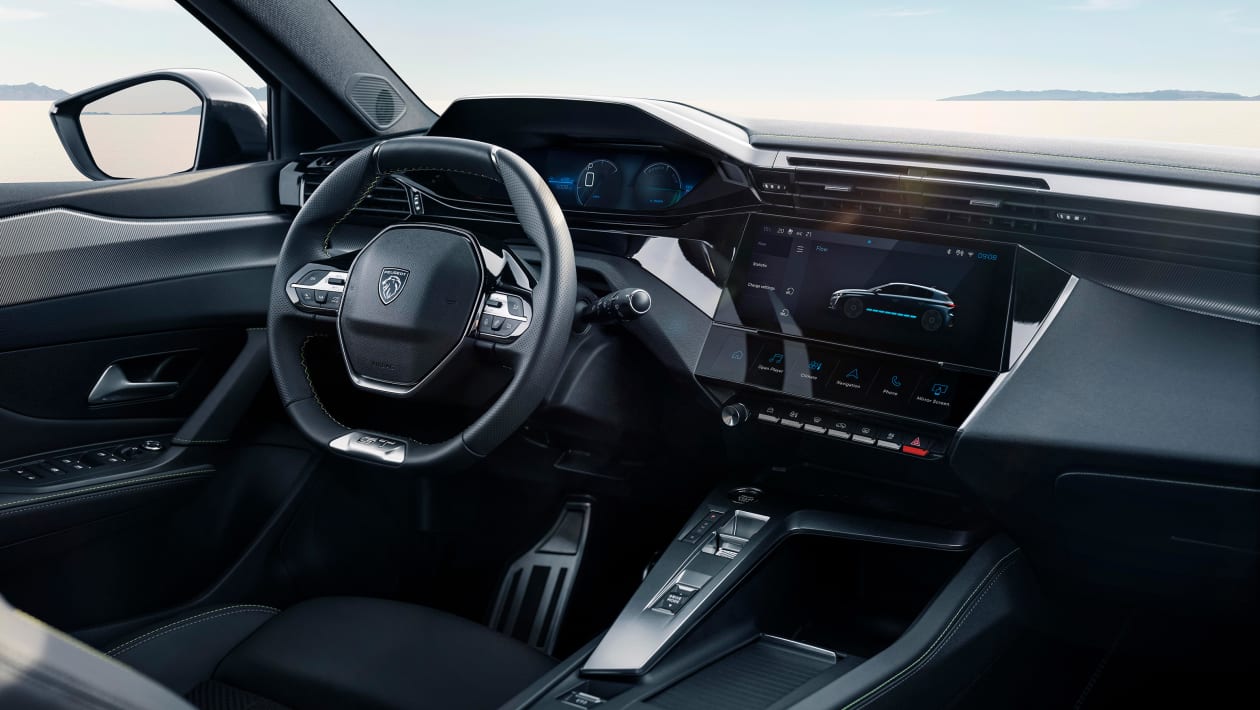
Third Generation (2021–Present)

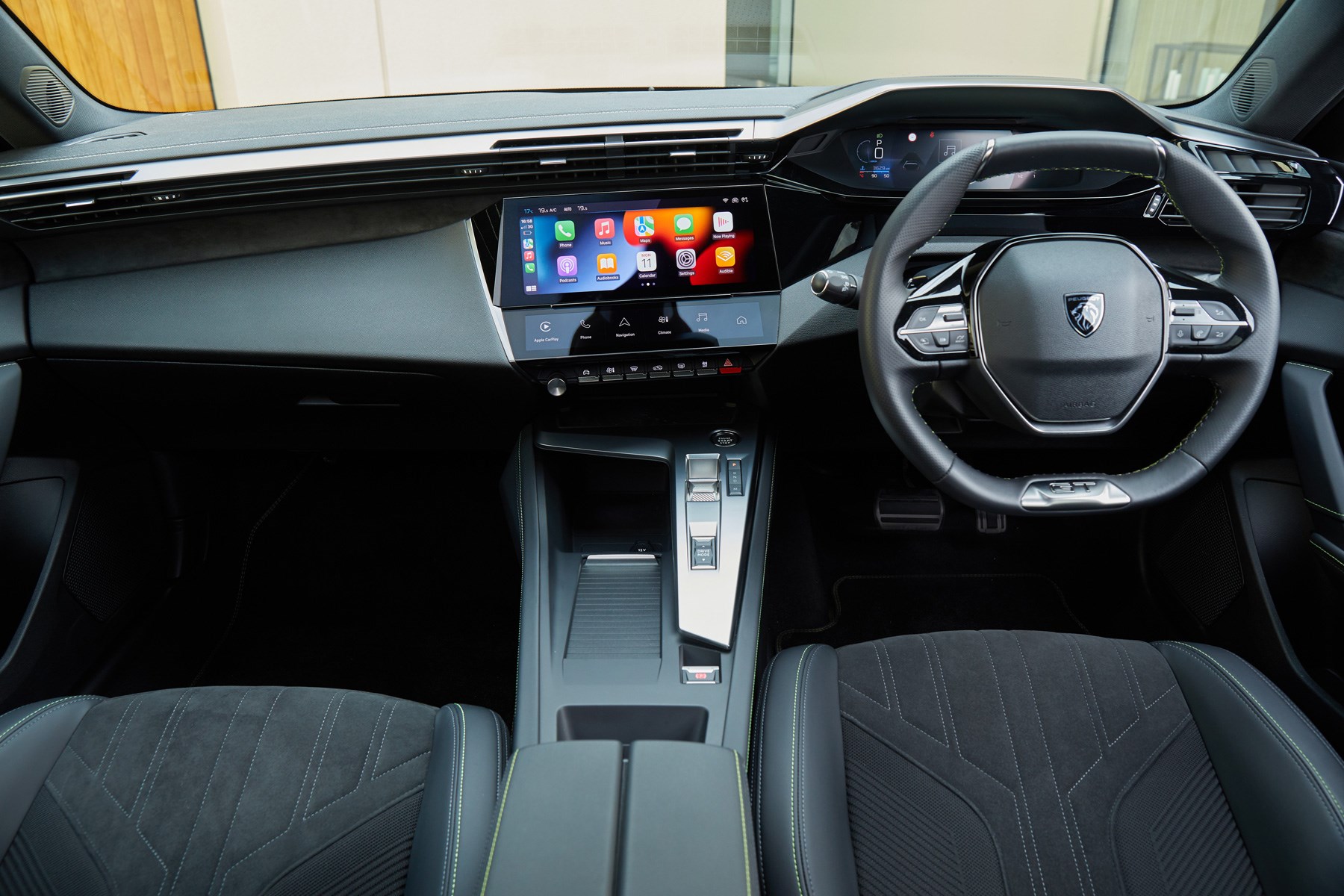
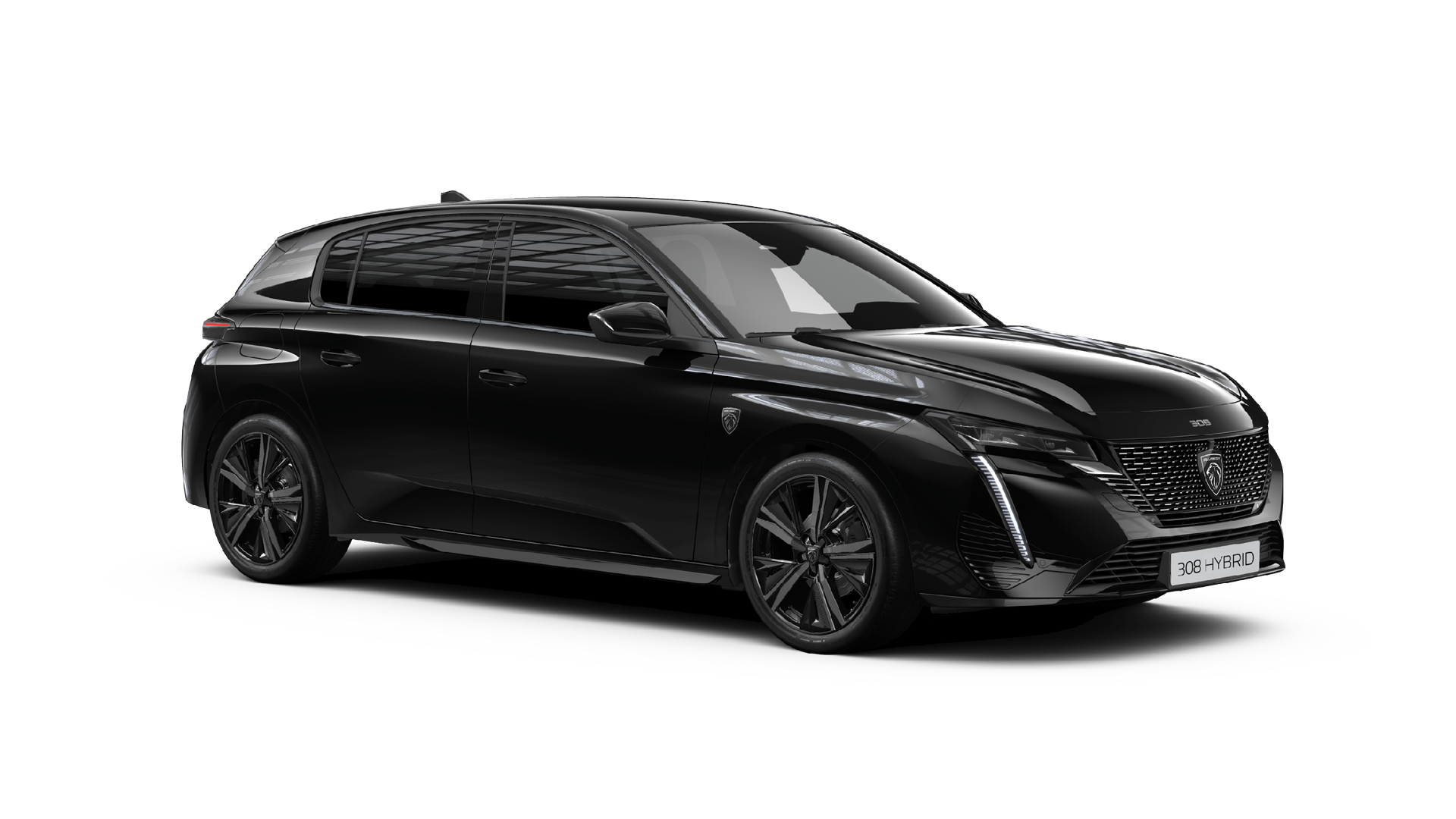
Modern tech, hybrid options, and sharp design. Still too new to judge long-term reliability.
Why Some Peugeot 308 Years Should Be Avoided
Let’s be honest—no car is perfect. Some model years simply suffer from:
- Early production flaws
- Poor engine reliability
- Electrical gremlins
- Costly maintenance issues
Think of it like buying a smartphone: first versions often have bugs.
Peugeot 308 Years to Avoid (The Key Offenders)
1. 2008 Peugeot 308 – The Problem Child
If we had to pick one year to run from, this would be it.
Common Issues
- Electrical failures (dashboard lights, sensors)
- Turbo problems in petrol engines
- Timing chain tensioner issues
Why It Matters
These problems don’t just annoy—they cost money. And lots of it.
2. 2009–2010 Models – Still Finding Their Feet
These years tried to fix 2008’s issues—but didn’t quite get there.
Frequent Complaints
- Faulty ECUs
- Suspension wear
- Poor build quality in interiors
Verdict
Better than 2008, but still risky.
You may be interested in reading Pros and Cons Mazda CX-30: The Real-World Ownership Breakdown
3. 2011 Peugeot 308 – Improved, But Not Perfect
This is where things start improving—but not enough to fully trust.
Watch Out For
- Diesel particulate filter (DPF) clogging
- Injector failures
- Electrical glitches (again…)
4. 2014 Early Second-Gen Models – First-Year Bugs
New generation = new problems.
Common Problems
- Infotainment system crashes
- Gearbox hesitation (especially automatic)
- Minor electrical faults
Reality Check
Not disastrous—but annoying enough to matter.
5. 2015 Peugeot 308 – Teething Issues Continue
Peugeot refined things here, but issues lingered.
Typical Issues
- Touchscreen lag
- AdBlue system faults
- Clutch wear in manual versions
Years That Are Generally Safer Choices
Let’s flip the coin—because not everything is doom and gloom.
Best Years to Consider
- 2016–2018 → Reliable and refined
- 2019–2021 → Mature second generation
- 2022+ → Promising, but still early
Key Problems Across Multiple Years
Even beyond specific years, some recurring issues define the 308.
Engine Problems
Petrol Engines
- Timing chain wear
- Turbocharger failures
Diesel Engines
- DPF clogging
- EGR valve issues
Electrical Gremlins
Let’s be honest—French cars have a reputation here.
- Faulty sensors
- Dashboard warnings
- Infotainment glitches
Transmission Issues
- Jerky automatic gearboxes
- Clutch wear in manuals
What Causes These Problems?
1. Early Engineering Flaws
First-generation models weren’t fully refined.
2. Cost-Cutting Measures
Budget materials = faster wear.
3. Complex Electronics
More tech = more potential failure points.
How to Avoid Buying a Bad Peugeot 308
Let’s get practical.
Checklist Before Buying
- ✔ Full service history
- ✔ No warning lights
- ✔ Smooth gear changes
- ✔ No strange engine noises
Smart Buying Tips
- Avoid early production years
- Choose facelift models
- Get a professional inspection
Petrol vs Diesel: Which Is Safer?
Petrol
- Better for city driving
- Fewer DPF issues
- Slightly less durable long-term
Diesel
- Great for long distances
- More torque
- Higher maintenance risks
Manual vs Automatic Reliability
Manual
- More reliable overall
- Cheaper repairs
Automatic
- Comfortable
- But prone to gearbox quirks
Running Costs You Should Expect
Owning a 308 isn’t expensive—but bad years change that.
Typical Costs
- Servicing: Moderate
- Parts: Affordable
- Repairs (bad years): Expensive
Should We Avoid the Peugeot 308 Entirely?
Not at all.
You may be interested in readingPros and Cons Mazda CX-30: The Real-World Ownership BreakdownYou may be interested in reading
 Which Ford Kuga Engine Is Best? The Ultimate Buyer’s Guide
The 308 is like a talented athlete with a few bad seasons. Pick the right year, and it’s brilliant.
Who Should Buy a Peugeot 308?
This car suits:
- City drivers
- Budget-conscious buyers
- Style lovers
But if we hate electrical issues? Maybe look elsewhere.
Alternatives Worth Considering
If we’re unsure, similar cars include:
- Volkswagen Golf
- Ford Focus
- Mazda 3
Final Verdict: Peugeot 308 Years to Avoid
If we’re summarizing everything:
Avoid These Years
- 2008
- 2009
- 2010
- 2011
- 2014 (early models)
- 2015
Best Strategy
Go for 2016 or newer—it’s where the 308 truly shines.
Conclusion: Buy Smart, Not Blind
Buying a used car is a bit like dating—you don’t want to commit before spotting the red flags.
The Peugeot 308 can be a fantastic companion—but only if we choose wisely.
Skip the problematic years, inspect carefully, and we’ll end up with a car that feels more like a smart investment than a ticking time bomb.
FAQs
1. What is the worst Peugeot 308 year?
The 2008 model is widely considered the worst due to electrical and engine issues.
2. Are Peugeot 308 engines reliable?
Later models are reliable, but early petrol engines had timing chain problems.
3. Is the Peugeot 308 expensive to maintain?
Generally no—but problematic years can become costly quickly.
4. Should I buy a diesel Peugeot 308?
Yes, if you drive long distances. Otherwise, petrol is safer.
You may be interested in readingPros and Cons Mazda CX-30: The Real-World Ownership BreakdownYou may be interested in reading
Which Ford Kuga Engine Is Best? The Ultimate Buyer’s GuideYou may be interested in reading
 Volvo XC60 Reliability by Year: The Complete Owner’s Guide
5. Is the Peugeot 308 a good used car?
Absolutely—if you choose the right year (preferably 2016 or newer).
If you want to know other articles similar to Peugeot 308 Years to Avoid: The Ultimate Buyer’s Guide you can visit the category Blog.
Volvo XC60 Quality: A Deep Dive Into Premium Craftsmanship and Everyday Excellence
Volvo XC60 Reliability by Year: The Complete Owner’s Guide
Which Ford Kuga Engine Is Best? The Ultimate Buyer’s Guide
Pros and Cons Mazda CX-30: The Real-World Ownership Breakdown
Dacia Duster Reliability: The Real Story Behind This Budget SUV
Volvo XC60 Reliability Rating: The Honest Owner’s Guide
Leave a Reply
More content of your interest