

Pros and Cons Mazda CX-30: The Complete Real-World Ownership Guide

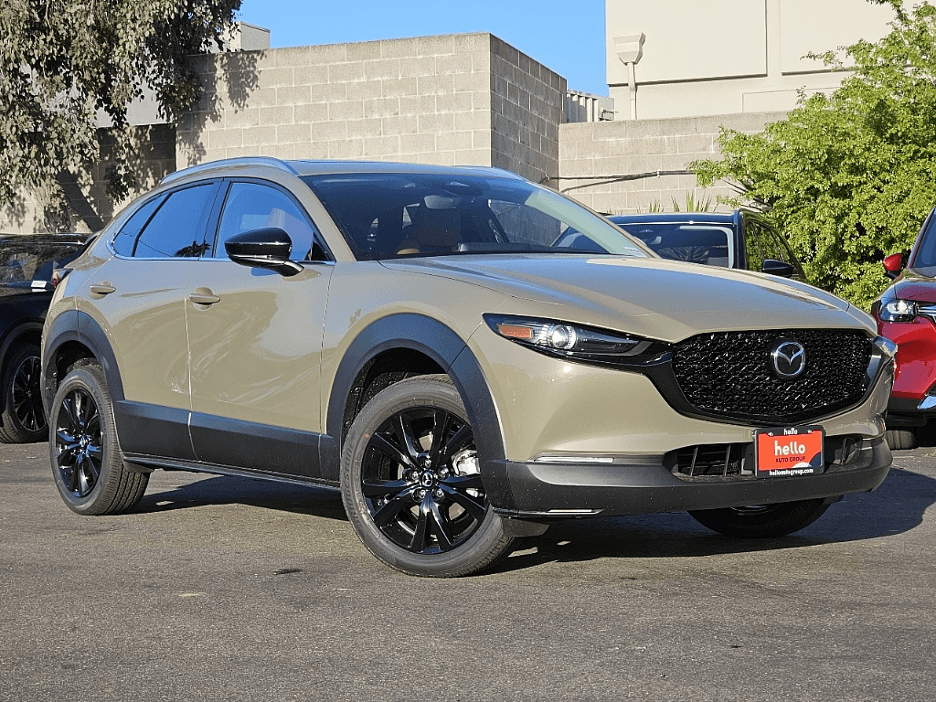
When we talk about compact crossovers that blend style, practicality, and driving pleasure, the Mazda CX-30 often sneaks into the conversation like a quiet overachiever. It sits neatly between the smaller CX-3 and the larger CX-5, offering a balance that feels just right for many drivers.
But let’s be honest—no car is perfect.
Some owners absolutely adore the CX-30’s premium interior and engaging driving dynamics. Others raise eyebrows at the small rear seats and modest cargo capacity. So the big question becomes: Is the Mazda CX-30 really worth it?
In this guide, we’ll explore the real pros and cons of the Mazda CX-30, diving into what it does brilliantly and where it falls short. Think of this as a road test in words—complete, honest, and practical.
Content in this publication
- What Is the Mazda CX-30?
- 1. Beautiful Exterior Design
- 2. Premium Interior Quality
- 3. Fun Driving Dynamics
- 4. Available Turbocharged Power
- 5. Standard All-Wheel Drive (In Many Markets)
- 6. Excellent Safety Ratings
- 7. Quiet and Comfortable Ride
- 8. Strong Reliability Reputation
- 1. Small Rear Seat Space
- 2. Limited Cargo Capacity
- 3. Thick Plastic Cladding
- 4. Infotainment Learning Curve
- 5. Fuel Economy Is Just Average
- 6. Rear Visibility Could Be Better
- Daily Driving Feel
- Maintenance and Running Costs
- Resale Value
- Is the Mazda CX-30 reliable?
- Is the Mazda CX-30 good for families?
- Is the Mazda CX-30 expensive to maintain?
- Does the Mazda CX-30 have good fuel economy?
- Is the Mazda CX-30 fun to drive?
What Is the Mazda CX-30?
Before jumping into the advantages and disadvantages, it helps to understand where this SUV fits in the automotive world.
The Mazda CX-30 is a compact crossover SUV introduced in 2019. It shares its platform with the Mazda 3 but adds a higher ride height and SUV styling.
Key facts about the CX-30
- Segment: Compact crossover SUV
- Introduced: 2019
- Platform: Mazda 3 architecture
- Drivetrain: Front-wheel drive or all-wheel drive
- Engine options: 2.0L, 2.5L, and turbo variants
- Competitors: Toyota Corolla Cross, Hyundai Kona, Volkswagen Taos
Mazda designed the CX-30 to deliver something unique: premium feel without premium price.
But does it succeed?
Let’s break it down.
Mazda CX-30 Pros
1. Beautiful Exterior Design
Mazda has mastered what it calls Kodo design, and the CX-30 is a perfect example.
The lines are smooth, sculpted, and almost artistic. Instead of aggressive angles, Mazda uses subtle curves that play with light and shadow.
What makes the design stand out
- Sleek front grille
- Elegant LED headlights
- Muscular rear stance
- Smooth body contours
Compared to rivals like the Toyota Corolla Cross, the CX-30 simply looks more upscale.
In fact, parked next to luxury SUVs, it doesn’t feel out of place.
Step inside the CX-30 and something becomes immediately obvious: this interior punches above its weight.
Mazda focused heavily on materials and ergonomics.
Interior highlights
- Soft-touch dashboard surfaces
- Premium stitching
- Leather options on higher trims
- Minimalist dashboard layout
Even the way the buttons feel when pressed reflects careful engineering.
It’s the kind of cabin where you think, “Wait… is this really not a luxury car?”
3. Fun Driving Dynamics
Here’s where Mazda separates itself from most crossovers.
While many compact SUVs focus purely on practicality, the CX-30 focuses on driving enjoyment.
Why the CX-30 feels sporty
- Precise steering
- Excellent chassis balance
- Responsive engine tuning
- Well-calibrated suspension
The car feels planted in corners and surprisingly agile.
If driving matters to you—even a little—the CX-30 feels alive in ways competitors often don’t.
4. Available Turbocharged Power
Many compact SUVs feel underpowered.
Mazda solved this with a turbocharged engine option.
Turbo engine specs
- Engine: 2.5L turbocharged
- Horsepower: up to 250 hp
- Torque: 320 lb-ft
That’s a lot for a compact crossover.
Press the accelerator, and the CX-30 moves with enthusiasm.
It’s one of the quickest SUVs in its class.
5. Standard All-Wheel Drive (In Many Markets)
Another advantage is Mazda’s i-Activ AWD system.
Many competitors charge extra for AWD, but Mazda often includes it as standard.
Benefits of AWD
- Improved traction
- Better performance in rain or snow
- More confident cornering
- Enhanced stability
For drivers in unpredictable climates, this is a major plus.
6. Excellent Safety Ratings
Safety is one of the CX-30’s strongest selling points.
The vehicle consistently receives top crash-test ratings.
You may be interested in reading Which Ford Kuga Engine Is Best? The Complete Real-World Guide
Key safety features
- Adaptive cruise control
- Lane-keeping assist
- Blind-spot monitoring
- Automatic emergency braking
- Driver attention alert
Mazda’s i-Activsense suite ensures the CX-30 stays competitive with newer rivals.
7. Quiet and Comfortable Ride
Despite its sporty nature, the CX-30 also excels in comfort.
Mazda invested heavily in noise insulation and ride tuning.
Ride comfort benefits
- Reduced road noise
- Smooth suspension response
- Stable highway driving
On long journeys, the CX-30 feels calm and composed.
It’s the kind of vehicle that turns a 3-hour drive into something relaxing rather than tiring.
8. Strong Reliability Reputation
Mazda has built a solid reputation for reliability.
While the CX-30 is still relatively new, early data suggests it follows the same trend.
Reasons for good reliability
- Simple engine design
- Proven transmission
- Conservative engineering philosophy
Mazda often avoids overly complicated tech that can cause problems later.
That’s good news for long-term ownership.
Mazda CX-30 Cons
Now let’s talk about the other side of the story.
Even great cars have flaws.
1. Small Rear Seat Space
One of the most common criticisms involves the rear seats.
Compared to competitors, legroom is limited.
Rear seat challenges
- Tight legroom for adults
- Narrow door openings
- Darker cabin feel in the back
For families with teenagers or frequent passengers, the space can feel cramped.
2. Limited Cargo Capacity
Cargo space is another weak point.
The CX-30 prioritizes styling over maximum practicality.
Boot capacity
- Around 430 liters (varies by market)
While that’s enough for groceries or luggage, rivals offer more.
For example:
- Toyota Corolla Cross – more cargo space
- Volkswagen Taos – significantly larger trunk
So if hauling gear is your priority, the CX-30 may disappoint.
3. Thick Plastic Cladding
Mazda added heavy black plastic cladding around the wheel arches.
Some drivers like the rugged look.
Others feel it looks excessive.
Common complaints
- Too much black plastic
- Cheap appearance on lighter colors
- Hard to clean
Design is subjective, but this detail often sparks debate.
4. Infotainment Learning Curve
Mazda uses a rotary controller instead of a touchscreen in many situations.
The system is excellent once learned—but it takes time.
User experience issues
- Initial learning curve
- Less intuitive for new users
- Touchscreen disabled while driving (on some models)
Some drivers prefer traditional touch interfaces.
5. Fuel Economy Is Just Average
The CX-30’s fuel efficiency is decent—but not class-leading.
Typical fuel economy
- Around 26–33 mpg depending on engine
Hybrid competitors easily outperform it.
Examples include:
- Toyota Corolla Cross Hybrid
- Kia Niro
If fuel savings are your top priority, better options exist.
6. Rear Visibility Could Be Better
Because of its styling, the CX-30 has thick rear pillars.
You may be interested in readingWhich Ford Kuga Engine Is Best? The Complete Real-World GuideYou may be interested in reading
 BMW X1 Life Expectancy: How Long Does a BMW X1 Really Last?
Visibility concerns
- Limited rear window size
- Large blind spots
- Heavy reliance on cameras
Thankfully, the safety systems help compensate.
But traditional visibility isn’t the strongest point.
Real-World Ownership Experience
Daily Driving Feel
The CX-30 shines in everyday use.
It feels refined, balanced, and comfortable.
Typical owner impressions include:
- Smooth city driving
- Quiet highway cruising
- Responsive steering
Many owners say it feels more like a premium hatchback than an SUV.
Maintenance and Running Costs
Mazda vehicles generally offer reasonable ownership costs.
Typical maintenance items include:
- Oil changes
- Brake pads
- Tire replacements
The engines are naturally aspirated in most versions, which reduces complexity.
Turbo models may have slightly higher costs.
Resale Value
Mazda’s resale value has improved significantly over the past decade.
The CX-30 tends to hold its value thanks to:
- Strong reliability reputation
- Attractive design
- Growing brand reputation
This makes it a relatively safe purchase financially.
Who Should Buy the Mazda CX-30?
The CX-30 isn’t perfect for everyone.
But it’s ideal for certain drivers.
Best for
- Young professionals
- Couples without children
- Drivers who enjoy sporty handling
- Buyers wanting a premium feel on a budget
Less ideal for
- Large families
- Drivers needing maximum cargo space
- People prioritizing fuel economy
Think of the CX-30 as the driver’s crossover.
Mazda CX-30 vs Competitors
Let’s see how it compares to key rivals.
Mazda CX-30 vs Toyota Corolla Cross
| Feature | CX-30 | Corolla Cross |
|---|---|---|
| Interior quality | Better | Average |
| Driving dynamics | Sporty | Comfortable |
| Fuel economy | Average | Better |
| Cargo space | Smaller | Larger |
Mazda CX-30 vs Hyundai Kona
| Feature | CX-30 | Kona |
|---|---|---|
| Interior quality | Premium | Good |
| Technology | Simple | Advanced |
| Driving feel | Engaging | Balanced |
The CX-30 wins when driving experience and interior quality matter most.
Final Verdict: Is the Mazda CX-30 Worth It?
So, what’s the final takeaway?
The Mazda CX-30 isn’t trying to be the biggest SUV, the cheapest SUV, or the most efficient SUV.
Instead, it focuses on something different:
Driving pleasure and premium feel.
Yes, it sacrifices some practicality along the way. Rear space and cargo capacity could be better. But the CX-30 makes up for it with a gorgeous interior, sharp handling, and an upscale vibe rarely seen in this price range.
If you want a compact SUV that feels special every time you drive it, the CX-30 is one of the best options available today.
Frequently Asked Questions
Is the Mazda CX-30 reliable?
Yes. Mazda has a strong reliability reputation, and the CX-30 generally scores well in owner satisfaction and reliability surveys.
Is the Mazda CX-30 good for families?
It can work for small families, but rear seat space is limited. Larger families may prefer the Mazda CX-5.
Is the Mazda CX-30 expensive to maintain?
No. Maintenance costs are typically average or slightly below average compared to other compact SUVs.
Does the Mazda CX-30 have good fuel economy?
Fuel economy is decent but not exceptional. Hybrid competitors tend to offer better efficiency.
Is the Mazda CX-30 fun to drive?
Yes. It’s widely considered one of the most engaging compact SUVs thanks to its responsive steering and balanced chassis.
Conclusion
The Mazda CX-30 proves something important: practicality doesn’t have to be boring.
It blends style, driving pleasure, and premium design in a way that few competitors manage. While it isn’t the most spacious SUV in its class, it delivers something more emotional—the feeling that every drive matters.
You may be interested in readingWhich Ford Kuga Engine Is Best? The Complete Real-World GuideYou may be interested in reading
BMW X1 Life Expectancy: How Long Does a BMW X1 Really Last?You may be interested in reading
 BMW X1 Not Starting: Causes, Fixes, and Troubleshooting Guide
For many drivers, that alone makes the CX-30 a standout choice.
If you want to know other articles similar to Pros and Cons Mazda CX-30: The Complete Real-World Ownership Guide you can visit the category Blog.
BMW X1 Life Expectancy: How Long Does a BMW X1 Really Last?
Which Ford Kuga Engine Is Best? The Complete Real-World Guide
Peugeot 308 Years to Avoid: The Honest Buyer’s Guide to Problem Models
Dacia Duster Years to Avoid: Common Problems and the Best Alternatives

BMW X1 Insurance Group: Complete UK Guide to Costs, Ratings, and Saving Money

BMW X1 Reliability: Is the Compact Luxury SUV Built to Last?
Leave a Reply
More content of your interest