
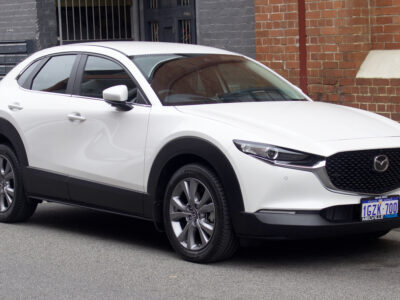
Pros and Cons Mazda CX-30: The Honest Owner-Style Breakdown

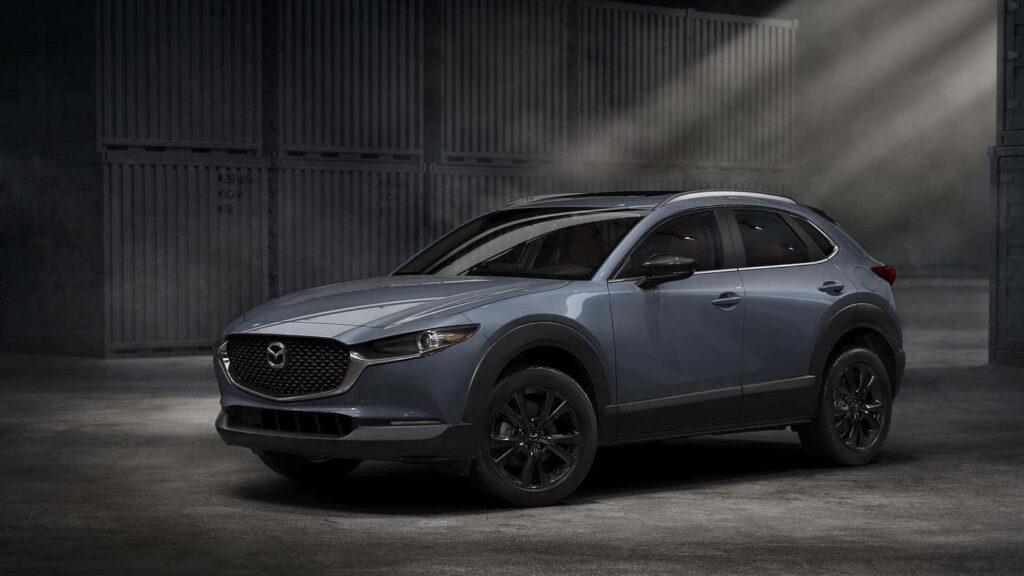
We’ve all been there — standing in a dealership, circling a compact crossover like a cat inspecting a suspicious cardboard box. The Mazda CX-30 pulls you in immediately. It looks expensive. Feels expensive. But is it actually a smart buy… or just a beautifully dressed compromise?
Today we’re not doing brochure talk. No marketing fluff. We’re diving into real ownership reality — the good, the annoying, and the “why did they do that?” moments.
Content in this publication
- What The CX-30 Actually Is (And Isn’t)
- Quick Snapshot — The Character of This Car
- The Big Advantages (Why People Fall in Love With It)
- 1. Interior Quality Feels One Segment Above
- 2. Driving Experience — The Hidden Superpower
- 3. Naturally Aspirated Engine Reliability
- 4. Automatic Gearbox Is Effortlessly Smart
- 5. Road Noise Isolation Surprises People
- 6. Fuel Economy Is Quietly Efficient
- 7. Safety Systems Work Naturally
- 8. Exterior Design Ages Slowly
- 1. Rear Passenger Space Is Tight
- 2. Boot Space Is Smaller Than Expected
- 3. Visibility Can Be Challenging
- 4. Infotainment Learning Curve
- 5. Engine Power Feels Calm, Not Fast
- 6. Suspension Is Firm Over Broken Roads
- 7. Price Creeps Up With Options
- Daily Driving Experience
- Maintenance Behavior
- Living With It in the City
- Ideal Owner Profile
- Wrong Fit Situations
- Major Pros
- Major Cons
What The CX-30 Actually Is (And Isn’t)
Before the pros and cons, we need clarity.
The CX-30 is not a small SUV and not a hatchback either.
It lives in a strange middle ground — a raised Mazda3 with outdoor boots.
Think of it like:
- A hatchback wearing hiking shoes
- A premium car pretending to be practical
- A sporty car disguised as sensible
And that identity crisis shapes every strength and weakness you’ll experience.
Quick Snapshot — The Character of This Car
Personality traits we notice immediately:
- Feels premium for the price
- Drives like a car, not an SUV
- Prioritizes driver over passengers
- Built for people, not families
That last point matters. A lot.
The Big Advantages (Why People Fall in Love With It)
1. Interior Quality Feels One Segment Above
Sit inside and something strange happens:
You forget the price category.
What stands out instantly
- Soft dashboard materials
- Real stitching (not molded plastic pretending)
- Clicky physical buttons
- Perfectly damped knobs
It feels closer to an entry luxury car than a mainstream crossover.
Many rivals scream practicality.
The CX-30 whispers craftsmanship.
Most crossovers drive like tall refrigerators.
This one doesn’t.
Steering
- Precise
- Predictable
- Communicative
Cornering behavior
Instead of leaning awkwardly, the car rotates naturally. You feel connected — not just transported.
It doesn’t chase lap times.
It chases confidence.
3. Naturally Aspirated Engine Reliability
No tiny stressed turbo screaming for mercy.
Instead you get a relaxed engine that behaves like an old-school mechanical tool.
Benefits we notice over time
- Smooth acceleration
- Predictable throttle
- Fewer long-term mechanical worries
- Consistent fuel consumption
It’s not explosive.
But it’s dependable — like a favorite pair of sneakers.
4. Automatic Gearbox Is Effortlessly Smart
Many modern cars use CVTs that drone endlessly.
Here you get a traditional automatic.
Why it matters
- Better highway refinement
- More natural acceleration feel
- Improved towing and hill climbing behavior
- Less fatigue in daily traffic
You don’t think about the gearbox.
Which is exactly the point.
5. Road Noise Isolation Surprises People
For a compact crossover, the cabin feels calm.
What helps
- Thick door seals
- Low wind noise
- Well tuned suspension bushings
You notice this on long trips — you arrive less tired.
6. Fuel Economy Is Quietly Efficient
It doesn’t chase extreme MPG numbers, yet real-world consumption stays predictable.
Typical real usage pattern
- City: moderate but stable
- Highway: excellent consistency
- Cold weather: minimal penalty
Efficiency here comes from smoothness, not technology gimmicks.
7. Safety Systems Work Naturally
Some cars beep at everything.
You may be interested in reading Mazda CX-30 vs MX-30: The Crossover That Thinks vs The Crossover That Feels
This one assists without nagging.
Features behave like:
- A co-pilot, not a supervisor
- Helpful, not intrusive
- Predictable, not panicky
You quickly trust it.
8. Exterior Design Ages Slowly
Some cars look trendy for two years.
This one looks mature from day one.
The long hood and rear proportions create a timeless shape — it won’t scream its model year five years later.
The Downsides (Where Reality Hits Back)
Now the honest part — the things owners notice after living with it.
1. Rear Passenger Space Is Tight
From outside it looks roomy.
Inside… not quite.
Rear seat experience
- Knees close to seatback
- Small windows feel enclosed
- Tall passengers complain quickly
Kids love it. Adults negotiate it.
2. Boot Space Is Smaller Than Expected
Here’s the biggest shock for buyers.
You assume “small SUV practicality”.
You get “large hatchback practicality”.
Everyday consequences
- Grocery runs: fine
- Airport luggage: careful planning
- Strollers: tight fit
- Road trips with four people: creative packing
The car favors driver enjoyment over cargo volume.
3. Visibility Can Be Challenging
Beautiful design has a cost.
Blind spots exist because:
- Thick rear pillars
- Small rear window
- High shoulder line
You adapt quickly — but the first week feels like parking a sculpture.
4. Infotainment Learning Curve
Mazda refuses to use a touchscreen while driving.
At first it feels frustrating.
Then… strangely logical.
The rotary controller logic
- Less distraction
- Muscle memory develops
- Better while moving
But new users often hate it for the first few days.
5. Engine Power Feels Calm, Not Fast
If you expect sporty acceleration — surprise.
The character
- Smooth takeoffs
- Relaxed mid-range
- Requires planning to overtake
It’s confidence-based driving, not adrenaline-based.
6. Suspension Is Firm Over Broken Roads
Handling magic comes from discipline.
You will notice
- Sharp potholes transmitted inside
- Short bumps felt clearly
- Not uncomfortable — just honest
Think European firm, not plush floating.
7. Price Creeps Up With Options
The base model is attractive.
You may be interested in readingMazda CX-30 vs MX-30: The Crossover That Thinks vs The Crossover That FeelsYou may be interested in reading
 Toyota Corolla AE86 Engine Swap – The Ultimate Guide
Add features… suddenly premium territory.
Why this matters
Competitors offer more space at similar cost.
You’re paying for feel, not size.
Long-Term Ownership Observations
After months, patterns emerge.
Daily Driving Experience
The car becomes predictable
- Same fuel economy every week
- Same driving feel every day
- No unpleasant surprises
Consistency is its personality.
Maintenance Behavior
Owners typically notice:
- Minimal rattles over time
- Interior aging gracefully
- Mechanical reliability confidence
It feels engineered rather than assembled.
Living With It in the City
Where it excels
- Parking ease
- Steering precision
- Calm commuting
Where it struggles
- Carrying many passengers
- Moving large items
Who This Car Is Perfect For
Ideal Owner Profile
You’ll love the CX-30 if you:
- Drive alone most of the time
- Care about steering feel
- Prefer quality over quantity
- Keep cars long term
Who Should Probably Skip It
Wrong Fit Situations
You may regret it if:
- You have teenagers in the back daily
- You need big luggage capacity
- You prioritize horsepower numbers
- You want soft suspension comfort
Emotional Ownership Factor
Some cars are tools.
Some are companions.
The CX-30 becomes familiar quickly — the controls, the steering weight, the seating position. It’s a car you bond with rather than just operate.
You don’t show it off.
You appreciate it quietly.
Balanced Pros and Cons List
Major Pros
- Premium interior materials
- Excellent steering and handling
- Smooth reliable engine
- Calm highway refinement
- Predictable fuel economy
- Thoughtful safety tuning
- Timeless design
Major Cons
- Tight rear seating
- Limited cargo space
- Blind spot visibility
- Not quick acceleration
- Firm ride on rough roads
- Price rises quickly with trims
Final Verdict: Heart vs Logic
This car wins emotional logic.
It doesn’t maximize numbers — it maximizes feel.
Buyers expecting a mini SUV may feel disappointed.
Drivers wanting a premium compact experience feel rewarded every day.
It’s less of a utility vehicle and more of a driver’s crossover.
Conclusion
The Mazda CX-30 is not about dominating spec sheets — it’s about satisfying daily life in subtle ways. Every drive feels intentional. Every control feels deliberate.
You sacrifice space to gain refinement.
You sacrifice speed to gain smoothness.
You sacrifice practicality to gain personality.
For the right driver, those trades are not compromises — they’re the whole point.
FAQs
1. Is the CX-30 reliable long term?
Yes. The naturally aspirated engine and conventional automatic gearbox reduce long-term mechanical stress compared to turbo-CVT setups.
2. Is it good for families?
Small families with young kids — yes. Teenagers or adult passengers daily — less ideal.
3. Does it feel underpowered?
Only if you drive aggressively. For normal driving it feels smooth and sufficient.
4. Is the ride comfortable on long trips?
Very comfortable on highways, slightly firm on broken city roads.
You may be interested in readingMazda CX-30 vs MX-30: The Crossover That Thinks vs The Crossover That FeelsYou may be interested in reading
Toyota Corolla AE86 Engine Swap – The Ultimate GuideYou may be interested in reading
 Does the Toyota Camry Have CVT Transmission?
5. Is it worth the price over larger rivals?
If you value quality and driving feel — yes. If you value space — probably not.
If you want to know other articles similar to Pros and Cons Mazda CX-30: The Honest Owner-Style Breakdown you can visit the category Blog.
Mazda CX-30 Long Term Review: Living With It Every Day
Mazda CX-30 Owner Reviews: Real Drivers, Real Life
Mazda CX-30 Insurance Group: Real Costs, Groups & What You’ll Actually Pay
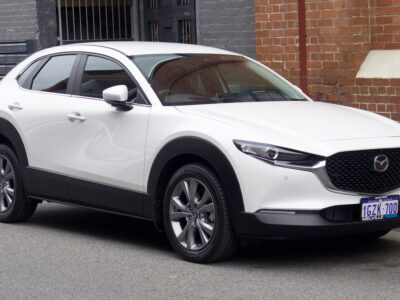
Mazda CX-30 Years to Avoid — Buyer’s Deep Dive Guide
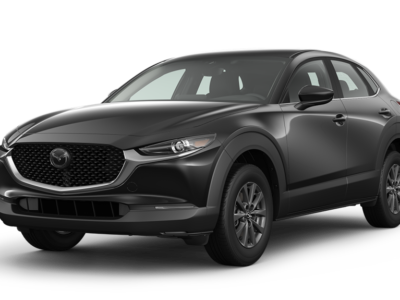
Mazda CX-30 Reliability: The Honest Long-Term Ownership Guide
Is Skoda Superb a Luxury Car? The Honest Deep-Dive Nobody Tells You
Leave a Reply
More content of your interest