
Renault Braking System Fault – Complete Guide to Causes, Diagnosis & Fixes

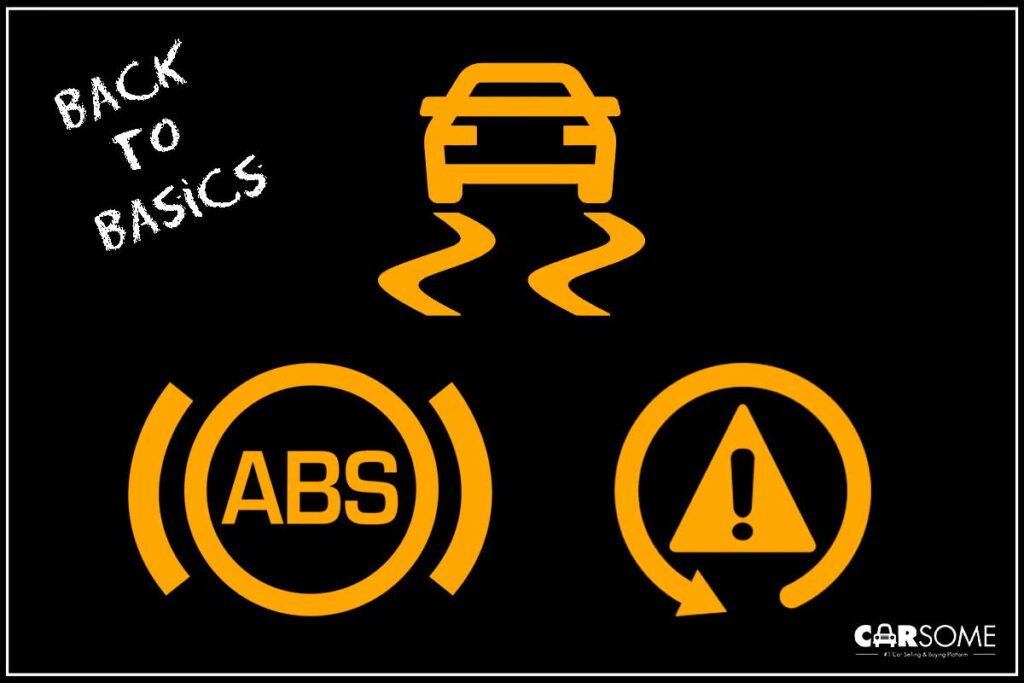
When a Renault displays a Braking System Fault warning, it demands instant attention. Brakes are the backbone of vehicle safety, and on modern Renaults equipped with ABS, ESC, active emergency braking, and numerous electronic sensors, a fault can stem from mechanical wear, hydraulic issues, or electronic system failure.
In this guide, we dive deeper than surface-level troubleshooting. We explain exact causes, symptoms, and professional-grade diagnostic steps to restore optimal braking performance across popular Renault models such as Clio, Captur, Megane, Scenic, Koleos, Kadjar, Laguna, Fluence, and Trafic.
Content in this publication
- What the Renault Braking System Fault Warning Means
- Key Symptoms of Renault Brake System Malfunctions
- Top Causes of Renault Braking System Faults
- 1. Worn Brake Pads or Discs
- 2. Low or Contaminated Brake Fluid
- 3. Faulty ABS Wheel Speed Sensors
- 4. Damaged Calipers or Seized Pistons
- 5. ABS Pump or Control Module Failure
- 6. Blown ABS / Brake System Fuse
- 7. ESC / EBD / Brake Assist System Fault
- 8. Parking Brake / EPB Failure (Electronic Models)
- 9. Brake Booster or Vacuum Leak
- Model-Specific Brake Fault Notes
- How to Diagnose a Renault Brake System Fault
- Preventing Brake Failures in Renault Vehicles
- Common Repair Cost Estimates (Approx.)
- Final Thoughts
- FAQs
What the Renault Braking System Fault Warning Means
This dashboard alert signals that the braking system is not functioning at its required safety level. It may involve:
- Loss of brake pressure
- Hydraulic leaks
- ABS or ESC failure
- Electronic sensor malfunction
- Reduced braking assistance
- Emergency braking system fault
Even minor faults can escalate into significant brake power loss, making immediate investigation essential.
Key Symptoms of Renault Brake System Malfunctions
Look for one or more of these warning signs:
- ABS / ESC / Brake warning lights illuminated
- Spongy or soft brake pedal
- Increased stopping distance
- Grinding, squealing, or scraping noises
- Vibration through pedal or steering wheel
- Brake pedal sinking when pressed
- Burning smell from brakes
- Car pulling to one side when braking
When any of these symptoms appear alongside the braking fault warning, stop the vehicle safely and diagnose.
Top Causes of Renault Braking System Faults
1. Worn Brake Pads or Discs
Renault braking efficiency declines sharply when pads or discs reach minimum thickness.
Typical signs:
- Squealing or grinding
- Judder under braking
- Increased stopping distance
Pads on most Renaults should be replaced every 20,000–30,000 miles depending on driving conditions.
2. Low or Contaminated Brake Fluid
Brake fluid transfers pedal force to the system. Low fluid causes loss of hydraulic pressure and potential brake failure.
Common reasons:
- Brake line leak
- Worn caliper seals
- Evaporation/absorption of moisture (hygroscopic fluid)
Brake fluid must be replaced every 2 years to avoid moisture contamination and corrosion.
3. Faulty ABS Wheel Speed Sensors
ABS sensors monitor wheel speed to prevent skidding and maintain steering control.
Failure results in:
- ABS light on
- ESC/traction control disabled
- Braking efficiency reduced
Mud, debris, or corrosion around the wheel hub can cause sensor errors.
You may be interested in reading Renault Clio Low Oil Pressure Warning — Causes, Fixes & Reset Guide
4. Damaged Calipers or Seized Pistons
If calipers seize or fail:
- Brakes drag or fail to clamp properly
- Vehicle pulls to one side
- Pads wear unevenly
A sticking caliper increases stopping distance and overheats the brakes.
5. ABS Pump or Control Module Failure
Renault ABS units can fail due to internal hydraulic blockage or electronic malfunction.
Common codes:
- DF010 – ABS Pump motor
- C10C3 – Pressure sensor
- U0415 – Invalid ABS data
Repair often requires pump rebuild or replacement.
6. Blown ABS / Brake System Fuse
A blown fuse disables ABS and can trigger the dashboard warning.
Fuse issues commonly follow:
- Faulty ABS pump
- Battery voltage spikes
- Moisture in fuse box
7. ESC / EBD / Brake Assist System Fault
Renault models integrate:
| System | Purpose |
|---|---|
| ABS | Prevent wheel lock |
| ESC | Maintain vehicle control |
| EBD | Distribute brake force |
| EBA | Automatic emergency braking support |
Faults in these systems trigger braking warnings.
8. Parking Brake / EPB Failure (Electronic Models)
EPB systems in Megane, Scenic, Kadjar, and Koleos may fail due to:
- Motor failure
- Cable tension faults
- Control module issues
Symptoms include EPB warning lights and parking brake not releasing.
9. Brake Booster or Vacuum Leak
A weak vacuum source leads to hard brake pedal and reduced braking power. Turbocharged Renault engines are more prone due to additional vacuum demands.
Model-Specific Brake Fault Notes
| Model | Common Brake Issues |
|---|---|
| Clio | ABS sensor faults, discs corrosion, brake fluid leaks |
| Megane | Rear caliper seizure, ABS module issues |
| Captur | Brake booster faults, brake pedal switch faults |
| Kadjar | EPB motor issues, ABS wiring corrosion |
| Scenic / Grand Scenic | Brake servo faults, worn pads on rear axle |
| Koleos | ABS pump failure, poor rear brake performance |
| Laguna | Corroded brake lines, ABS pump issues |
| Trafic | Brake overheating when loaded, servo valve failures |
| Fluence | Brake switch faults, premature rear pad wear |
How to Diagnose a Renault Brake System Fault
Step-by-Step Diagnostic Procedure
1. Scan for Fault Codes
Use Renault-compatible tools:
- Clip Renault Diagnostic
- OBDEleven
- Autel / Launch / Bosch
Record codes before clearing.
2. Inspect Brake Pads & Discs
Check:
You may be interested in readingRenault Clio Low Oil Pressure Warning — Causes, Fixes & Reset GuideYou may be interested in reading
 Renault Clio 0.9 TCe Problems: The Definitive Guide to Diagnosing & Solving Issues
- Pad thickness (≥3mm recommended)
- Disc lip or grooves
- Uneven wear
Replace if worn.
3. Check Brake Fluid Level & Condition
Fluid must be:
- Clear (no dark brown/black tint)
- Filled to max line
- Free from contamination
4. Test ABS Sensors & Wiring
Inspect:
- Sensor connectors
- Hub rings
- Harness damage
- Corrosion at wheel arch plugs
5. Evaluate Caliper Movement & Seals
Ensure pistons move smoothly; check for leaks.
6. Verify Vacuum Supply & Booster
Test vacuum pressure with a gauge if pedal feels hard.
7. Inspect ABS Pump & Fuses
Check fuse box for burnt fuses or water ingress.
Preventing Brake Failures in Renault Vehicles
We recommend:
- Brake fluid change every 2 years
- Pad inspection every 10,000 miles
- Regular ABS sensor cleaning
- Avoiding aggressive braking on cold discs
- Rust prevention sprays in salty climates
Common Repair Cost Estimates (Approx.)
| Repair Item | Typical Cost |
|---|---|
| Brake pads front | $120–$200 |
| Brake discs + pads | $300–$650 |
| ABS sensor | $60–$180 |
| Brake fluid flush | $70–$150 |
| ABS pump | $700–$1,800 |
| Caliper replacement | $180–$350 each |
| EPB repair | $250–$900 |
Prices vary by model and region.
Final Thoughts
A Renault braking system fault should never be ignored. With integrated ABS, ESC, and emergency braking technology, modern Renault braking systems require methodical diagnosis. Addressing issues early prevents major repairs, extends component lifespan, and keeps occupants safe.
FAQs
What does “Braking System Fault” mean on Renault?
It indicates a malfunction in hydraulic braking, ABS, ESC, or braking assistance systems.
Can I drive with this warning?
Only short distances to a repair facility. Severe faults may cause brake failure.
Do Renault brake sensors fail often?
Yes, especially on Clio and Megane models exposed to mud and corrosion.
Why is my Renault brake pedal soft?
Likely due to low fluid, air in the system, or leaking brake components.
How do I reset the brake fault message?
Fix the underlying issue then clear codes using a diagnostic scanner.
You may be interested in readingRenault Clio Low Oil Pressure Warning — Causes, Fixes & Reset GuideYou may be interested in reading
Renault Clio 0.9 TCe Problems: The Definitive Guide to Diagnosing & Solving IssuesYou may be interested in reading
 Renault Clio Boot Won’t Open: Troubleshooting & Fix Guide
If you want to know other articles similar to Renault Braking System Fault – Complete Guide to Causes, Diagnosis & Fixes you can visit the category Common Problems.
Dacia Duster Common Faults: The Honest Owner’s Survival Guide
Dacia Duster Radio Not Working — Complete Troubleshooting Guide
Dacia Duster Warning Lights Zig Zag: What It Really Means (And What We Should Do About It)
Dacia Duster Issues: The Real Problems Owners Face (And What To Do About Them)
Peugeot 308 Mirrors Not Folding: Causes, Fixes & DIY Solutions
Peugeot 308 Not Starting: Complete Troubleshooting Guide
Leave a Reply
More content of your interest