

Renault Clio Injection Fault: A Complete, No-Nonsense Guide

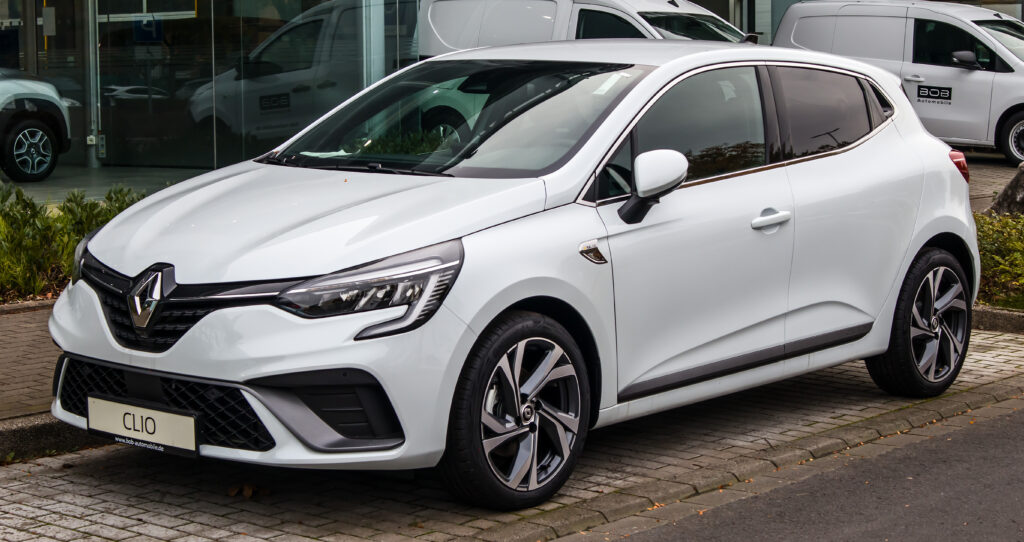
We’ve all been there — cruising in our Renault Clio, music up, windows down, life feeling smooth… until suddenly, a warning pops up on the dash: “Injection Fault.”
Heart sinks. Hands stiffen. Legs ready for an emergency stop. Because when that little message appears, it’s like the car just whispered, “We need to talk.”
But breathe — we’ve got this.
In this guide, we unravel the mysteries behind the Renault Clio injection fault like a calm friend who understands cars, budgets, and the emotional spiral of breakdown lights. We'll break it down step-by-step, keep it relatable, and give actionable steps that won’t send you straight into panic mode — or into a mechanic’s waiting room for hours.
Content in this publication
- What Does “Injection Fault” Mean on a Renault Clio?
- Common Symptoms of a Renault Clio Injection Fault
- What Causes an Injection Fault in a Renault Clio?
- Quick At-Home Checks Before Heading to a Mechanic
- When Should We NOT Drive the Car?
- Recommended Fixes — Based on What’s Actually Wrong
- Renault Clio Injection Fault by Engine Type
- What Causes Premature Injector Failure?
- Preventing Future Injection Faults
- A Real-Life Scenario
- Diagnostics: What Mechanics Will Do
- Should We Invest in a Code Reader?
- Final Thoughts
- FAQs
What Does “Injection Fault” Mean on a Renault Clio?
Simply put, your Clio’s engine is shouting that the fuel system isn’t delivering fuel properly. It could be too much, too little, the wrong pressure, the wrong timing — basically, the engine’s fuel “recipe” is off.
Think of it like a barista messing up your latte order: wrong batch, wrong foam, wrong milk. Your engine needs a perfect blend too — and when it isn’t right, it complains.
Common Symptoms of a Renault Clio Injection Fault
When this fault hits, your Clio may start behaving like it’s auditioning for a drama award.
Key Signs to Watch
- Rough idling — your car shakes like it's cold
- Loss of power — feels tired, struggles uphill
- Hard starting — you twist the key, but it hesitates
- Jerking or misfires — sudden engine hiccups
- Increased fuel consumption
- Strong fuel smell
- Exhaust smoke — white or black usually spells trouble
- Car enters limp mode — engine protects itself
If your Clio drives like it skipped breakfast, it's fuel delivery drama time.
What Causes an Injection Fault in a Renault Clio?
Here’s the fun part — the possibilities. Don’t worry, we’ll keep it simple.
Most Frequent Culprits
| Cause | Explanation |
|---|---|
| Faulty fuel injectors | Clogged, leaking, or failing injectors |
| Dirty fuel filter | Fuel can't reach engine properly |
| High-pressure fuel pump failure | Engine starves or floods |
| Injector wiring issues | Corroded or loose connections |
| ECU (Engine Computer) glitch | Wrong injector signals |
| Faulty sensors | MAP, MAF, O2, crankshaft, camshaft |
| Air leaks | Wrong air/fuel mixture |
| Poor fuel quality | Contaminated fuel = chaos |
| EGR valve issues (diesels) | Stuck valve causing imbalance |
| Glow plug issues (diesels) | Hard starts + rough cold running |
The fuel system is like a symphony — if one musician messes up, the whole orchestra suffers.
Quick At-Home Checks Before Heading to a Mechanic
Here’s where we put on our DIY hat — no toolbox panic required.
You may be interested in reading Renault Clio Key Card Not Recognised: The Ultimate Troubleshooting & Fix Guide
What We Can Try Ourselves
- ✅ Turn engine off and restart — sometimes resets temporary glitch
- ✅ Top up quality fuel — avoid bottom-of-the-barrel stations
- ✅ Check petrol/diesel cap — loose caps can cause air issues
- ✅ Add injection cleaner to fuel tank — cheap and often effective
- ✅ Listen for odd noises — whining pump = red flag
- ✅ Look for leaks under car — fuel shouldn’t drip, ever
If the fault clears after these? Congrats, you’ve saved money — treat yourself.
When Should We NOT Drive the Car?
Let’s not turn this into a “could have prevented engine damage” story.
Do not drive if
- Engine is shaking violently
- Car won’t accelerate
- Strong fuel smell
- Excessive smoke
- Flashing engine light
Better safe than sorry. Don’t risk turning a €150 injector issue into a €2,500 engine repair.
Recommended Fixes — Based on What’s Actually Wrong
Let’s talk solutions. Each problem has a likely fix range.
Common Repairs & Estimated Cost
| Issue | Fix | Estimated Cost |
|---|---|---|
| Dirty injectors | Injector cleaner or ultrasonic cleaning | €10 – €150 |
| Faulty injector | Replace injector(s) | €150 – €350 each |
| Clogged fuel filter | Replace filter | €30 – €120 |
| Fuel pump fault | Pump replacement | €300 – €1,000 |
| Wiring/connector issue | Repair wiring | €50 – €250 |
| ECU fault | Reprogram or replace | €100 – €900 |
| Faulty sensors | Replace relevant sensor | €30 – €200 |
| Air leak | Fix hoses/gaskets | €20 – €200 |
These are ballparks — labour and part quality matter.
Renault Clio Injection Fault by Engine Type
Different engines, different drama.
Petrol (1.2, 0.9 TCe, 1.4, 1.6)
- Coil packs often involved
- MAF and O2 sensors common triggers
Diesel (1.5 dCi)
- Injector seals, EGR valves, and high-pressure pumps notorious
- Dirty diesel = injector nightmares
Tip
If you drive a 1.5 dCi and hear a ticking noise + diesel smell = injector seal leak — don’t wait.
What Causes Premature Injector Failure?
Simple habits wreck injectors. Let’s confess — most of us have done at least one of these.
- Frequently driving on low fuel
- Cheap/no-name fuel stations
- Ignoring fuel filter changes
- Short urban trips only
- Bad oil change habits (dirty oil = soot = injector clogging)
Your Clio isn’t high-maintenance — it just hates shortcuts.
Preventing Future Injection Faults
Golden Rules
- 🟢 Use quality fuel
- 🟢 Replace fuel filter every service
- 🟢 Clean injectors every 10–15k miles
- 🟢 Warm engine before hard driving
- 🟢 Avoid consistently running on low fuel
Prevention > repairs (and > having your day ruined by a dashboard message).
You may be interested in readingRenault Clio Key Card Not Recognised: The Ultimate Troubleshooting & Fix GuideYou may be interested in reading
 Renault Clio Won’t Start? Definitive Troubleshooting Guide (Battery, Starter, Immobiliser & More)
A Real-Life Scenario
"I was on my way for takeaway, then boom — injection fault. Car shook like it had a bad espresso. Pulled over, restarted, still rough. Added injector cleaner next morning — smooth like butter again."
Moral? Sometimes, it’s minor. But don’t ignore repeated warnings.
Diagnostics: What Mechanics Will Do
Expect This Process
- Read fault codes
- Fuel pressure test
- Injector balance test
- Smoke test for leaks
- Check sensor readings
- Visual fuel line inspection
A good mechanic = less guessing, more fixing.
Should We Invest in a Code Reader?
Short answer? Yes.
Long answer? Absolutely yes.
Benefits
- Diagnose faults yourself
- Reset minor warnings
- Identify sensor issues
- Save time & money
A €30 scanner can save €300 headaches.
Final Thoughts
A Renault Clio injection fault doesn’t spell doom — most cases are preventable or fixable without selling your soul or your phone for quick cash.
Stay calm, troubleshoot first, and treat your engine like a friend — it will return the favour.
FAQs
Is it safe to drive with an injection fault?
Not always. If power loss or shaking occurs, stop driving.
Can bad fuel cause injection faults?
Yes — cheap or contaminated fuel is a common culprit.
Will injector cleaner fix the issue?
It can, if the injectors are dirty, not broken.
You may be interested in readingRenault Clio Key Card Not Recognised: The Ultimate Troubleshooting & Fix GuideYou may be interested in reading
Renault Clio Won’t Start? Definitive Troubleshooting Guide (Battery, Starter, Immobiliser & More)You may be interested in reading
 Renault Clio Low Battery Warning: Causes, Fixes & Prevention
Do injectors wear out?
Yes — especially on high-mileage diesel models.
Can I reset the injection warning myself?
Yes, with an OBD reader — but only if issue is minor.
If you want to know other articles similar to Renault Clio Injection Fault: A Complete, No-Nonsense Guide you can visit the category Common Problems.
Jaguar F-Pace Not Starting: Causes, Fixes, and Expert Troubleshooting Guide

Jaguar F-Pace Gearbox Fault: Causes, Symptoms, Fixes, and Costs Explained

Jaguar F-Pace Keyless Entry Not Working: Causes, Fixes, and Troubleshooting Guide
Jaguar F-Pace Engine Light On: Causes, Fixes, and What to Do Next

Jaguar F-Pace Engine Problems: Common Issues, Causes, and Fixes

Jaguar F-Pace Problems: Reliability Issues, Common Faults, and What Owners Should Know
Leave a Reply
More content of your interest