

Renault Megane Common Problems: In-Depth Analysis, Symptoms, and Proven Solutions

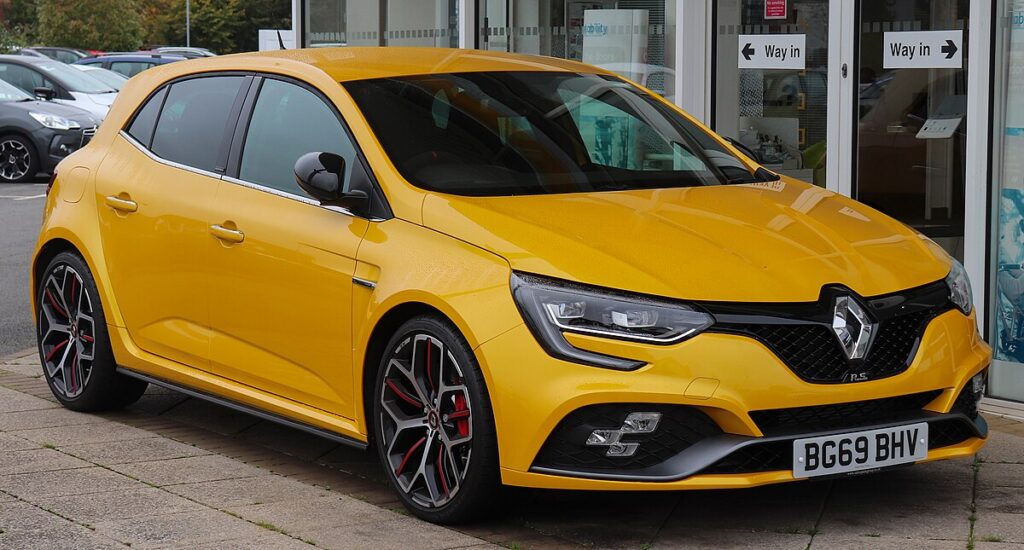
The Renault Megane remains one of Renault’s flagship models, valued for its balance of comfort, efficiency, and accessible pricing. Across multiple generations, however, recurring mechanical and electrical weaknesses have emerged. Below, we deliver a precise, technically detailed breakdown of the most common Renault Megane problems, focusing on real-world symptoms, root causes, and durable solutions that owners and buyers need to understand.
Content in this publication
- Diesel Engine Performance Issues in Urban Driving
- Oil Pressure Solenoid Valve Failure
- Power Steering Failure Linked to Electrical System
- Heater Blower Resistor Malfunction
- Ignition Coil Pack Failure
- Electric Window Regulator Failure
- Battery and Electronic System Weaknesses
- Reliability Perspective of the Renault Megane
- Preventive Maintenance Recommendations
- Frequently Asked Questions
- Final Assessment
Diesel Engine Performance Issues in Urban Driving
DPF Regeneration Failures in Diesel Variants
Diesel-powered Renault Megane models—particularly 1.5 dCi and 1.9 dCi engines—are prone to reduced engine performance during short, low-speed journeys.
Observable Symptoms
- Noticeable loss of power during city driving
- Increased fuel consumption
- DPF warning light on the dashboard
- Engine entering limp mode
Underlying Cause
The diesel particulate filter (DPF) fails to reach regeneration temperature during short trips. This leads to soot accumulation, restricted exhaust flow, and degraded combustion efficiency.
Permanent Resolution
- Sustained driving at higher RPM (2,500–3,000) for 10–20 minutes
- Regular motorway journeys to allow passive regeneration
- DPF replacement in advanced clogging cases
Oil Pressure Solenoid Valve Failure
Erratic Oil Pressure Regulation
Oil pressure irregularities in petrol and diesel Megane engines frequently stem from a malfunctioning oil pressure control solenoid.
Key Indicators
- Check engine light illuminated
- Rough engine operation when hot
- Oil pressure warnings
Technical Breakdown
As engine oil temperature rises, viscosity decreases. A failing solenoid valve restricts oil flow, causing dangerous pressure spikes that threaten seals, gaskets, and internal engine components.
Corrective Action
- Replacement of the oil pressure solenoid valve
- Complete oil and filter change using manufacturer-approved specification
Power Steering Failure Linked to Electrical System
Sudden Loss of Steering Assistance
Electric power steering systems in the Renault Megane are highly sensitive to voltage fluctuations.
Warning Signs
- Heavy steering at low speeds
- Intermittent steering assist loss
- Steering warning light active
Root Cause
Low battery voltage or failing alternators disrupt steering module operation. Unlike hydraulic systems, electric steering relies entirely on stable electrical supply.
You may be interested in reading Renault Megane Not Starting: Causes, Fixes, and Real-World Solutions
Effective Fix
- Battery load testing and replacement
- Alternator voltage output verification
- Steering system recalibration after battery replacement
Heater Blower Resistor Malfunction
Inconsistent Cabin Heating Performance
Cabin heating inconsistencies often trace back to a defective heater blower resistor.
Common Symptoms
- Heater works only on low or high settings
- Inconsistent airflow
- Cabin remains cold in winter conditions
Cause Explained
Thermal fatigue and electrical resistance buildup cause the resistor to fail, limiting current flow at higher fan speeds.
Solution
- Replacement of heater blower resistor
- Inspection of wiring connectors for corrosion or overheating
Ignition Coil Pack Failure
Misfires and Rough Idle Conditions
Ignition coil failure is one of the most frequently reported petrol-engine issues in the Renault Megane.
Driver-Noticed Issues
- Engine misfires under load
- Rough idle
- Increased fuel consumption
- Engine warning light
Mechanical Explanation
Each cylinder relies on a dedicated coil. Failure in a single unit disrupts combustion balance, reducing engine efficiency.
Best Practice Repair
- Replace all ignition coils simultaneously
- Install new spark plugs to prevent secondary damage
graph TD
A[Faulty Ignition Coil] --> B[Misfire]
B --> C[Unburnt Fuel]
C --> D[Poor Idle & Power Loss]
Electric Window Regulator Failure
Sluggish or Inoperable Power Windows
Power window failures in the Renault Megane typically affect both front and rear doors.
Symptoms
- Slow window movement
- Clicking sounds from doors
- Window stuck partially open
Cause
Worn cable-driven window regulators degrade over time due to tension loss or motor strain.
Resolution
- Replacement of the window regulator assembly
- Lubrication of window guides during installation
Battery and Electronic System Weaknesses
System-Wide Electrical Instability
Multiple Renault Megane problems stem from insufficient or unstable battery output.
You may be interested in readingRenault Megane Not Starting: Causes, Fixes, and Real-World SolutionsYou may be interested in reading
 Renault Megane Key Card Not Recognised – Causes, Fixes, and Expert Solutions
Affected Systems
- Power steering
- Windows and mirrors
- Start-stop systems
- Dashboard warning lights
Long-Term Mitigation
- Use AGM or OEM-rated batteries
- Regular battery health diagnostics
- ECU reset after battery replacement
Reliability Perspective of the Renault Megane
Ownership Durability Overview
The Renault Megane consistently scores in the upper reliability tier for mid-range hatchbacks. Mechanical architecture remains solid when supported by proactive maintenance, especially in diesel variants.
Strengths
- Efficient engines
- Comfortable suspension tuning
- Competitive ownership costs
Known Weaknesses
- Electrical sensitivity
- Diesel emission system dependency
- Age-related component wear
Preventive Maintenance Recommendations
Extending Service Life
- Prioritize regular long-distance driving for diesel models
- Replace battery every 4–5 years proactively
- Avoid delayed warning light diagnostics
- Maintain strict oil change intervals
Frequently Asked Questions
Which Renault Megane engines are most reliable?
Petrol engines generally demonstrate higher long-term reliability due to fewer emission-related components.
Is the Renault Megane suitable for city driving?
Petrol models perform well in urban environments, while diesel variants require regular high-speed runs.
How expensive are Renault Megane repairs?
Most common repairs remain affordable, with parts widely available and repair times moderate.
Are electrical problems common across all generations?
Electrical sensitivity appears consistently, though later generations show incremental improvements.
Can preventive maintenance reduce common failures?
Consistent servicing significantly reduces the likelihood of major faults.
Final Assessment
The Renault Megane delivers strong value when maintained correctly. By understanding its most common mechanical and electrical vulnerabilities—and addressing them proactively—owners can achieve dependable performance, controlled ownership costs, and extended vehicle lifespan.
You may be interested in readingRenault Megane Not Starting: Causes, Fixes, and Real-World SolutionsYou may be interested in reading
Renault Megane Key Card Not Recognised – Causes, Fixes, and Expert SolutionsYou may be interested in reading
 Renault Megane Lights Not Working: Causes, Fixes, and Real-World Solutions
If you want to know other articles similar to Renault Megane Common Problems: In-Depth Analysis, Symptoms, and Proven Solutions you can visit the category Common Problems.
Volvo XC60 360 Camera Not Working: Complete Troubleshooting & Fix Guide
Volvo XC60 Key Fob Not Working: Causes, Fixes, and Expert Solutions
Volvo XC60 Low Battery Warning: Causes, Fixes, and Prevention Guide
Volvo XC60 No Sound: Causes, Fixes, and Complete Troubleshooting Guide
Volvo XC60 Common Problems: What Owners Really Experience
Volvo XC60 Issues: The Truth Behind This Popular SUV
Leave a Reply
More content of your interest