

Renault Megane Reliability: Real-World Longevity, Problems, and Ownership Truths

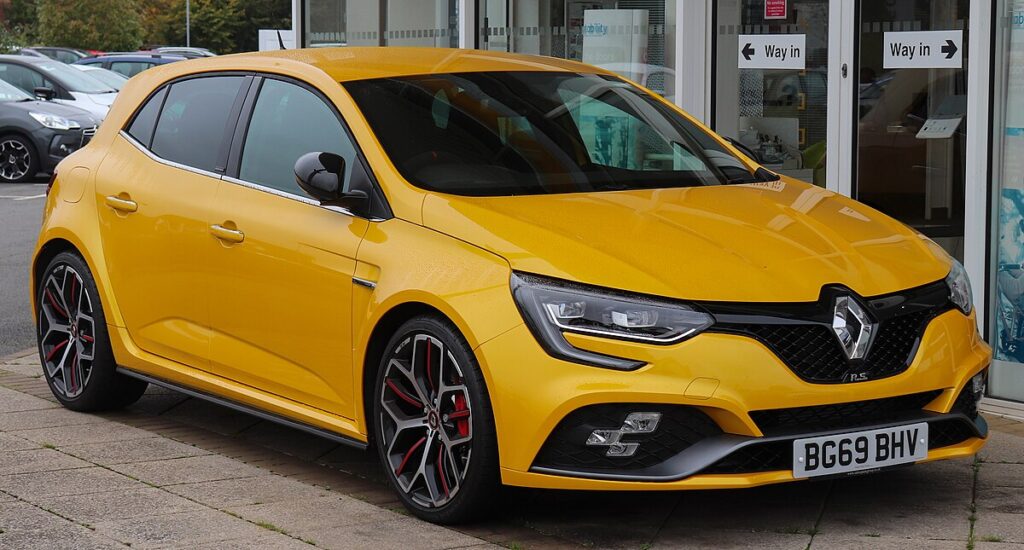
When we talk about Renault Megane reliability, we’re not dealing in myths or marketing slogans. We’re talking about real cars, real owners, real mileage, and real frustrations — mixed, of course, with plenty of pleasant surprises. The Megane has been around long enough to earn its reputation the hard way, and if you’re considering buying one (or already own one), this is where the fog clears.
We’ve lived with these cars. We’ve seen them at 40,000 miles feeling fresh and at 140,000 miles still refusing to quit. But we’ve also seen neglected ones unravel like cheap thread. Reliability, as it turns out, is a story — not a single score.
Let’s walk through it properly.
Content in this publication
- Understanding Renault Megane Reliability Beyond Rankings
- Renault Megane Generations and Their Reliability DNA
- Petrol Engine Reliability: What Holds Up Best
- Diesel Engine Reliability: Where Megane Shines
- Transmission Reliability: Manual vs Automatic
- Electrical Systems: The Achilles’ Heel
- Suspension, Steering, and Ride Durability
- Interior Durability and Cabin Aging
- Rust and Bodywork Reliability
- Real-World Mileage Expectations
- Maintenance Habits That Define Reliability
- Running Costs vs Reliability Payoff
- Is Renault Megane Reliable Compared to Rivals?
- Buying Used: How to Spot a Reliable Megane
- Ownership Psychology: Why Some Owners Love Them
- Long-Term Reliability Verdict
- Final Thoughts on Renault Megane Reliability
- FAQs About Renault Megane Reliability
Understanding Renault Megane Reliability Beyond Rankings
Reliability charts only tell half the story. They compress thousands of ownership experiences into a single number, stripping away context like driving habits, servicing discipline, and engine choice.
The Megane isn’t inherently unreliable — but it is selectively dependable. Choose wisely, and it’ll reward you. Choose poorly, and it’ll test your patience.
Key reliability drivers include:
- Engine type
- Transmission choice
- Model generation
- Maintenance history
Ignore these, and even the best Megane can turn sour.
Renault Megane Generations and Their Reliability DNA
First Generation (1996–2002)
Charming, simple, and mechanically honest. These early cars relied more on nuts and bolts than sensors and software.
Strengths
- Basic petrol engines are robust
- Minimal electronics
- Cheap parts availability
Weaknesses
- Rust issues on older examples
- Crude interiors
- Aging safety tech
Reliability verdict: Surprisingly tough if well preserved.
Second Generation (2002–2008)
This is where things got complicated — literally. Renault went all-in on electronics, and not all of them aged gracefully.
Common Issues
- Electrical faults (window regulators, cards, dashboards)
- Coil pack failures on petrol engines
- Suspension wear
Despite its problems, many examples still roam European roads. Maintenance makes or breaks them.
Third Generation (2008–2016)
This is the generation where Renault regained its footing.
Why Reliability Improved
- Better electronic architecture
- Proven diesel engines
- Improved corrosion resistance
Owners often describe this Megane as the “sweet spot” — modern enough, but not fragile.
Fourth Generation (2016–2023)
Sleeker, smarter, and more tech-heavy. Reliability here depends on software stability and drivetrain choice.
Key Reliability Factors
- Advanced driver aids
- Dual-clutch transmissions
- Turbocharged small engines
When updated and serviced properly, these cars behave well. Skip updates, and warning lights become permanent companions.
You may be interested in reading Is Renault Megane a Good Car? An Honest, Real-World Verdict
Petrol Engine Reliability: What Holds Up Best
1.6 16V Petrol
Old-school and dependable. Not fast, not fancy — but built like a stubborn mule.
1.3 TCe Turbo
Modern, punchy, efficient. Reliable if oil changes are frequent. Skip them, and timing components suffer.
1.2 TCe Warning Zone
Known for:
- High oil consumption
- Timing chain issues
- Premature engine wear
This engine alone dragged Megane reliability scores downward in many surveys.
Diesel Engine Reliability: Where Megane Shines
Diesel Meganes are often the heroes of long-term ownership stories.
1.5 dCi
- Regularly exceeds 200,000 miles
- Low fuel consumption
- Affordable servicing
1.9 & 2.0 dCi
- Strong torque
- Excellent motorway reliability
- Better suited to heavier driving
Diesel reliability drops when:
- Oil changes are delayed
- DPF regeneration cycles are ignored
- Short trips dominate usage
Transmission Reliability: Manual vs Automatic
Manual Gearboxes
- Generally bulletproof
- Clutches last 100k+ miles with sensible driving
- Minor linkage wear only
Automatic & EDC Gearboxes
- Smooth when new
- Sensitive to fluid quality
- Software updates essential
Skipping gearbox servicing is the fastest way to shorten a Megane’s life.
Electrical Systems: The Achilles’ Heel
No Megane reliability discussion is complete without electronics.
Common Electrical Complaints
- Key card failures
- Infotainment glitches
- Random warning lights
- Sensor-related errors
The good news? Most are annoyances, not immobilising failures.
Suspension, Steering, and Ride Durability
Meganes handle beautifully — but that agility comes at a cost.
Wear-Prone Components
- Drop links
- Bushings
- Shock absorbers
These aren’t design flaws, just wear items — and relatively affordable ones.
Interior Durability and Cabin Aging
Interior quality improved massively after 2008.
Common Wear Points
- Steering wheel leather
- Driver seat bolsters
- Climate control buttons
Nothing catastrophic — just cosmetic signs of mileage.
Rust and Bodywork Reliability
Later Meganes resist rust well, especially post-2010 models.
Early cars may show:
- Rear arch corrosion
- Door edge bubbling
- Subframe surface rust
Proper underbody protection extends life significantly.
You may be interested in readingIs Renault Megane a Good Car? An Honest, Real-World VerdictYou may be interested in reading
 Cupra Born Reliability: Real-World Ownership, Truths, and What to Expect
Real-World Mileage Expectations
A well-maintained Renault Megane can realistically last:
- Petrol: 150,000–180,000 miles
- Diesel: 200,000–250,000 miles
Some exceed these figures comfortably — like marathon runners who refuse to stop.
Maintenance Habits That Define Reliability
Here’s what separates a reliable Megane from a problem child:
- Annual oil changes (or sooner)
- Timing belt replacements on schedule
- Gearbox fluid servicing
- Software updates
- Quality replacement parts
Neglect turns minor quirks into expensive headaches.
Running Costs vs Reliability Payoff
Megane ownership isn’t expensive — but cheap shortcuts cost more long-term.
Typical Annual Costs
- Servicing: Moderate
- Repairs: Predictable
- Parts: Widely available
Reliability here is economical — not luxurious, but honest.
Is Renault Megane Reliable Compared to Rivals?
Compared to:
- VW Golf: Slightly less refined, similar mechanical durability
- Ford Focus: Comparable reliability, Megane often cheaper to fix
- Opel Astra: Similar longevity, Megane has better diesel options
The Megane doesn’t always win — but it competes confidently.
Buying Used: How to Spot a Reliable Megane
Checklist
- Full service history
- No persistent warning lights
- Smooth gearbox operation
- Quiet suspension
- Consistent idle
Buy the car, not the badge.
Ownership Psychology: Why Some Owners Love Them
Meganes grow on you. They don’t beg for attention — they just get on with the job. Like a reliable colleague who never boasts, but never lets you down either.
Long-Term Reliability Verdict
The Renault Megane is conditionally reliable. Treat it right, choose the right engine, and it’ll repay you quietly, mile after mile. Abuse it, ignore maintenance, and it’ll protest loudly.
This isn’t a car that forgives neglect — but it rewards care generously.
Final Thoughts on Renault Megane Reliability
Reliability isn’t luck. It’s a relationship. The Renault Megane thrives when maintained, understood, and respected. It may not have Japanese-style indifference to abuse, but when cared for, it delivers dependable service that often surprises even skeptics.
Choose wisely — and the Megane becomes more than just transport. It becomes a companion.
FAQs About Renault Megane Reliability
Is the Renault Megane reliable for daily use?
Yes, especially with regular servicing and the right engine choice.
Which Renault Megane engine is the most reliable?
The 1.5 dCi diesel and 1.6 petrol engines stand out.
Are Renault Meganes expensive to repair?
No — parts are affordable and widely available.
You may be interested in readingIs Renault Megane a Good Car? An Honest, Real-World VerdictYou may be interested in reading
Cupra Born Reliability: Real-World Ownership, Truths, and What to ExpectYou may be interested in reading
 Vauxhall Astra Reliability: Real-World Ownership, Faults, and Longevity
Do Meganes suffer from electrical problems?
Some models do, but most issues are minor and manageable.
Can a Renault Megane last over 200,000 miles?
Yes, particularly diesel models with proper maintenance.
If you want to know other articles similar to Renault Megane Reliability: Real-World Longevity, Problems, and Ownership Truths you can visit the category Blog.
Volvo XC60 Quality: A Deep Dive Into Premium Craftsmanship and Everyday Excellence
Volvo XC60 Reliability by Year: The Complete Owner’s Guide

Which Ford Kuga Engine Is Best? The Ultimate Buyer’s Guide

Pros and Cons Mazda CX-30: The Real-World Ownership Breakdown
Peugeot 308 Years to Avoid: The Ultimate Buyer’s Guide

Dacia Duster Reliability: The Real Story Behind This Budget SUV
Leave a Reply
More content of your interest