

Renault Megane Tire Pressure: The Real-World Guide We Actually Use

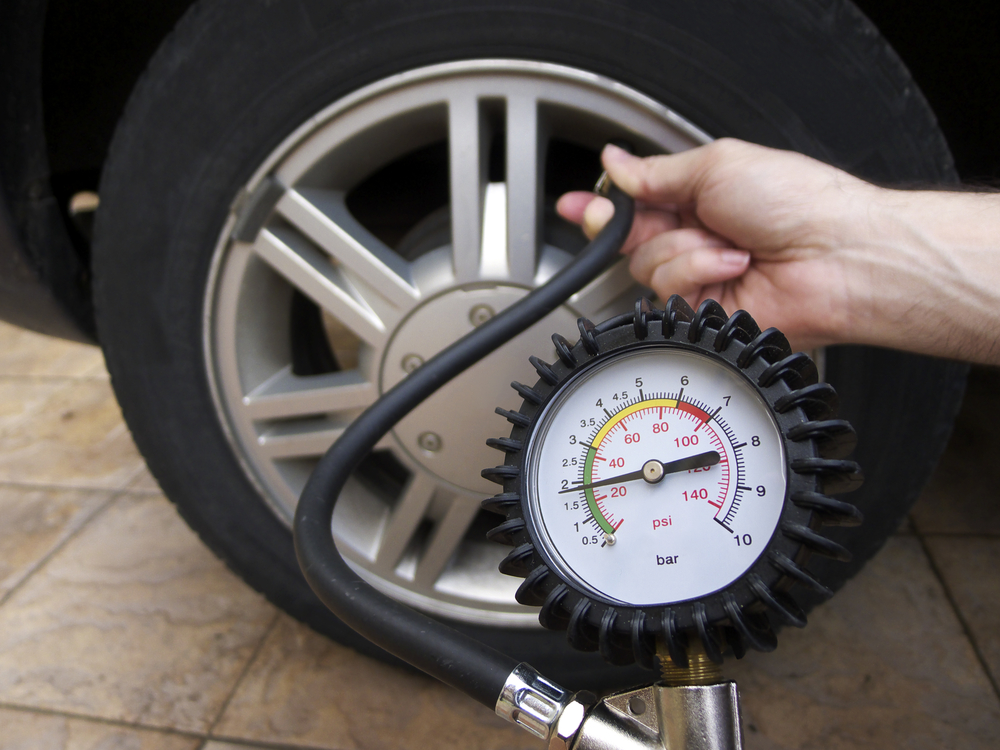
Tire pressure sounds boring—until your Renault Megane starts pulling to one side, sipping more fuel than usual, or flashing a warning light like it knows something you don’t. We’ve all been there. One small number, measured in bar or PSI, quietly decides how your Megane feels on the road every single day.
In this guide, we slow things down, roll up our sleeves, and talk real tire pressure. Not theory. Not copy-paste charts. Just practical Megane knowledge—from hatchback to estate, petrol to diesel, hybrid to electric—so you can drive smoother, safer, and smarter.
Content in this publication
- Why Tire Pressure Matters More Than Most Drivers Think
- Understanding Tire Pressure Units: Bar vs PSI vs kPa
- Where to Find the Correct Tire Pressure on a Renault Megane
- Recommended Renault Megane Tire Pressure by Model Type
- Renault Megane Estate (Sport Tourer) Tire Pressure
- Renault Megane RS and Sport Models
- Renault Megane E-Tech Hybrid & Electric Tire Pressure
- Does Wheel Size Affect Tire Pressure? Absolutely
- Cold Tire Pressure vs Hot Tire Pressure
- How Weather and Temperature Affect Tire Pressure
- Renault Megane TPMS Warning Light Explained
- How to Reset Tire Pressure Monitoring on Renault Megane
- Signs Your Tire Pressure Is Wrong (Without Any Warning Lights)
- How Often Should We Check Tire Pressure?
- Best Tools for Checking Renault Megane Tire Pressure
- Driving Style and Tire Pressure: The Invisible Connection
- What Happens If You Ignore Tire Pressure Long-Term?
- Closing Thoughts: Small Numbers, Big Difference
- Frequently Asked Questions
Why Tire Pressure Matters More Than Most Drivers Think
Tires are the only thing touching the road. Four contact patches the size of a postcard decide whether your Megane grips confidently or feels nervous in corners.
Correct tire pressure:
- Keeps braking distances short
- Improves fuel economy
- Prevents uneven tire wear
- Makes steering predictable
- Keeps TPMS warnings silent
Think of pressure like posture. Too slouched or too stiff, and things start hurting fast.
Understanding Tire Pressure Units: Bar vs PSI vs kPa
Before we get specific, let’s get the language right.
Common Units Explained
- Bar – Most common in Europe (Renault uses this)
- PSI – Often used at fuel station pumps
- kPa – Sometimes used in manuals
Quick Conversion Reference
- 1 bar ≈ 14.5 PSI
- 2.2 bar ≈ 32 PSI
- 2.4 bar ≈ 35 PSI
Once you know this, pressure stickers stop feeling like riddles.
Where to Find the Correct Tire Pressure on a Renault Megane
You never need Google for this—Renault already told you.
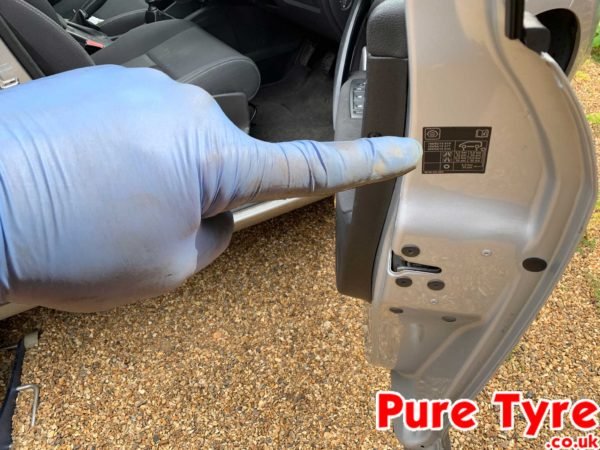
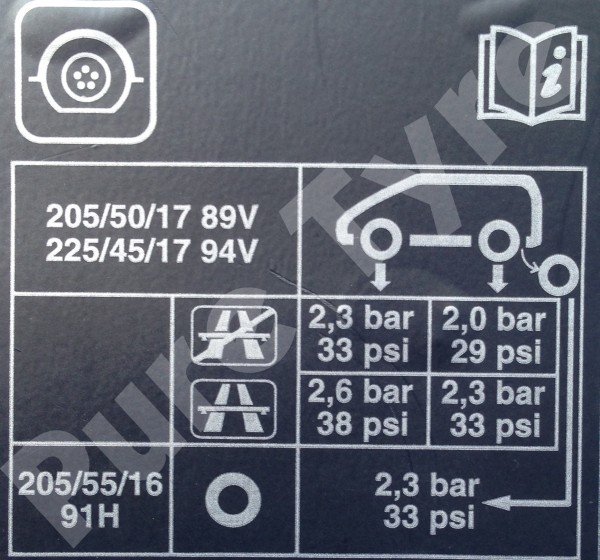

Official Locations
- Driver’s door pillar (B-pillar)
- Inside fuel filler flap
- Owner’s manual
This sticker is your Megane’s truth serum. It accounts for:
- Engine type
- Wheel size
- Load conditions
Ignore it, and you’re guessing.
Recommended Renault Megane Tire Pressure by Model Type
Let’s talk numbers—but in a way that makes sense.
Standard Renault Megane (Petrol & Diesel)
Typical factory recommendation:
- Front: 2.2 bar (32 PSI)
- Rear: 2.0–2.2 bar (29–32 PSI)
This applies to most:
- 1.3 TCe
- 1.5 dCi
- 1.6 petrol variants
Balanced, calm, everyday driving pressure.
Renault Megane Estate (Sport Tourer) Tire Pressure
Extra boot space means extra responsibility.
Normal Load
- Front: 2.3 bar
- Rear: 2.1 bar
Fully Loaded / Long Trips
- Front: 2.5 bar
- Rear: 2.7 bar
That extra rear pressure keeps the back end planted instead of wallowy.
Renault Megane RS and Sport Models
Performance changes everything.
You may be interested in reading Renault Megane Boot Space: Real-World Capacity, Practicality, and Everyday Usability
Typical RS Settings
- Front: 2.4–2.5 bar
- Rear: 2.2–2.3 bar
Hot hatches demand tighter pressure control. Too soft, and steering goes lazy. Too hard, and grip disappears like morning fog.
Renault Megane E-Tech Hybrid & Electric Tire Pressure
Battery weight changes the rules.
E-Tech Hybrid / Megane E-Tech Electric
- Front: 2.4–2.6 bar
- Rear: 2.3–2.5 bar
Why higher?
- Heavier vehicle
- Torque hits instantly
- Rolling resistance matters for range
Every 0.2 bar can mean extra miles of range.
Does Wheel Size Affect Tire Pressure? Absolutely
Bigger wheels don’t mean more air—just less forgiveness.
Common Megane Wheel Sizes
- 16-inch
- 17-inch
- 18-inch
- 19-inch (RS)
Low-profile tires:
- Need closer pressure monitoring
- React faster to under-inflation
- Wear quicker when ignored
Always match pressure to wheel size—not guesswork.
Cold Tire Pressure vs Hot Tire Pressure
This one trips people up.
Cold Tires
- Car parked 2–3 hours
- Or driven less than 3 miles slowly
✅ Always adjust pressure here
Hot Tires
- Pressure rises 0.2–0.4 bar naturally
❌ Don’t deflate hot tires
Hot readings lie. Cold tires tell the truth.
How Weather and Temperature Affect Tire Pressure
Air contracts in cold, expands in heat.
Seasonal Reality Check
- Winter drops pressure by ~0.1 bar per 10°C
- Summer heat raises pressure naturally
What We Do
- Check monthly
- Check again with seasonal changes
- Adjust gently—not dramatically
Tires aren’t dramatic creatures. Keep them calm.
Renault Megane TPMS Warning Light Explained
That orange horseshoe icon? It’s not judging you—but it is informing you.
Common Causes
- Under-inflated tire
- Sudden temperature change
- After tire replacement
- Slow puncture
Ignoring TPMS is like ignoring your phone alarm. It keeps buzzing for a reason.
How to Reset Tire Pressure Monitoring on Renault Megane
Resetting varies slightly by generation.
Most Modern Megane Models
- Inflate tires correctly
- Turn ignition on
- Navigate to vehicle settings
- Select TPMS reset
- Confirm reset
- Drive for a few minutes
Reset after inflation—never before.
Signs Your Tire Pressure Is Wrong (Without Any Warning Lights)
Sometimes the car whispers before it shouts.
Under-Inflation Feels Like
- Heavy steering
- Poor fuel economy
- Tire edges wearing faster
Over-Inflation Feels Like
- Harsh ride
- Skittish handling
- Center tread wear
Your hands on the wheel can feel pressure issues before sensors do.
You may be interested in readingRenault Megane Boot Space: Real-World Capacity, Practicality, and Everyday UsabilityYou may be interested in reading
 Renault Megane Service Reset: The Complete Guide for Every Generation
How Often Should We Check Tire Pressure?
Simple answer: more than we think.
Best Practice
- Once a month
- Before long trips
- When seasons change
- After hitting potholes
It takes 3 minutes. Cheaper than new tires.
Best Tools for Checking Renault Megane Tire Pressure
Eyeballing doesn’t count.
Tools We Trust
- Digital tire gauge
- Foot pump with gauge
- Compressor at fuel station
- Portable electric inflator (gold standard)
Buy once. Use forever.
Driving Style and Tire Pressure: The Invisible Connection
Your right foot talks directly to your tires.
Urban Driving
- Softer pressures improve comfort
Motorway Driving
- Slightly higher pressure improves stability and efficiency
Spirited Driving
- Balanced pressure = predictable grip
Pressure tuning is the cheapest suspension upgrade there is.
What Happens If You Ignore Tire Pressure Long-Term?
Let’s be blunt.
Ignoring tire pressure leads to:
- Premature tire replacement
- Increased braking distance
- Reduced fuel economy
- TPMS system faults
- Compromised safety
Tires don’t fail dramatically. They fail quietly—until they don’t.
Closing Thoughts: Small Numbers, Big Difference
Tire pressure isn’t glamorous. It won’t win arguments at a dinner party. But it quietly shapes every journey your Renault Megane makes.
When pressure is right, the car feels planted, calm, confident—like it knows exactly where it’s going. And honestly? That’s how driving should feel.
Check it. Adjust it. Respect it. Your Megane will thank you on every mile.
Frequently Asked Questions
1. What is the correct tire pressure for a Renault Megane?
Most models run around 2.2 bar front and 2.0–2.2 bar rear, but always check the door sticker.
2. Should tire pressure be higher in winter?
Yes, slightly. Cold air reduces pressure naturally.
3. Can wrong tire pressure cause TPMS warnings?
Absolutely. It’s the most common trigger.
4. Is it safe to drive with low tire pressure briefly?
Short distances maybe—but it increases wear and risk immediately.
5. Does higher pressure improve fuel economy?
Marginally—but too high reduces grip and comfort. Balance matters.
You may be interested in readingRenault Megane Boot Space: Real-World Capacity, Practicality, and Everyday UsabilityYou may be interested in reading
Renault Megane Service Reset: The Complete Guide for Every GenerationYou may be interested in reading
 Renault Megane Dashboard Warning Lights & Symbols Explained (2001–2024)
If you want to know other articles similar to Renault Megane Tire Pressure: The Real-World Guide We Actually Use you can visit the category Service and Parts.
Ford Mondeo Towing Capacity: The Complete Real-World Guide
Ford Mondeo Key Fob Battery Change: The Complete Step-by-Step Guide
Ford Mondeo Boot Space: The Complete Practical Guide for Everyday Drivers
Ford Mondeo Estate Boot Size: The Ultimate Practicality Guide
Ford Mondeo Tyre Pressure: The Complete Guide for Safe, Smooth Driving
Ford Mondeo Length: Dimensions, Generations, and Real-World Insights
Leave a Reply
More content of your interest