
Seat Ibiza Engine Size: Every Option Explained Clearly

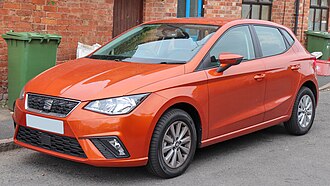
When we talk about the engine size of the SEAT Ibiza, we’re really talking about personality. Some engines are calm and economical, others are cheeky and eager, and a few are downright lively for a small hatchback. Over the years, the Ibiza has worn many mechanical outfits, from tiny city-friendly petrol units to punchy turbocharged engines that feel far bigger than their numbers suggest.
In this guide, we walk through every Seat Ibiza engine size, explain what each one is best at, and help you decide which makes sense for your driving life. No fluff. No copy-paste specs. Just real-world clarity.
Content in this publication
- Why Engine Size Matters More Than You Think
- A Quick Look at Seat Ibiza Engine Generations
- Seat Ibiza Petrol Engine Sizes Explained
- 1.0 MPI – The Entry-Level Engine
- 1.0 TSI – Small Engine, Big Personality
- 1.2 TSI – The Transitional Engine
- 1.4 TSI – Punchy and Underrated
- 1.5 TSI – Modern Muscle
- Seat Ibiza Diesel Engine Sizes
- 1.4 TDI – The Old Faithful
- 1.6 TDI – The Mileage Master
- Naturally Aspirated vs Turbocharged Engines
- Which Engine Size Is Best for City Driving?
- Best Engine Size for Motorway Driving
- Fuel Economy by Engine Size
- Insurance and Tax Considerations
- Reliability by Engine Size
- Manual vs Automatic with Different Engine Sizes
- Engine Size vs Driving Personality
- Is Bigger Always Better?
- What We’d Choose (Honestly)
- Final Thoughts on Seat Ibiza Engine Size
- FAQs About Seat Ibiza Engine Size
Why Engine Size Matters More Than You Think
Engine size isn’t just about power. It’s about how the car feels every single day.
We’re talking about:
- How easily the car pulls away from junctions
- Fuel bills at the end of the month
- Insurance costs
- Long-term reliability
- Whether the car feels relaxed or strained on the motorway
A 1.0-litre engine today can outperform a 1.6-litre engine from 15 years ago. That’s progress—and it’s why engine size must be understood in context.
A Quick Look at Seat Ibiza Engine Generations
Before diving into specific sizes, it helps to understand how Ibiza engines evolved.
Older Generations (1990s–early 2000s)
- Larger naturally aspirated engines
- Simple mechanics
- Less efficient, more robust
Mid-Era (2008–2016)
- Introduction of turbocharging
- Smaller engines, better performance
- Diesel still very popular
Modern Era (2017–present)
- Downsized turbo petrol engines
- Diesel largely phased out
- Efficiency first, performance second
Now let’s break it down properly.
Seat Ibiza Petrol Engine Sizes Explained
Petrol engines are the heart of the Ibiza lineup. They’re quieter, lighter, and better suited to city and mixed driving.
1.0 MPI – The Entry-Level Engine
Engine Size: 999cc
Power Output: ~75 PS
This is the simplest engine you’ll find in an Ibiza. No turbo. No drama.
What it’s good at
- Short city journeys
- Low maintenance costs
- New drivers and learners
What it struggles with
- Motorway overtaking
- Fully loaded trips
- Steep hills
Think of it like a bicycle with one gear—it works, but it won’t thrill.
1.0 TSI – Small Engine, Big Personality
Engine Size: 999cc
Power Output: 95–115 PS
This engine changed everything. Turbocharged, lively, and surprisingly flexible.
Why we like it
- Excellent fuel economy
- Strong low-end torque
- Ideal balance of power and cost
Real-world feel
It pulls confidently from low speeds and doesn’t feel stressed at motorway pace. For most drivers, this is the sweet spot.
1.2 TSI – The Transitional Engine
Engine Size: 1197cc
Power Output: 90–110 PS
This engine bridged the gap between old and new tech.
Pros
- Smooth power delivery
- Decent performance
Cons
- Replaced by more efficient 1.0 TSI
- Some early reliability concerns
You’ll mainly find this in older used models.
1.4 TSI – Punchy and Underrated
Engine Size: 1395cc
Power Output: ~150 PS
Now we’re talking fun.
You may be interested in reading Seat Ibiza Service Reset: The Complete Human Guide We Actually Use
Why it stands out
- Quick acceleration
- Feels genuinely sporty
- Rare but desirable
This engine turns the Ibiza into a pocket rocket—like espresso in car form.
1.5 TSI – Modern Muscle
Engine Size: 1498cc
Power Output: ~150 PS
A newer evolution, combining power with clever fuel-saving tech.
Best for
- Drivers who enjoy spirited driving
- Long motorway journeys
- Balanced performance
This engine proves size isn’t everything—it’s how you use it.
Seat Ibiza Diesel Engine Sizes
Diesel engines were once the backbone of Ibiza sales, especially in Europe.
1.4 TDI – The Old Faithful
Engine Size: 1422cc
Power Output: 70–80 PS
Built like a tractor (in a good way).
Strengths
- Outstanding fuel economy
- Long lifespan
- Cheap to run
Weaknesses
- Noisy
- Sluggish acceleration
1.6 TDI – The Mileage Master
Engine Size: 1598cc
Power Output: 90–105 PS
This was the diesel to have.
Why drivers loved it
- Strong mid-range torque
- Effortless motorway cruising
- Excellent MPG
For high-mileage drivers, this engine made absolute sense.
Naturally Aspirated vs Turbocharged Engines
Naturally Aspirated
- Linear power
- Fewer components
- Less torque
Turbocharged
- More power from smaller size
- Better efficiency
- More complex
In modern Ibizas, turbocharging is the clear winner.
Which Engine Size Is Best for City Driving?
For city use, we recommend:
- 1.0 MPI (low cost, simple)
- 1.0 TSI (best overall)
Small engines warm up quickly and handle stop-start traffic gracefully.
Best Engine Size for Motorway Driving
Motorways demand torque and stability.
Top choices:
- 1.0 TSI (95+ PS)
- 1.5 TSI
- 1.6 TDI (older models)
These engines cruise without sounding breathless.
Fuel Economy by Engine Size
Typical real-world figures:
- 1.0 MPI: ~50 mpg
- 1.0 TSI: ~55–60 mpg
- 1.5 TSI: ~45–50 mpg
- 1.6 TDI: ~65–70 mpg
Efficiency isn’t just about size—it’s about design.
You may be interested in readingSeat Ibiza Service Reset: The Complete Human Guide We Actually UseYou may be interested in reading
 Seat Ibiza Key Replacement: The Complete Real-World Guide We Wish We Had
Insurance and Tax Considerations
Smaller engines usually mean:
- Lower insurance groups
- Reduced road tax
- Cheaper ownership
This is why the Ibiza remains popular with younger drivers.
Reliability by Engine Size
Most reliable
- 1.0 MPI
- 1.6 TDI
Good with maintenance
- 1.0 TSI
- 1.5 TSI
Regular servicing matters more than displacement.
Manual vs Automatic with Different Engine Sizes
- Smaller engines pair best with manual gearboxes
- Larger turbo engines work well with DSG automatics
Choose based on driving style, not just convenience.
Engine Size vs Driving Personality
Think of engine sizes like shoes:
- 1.0 MPI: Comfortable trainers
- 1.0 TSI: Versatile everyday sneakers
- 1.5 TSI: Smart performance boots
Pick what fits your lifestyle.
Is Bigger Always Better?
Not anymore.
Modern engineering means:
- Smaller engines can outperform larger ones
- Turbocharging closes the gap
- Efficiency often improves with downsizing
It’s about smart size, not big size.
What We’d Choose (Honestly)
If we were buying today:
- Daily city use: 1.0 TSI
- Mixed driving: 1.0 TSI (115 PS)
- Performance: 1.5 TSI
- High mileage used buy: 1.6 TDI
Final Thoughts on Seat Ibiza Engine Size
The Seat Ibiza proves that engine size is no longer a limitation—it’s a choice. Whether you want simplicity, efficiency, or a bit of sparkle under your right foot, there’s an engine that fits like a glove.
Choose based on how you drive, not just the numbers on paper. That’s where real satisfaction lives.
FAQs About Seat Ibiza Engine Size
What is the smallest engine in the Seat Ibiza?
The smallest engine is the 1.0 MPI petrol with 999cc.
Is a 1.0 engine enough for motorway driving?
Yes, especially the 1.0 TSI versions with turbocharging.
Which Seat Ibiza engine is the most reliable?
The 1.0 MPI petrol and 1.6 TDI diesel have strong reliability records.
You may be interested in readingSeat Ibiza Service Reset: The Complete Human Guide We Actually UseYou may be interested in reading
Seat Ibiza Key Replacement: The Complete Real-World Guide We Wish We HadYou may be interested in reading
 Seat Ibiza Engine Oil Guide: Correct Oil Grades, Capacities, and Specifications for Every Engine
Does a bigger engine mean higher fuel costs?
Not always—modern turbo engines can be both powerful and efficient.
Are diesel Ibiza engines still worth buying?
For high-mileage drivers buying used, absolutely.
If you want to know other articles similar to Seat Ibiza Engine Size: Every Option Explained Clearly you can visit the category Service and Parts.
Ford Mondeo Towing Capacity: The Complete Real-World Guide
Ford Mondeo Key Fob Battery Change: The Complete Step-by-Step Guide
Ford Mondeo Boot Space: The Complete Practical Guide for Everyday Drivers
Ford Mondeo Estate Boot Size: The Ultimate Practicality Guide
Ford Mondeo Tyre Pressure: The Complete Guide for Safe, Smooth Driving
Ford Mondeo Length: Dimensions, Generations, and Real-World Insights
Leave a Reply
More content of your interest