
SEAT Ibiza Generations: A Complete Evolution Story

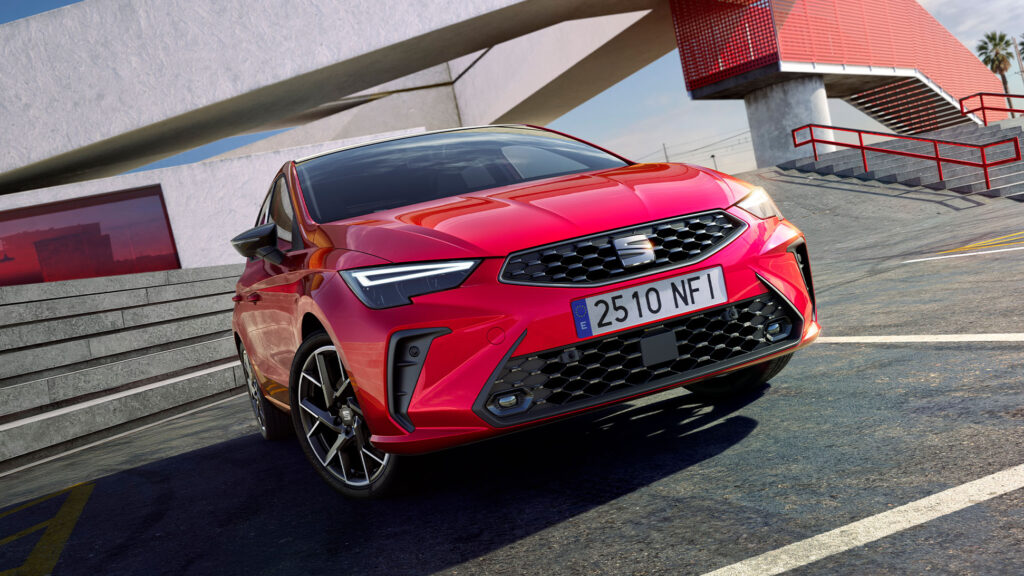
Few cars in Europe have grown up alongside us quite like the SEAT Ibiza. From its boxy, no-nonsense beginnings to the sharp, tech-packed supermini we know today, the Ibiza hasn’t just evolved — it has learned, adapted, and matured with every generation. We’ve seen it as a first car, a university companion, a budget family runabout, and even a sporty statement on alloy wheels.
In this deep-dive guide, we walk through all SEAT Ibiza generations, unpacking how each era shaped the model’s DNA. We’ll talk design, engines, reliability, tech, and — most importantly — what each generation feels like to live with. Think of this as a long road trip through time, with plenty of pit stops along the way
Content in this publication
- Why the SEAT Ibiza Still Matters Today
- SEAT Ibiza Timeline at a Glance
- First Generation SEAT Ibiza (1984–1993)
- Second Generation SEAT Ibiza (1993–2002)
- Why the Second Generation Was a Turning Point
- Third Generation SEAT Ibiza (2002–2008)
- Driving Experience Compared to Earlier Models
- Fourth Generation SEAT Ibiza (2008–2017)
- Why This Generation Sold So Well
- Fifth Generation SEAT Ibiza (2017–Present)
- How the Ibiza’s Character Has Changed Over Time
- Reliability Across SEAT Ibiza Generations
- Which SEAT Ibiza Generation Is Best?
- Ownership Costs Through the Years
- SEAT Ibiza Generations Compared to Rivals
- What the Future Holds for the Ibiza
- Final Thoughts: A Small Car With a Big Story
- FAQs
Why the SEAT Ibiza Still Matters Today
Before we jump into timelines and facelifts, let’s answer a simple question: why do people still care about the Ibiza?
Because it consistently nails the balance between:
- Affordable ownership
- Youthful design
- Practical everyday usability
- Volkswagen Group engineering
Each generation reflects the mindset of its era — from analog simplicity to digital confidence.
SEAT Ibiza Timeline at a Glance
To set the scene, here’s the big picture:
- 1st Generation: 1984–1993
- 2nd Generation: 1993–2002
- 3rd Generation: 2002–2008
- 4th Generation: 2008–2017
- 5th Generation: 2017–Present
Now, let’s open the garage door and examine each one properly.
First Generation SEAT Ibiza (1984–1993)
The Bold Beginning
The original Ibiza arrived in the mid-1980s like a cassette tape in a vinyl world. This was SEAT stepping out of the shadows and proving it could stand on its own.
Design Philosophy
- Sharp edges
- Boxy proportions
- Strong Giugiaro influence
It wasn’t trying to be cute. It was trying to be serious.
Engines and Driving Feel
- Petrol engines with Porsche involvement
- Basic diesel options
- Light steering, minimal insulation
Driving one today feels raw — like holding a conversation without a filter.
What Defined This Generation
- Mechanical simplicity
- Surprisingly solid build for its era
- Minimal electronics
This Ibiza was honest. What you saw is what you got.
Second Generation SEAT Ibiza (1993–2002)
Growing Up in the 90s
The second generation ditched sharp corners and embraced curves — just like fashion, music, and car design of the 1990s.
Exterior Evolution
- Rounded bodywork
- Softer lines
- Improved aerodynamics
It finally looked like it belonged next to rivals rather than standing apart.
Interior Improvements
- Better plastics
- More ergonomic layout
- Improved sound insulation
Engine Line-Up Highlights
- More efficient petrol units
- Stronger diesel options
- Better gearbox refinement
This generation marks the moment the Ibiza stopped feeling “cheap” and started feeling competitive.
Why the Second Generation Was a Turning Point
This was the era where SEAT leaned harder into Volkswagen Group backing. Reliability improved, parts availability soared, and ownership became easier.
Key wins:
You may be interested in reading SEAT Ibiza Xcellence vs FR: Which Trim Truly Fits Your Lifestyle?
- More comfort
- Better safety
- Wider appeal
Third Generation SEAT Ibiza (2002–2008)
The early 2000s brought confidence. This Ibiza didn’t whisper — it spoke clearly and with attitude.
Design Language
- Angular headlights
- Sporty stance
- Shorter overhangs
It felt athletic even when parked.
Interior Tech Boost
- Better infotainment options
- Sportier dashboards
- Improved seat support
Performance Variants
- Stronger diesel engines
- Sport-oriented trims
- More engaging handling
This generation appealed heavily to younger drivers who wanted fun without chaos.
Driving Experience Compared to Earlier Models
Where earlier Ibizas felt light and simple, this one felt:
- More planted
- More confident at speed
- Less rattly over time
It aged well — and many are still daily drivers today.
Fourth Generation SEAT Ibiza (2008–2017)
The Long-Running All-Rounder
If any generation deserves the title “people’s Ibiza,” it’s this one. It stayed on sale for nearly a decade — and for good reason.
Exterior Design
- More aggressive headlights
- Defined body creases
- Wider stance
It felt modern without trying too hard.
Cabin and Comfort
- Improved material quality
- Better infotainment screens over time
- More storage and practicality
Engine Choices
- Efficient petrol engines
- Popular diesel options
- Balanced fuel economy
This Ibiza knew how to behave — whether you were commuting, road-tripping, or learning to drive.
Why This Generation Sold So Well
Simple:
- Predictable reliability
- Affordable maintenance
- Familiar driving feel
It didn’t try to reinvent the wheel — it just made sure it rolled smoothly.
Fifth Generation SEAT Ibiza (2017–Present)
Digital, Confident, Connected
The current Ibiza is a different animal altogether. Built on a modern platform, it finally feels like a premium supermini without the premium price tag.
Design Direction
- Sharper LED lighting
- Cleaner lines
- Confident proportions
It looks grown-up, not boy-racer.
Interior Technology
- Digital cockpit options
- Smartphone integration
- Advanced driver assistance
This is where analog ends and digital begins.
Driving Dynamics
- Improved ride comfort
- Stable motorway manners
- Light but accurate steering
It feels calm — like it knows exactly what it’s doing.
How the Ibiza’s Character Has Changed Over Time
Let’s zoom out for a moment.
Across generations, the Ibiza has shifted from:
You may be interested in readingSEAT Ibiza Xcellence vs FR: Which Trim Truly Fits Your Lifestyle?You may be interested in reading
 SEAT Ibiza VW Equivalent: Which Volkswagen Matches It Best?
- Mechanical → Electronic
- Basic → Connected
- Youthful → Mature
Yet somehow, it hasn’t lost its playful edge.
Reliability Across SEAT Ibiza Generations
While reliability varies by engine and maintenance, general patterns emerge:
Older Generations
- Simpler mechanics
- Easier DIY repairs
- Fewer electronics to fail
Newer Generations
- Better safety systems
- More sensors and modules
- Higher repair complexity
Each era has trade-offs — like choosing between vinyl and streaming.
Which SEAT Ibiza Generation Is Best?
It depends on who you are.
- Budget buyer → Second or third generation
- Daily commuter → Fourth generation
- Tech lover → Fifth generation
- Classic enthusiast → First generation
There’s no wrong answer — just different roads.
Ownership Costs Through the Years
Generally:
- Older Ibizas = cheaper parts, more age-related repairs
- Newer Ibizas = fewer breakdowns, higher tech repair costs
The sweet spot for many drivers is a well-maintained fourth generation.
SEAT Ibiza Generations Compared to Rivals
Over time, the Ibiza has gone from:
- Playing catch-up
- Matching competitors
- Confidently standing shoulder-to-shoulder
Today, it feels like a deliberate choice, not a compromise.
What the Future Holds for the Ibiza
Looking ahead, expect:
- More electrification
- Increased digital features
- Continued focus on efficiency
The Ibiza story isn’t over — it’s simply changing gears.
Final Thoughts: A Small Car With a Big Story
The SEAT Ibiza generations tell a story of ambition, learning, and refinement. Each era reflects not just automotive trends, but how drivers’ expectations evolved over decades.
From a boxy beginner to a confident modern supermini, the Ibiza proves that growth doesn’t mean forgetting your roots — it means building on them.
FAQs
How many SEAT Ibiza generations are there?
There are five official generations, spanning from 1984 to the present day.
Which SEAT Ibiza generation is the most reliable?
The fourth generation is often considered the most balanced in terms of reliability and ownership costs.
Is the first-generation Ibiza worth buying today?
Yes, but mainly as a classic or enthusiast vehicle rather than a daily driver.
You may be interested in readingSEAT Ibiza Xcellence vs FR: Which Trim Truly Fits Your Lifestyle?You may be interested in reading
SEAT Ibiza VW Equivalent: Which Volkswagen Matches It Best?You may be interested in reading
 Skoda Fabia Models: Every Version Explained From 1999 to Today
Did the Ibiza always use Volkswagen Group technology?
Not initially — early generations gradually transitioned into deeper VW Group integration.
Which generation offers the best technology?
The fifth generation stands out for digital displays, connectivity, and driver assistance features.
If you want to know other articles similar to SEAT Ibiza Generations: A Complete Evolution Story you can visit the category Models.
Volvo XC60 vs Mazda CX-60: The Ultimate SUV Showdown
Volvo XC60 vs BMW X5: The Ultimate SUV Showdown
Volvo XC60 vs Ford Kuga: The Ultimate SUV Showdown
Volvo XC60 vs Kia Sportage: The Ultimate SUV Showdown
Volvo XC60 vs Toyota RAV4: Which SUV Truly Wins Our Hearts?
Volvo XC60 vs Lexus NX: Which Premium SUV Truly Wins?
Leave a Reply
More content of your interest