

Seat Ibiza Problems: Common Faults, Fixes, and What Owners Really Face

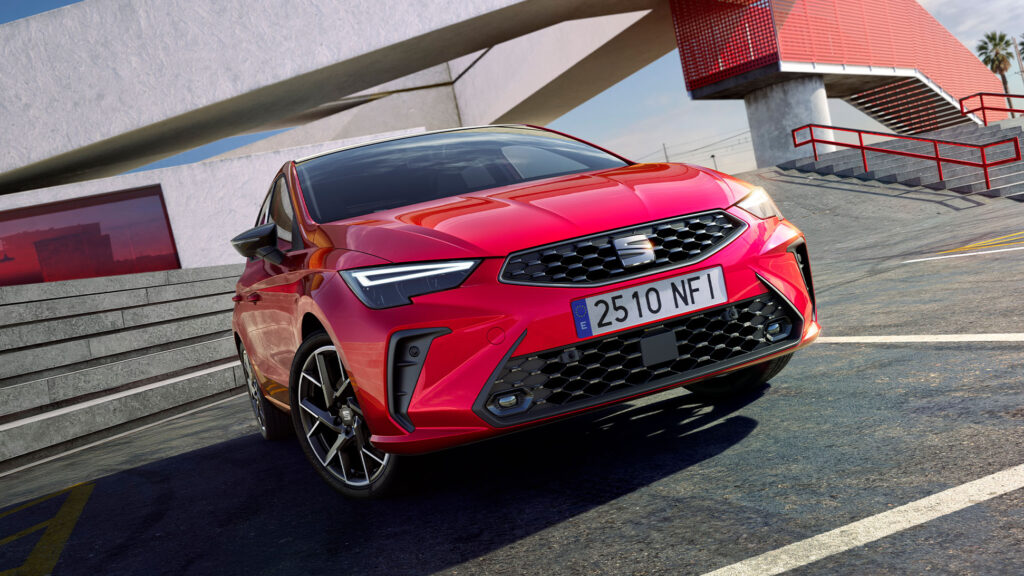
The SEAT Ibiza has long been a familiar face on UK and European roads. It’s stylish, affordable, and fun to drive—like a well-cut jacket that somehow survives years of wear. But even popular cars come with quirks, and the Ibiza is no exception. If you’re here, chances are you’ve experienced a warning light, an odd noise, or that nagging feeling that something isn’t quite right.
We’ve put together the most comprehensive, real-world guide to SEAT Ibiza problems, drawing from owner experiences, mechanical patterns, and practical fixes. No fluff. No panic. Just clarity.
Content in this publication
- Why the SEAT Ibiza Develops Recurring Problems
- Engine Problems in the SEAT Ibiza
- Electrical Problems That Frustrate Ibiza Owners
- Gearbox and Clutch Problems
- Suspension and Steering Issues
- Brake Problems You Shouldn’t Ignore
- Emissions and Exhaust System Problems
- Interior and Comfort Problems
- Bodywork and Exterior Problems
- Is the SEAT Ibiza Reliable Overall?
- How to Reduce SEAT Ibiza Problems
- Should You Buy a Used SEAT Ibiza?
- Final Thoughts on SEAT Ibiza Problems
- Frequently Asked Questions
Why the SEAT Ibiza Develops Recurring Problems
Every generation of the Ibiza shares core engineering with other Volkswagen Group cars. That’s a blessing and a curse.
On one hand, parts are widely available and mechanics know them well. On the other, certain design decisions—especially around electronics, turbo petrol engines, and emissions systems—reappear across multiple model years.
Common contributing factors include:
- Small turbocharged engines under high load
- Complex emissions hardware
- Heavy reliance on sensors and software
- Urban driving styles (short trips, stop-start traffic)
Engine Problems in the SEAT Ibiza


4
Timing Chain Stretch (Older TSI Engines)
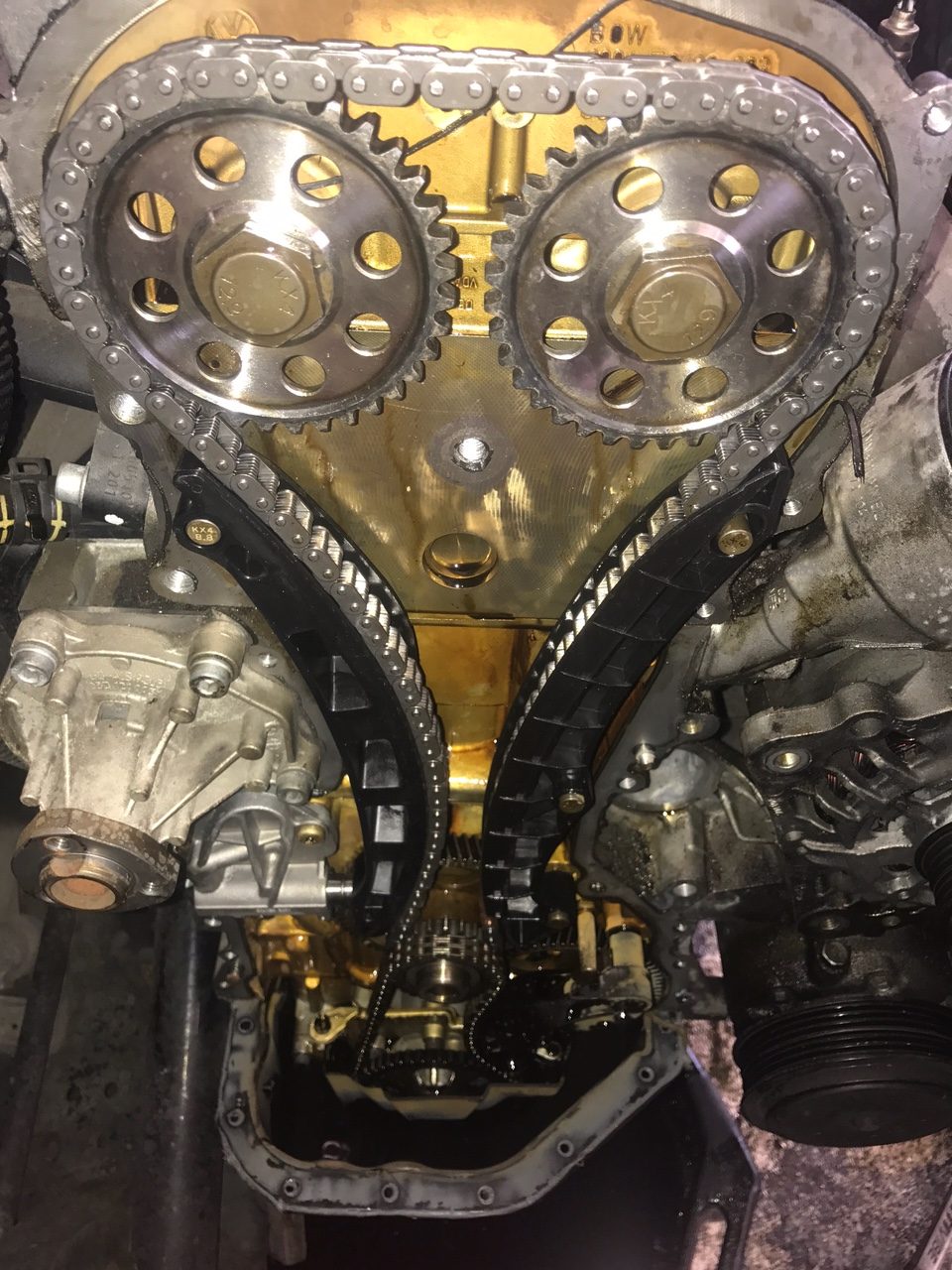
Earlier 1.2 and 1.4 TSI petrol engines are known for timing chain issues. When the chain stretches, you’ll hear a metallic rattle on cold starts—like coins in a blender.
Symptoms include:
- Rattling noise on startup
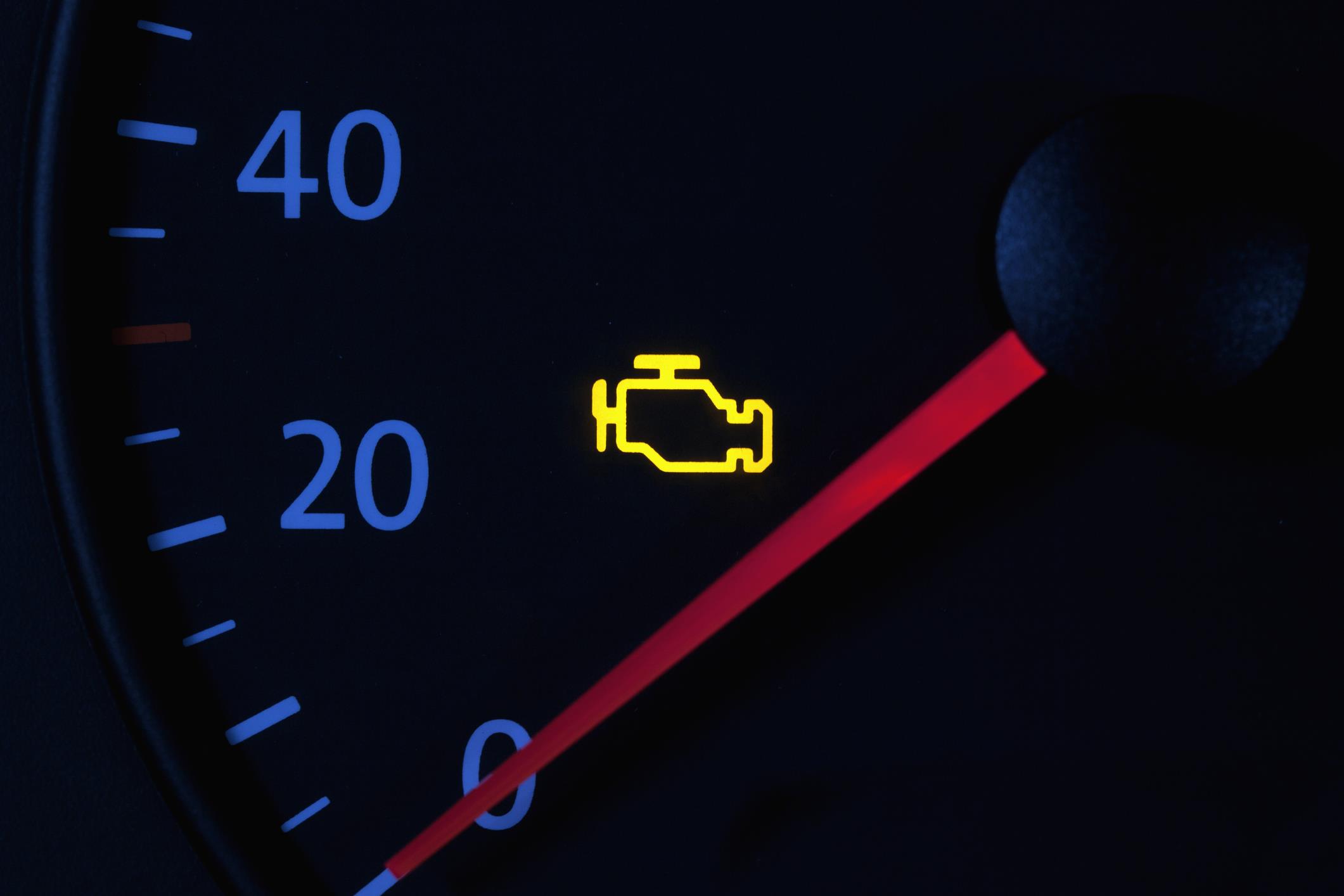
- Engine management light
- Poor performance
Why it matters:
If ignored, a stretched chain can jump teeth and destroy the engine.
Turbocharger Failure
Turbocharged Ibiza engines deliver punchy performance, but turbos don’t forgive poor oil quality or missed services.
Warning signs:
- Loss of power
- Whining or siren-like noise
- Blue or grey exhaust smoke
Oil Consumption Issues
Some Ibiza engines quietly drink oil like it’s happy hour.
Causes include:
- Worn piston rings
- PCV valve failure
- Turbo oil seals
Checking oil monthly isn’t optional—it’s survival.
Electrical Problems That Frustrate Ibiza Owners
4
Random Warning Lights
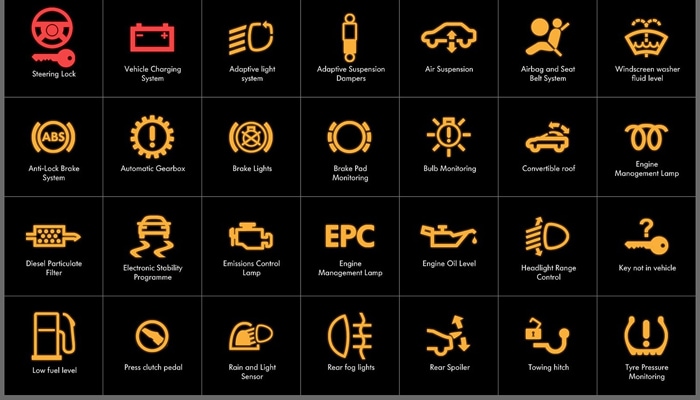
One day the dashboard looks like a Christmas tree. The next, everything’s fine. This is classic Ibiza behaviour.
Common triggers:
- Low battery voltage
- Faulty wheel speed sensors
- Software glitches
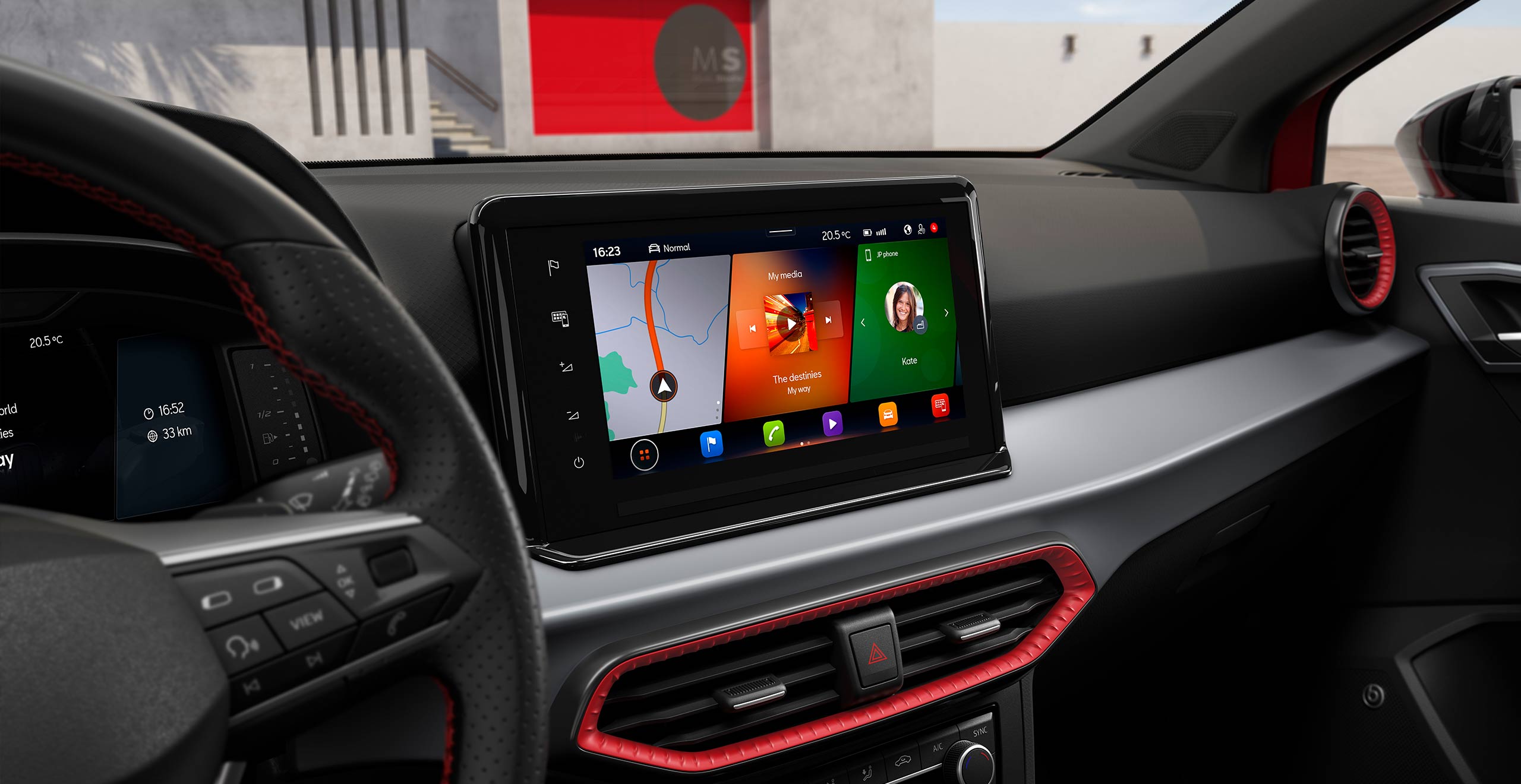
Infotainment System Freezing
Touchscreens freezing mid-journey is surprisingly common.
Typical issues:
- Screen not responding
- Bluetooth disconnecting
- System rebooting randomly
Often solved with a software update—sometimes it’s just stubborn.
Battery Drain Problems
Even a healthy battery can drain overnight.
You may be interested in reading Seat Ibiza Alarm Keeps Going Off – Causes, Fixes, and Permanent Solutions
Possible culprits:
- Comfort module staying awake
- Infotainment not shutting down
- Faulty door sensors
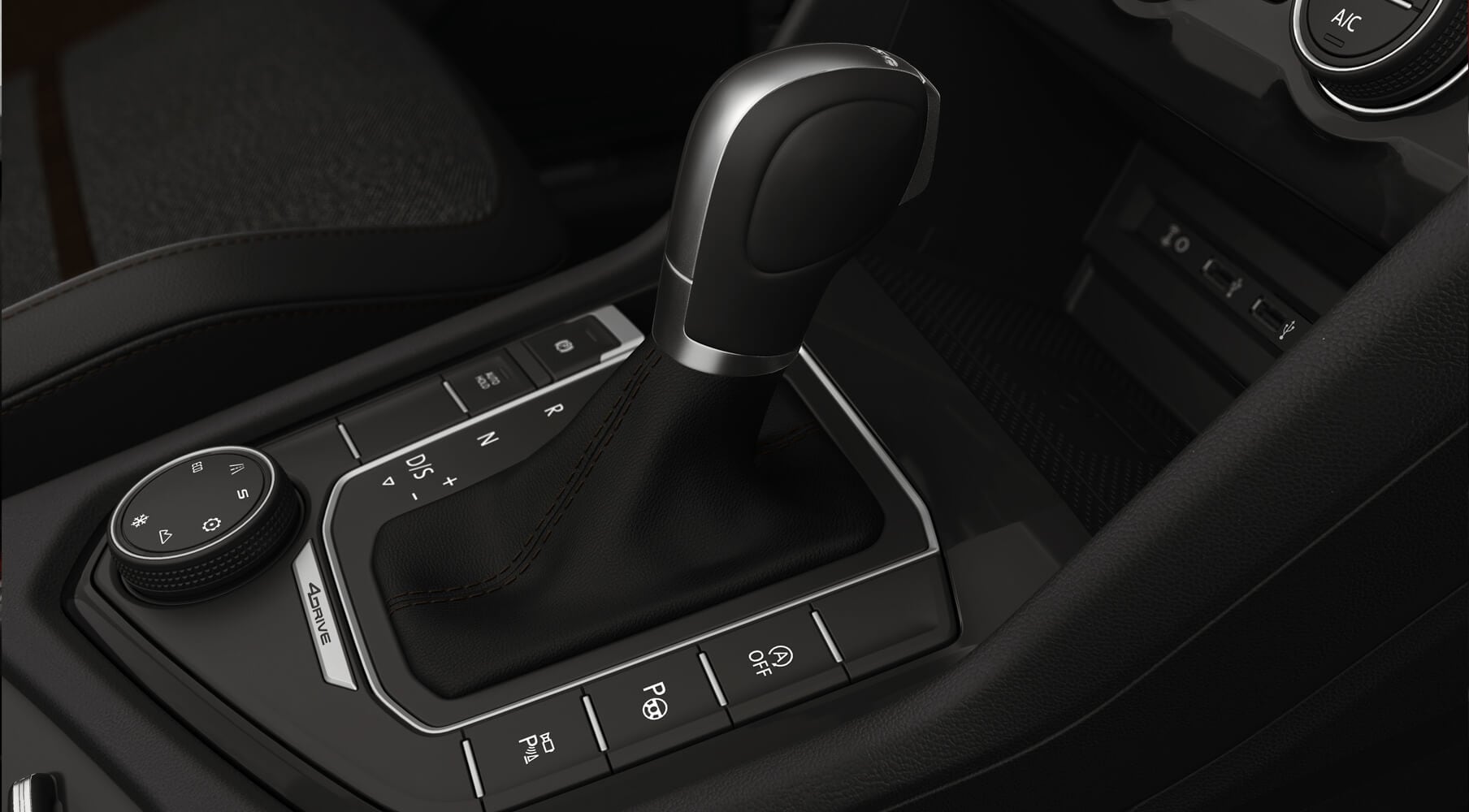
Gearbox and Clutch Problems


4
Manual Gearbox Clutch Wear
The Ibiza clutch can feel light and forgiving—until it isn’t.
Symptoms:
- Slipping under acceleration
- High biting point
- Burning smell
City driving accelerates wear.
DSG Automatic Gearbox Issues
The DSG gearbox offers lightning-fast shifts but demands meticulous maintenance.
Common complaints:
- Jerky low-speed driving
- Hesitation pulling away
- Gearbox warning messages
Skipping fluid changes is a costly gamble.
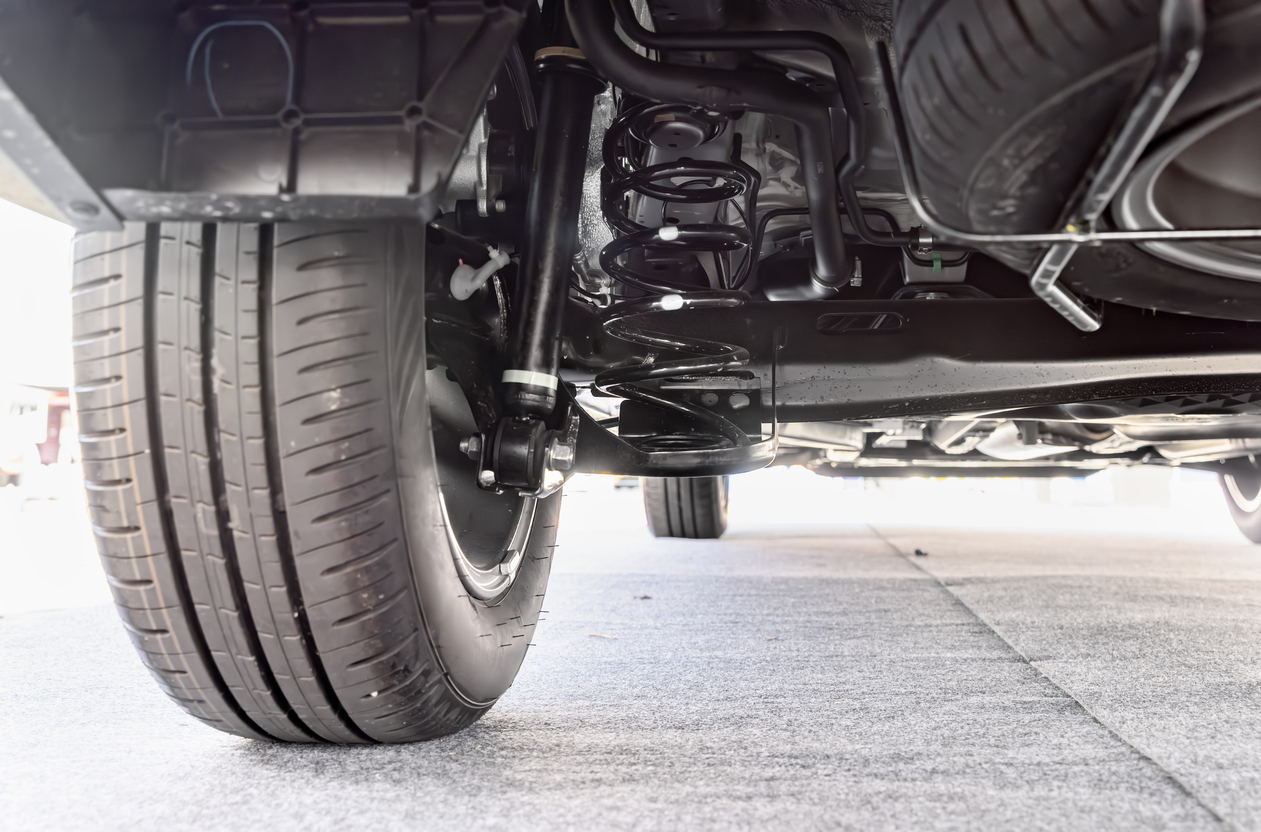
Suspension and Steering Issues

4
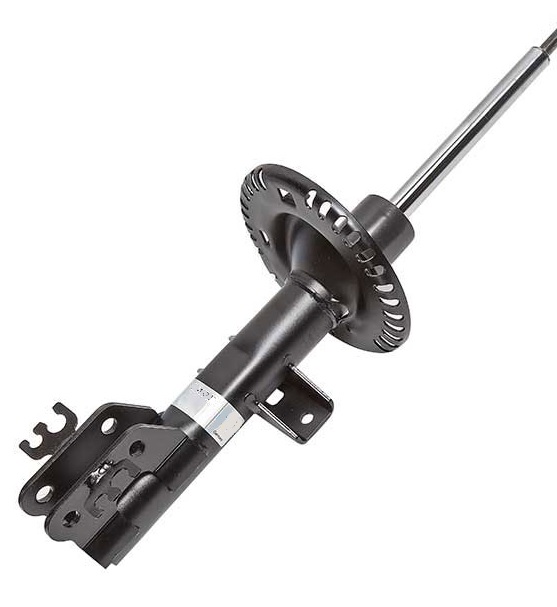
Worn Suspension Components
Rattles over bumps are often traced to:
- Drop links
- Top mounts
- Shock absorbers
UK roads don’t show mercy.
Electric Power Steering Faults
Some owners report sudden loss of steering assistance.
Signs include:
- Heavy steering
- Steering warning light
- Inconsistent assistance
Usually electronic, not mechanical.
Brake Problems You Shouldn’t Ignore
Warped Brake Discs
Juddering through the steering wheel when braking? That’s warped discs.
Why it happens:
- Cheap replacement parts
- Hard braking from speed
- Heat buildup
Handbrake Inefficiency
Rear brakes can seize on cars driven infrequently.
A short weekly drive can prevent this headache.
Emissions and Exhaust System Problems

4
DPF Issues (Diesel Models)
Diesel Ibiza models suffer when used only for short trips.
Symptoms:
You may be interested in readingSeat Ibiza Alarm Keeps Going Off – Causes, Fixes, and Permanent SolutionsYou may be interested in reading
 Seat Ibiza Power Steering Not Working – Causes, Fixes, and Real-World Solutions
- DPF warning light
- Reduced power
- Increased fuel consumption
A proper motorway run can sometimes clear it.
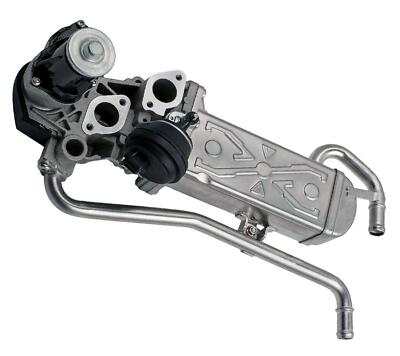
EGR Valve Failure
Carbon buildup restricts airflow and triggers fault codes.
Cleaning may help—but replacement is common.
Interior and Comfort Problems
Air Conditioning Failure
Warm air on a hot day is never welcome.
Common causes:
- Compressor failure
- Refrigerant leaks
- Faulty pressure sensors
Interior Trim Rattles
Plastic trims can rattle over time, especially in cold weather. Not dangerous—but deeply annoying.
Bodywork and Exterior Problems
Water Leaks
Blocked door drains and worn seals can let water into:
- Footwells
- Boot area
Check carpets regularly.
Paint and Trim Wear
Some colours show lacquer peel earlier than expected, especially on older models.
Is the SEAT Ibiza Reliable Overall?
Here’s the honest truth: the Ibiza is generally reliable, but only when properly maintained. Most serious issues stem from neglected servicing, ignored warning signs, or unsuitable driving habits.
When looked after, it’s a loyal companion. When ignored, it’s like a grumpy roommate who stops paying rent.
How to Reduce SEAT Ibiza Problems
Smart Ownership Habits
- Stick to strict service intervals
- Use correct engine oil
- Replace batteries proactively
- Don’t ignore warning lights
Driving Style Matters
- Avoid constant short trips
- Warm the engine gently
- Give diesels regular long runs
Should You Buy a Used SEAT Ibiza?
Yes—but with eyes open.
We recommend:
- Full service history
- Diagnostic scan before purchase
- Evidence of timing chain or DSG servicing
A well-kept Ibiza can be a bargain. A neglected one can be a money pit.
Final Thoughts on SEAT Ibiza Problems
The SEAT Ibiza isn’t fragile—it’s just honest. Treat it well, and it’ll reward you with years of affordable motoring. Ignore its needs, and it’ll remind you loudly.
Cars are conversations. The Ibiza speaks clearly—if we listen.
Frequently Asked Questions
Is the SEAT Ibiza expensive to repair?
Generally no. Parts are affordable and widely available, though DSG and timing chain repairs can be costly.
Which SEAT Ibiza engine is most reliable?
Naturally aspirated petrol engines and later-generation TSI units tend to be the safest choices.
Do SEAT Ibiza cars have electrical problems?
Some models do, mostly related to sensors, batteries, and infotainment software.
How long does a SEAT Ibiza engine last?
With proper maintenance, 150,000–200,000 miles is realistic.
Are SEAT Ibiza diesel models problematic?
They’re reliable when driven properly, but short trips can cause DPF issues.
You may be interested in readingSeat Ibiza Alarm Keeps Going Off – Causes, Fixes, and Permanent SolutionsYou may be interested in reading
Seat Ibiza Power Steering Not Working – Causes, Fixes, and Real-World SolutionsYou may be interested in reading
 Seat Ibiza Heater Not Working: Causes, Fixes, and Real-World Solutions
If you want to know other articles similar to Seat Ibiza Problems: Common Faults, Fixes, and What Owners Really Face you can visit the category Common Problems.
Ford Mondeo Tyre Pressure Sensor Malfunction: Complete Guide to Diagnosis, Fixes, and Prevention
Ford Mondeo Engine Malfunction: Causes, Fixes, and Prevention Guide

Volvo XC60 360 Camera Not Working: Complete Troubleshooting & Fix Guide
Volvo XC60 Key Fob Not Working: Causes, Fixes, and Expert Solutions
Volvo XC60 Low Battery Warning: Causes, Fixes, and Prevention Guide
Volvo XC60 No Sound: Causes, Fixes, and Complete Troubleshooting Guide
Leave a Reply
More content of your interest