

Seat Ibiza Reliability: The Honest Long-Term Ownership Guide

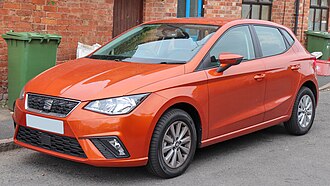
When we talk about small hatchbacks that quietly get on with the job, the Seat Ibiza always finds its way into the conversation. It doesn’t shout like some rivals, it doesn’t pretend to be something it’s not, and that’s exactly why so many drivers trust it. But trust is earned, not given. So today, we’re lifting the bonnet—figuratively and literally—to answer the big question: how reliable is the Seat Ibiza, really?
We’re not here to recycle brochure fluff. We’re here to talk ownership, age, mileage, common faults, long-term durability, and what life with an Ibiza is actually like after the honeymoon period fades.
Let’s dig in.
Content in this publication
- Why Reliability Matters More Than Ever
- Seat Ibiza at a Glance
- Platform and Engineering: Built on Familiar Foundations
- Engine Reliability: Petrol Options Explained
- Diesel Engines: Tough but Aging
- Transmission Reliability: Manual vs Automatic
- Electrical Systems: Mostly Solid, Occasionally Fussy
- Suspension and Steering: Built for Real Roads
- Braking System Longevity
- Interior Durability: Better Than It Looks
- Build Quality Over Time
- Common Seat Ibiza Problems to Watch For
- Maintenance: The Make-or-Break Factor
- Cost of Ownership Over Time
- How the Ibiza Ages Past 100,000 Miles
- Reliability for City Drivers
- Reliability for Long-Distance Drivers
- Used Seat Ibiza Reliability: What to Check
- Reliability Compared to Rivals
- Is the Seat Ibiza a “Safe Bet” Car?
- Our Verdict on Seat Ibiza Reliability
- Final Thoughts
- Frequently Asked Questions
Why Reliability Matters More Than Ever
Modern cars are smarter, faster, and more efficient than ever—but also more complex. And complexity is the enemy of reliability.
For Ibiza buyers, reliability isn’t just about avoiding breakdowns:
- It’s about predictable ownership
- Affordable maintenance
- And a car that doesn’t drain your wallet through constant niggles
In short, we want a car that behaves like a dependable friend, not a dramatic acquaintance.
Seat Ibiza at a Glance
Before we judge reliability, let’s frame the car itself.
The Seat Ibiza sits in the supermini segment, sharing much of its DNA with other Volkswagen Group cars. That shared engineering plays a big role in how it holds up over time.
Key traits influencing reliability:
- Proven platforms and engines
- Conservative mechanical design
- Wide parts availability
- Simple suspension and drivetrain layouts
All good signs so far.
Platform and Engineering: Built on Familiar Foundations
One of the Ibiza’s biggest strengths is that it doesn’t reinvent the wheel.
Underneath, it’s closely related to other well-known small cars in the VW Group family. That means:
- Mature engineering
- Fewer experimental components
- Years of real-world testing before updates arrive
This conservative approach often results in fewer surprises—and fewer expensive ones.
Engine Reliability: Petrol Options Explained
Naturally Aspirated Petrol Engines
Older and entry-level Ibizas often use simple, naturally aspirated petrol engines.
Why they age well:
- Fewer moving parts
- No turbo stress
- Lower running temperatures
These engines tend to be slow but steady—like a tortoise that never breaks stride.
Turbocharged Petrol Engines
Modern Ibizas mostly rely on small turbocharged engines for efficiency and performance.
Reliability outlook:
- Generally strong if serviced correctly
- Oil quality and change intervals matter a lot
- Short trips can accelerate wear
Neglect them, and they’ll complain. Look after them, and they’ll repay you in silence.
Diesel Engines: Tough but Aging
Diesel Ibizas were once popular for high-mileage drivers.
The good:
- Excellent longevity when used properly
- Strong torque and fuel efficiency
The catch:
- Not ideal for short journeys
- Emissions components can age poorly in urban use
For motorway commuters, diesels can still be dependable workhorses.
Transmission Reliability: Manual vs Automatic
Manual Gearboxes
The manual gearbox is one of the Ibiza’s strongest reliability points.
Strengths include:
You may be interested in reading Seat Ibiza Good Stuff: Why This Little Hatch Punches Above Its Weight
- Simple mechanical design
- Long clutch life if driven sensibly
- Rare internal failures
It’s old-school reliability at its best.
Automatic Gearboxes
Automatic Ibizas offer convenience, but reliability depends heavily on maintenance.
Things to know:
- Smooth when healthy
- Sensitive to fluid condition
- Early servicing prevents expensive repairs
Automatics aren’t bad—but they’re less forgiving.
Electrical Systems: Mostly Solid, Occasionally Fussy
Electrics are where many modern cars stumble. The Ibiza mostly keeps its footing.
Common themes:
- Sensors can fail with age
- Battery condition affects electronics heavily
- Infotainment glitches are more annoying than serious
Most electrical issues are manageable rather than catastrophic.
Suspension and Steering: Built for Real Roads
The Ibiza’s suspension isn’t fancy—and that’s a compliment.
Why it lasts:
- Simple components
- Designed for everyday use
- Affordable replacement parts
Bushes, shocks, and links wear eventually—but predictably.
Braking System Longevity
Brakes are consumables, but Ibiza brakes tend to wear evenly and last well.
Expect:
- Long disc and pad life
- No unusual corrosion issues
- Straightforward servicing
Good brakes are like good shoes—you only notice when they’re bad.
Interior Durability: Better Than It Looks
The Ibiza interior won’t win luxury awards, but it holds up surprisingly well.
Long-term observations:
- Seats resist sagging
- Switchgear remains functional
- Minimal rattles if cared for
It’s practical durability rather than showroom sparkle.
Build Quality Over Time
After years on the road, Ibizas generally:
- Still feel tight
- Avoid excessive squeaks
- Age gracefully with routine care
That consistency is a quiet form of reliability.
Common Seat Ibiza Problems to Watch For
No car is perfect. The Ibiza has a few recurring themes worth knowing.
Typical issues include:
- Coil pack failures
- Sensor-related warning lights
- Timing component wear on neglected engines
- Suspension bush wear
None are unusual for the class—and most are affordable fixes.
Maintenance: The Make-or-Break Factor
Reliability isn’t just built—it’s maintained.
Best practices include:
- Shorter oil change intervals
- Quality replacement parts
- Regular inspections
Treat maintenance like brushing your teeth—skip it, and you’ll pay later.
Cost of Ownership Over Time
The Ibiza’s reliability shines brightest in long-term costs.
Ownership benefits:
You may be interested in readingSeat Ibiza Good Stuff: Why This Little Hatch Punches Above Its WeightYou may be interested in reading
 Are SEAT Ibiza Reliable? An Honest, Long-Term Ownership Deep Dive
- Reasonable servicing prices
- Widely available parts
- Independent garages know them well
It’s a car that respects your budget.
How the Ibiza Ages Past 100,000 Miles
This is where reputations are made—or broken.
Well-maintained Ibizas often:
- Start reliably
- Maintain stable performance
- Avoid major mechanical failures
Mileage isn’t the enemy—neglect is.
Reliability for City Drivers
For urban use, the Ibiza makes sense.
Why city drivers trust it:
- Compact size reduces wear
- Engines warm up quickly
- Suspension handles potholes well
It’s comfortable living in stop-start reality.
Reliability for Long-Distance Drivers
On longer journeys, the Ibiza feels confident and composed.
Strengths include:
- Stable cruising
- Predictable fuel consumption
- Minimal fatigue on components
It may be small, but it’s not fragile.
Used Seat Ibiza Reliability: What to Check
Buying used? Reliability depends on inspection.
Key checks:
- Full service history
- Smooth gearbox operation
- No persistent warning lights
- Suspension noise over bumps
A good example can be a bargain. A neglected one will teach lessons.
Reliability Compared to Rivals
The Ibiza sits comfortably among its peers.
Where it shines:
- Balanced engineering
- Predictable maintenance
- Fewer dramatic failures
It doesn’t always lead the pack—but it rarely embarrasses itself.
Is the Seat Ibiza a “Safe Bet” Car?
Yes—and that’s high praise.
The Ibiza is the kind of car you recommend to friends because you don’t hear horror stories. It’s not flashy, but it’s faithful.
Our Verdict on Seat Ibiza Reliability
If reliability were a personality trait, the Ibiza would be calm, consistent, and quietly competent.
It rewards care, forgives minor mistakes, and doesn’t demand attention every month. That’s the kind of relationship most drivers want.
Final Thoughts
In a world full of over-engineered small cars, the Seat Ibiza stands out by simply working. It doesn’t chase trends at the expense of durability, and that restraint shows in long-term ownership.
If you want a supermini that ages with dignity rather than drama, the Ibiza deserves a serious look.
Frequently Asked Questions
Is the Seat Ibiza reliable long term?
Yes. With regular servicing, many Ibizas exceed high mileages without major issues.
Are Seat Ibiza engines dependable?
Generally yes, especially when oil changes and routine maintenance are respected.
Is the Seat Ibiza expensive to maintain?
No. Parts and servicing costs are typically affordable for its class.
You may be interested in readingSeat Ibiza Good Stuff: Why This Little Hatch Punches Above Its WeightYou may be interested in reading
Are SEAT Ibiza Reliable? An Honest, Long-Term Ownership Deep DiveYou may be interested in reading
 Is SEAT Ibiza a Good Car? An Honest, Real-World Look
Do automatic Seat Ibizas have reliability issues?
They can be reliable, but maintenance is crucial—especially fluid changes.
Is the Seat Ibiza a good used car choice?
Absolutely. A well-maintained used Ibiza offers excellent reliability for the money.
If you want to know other articles similar to Seat Ibiza Reliability: The Honest Long-Term Ownership Guide you can visit the category Blog.
Ford Mondeo Reliability: The Real Truth Behind This Iconic Sedan

Volvo XC60 Quality: A Deep Dive Into Premium Craftsmanship and Everyday Excellence
Volvo XC60 Reliability by Year: The Complete Owner’s Guide

Which Ford Kuga Engine Is Best? The Ultimate Buyer’s Guide
Pros and Cons Mazda CX-30: The Real-World Ownership Breakdown
Peugeot 308 Years to Avoid: The Ultimate Buyer’s Guide
Leave a Reply
More content of your interest