
SEAT Leon Engine Size: The Complete Guide to Power, Efficiency, and Real-World Driving

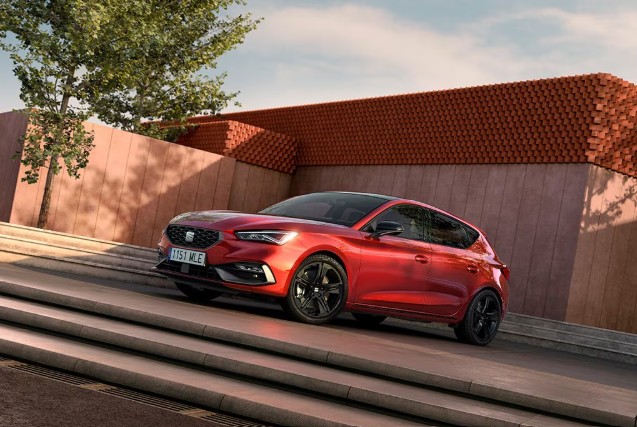
When we talk about the SEAT Leon, one of the first questions that naturally comes to mind is: what engine size should we go for?
It’s a bit like choosing the heart of a machine—too small, and it struggles; too big, and it drinks fuel like there’s no tomorrow. The sweet spot? That’s exactly what we’re here to uncover.
In this guide, we’ll walk together through every engine size the Leon has offered, from modest city-friendly units to punchy performance beasts. Let’s break it down.
Content in this publication
- Understanding Engine Size: What Does It Really Mean?
- Why Engine Size Matters More Than You Think
- Overview of SEAT Leon Engine Sizes by Generation
- Breaking Down Each Engine Size
- 1.0L TSI Engine: The Urban Warrior
- 1.2L & 1.4L Engines: The Middle Ground
- 1.5L TSI Engine: The Sweet Spot
- 2.0L Engines: Power Meets Precision
- Hybrid Engine (1.4L Plug-In): The Future Drive
- Petrol vs Diesel: Which Engine Size Works Best?
- How Engine Size Affects Fuel Economy
- Engine Size and Insurance Costs
- Engine Size and Driving Style
- Common Mistakes When Choosing Engine Size
- Maintenance Considerations by Engine Size
- Resale Value and Engine Size
- Which SEAT Leon Engine Size Is Best Overall?
- Quick Comparison Table
- How to Choose the Right Engine Size (Step-by-Step)
- Closing Thoughts: Finding Your Perfect Match
- FAQs
Understanding Engine Size: What Does It Really Mean?
The Basics of Engine Displacement
Engine size—often measured in litres (L)—refers to the total volume of all cylinders in an engine.
- 1.0L = small engine, typically 3 cylinders
- 1.5L = mid-range, balanced performance
- 2.0L+ = performance-oriented
Think of it like lung capacity. Bigger lungs = more air = more power.
Why Engine Size Matters More Than You Think
Performance vs Efficiency
Choosing the right engine size affects:
- Acceleration and top speed
- Fuel consumption
- Insurance costs
- Maintenance expenses
A 1.0L engine is like a marathon runner—efficient but not explosive. A 2.0L engine? More like a sprinter.
Overview of SEAT Leon Engine Sizes by Generation
The SEAT Leon has evolved over time, offering a wide range of engines.
First Generation (1999–2005)
- 1.4L petrol
- 1.6L petrol
- 1.8L turbo
- 1.9L diesel
Second Generation (2005–2012)
- 1.2L TSI
- 1.4L TSI
- 2.0L TFSI
- 1.6L & 2.0L TDI
Third Generation (2012–2020)
- 1.0L TSI
- 1.5L TSI
- 2.0L TSI
- 1.6L & 2.0L TDI
Fourth Generation (2020–Present)
- 1.0L TSI
- 1.5L TSI
- 2.0L TSI
- Hybrid options (1.4L plug-in)
Breaking Down Each Engine Size
1.0L TSI Engine: The Urban Warrior
What We Love
- Excellent fuel economy
- Lower insurance costs
- Surprisingly smooth
What to Watch Out For
- Limited power on highways
- Not ideal for heavy loads
This engine feels like a compact backpack—light, efficient, and perfect for city life.
1.2L & 1.4L Engines: The Middle Ground
Balanced Performance
These engines were popular in earlier generations.
You may be interested in reading SEAT Leon Oil Type: The Complete Guide to Choosing the Right Engine Oil
- Better acceleration than 1.0L
- Still economical
- Great for mixed driving
Who Should Choose It?
- Daily commuters
- Occasional highway drivers
1.5L TSI Engine: The Sweet Spot
Why It’s So Popular
If there’s a “goldilocks” engine in the Leon lineup, this is it.
- Strong performance
- Excellent fuel efficiency
- Cylinder deactivation technology
Real-World Feel
It’s like having a car that adapts to your mood—calm in traffic, lively on open roads.
2.0L Engines: Power Meets Precision
Performance-Oriented Options
- 2.0L TSI (petrol)
- 2.0L TDI (diesel)
Key Benefits
- Rapid acceleration
- High torque
- Ideal for long journeys
Downside
- Higher fuel consumption
- Increased maintenance costs
This is where the Leon starts to feel like a proper sports hatch.
Hybrid Engine (1.4L Plug-In): The Future Drive
What Makes It Special
- Combines petrol engine with electric motor
- Lower emissions
- Silent electric mode
Best For
- Eco-conscious drivers
- Urban + short-distance commuting
Petrol vs Diesel: Which Engine Size Works Best?
Petrol Engines
- Smoother and quieter
- Ideal for short trips
- Lower upfront cost
Diesel Engines
- Better fuel economy on long drives
- Higher torque
- Longer lifespan
How Engine Size Affects Fuel Economy
General Rule
- Smaller engine = less fuel used
- Larger engine = more power, more fuel
Example Comparison
- 1.0L TSI: ~50–60 mpg
- 1.5L TSI: ~45–55 mpg
- 2.0L TSI: ~35–45 mpg
Engine Size and Insurance Costs
What Insurers Consider
- Engine size
- Power output
- Risk profile
Smaller engines = cheaper insurance. Simple as that.
Engine Size and Driving Style
City Drivers
Go for:
- 1.0L or 1.5L
Highway Cruisers
Best choice:
- 1.5L or 2.0L
Performance Enthusiasts
No question:
- 2.0L TSI
Common Mistakes When Choosing Engine Size
1. Going Too Small
You save fuel—but sacrifice power.
2. Going Too Big
You gain performance—but lose efficiency.
3. Ignoring Driving Needs
Always match engine size to lifestyle.
You may be interested in readingSEAT Leon Oil Type: The Complete Guide to Choosing the Right Engine OilYou may be interested in reading
SEAT Leon Service Reset: The Complete Expert GuideMaintenance Considerations by Engine Size
Smaller Engines
- Lower maintenance costs
- Simpler components
Larger Engines
- Higher service costs
- More complex systems
Resale Value and Engine Size
Interestingly, mid-range engines like the 1.5L often hold value best.
Why? Because they appeal to the widest audience.
Which SEAT Leon Engine Size Is Best Overall?
Let’s simplify it:
- Best for city: 1.0L TSI
- Best all-rounder: 1.5L TSI
- Best for performance: 2.0L TSI
- Best for economy (long trips): 2.0L TDI
Quick Comparison Table
Engine Size Overview
- 1.0L → Economy & city use
- 1.2–1.4L → Balanced older options
- 1.5L → Best overall
- 2.0L → Power & performance
- Hybrid 1.4L → Efficiency + eco
How to Choose the Right Engine Size (Step-by-Step)
Ask Yourself:
- Do we drive mostly in the city?
- Do we need strong acceleration?
- Is fuel economy a priority?
- How often do we travel long distances?
Answer these honestly—and the right engine will reveal itself.
Closing Thoughts: Finding Your Perfect Match
Choosing the right engine size for the SEAT Leon isn’t about chasing the biggest number—it’s about balance.
We want a car that fits our lifestyle like a glove. One that responds when we press the pedal, yet doesn’t punish us at the fuel pump.
In the end, the best engine isn’t the most powerful—it’s the one that feels just right every time we drive.
FAQs
1. What is the most reliable SEAT Leon engine size?
The 1.5L TSI is widely considered the most reliable due to its balance of performance and efficiency.
2. Is a 1.0L engine enough for a SEAT Leon?
Yes, for city driving. However, it may feel underpowered on highways.
3. Which engine size is best for fuel economy?
The 1.0L TSI offers the best fuel efficiency, followed closely by diesel options.
You may be interested in readingSEAT Leon Oil Type: The Complete Guide to Choosing the Right Engine OilYou may be interested in reading
SEAT Leon Service Reset: The Complete Expert GuideYou may be interested in reading
SEAT Leon Specs: The Complete Guide to Performance, Engines, and Features4. Is the 2.0L engine worth it?
If you value performance and frequent long drives, absolutely.
5. Should I choose petrol, diesel, or hybrid?
- Petrol: short trips
- Diesel: long distances
- Hybrid: eco-friendly city use
If you want to know other articles similar to SEAT Leon Engine Size: The Complete Guide to Power, Efficiency, and Real-World Driving you can visit the category Service and Parts.
Audi A1 Motor: The Complete Guide to Performance, Reliability, and Engine Choices
Ford Fiesta ST Oil Capacity: The Complete Guide Every Owner Needs
How to Change Air Filter RAV4: The Complete DIY Guide

SEAT Leon Oil Change Reset: The Complete Step-by-Step Guide
SEAT Leon Heater Matrix Replacement Cost: Complete Guide, Symptoms, and Savings Tips
SEAT Leon Door Card Removal: The Complete Step-by-Step Guide
Leave a Reply
More content of your interest