
SEAT Leon Specs: The Complete Guide to Performance, Engines, and Features

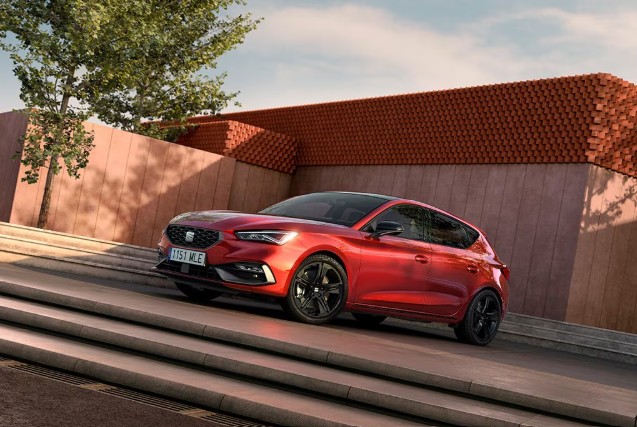
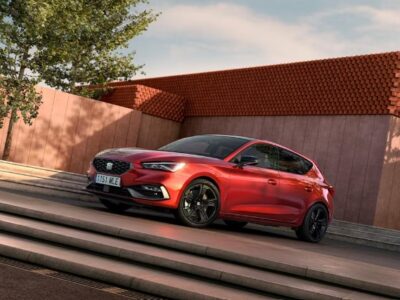
When we talk about compact cars that blend practicality with a hint of sporty flair, the SEAT Leon always enters the conversation. It’s like that friend who shows up in trainers but still manages to outrun everyone—stylish, efficient, and surprisingly powerful.
In this guide, we’re diving deep into SEAT Leon specs, breaking everything down from engine options and performance figures to dimensions, tech, and real-world usability. Whether we’re considering buying one or just curious about what makes it tick, let’s unpack it all together.
Content in this publication
- Overview of the SEAT Leon
- SEAT Leon Generations and Evolution
- Engine Options Explained
- Performance Specifications
- Transmission Options
- Fuel Economy and Efficiency
- Dimensions and Size
- Boot Space and Practicality
- Interior Features and Comfort
- Technology and Infotainment
- Safety Specifications
- Suspension and Handling
- Trim Levels and Variants
- Weight and Towing Capacity
- Maintenance and Running Costs
- SEAT Leon vs Competitors
- Is the SEAT Leon Worth It?
- Closing Thoughts
- FAQs
Overview of the SEAT Leon
A Brief Introduction to the Model
The SEAT Leon has been a staple in the compact hatchback segment since its debut in 1999. Built by SEAT, it shares its DNA with models from the Volkswagen Group, including the Golf and Audi A3.
Why the Leon Stands Out
- Sporty design with sharp lines
- Balanced performance and efficiency
- Advanced tech at a competitive price
- Multiple body styles (hatchback & estate)
Think of it as a “Golf with attitude”—a bit more daring, a bit more emotional.
SEAT Leon Generations and Evolution
First Generation (1999–2005)
- Based on VW Golf Mk4 platform
- Focused on affordability and reliability
Second Generation (2005–2012)
- Introduced sportier styling
- More powerful engine options
Third Generation (2012–2020)
- Significant tech upgrades
- Lighter MQB platform
Fourth Generation (2020–Present)
- Fully digital cockpit
- Hybrid technology introduced
Engine Options Explained
Petrol Engines (TSI)
The Leon’s petrol lineup is where efficiency meets performance.
Typical TSI Engines
- 1.0 TSI – 90 to 110 hp
- 1.5 TSI – 130 to 150 hp
- 2.0 TSI – up to 300 hp (Cupra variants)
These engines feel responsive and smooth, perfect for both city cruising and motorway runs.
Diesel Engines (TDI)
Still relevant for long-distance drivers.
Typical TDI Options
- 2.0 TDI – 115 to 150 hp
Diesel Leons are like marathon runners—steady, efficient, and built for endurance.
Hybrid and Plug-in Hybrid (eTSI & eHybrid)
Mild Hybrid (eTSI)
- 1.0 and 1.5 engines
- Improved fuel economy
Plug-in Hybrid (PHEV)
- 1.4 eHybrid
- Combined output: ~204 hp
- Electric range: up to 60 km
This is where the Leon starts flirting with the future.
Performance Specifications
Acceleration and Speed
Depending on the engine:
You may be interested in reading SEAT Leon Tyre Pressure Reset: The Complete Expert Guide
- 0–100 km/h:
- 1.0 TSI: ~10.5 seconds
- 1.5 TSI: ~8.5 seconds
- 2.0 TSI: ~6.0 seconds
- Top Speed:
- Ranges from 190 km/h to 250 km/h
Driving Feel
The Leon feels planted and agile—like it reads your mind when cornering.
Transmission Options
Manual Gearbox
- 5-speed or 6-speed
- More engaging driving experience
DSG Automatic
- 7-speed dual-clutch
- Smooth and quick shifts
If driving is a conversation, DSG is like speaking fluently without thinking.
Fuel Economy and Efficiency
Petrol Consumption
- 1.0 TSI: ~5.5 L/100 km
- 1.5 TSI: ~6.0 L/100 km
Diesel Consumption
- 2.0 TDI: ~4.5 L/100 km
Hybrid Efficiency
- PHEV: ~1.5–2.0 L/100 km (combined)
Efficiency here feels less like a compromise and more like a bonus.
Dimensions and Size
Exterior Dimensions
- Length: ~4,368 mm
- Width: ~1,800 mm
- Height: ~1,456 mm
Wheelbase
- ~2,686 mm
This translates into a compact footprint with surprisingly generous interior space.
Boot Space and Practicality
Cargo Capacity
- Hatchback: ~380 litres
- Estate (ST): ~620 litres
Fold the rear seats, and suddenly the Leon transforms into a mini moving van.
Interior Features and Comfort
Cabin Design
- Minimalist dashboard
- Ambient lighting
- Premium materials
Comfort Features
- Dual-zone climate control
- Heated seats
- Adjustable driving position
It’s like stepping into a lounge rather than a car.
Technology and Infotainment
Digital Cockpit
- Fully digital instrument cluster
- Customizable displays
Infotainment System
- 8.25" to 10" touchscreen
- Apple CarPlay & Android Auto
- Voice control
The Leon doesn’t just drive—it connects.
Safety Specifications
Standard Safety Features
- Lane assist
- Autonomous emergency braking
- Driver fatigue detection
Advanced Safety
- Adaptive cruise control
- Blind spot monitoring
- Traffic sign recognition
Safety here feels proactive, not reactive.
Suspension and Handling
Front Suspension
- MacPherson strut
Rear Suspension
- Multi-link (higher trims)
Driving Dynamics
- Precise steering
- Balanced ride comfort
It’s like walking a tightrope between comfort and sportiness—and not falling.
Trim Levels and Variants
Common Trims
- SE
- SE Dynamic
- FR (sport-focused)
- Xcellence (luxury-oriented)
Performance Variant
- Cupra Leon (separate branding now)
Each trim feels like a different personality of the same car.
You may be interested in readingSEAT Leon Tyre Pressure Reset: The Complete Expert GuideYou may be interested in reading
SEAT Leon Timing Belt Change: The Complete Expert GuideWeight and Towing Capacity
Kerb Weight
- ~1,200 to 1,500 kg
Towing Capacity
- Up to 1,500 kg (engine dependent)
Light enough for agility, strong enough for practicality.
Maintenance and Running Costs
Service Intervals
- Typically every 15,000–30,000 km
Common Costs
- Moderate parts pricing
- Good fuel efficiency
Owning a Leon is like having a stylish friend who isn’t expensive to hang out with.
SEAT Leon vs Competitors
Compared to VW Golf
- More affordable
- Slightly sportier design
Compared to Ford Focus
- Better tech
- Similar driving dynamics
Compared to Peugeot 308
- More conservative styling
- Stronger reliability perception
Is the SEAT Leon Worth It?
If we’re looking for:
- A practical daily driver
- Modern tech
- Engaging performance
Then yes—the Leon ticks nearly every box.
Closing Thoughts
The SEAT Leon specs reveal a car that’s more than just numbers on paper. It’s a well-rounded machine—efficient yet exciting, practical yet stylish.
We could say it’s the “sweet spot” of the compact car world. Not too flashy, not too basic—just right.
And honestly? That balance is what makes it special.
FAQs
1. What engine is best for the SEAT Leon?
The 1.5 TSI offers the best balance of power and efficiency for most drivers.
2. Is the SEAT Leon fuel efficient?
Yes, especially diesel and hybrid versions, which deliver excellent economy.
3. How big is the SEAT Leon boot?
Around 380 litres for hatchback and up to 620 litres for the estate version.
You may be interested in readingSEAT Leon Tyre Pressure Reset: The Complete Expert GuideYou may be interested in reading
SEAT Leon Timing Belt Change: The Complete Expert GuideYou may be interested in reading
SEAT Leon Lowering Springs: The Ultimate Guide to Style, Performance, and Precision4. Does the SEAT Leon have a hybrid version?
Yes, including mild hybrid (eTSI) and plug-in hybrid (eHybrid) options.
5. Is the SEAT Leon reliable?
Generally yes, thanks to proven Volkswagen Group components.
If you want to know other articles similar to SEAT Leon Specs: The Complete Guide to Performance, Engines, and Features you can visit the category Service and Parts.
Audi A1 Motor: The Complete Guide to Performance, Reliability, and Engine Choices
Ford Fiesta ST Oil Capacity: The Complete Guide Every Owner Needs
How to Change Air Filter RAV4: The Complete DIY Guide
SEAT Leon Oil Change Reset: The Complete Step-by-Step Guide
SEAT Leon Heater Matrix Replacement Cost: Complete Guide, Symptoms, and Savings Tips
SEAT Leon Door Card Removal: The Complete Step-by-Step Guide
Leave a Reply
More content of your interest