

SEAT Leon Years to Avoid: The Honest Buyer’s Guide We Wish We Had

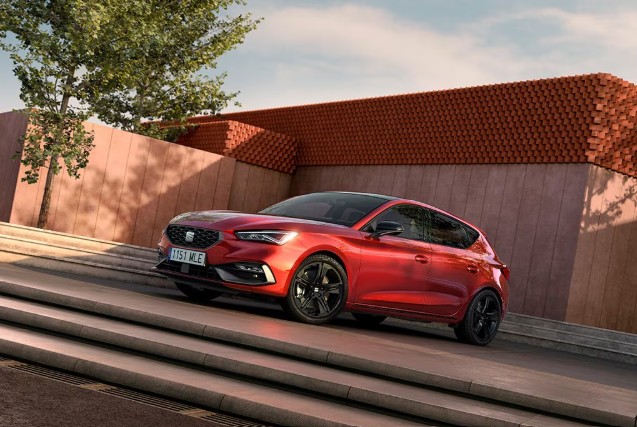
When we talk about smart car buying, we’re not just chasing shiny badges or aggressive styling—we’re chasing peace of mind. And if you’ve got your eye on the ever-popular SEAT Leon, you’re already halfway there.
But here’s the thing: not every Leon is created equal.
Some model years are like a perfectly brewed coffee—smooth, reliable, satisfying. Others? More like that burnt cup you regret halfway through.
So, which SEAT Leon years should we avoid—and why?
Let’s break it down like real buyers, not brochure readers.
Content in this publication
- Why Knowing “Years to Avoid” Actually Matters
- A Quick Overview of SEAT Leon Generations
- SEAT Leon Years to Avoid (The Ones We’d Think Twice About)
- 2006–2008 Models: Early Second-Gen Troubles
- 2009–2010 Models: Slight Improvements, Same Risks
- 2013–2014 Models: Early Third-Gen Growing Pains
- 2016 Models: The “In-Between” Year
- Diesel Models (2010–2015): DPF Headaches
- DSG Gearbox Years to Watch Closely
- Engines That Caused the Most Trouble
- SEAT Leon Years That Are Actually Reliable
- 2017–2019 Models: The Sweet Spot
- 2020+ Models: Too New, But Promising
- Key Signs You’re Buying a “Bad Year” Leon
- How to Safely Buy a Used SEAT Leon
- Is the SEAT Leon Still Worth It?
- Final Thoughts: Should We Avoid the SEAT Leon?
- FAQs
Why Knowing “Years to Avoid” Actually Matters
We’ve all been there—finding a great deal online, falling in love, and then… surprise repair bills.
Understanding problematic model years helps us:
- Avoid common mechanical issues
- Save thousands in repairs
- Choose a Leon that actually lasts
- Drive with confidence, not anxiety
Think of this as your shortcut through the noise.
A Quick Overview of SEAT Leon Generations
Before diving into the “avoid” list, we need context.
1st Generation (1999–2005)
- Built on the Volkswagen Golf Mk4 platform
- Solid but aging now
2nd Generation (2005–2012)
- Sportier design
- Improved tech, but some reliability hiccups
3rd Generation (2012–2020)
- Based on the MQB platform
- More refined, but not flawless
4th Generation (2020–Present)
- Modern tech-heavy interior
- Still too new for long-term reliability patterns
SEAT Leon Years to Avoid (The Ones We’d Think Twice About)
Let’s get to the heart of it.
2006–2008 Models: Early Second-Gen Troubles
What Went Wrong?
These early second-generation models looked fantastic—but underneath, cracks began to show.
Common Issues
- Faulty DSG gearboxes (jerky shifts, failures)
- Electrical gremlins (dashboard lights, sensors)
- Turbo failures in some petrol engines
Why We’d Avoid Them
It’s not just one issue—it’s the combination. Multiple small problems add up quickly.
2009–2010 Models: Slight Improvements, Same Risks
What Changed?
SEAT fixed a few early bugs, but not all.
Persistent Problems
- DSG gearbox reliability still questionable
- Diesel engines prone to EGR valve issues
- Suspension wear earlier than expected
Verdict
If well-maintained, these can be okay—but they’re still a gamble.
You may be interested in reading How Reliable Are Nissan Jukes? A Complete, Honest Guide
2013–2014 Models: Early Third-Gen Growing Pains
The third generation brought a big leap forward—but early versions weren’t perfect.
Key Issues
- Infotainment system glitches
- Turbocharger problems in some TSI engines
- Build quality inconsistencies
What It Feels Like
Like buying the first version of a new phone—exciting, but a bit buggy.
2016 Models: The “In-Between” Year
This one surprises many.
What’s the Problem?
- Software-related issues
- Occasional DSG hesitation
- Minor electrical faults
Should You Avoid It?
Not entirely—but only buy if there’s a full service history.
Diesel Models (2010–2015): DPF Headaches
The Core Issue
Diesel Leon models in this period often suffer from:
- DPF (Diesel Particulate Filter) clogging
- EGR valve failures
- Reduced performance over time
Who Should Avoid Them?
- City drivers (short trips worsen DPF problems)
Who Might Still Consider Them?
- Long-distance motorway drivers
DSG Gearbox Years to Watch Closely
The DSG gearbox is brilliant—until it isn’t.
Most Problematic Periods
- 2006–2010
- Early 2013 models
Typical Symptoms
- Delayed gear engagement
- Jerky acceleration
- Warning lights
Our Advice
If the car has DSG:
- Check service history religiously
- Test drive thoroughly
Engines That Caused the Most Trouble
Let’s zoom in further.
TSI Petrol Engines (Early Versions)
- Timing chain issues
- Turbo wear
TDI Diesel Engines
- EGR and DPF problems
- Injector faults
What We Learn
The engine matters as much as the year—sometimes more.
SEAT Leon Years That Are Actually Reliable
Now let’s flip the script.
2017–2019 Models: The Sweet Spot
This is where things get interesting.
Why These Stand Out
- Improved build quality
- More reliable DSG tuning
- Refined engines
What It Feels Like
Finally, the Leon grows into itself.
2020+ Models: Too New, But Promising
The latest Leon looks incredible—but…
The Reality
- Not enough long-term data yet
- Heavy reliance on software
Our Take
Promising, but proceed with caution if buying used.
You may be interested in readingHow Reliable Are Nissan Jukes? A Complete, Honest GuideYou may be interested in reading
 Bad Years for Volkswagen Passat Sedan 4D: What We Really Need to Know Before Buying
Key Signs You’re Buying a “Bad Year” Leon
Even within a “bad” year, some cars are fine.
Red Flags to Watch
- Incomplete service history
- Rough gearbox behavior
- Warning lights on dashboard
- Unusual engine noises
How to Safely Buy a Used SEAT Leon
Let’s make this practical.
Checklist Before You Buy
- Full service history ✔
- Diagnostic scan ✔
- Test drive (at least 20 minutes) ✔
- Independent inspection ✔
Golden Rule
We don’t buy the cheapest Leon—we buy the best maintained one.
Is the SEAT Leon Still Worth It?
Absolutely.
Despite a few problematic years, the SEAT Leon remains:
- Fun to drive
- Affordable to maintain
- Stylish and modern
It’s like a great athlete with a few off seasons—it still delivers.
Final Thoughts: Should We Avoid the SEAT Leon?
Not at all.
We just need to be smart about which one we choose.
Avoid If Possible
- 2006–2008
- 2009–2010 (with caution)
- 2013–2014 early models
Best Picks
- 2017–2019 models
At the end of the day, buying a car is part logic, part instinct.
But with the right knowledge, we tip the odds firmly in our favor.
FAQs
1. What is the worst SEAT Leon year?
The 2006–2008 models are often considered the least reliable due to DSG and electrical issues.
2. Are SEAT Leon DSG gearboxes unreliable?
Early DSG versions (especially 2006–2010) had issues, but later versions improved significantly.
3. Is the 2014 SEAT Leon a good car?
It’s decent, but early third-gen models had infotainment and turbo concerns.
4. Which SEAT Leon engine is most reliable?
Later TSI petrol engines (post-2016) and well-maintained TDI engines tend to be more reliable.
You may be interested in readingHow Reliable Are Nissan Jukes? A Complete, Honest GuideYou may be interested in reading
Bad Years for Volkswagen Passat Sedan 4D: What We Really Need to Know Before BuyingYou may be interested in reading
 Are SEAT Leon Good Cars? A Complete, Honest Buyer’s Guide
5. Should I avoid diesel SEAT Leon models?
Not necessarily—but avoid them if you mainly drive short distances due to DPF issues.
If you want to know other articles similar to SEAT Leon Years to Avoid: The Honest Buyer’s Guide We Wish We Had you can visit the category Blog.
Is the SEAT Leon a Good First Car? A Complete Buyer’s Guide
Are SEAT Leon Good Cars? A Complete, Honest Buyer’s Guide

Bad Years for Volkswagen Passat Sedan 4D: What We Really Need to Know Before Buying
How Reliable Are Nissan Jukes? A Complete, Honest Guide
SEAT Leon Reliability: The Honest Long-Term Ownership Guide

Ford Mondeo Insurance Group: The Ultimate Cost & Risk Guide
Leave a Reply
More content of your interest