

Skoda Fabia 1.2 TSI Problems – What Owners Really Face

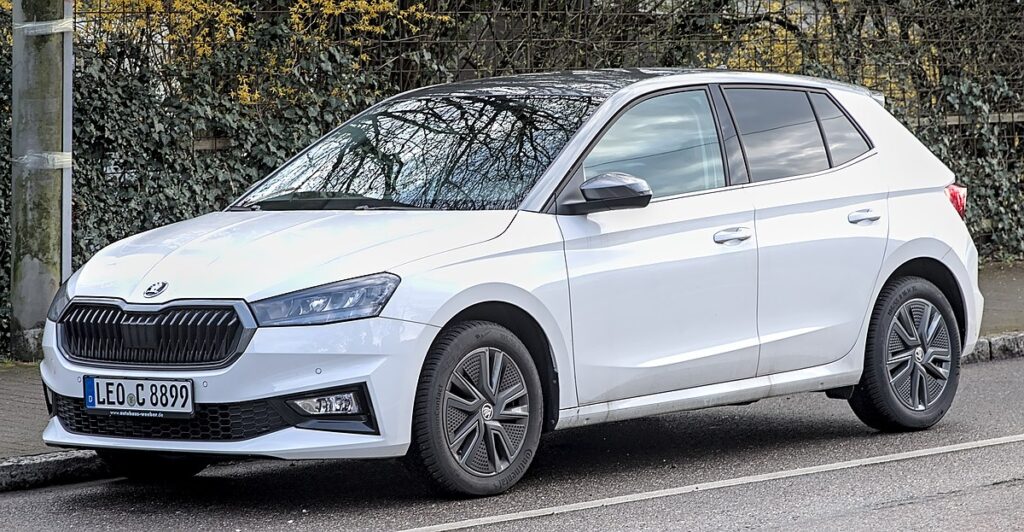
The Skoda Fabia 1.2 TSI is one of those engines that promised everything: punchy performance, great fuel economy, and modern turbocharged efficiency in a small, city-friendly package. On paper, it’s brilliant. On the road, it often is too.
But as many owners have discovered, this engine has a few skeletons in its closet.
We’ve spent years dissecting owner reports, workshop experiences, and long-term ownership stories. What emerges is a clear picture: the 1.2 TSI isn’t a bad engine—but it is sensitive. Treat it well, and it can be loyal. Neglect it, and it becomes temperamental, like a cat that remembers every slight.
Let’s unpack the real-world problems, why they happen, and how to stay ahead of them.
Content in this publication
Understanding the 1.2 TSI Engine
What “TSI” Actually Means
TSI stands for Turbocharged Stratified Injection. In plain English, it’s a small petrol engine with:
- A turbocharger for extra power
- Direct fuel injection
- Tight tolerances and high efficiency
In the Fabia, this engine appeared in several generations, most commonly:
- EA111 (early versions, pre-2015)
- EA211 (newer, post-2015 revisions)
The difference matters. Most of the infamous issues belong to the earlier EA111 generation.
The Most Common Skoda Fabia 1.2 TSI Problems
1. Timing Chain Stretch (Early Models)
This is the headline problem. The EA111 engine used a timing chain instead of a belt. Sounds good, right? Chains are “lifetime,” they said.
Reality disagreed.
Over time, the chain stretches. When that happens:
- You may hear rattling on cold start
- The engine may misfire
- In worst cases, the chain jumps teeth
- Valves meet pistons—game over
Why it happens:
- Weak chain design
- Tensioner wear
- Infrequent oil changes
This isn’t a “maybe” issue—it’s a known failure point.
2. Turbocharger Wastegate Rattle
A metallic rattle at low RPM? That’s often the turbo’s wastegate linkage wearing out.
Symptoms include:
- Rattling during acceleration
- Reduced boost pressure
- Sluggish performance
- Engine fault codes
It’s not always catastrophic, but it’s annoying—and expensive if ignored.
You may be interested in reading Skoda Fabia Key Not Detected: Causes, Fixes, and Real-World Solutions
3. Carbon Buildup on Intake Valves
Direct injection skips washing fuel over the intake valves. Over time, oil vapors coat them in carbon.
This leads to:
- Rough idle
- Hesitation
- Loss of power
- Increased fuel consumption
It’s like cholesterol for your engine—slow, silent, and restrictive.
4. Coil Pack and Spark Plug Failures
The 1.2 TSI is picky about ignition components. Worn plugs or failing coils cause:
- Misfires
- Jerking under load
- Engine warning light
- Reduced MPG
This is common and relatively cheap—but frustrating if it keeps returning.
5. High Oil Consumption
Some engines drink oil like it’s happy hour.
Owners report:
- Frequent top-ups
- Oil warning lights
- Smoky exhaust on cold start
Causes include worn piston rings and turbo seals, especially in higher-mileage units.
Early Warning Signs You Shouldn’t Ignore
Your Fabia whispers before it screams. Listen for:
- Rattling on cold start
- Hesitation when accelerating
- Rough idle at traffic lights
- Check engine light flickers
- Sudden drop in MPG
These aren’t quirks—they’re clues.
How Serious Are These Problems?
Let’s be honest: none of these issues are unique to Skoda. They’re part of the early downsides of downsized turbo engines.
What matters is how early you catch them.
| Problem | Severity | Typical Cost |
|---|---|---|
| Timing chain stretch | High | £700–£1,200 |
| Turbo wastegate | Medium | £300–£900 |
| Carbon buildup | Medium | £150–£400 |
| Coil pack failure | Low | £30–£150 |
| Oil consumption | Medium–High | Varies |
A neglected engine is a ticking clock. A maintained one is a long-distance runner.
How to Make the 1.2 TSI Last
Maintenance Is Everything
This engine thrives on routine.
We recommend:
You may be interested in readingSkoda Fabia Key Not Detected: Causes, Fixes, and Real-World SolutionsYou may be interested in reading
 Skoda Fabia Gearbox Problems: What Owners Really Face
- Oil changes every 6,000–8,000 miles
- High-quality synthetic oil only
- Letting the engine warm before hard driving
- Cooling down after long motorway runs
Treat it like a performance engine in a small body.
Preventive Fixes That Save Money
- Upgrade timing components early
- Replace coil packs in sets
- Perform intake cleaning every 40–50k miles
- Check turbo actuator play
A little prevention beats a four-figure repair bill.
Is the 1.2 TSI Reliable Long-Term?
Surprisingly—yes.
Plenty of owners report:
- 120,000+ miles
- Original turbo
- Smooth daily driving
- Low running costs
But every one of those stories shares one trait: religious maintenance.
This engine doesn’t forgive laziness.
Buying a Used Fabia 1.2 TSI – What to Check
Before you buy:
- Listen for cold-start rattle
- Ask for full service history
- Check oil usage
- Scan for fault codes
- Inspect turbo for noise
If the seller shrugs at oil changes, walk away.
Closing Thoughts
The Skoda Fabia 1.2 TSI is like a racehorse in commuter clothing. It’s quick, efficient, and fun—but it needs care. Ignore it, and it bucks. Respect it, and it runs beautifully.
We don’t fear this engine. We understand it.
And in the world of modern cars, that’s half the battle.
FAQs
1. Is the Skoda Fabia 1.2 TSI a bad engine?
No. It’s a sensitive engine that demands proper maintenance.
2. Which years are most problematic?
Early EA111 versions (pre-2015) are most affected, especially by timing chain issues.
3. How long does the 1.2 TSI engine last?
With good care, 120,000–150,000 miles is realistic.
4. Can timing chain issues be prevented?
Yes—frequent oil changes and early replacement help significantly.
Skoda Fabia Key Not Detected: Causes, Fixes, and Real-World SolutionsYou may be interested in reading
Skoda Fabia Gearbox Problems: What Owners Really FaceYou may be interested in reading
 Skoda Fabia Not Starting: Causes, Fixes, and Real-World Solutions
5. Is it expensive to own long-term?
Not if maintained properly. Neglect is what makes it costly.
If you want to know other articles similar to Skoda Fabia 1.2 TSI Problems – What Owners Really Face you can visit the category Common Problems.
Ford Mondeo Tyre Pressure Sensor Malfunction: Complete Guide to Diagnosis, Fixes, and Prevention
Ford Mondeo Engine Malfunction: Causes, Fixes, and Prevention Guide

Volvo XC60 360 Camera Not Working: Complete Troubleshooting & Fix Guide
Volvo XC60 Key Fob Not Working: Causes, Fixes, and Expert Solutions
Volvo XC60 Low Battery Warning: Causes, Fixes, and Prevention Guide
Volvo XC60 No Sound: Causes, Fixes, and Complete Troubleshooting Guide
Leave a Reply
More content of your interest