

Skoda Fabia Issues: Common Problems, Faults, and What to Expect

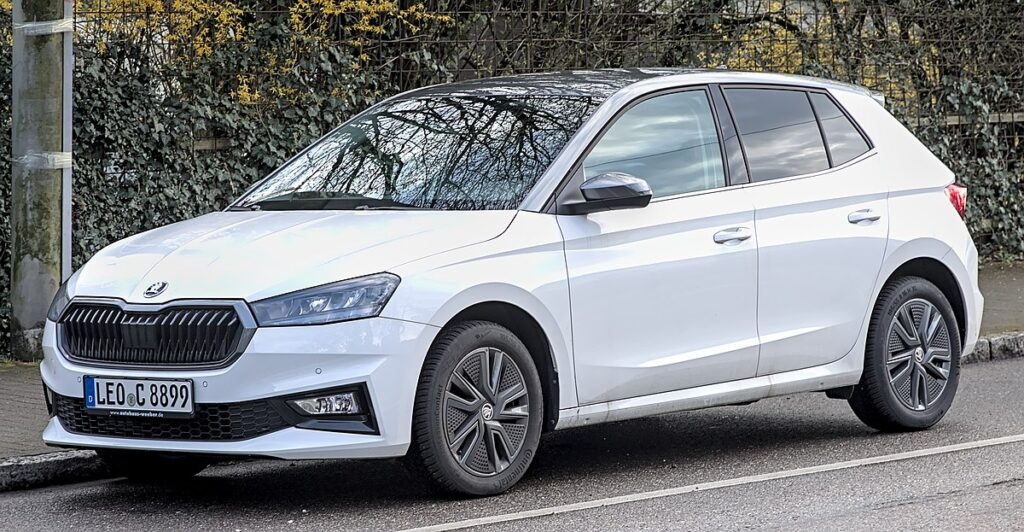
When we talk about superminis that have quietly earned their place on British roads, the Skoda Fabia always enters the conversation. It’s practical, sensible, and generally dependable. But let’s be honest—no car is flawless. Even the Fabia, with its solid reputation, has its quirks, weaknesses, and recurring issues that owners should understand before buying or while living with one.
In this guide, we break down Skoda Fabia issues across generations, engines, electronics, and real-world ownership. Think of this as sitting down with a mechanic friend over a coffee, not a dry technical manual.
Content in this publication
- Why Skoda Fabia Issues Deserve Attention
- Skoda Fabia Generations and Their Known Weak Points
- Engine-Related Skoda Fabia Issues
- Transmission Problems to Watch For
- Electrical and Electronic Problems
- Suspension and Steering Issues
- Braking System Problems
- Interior and Comfort Issues
- Bodywork and Exterior Issues
- Reliability vs Reality: Is the Fabia Unreliable?
- Used Skoda Fabia: What to Check Before Buying
- How Expensive Are Skoda Fabia Issues to Fix?
- Are Skoda Fabia Issues Getting Better Over Time?
- Who Should Worry Most About Fabia Problems?
- Who the Skoda Fabia Still Suits Perfectly
- Final Thoughts on Skoda Fabia Issues
- Frequently Asked Questions
Why Skoda Fabia Issues Deserve Attention
The Fabia has been around for decades, which means:
- Multiple generations
- Different engines and gearboxes
- Evolving electronics
Each era brought improvements—but also new problems. Understanding which issues affect which models can save money, stress, and roadside headaches.
Skoda Fabia Generations and Their Known Weak Points
First Generation (1999–2007)
Early Fabias are mechanically simple, which is both a blessing and a curse.
Typical concerns include:
- Age-related suspension wear
- Coil pack failures
- Rust around wheel arches on neglected cars
They’re basic, honest cars—but time catches up with everyone.
Second Generation (2007–2014)
This is where comfort improved, but complexity crept in.
Common complaints:
- Electrical gremlins
- DSG gearbox hesitations
- EGR valve clogging on diesels
Third Generation (2014–2021)
More modern, more tech, more things to go wrong.
Typical owner reports:
- Infotainment glitches
- Timing chain worries on some petrol engines
- Sensor-related warning lights
Fourth Generation (2021–Present)
Still early days, but patterns are emerging.
Early feedback includes:
- Software bugs
- Touchscreen responsiveness issues
- Minor build-quality niggles
Petrol Engine Problems Explained
Petrol Fabias dominate UK roads, especially the 1.0 MPI and TSI engines.
Timing Chain and Belt Concerns
Some older TSI engines suffered from premature timing chain stretch.
Warning signs:
- Rattling noise on cold start
- Engine misfires
- Poor idle quality
Later models switched to timing belts, improving reliability.
Coil Pack Failures
A classic VW Group issue.
You may be interested in reading Skoda Fabia Key Fob Not Working: Causes, Fixes, and Real-World Solutions
Symptoms include:
- Engine shaking
- Loss of power
- Engine management light
Thankfully, coil packs are inexpensive and easy to replace.
Diesel Engine Issues in the Fabia
Diesels are robust but not immune.
DPF Blockage
Short journeys are the enemy.
Expect problems if:
- The car is used mainly in town
- Regenerations are interrupted
- Warning lights are ignored
EGR Valve Failures
Carbon buildup causes rough running and limp mode.
Transmission Problems to Watch For
Manual Gearbox Issues
Generally reliable, but:
- Clutch wear can be early on city-driven cars
- Gear linkage can feel vague with age
DSG Automatic Gearbox Problems
The DSG is brilliant when healthy—but sensitive.
Reported issues include:
- Jerky low-speed shifts
- Hesitation when pulling away
- Mechatronic unit failures
Regular servicing is non-negotiable here.
Electrical and Electronic Problems
Dashboard Warning Lights
Random warning lights are a common frustration.
Typical triggers:
- ABS sensors
- Wheel speed sensors
- Low battery voltage
Infotainment System Glitches
Owners often report:
- Freezing screens
- Bluetooth disconnects
- Slow startup times
Software updates usually resolve these.
Suspension and Steering Issues
Front Suspension Wear
British roads are unforgiving.
Common failures include:
- Drop links
- Bushings
- Shock absorbers
Listen for knocks over bumps—it’s usually a clue.
Steering Rack Concerns
Some models report heavy or inconsistent steering feel, often linked to sensors rather than mechanical failure.
You may be interested in readingSkoda Fabia Key Fob Not Working: Causes, Fixes, and Real-World SolutionsYou may be interested in reading
 Skoda Fabia Window Not Working – Complete Troubleshooting & Fix Guide
Braking System Problems
Premature Brake Wear
Fabias can be hard on brakes in stop-start driving.
Watch for:
- Squealing
- Steering vibration
- Soft brake pedal
Electronic Parking Brake Issues
On newer models, software faults can cause warning messages.
Interior and Comfort Issues
Cabin Noise Complaints
Road and wind noise can increase with:
- Worn door seals
- Cheap tyres
- Loose trim panels
Climate Control Problems
Heater blower motors and air-con compressors are known weak spots on older cars.
Bodywork and Exterior Issues
Paint and Trim Wear
Some colours fade faster, especially reds.
Plastic trim may:
- Discolour
- Become brittle over time
Water Leaks
Blocked drainage channels can cause damp carpets—often unnoticed until it smells musty.
Reliability vs Reality: Is the Fabia Unreliable?
Here’s the truth:
The Skoda Fabia isn’t unreliable—but neglect magnifies its weaknesses.
When serviced correctly:
- Engines last well beyond 150,000 miles
- Gearboxes behave predictably
- Running costs remain low
Used Skoda Fabia: What to Check Before Buying
Pre-Purchase Inspection Checklist
- Full service history
- DSG service records
- Warning lights on startup
- Smooth clutch and gearbox operation
How Expensive Are Skoda Fabia Issues to Fix?
Typical Repair Costs (UK Averages)
- Coil pack: Low
- Timing belt: Moderate
- DSG repair: High
- Suspension components: Moderate
Preventative maintenance is always cheaper than repairs.
Are Skoda Fabia Issues Getting Better Over Time?
Yes—overall reliability has improved, especially post-2016. Software problems have replaced mechanical failures, which are usually easier to fix.
Who Should Worry Most About Fabia Problems?
You should be cautious if:
- You do mostly short journeys
- You’re considering an older DSG model
- Service history is patchy
Who the Skoda Fabia Still Suits Perfectly
Despite its flaws, the Fabia remains ideal for:
- First-time drivers
- Urban commuters
- Budget-conscious families
Final Thoughts on Skoda Fabia Issues
The Skoda Fabia is like a dependable pair of trainers—comfortable, practical, and rarely dramatic. Yes, it has issues, but most are well-documented, manageable, and affordable when addressed early. If you know what to watch for, ownership can be refreshingly stress-free.
Frequently Asked Questions
Is the Skoda Fabia a reliable car overall?
Yes. With proper servicing, most Fabias deliver strong long-term reliability.
Which Skoda Fabia engine has the most problems?
Older TSI petrol engines with timing chains tend to cause the most concern.
Are DSG gearboxes in the Fabia unreliable?
They can be if not serviced regularly. Maintenance is critical.
You may be interested in readingSkoda Fabia Key Fob Not Working: Causes, Fixes, and Real-World SolutionsYou may be interested in reading
Skoda Fabia Window Not Working – Complete Troubleshooting & Fix GuideYou may be interested in reading
 Skoda Fabia 1.2 TSI Problems – What Owners Really Face
Do Skoda Fabias suffer from electrical faults?
Some models do, mostly sensor-related rather than major failures.
Is the Skoda Fabia expensive to maintain?
No. Parts are affordable, and routine servicing is budget-friendly.
If you want to know other articles similar to Skoda Fabia Issues: Common Problems, Faults, and What to Expect you can visit the category Common Problems.
Ford Mondeo Tyre Pressure Sensor Malfunction: Complete Guide to Diagnosis, Fixes, and Prevention
Ford Mondeo Engine Malfunction: Causes, Fixes, and Prevention Guide

Volvo XC60 360 Camera Not Working: Complete Troubleshooting & Fix Guide
Volvo XC60 Key Fob Not Working: Causes, Fixes, and Expert Solutions
Volvo XC60 Low Battery Warning: Causes, Fixes, and Prevention Guide
Volvo XC60 No Sound: Causes, Fixes, and Complete Troubleshooting Guide
Leave a Reply
More content of your interest