

Skoda Fabia Tyre Pressure PSI – The Complete Owner’s Guide

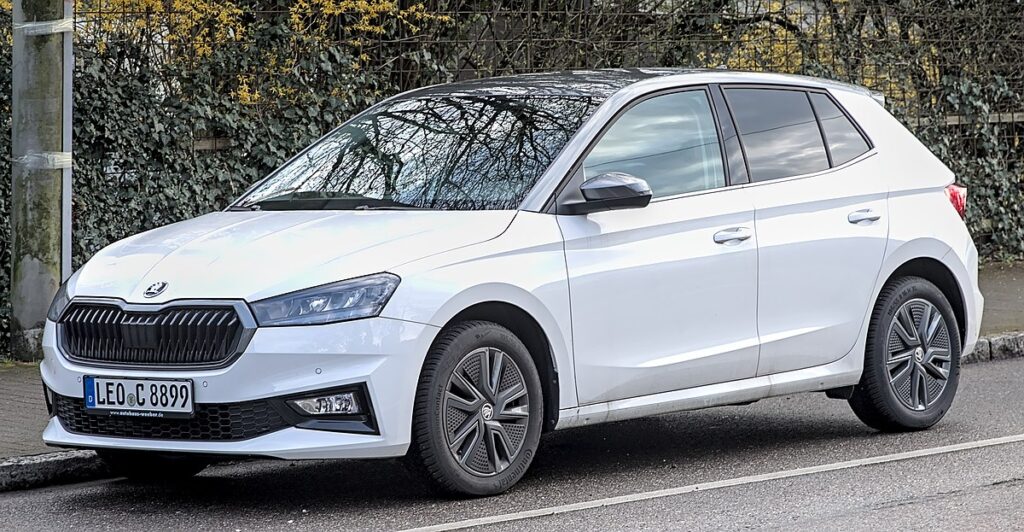
Tyres are the Fabia’s only point of contact with the road. Four palm-sized patches of rubber decide whether your car feels planted or skittish, efficient or thirsty, calm or chaotic. Yet tyre pressure is often ignored until a warning light blinks in protest.
Today, we’re fixing that.
In this guide, we’ll break down Skoda Fabia tyre pressure PSI values, explain why they matter, and show you how to keep your Fabia riding like it just rolled off the showroom floor.
Whether you drive a city-hugging 1.0 MPI, a turbocharged 1.5 TSI, or a fully loaded estate, this is your one-stop reference.
Content in this publication
- Why Tyre Pressure Matters More Than You Think
- Where to Find the Official Skoda Fabia PSI Values
- Typical Skoda Fabia Tyre Pressure PSI Chart
- Cold Tyres vs Warm Tyres – The PSI Trap
- How to Check and Set Tyre Pressure
- Skoda Fabia TPMS – What the Warning Light Really Means
- Different Fabia Models, Different Needs
- Seasonal Adjustments – Summer vs Winter
- Underinflated vs Overinflated – The Real-World Effects
- Tyre Pressure for Long Trips and Full Loads
- Fuel Economy and PSI – The Hidden Relationship
- Common Tyre Pressure Mistakes
- Bar vs PSI – Quick Conversion
- How Often Should You Check?
- Tyre Pressure and Wheel Size Upgrades
- Is Higher PSI Always Better?
- Closing Thoughts – PSI Is Power
- FAQs
Why Tyre Pressure Matters More Than You Think
Tyres are like shoes for your car. Too tight? You trip. Too loose? You slide.
Correct PSI affects:
- Fuel economy
- Braking distance
- Steering precision
- Tyre lifespan
- Ride comfort
- Safety in wet weather
A Fabia running 5 PSI under spec can increase fuel consumption by up to 3–5%. That’s money evaporating with every mile.
Where to Find the Official Skoda Fabia PSI Values
Skoda makes it easy. You’ll find your exact tyre pressure data:
- On the driver-side door jamb
- Inside the fuel filler flap
- In the owner’s manual
This sticker lists pressures for:
- Front & rear tyres
- Light load vs full load
- Different wheel sizes
- Towing scenarios
Always trust your car’s sticker over generic internet charts.
Typical Skoda Fabia Tyre Pressure PSI Chart
Below is a general reference for most modern Fabia models (2015–2024):
| Wheel Size | Front (PSI) | Rear (PSI) | Full Load Front | Full Load Rear |
|---|---|---|---|---|
| 14–15” | 32 PSI | 30 PSI | 34 PSI | 36 PSI |
| 16” | 33 PSI | 31 PSI | 35 PSI | 37 PSI |
| 17” | 34 PSI | 32 PSI | 36 PSI | 38 PSI |


These values are a guide. Your Fabia’s sticker is the final authority.
Cold Tyres vs Warm Tyres – The PSI Trap
Tyre pressure must always be checked cold.
“Cold” means:
- The car has been parked for 3+ hours
- Or driven less than 1 mile at low speed
Driving heats the air inside the tyre, raising pressure by 3–5 PSI. Adjusting while hot leads to underinflation later.
How to Check and Set Tyre Pressure
What You’ll Need
- A digital or analog tyre gauge
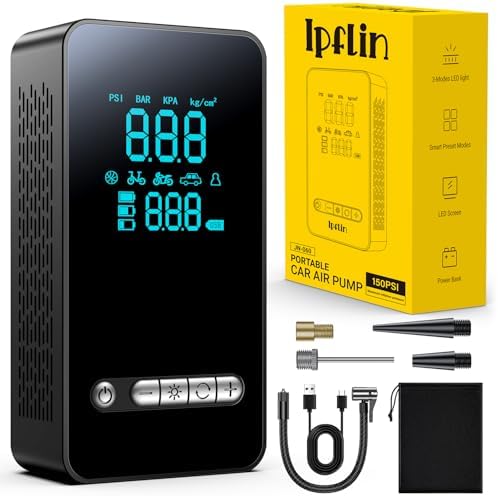
- Access to an air pump (garage or portable)
Step-by-Step
- Park on level ground
- Remove valve cap
- Press gauge firmly
- Compare reading to sticker
- Inflate or deflate
- Re-check
- Replace cap
- Repeat for all four tyres
Don’t forget the spare.
Skoda Fabia TPMS – What the Warning Light Really Means
Your Fabia’s TPMS doesn’t measure PSI directly. It uses wheel speed sensors to detect rolling differences.
You may be interested in reading Skoda Fabia Fuel Tank Capacity: How Far Can We Really Go?
When the light appears:
- One or more tyres lost pressure
- A reset is required after adjustment
How to Reset TPMS
- Inflate all tyres correctly
- Turn ignition on
- Use the “Set” button or infotainment menu
- Confirm reset
The system recalibrates based on the new baseline.
Different Fabia Models, Different Needs
Fabia Hatchback
Balanced for daily driving. Slightly softer rear PSI improves comfort.
Fabia Estate
Heavier rear end. Requires higher rear PSI under load.
Sportline & Monte Carlo
Stiffer suspension + low-profile tyres = higher sensitivity to PSI errors.
Seasonal Adjustments – Summer vs Winter
Air contracts in cold weather.
Rule of thumb:
For every 10°C drop, pressure falls by ~1 PSI.
In winter:
- Add 2–3 PSI
- Check more frequently
- Expect TPMS alerts
In summer:
- Stick to factory cold PSI
- Never bleed air from hot tyres
Underinflated vs Overinflated – The Real-World Effects
Underinflated Tyres
- Heavy steering
- Poor MPG
- Excessive shoulder wear
- Heat buildup
- Blowout risk
Overinflated Tyres
- Harsh ride
- Reduced grip
- Center tread wear
- Longer braking distances
Balance is everything.
Tyre Pressure for Long Trips and Full Loads
When carrying:
- 4–5 passengers
- Luggage
- Roof boxes
- Towing trailers
Use the full load PSI from the sticker. Usually:
- +2 PSI front
- +4–6 PSI rear
Your Fabia becomes more stable, especially at motorway speeds.
Correct pressure can improve MPG by:
- 2–4% in city driving
- 3–6% on highways
That’s hundreds saved over a year.
Think of PSI as a silent fuel upgrade.
You may be interested in readingSkoda Fabia Fuel Tank Capacity: How Far Can We Really Go?You may be interested in reading
 Skoda Fabia Timing Belt Replacement Cost – What We Really Pay
Common Tyre Pressure Mistakes
- Trusting garage presets
- Mixing bar and PSI
- Ignoring the spare
- Adjusting hot tyres
- Guessing instead of measuring
Your Fabia deserves better.
Bar vs PSI – Quick Conversion
| Bar | PSI |
|---|---|
| 2.0 | 29 |
| 2.2 | 32 |
| 2.3 | 33 |
| 2.4 | 35 |
| 2.5 | 36 |
Most Skoda stickers show both.
How Often Should You Check?
We recommend:
- Every 2 weeks
- Before long trips
- When seasons change
- When TPMS warns
It takes 3 minutes. It saves tyres, fuel, and nerves.
Tyre Pressure and Wheel Size Upgrades
Upsizing wheels?
- Larger wheels = lower-profile tyres
- Less air volume
- Greater PSI sensitivity
Always follow the pressure for the new tyre size.
Is Higher PSI Always Better?
No.
Higher PSI:
- Reduces rolling resistance
- Increases harshness
- Reduces grip in rain
Factory specs balance comfort, safety, and efficiency.
Engineers already did the math.
Closing Thoughts – PSI Is Power
Your Skoda Fabia doesn’t ask for much. Just oil, fuel… and the right amount of air in its tyres.
That tiny number on the door sticker controls how your car:
- Corners
- Brakes
- Consumes fuel
- Wears its tyres
- Feels on every journey
Mastering tyre pressure isn’t mechanical wizardry. It’s ownership at its smartest.
Air is free. Control is priceless.
FAQs
1. What is the normal tyre pressure for a Skoda Fabia?
Most models run between 30–34 PSI front and 28–32 PSI rear, depending on wheel size and load.
2. Should front and rear tyres have the same PSI?
Usually no. Front tyres often need slightly higher pressure due to engine weight.
3. Why does my TPMS light stay on after inflating?
You must reset the system through the menu or button so it learns the new baseline.
You may be interested in readingSkoda Fabia Fuel Tank Capacity: How Far Can We Really Go?You may be interested in reading
Skoda Fabia Timing Belt Replacement Cost – What We Really PayYou may be interested in reading
 Skoda Fabia Clutch Replacement Cost: What You’ll Really Pay
4. Can I inflate tyres when they’re warm?
You can, but subtract 3–4 PSI from the target to compensate for heat expansion.
5. Is higher pressure better for motorway driving?
Use the full-load values for long trips. They improve stability and reduce heat buildup.
If you want to know other articles similar to Skoda Fabia Tyre Pressure PSI – The Complete Owner’s Guide you can visit the category Service and Parts.
Ford Mondeo Towing Capacity: The Complete Real-World Guide
Ford Mondeo Key Fob Battery Change: The Complete Step-by-Step Guide
Ford Mondeo Boot Space: The Complete Practical Guide for Everyday Drivers
Ford Mondeo Estate Boot Size: The Ultimate Practicality Guide
Ford Mondeo Tyre Pressure: The Complete Guide for Safe, Smooth Driving
Ford Mondeo Length: Dimensions, Generations, and Real-World Insights
Leave a Reply
More content of your interest