

Skoda Fabia Years to Avoid: The Honest Buyer’s Guide

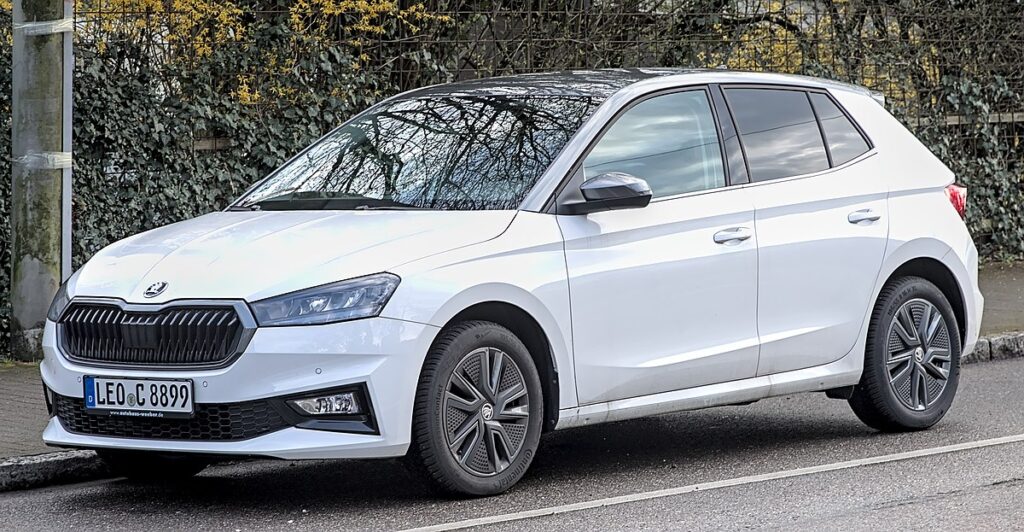
Buying a used Skoda Fabia can feel a bit like dating. On paper, everything looks perfect—reliable reputation, sensible running costs, and a badge that whispers “Volkswagen Group DNA.” But once you dig deeper, you’ll find that not every year is a happily-ever-after. Some models are absolute gems. Others? Let’s just say they’re better admired from a distance.
In this guide, we’re going to talk like real people—not sales brochures. We’ll walk through the Skoda Fabia years to avoid, explain why those years earned a side-eye from owners and mechanics, and help you separate the lemons from the legends. If you’re shopping smart, this article might save you thousands—and a few grey hairs.
Content in this publication
- Why “Years to Avoid” Matters More Than Mileage
- Quick Overview: Skoda Fabia Generations at a Glance
- The Most Problematic Skoda Fabia Years (At a Glance)
- First Generation Fabia (2000–2007): Where It All Began
- Is Any First-Gen Fabia Worth Buying?
- Second Generation Fabia (2007–2014): The Most Inconsistent Era
- Skoda Fabia 2007–2009: The Teething Years
- The Infamous 1.2 TSI Timing Chain Problem
- Skoda Fabia 2010–2012: Reliability Roulette
- Is the DSG Gearbox a Dealbreaker?
- Third Generation Fabia (2014–2021): Mostly Solid, With One Caveat
- Early 2015 Models: Minor Growing Pains
- Why Later Third-Gen Models Are a Safe Bet
- Fourth Generation Fabia (2021–Present): Too Early to Avoid?
- Skoda Fabia Engines to Avoid (Across All Years)
- Common Fabia Problems That Age Poorly
- How to Avoid Buying a Problem Fabia
- Best Alternatives If You’re Avoiding Certain Fabia Years
- Final Verdict: Skoda Fabia Years to Avoid
- FAQs About Skoda Fabia Years to Avoid
Why “Years to Avoid” Matters More Than Mileage
Mileage gets all the attention, but in reality, model year matters just as much—sometimes more. A low-mileage car from a problematic year can be a ticking time bomb, while a high-mileage example from a solid year can be rock-solid.
We’ve seen it time and again:
- Early engines with design flaws
- Gearboxes rushed to market
- Electronics that aged like milk
Knowing which Fabia years to avoid helps you:
- Dodge expensive repairs
- Negotiate harder
- Buy with confidence, not crossed fingers
Quick Overview: Skoda Fabia Generations at a Glance
Before we get specific, let’s zoom out.
First Generation (2000–2007)
- Boxy but charming
- Simple mechanics
- Some early reliability hiccups
Second Generation (2007–2014)
- Better tech
- New engines (some good, some… not so much)
- The most mixed bag of all generations
Third Generation (2014–2021)
- Big step forward in refinement
- Mostly reliable
- A few early teething issues
Fourth Generation (2021–Present)
- Modern, tech-heavy
- Still too new to judge long-term reliability
The Most Problematic Skoda Fabia Years (At a Glance)
If you just want the short version, here it is:
Skoda Fabia years most buyers should approach with caution:
- 2001–2003
- 2007–2009
- 2010–2012
- Early 2015 models (specific engines)
Now let’s unpack why these years earned their reputation.
First Generation Fabia (2000–2007): Where It All Began
Why Early Fabias Can Be Risky
The first Fabia laid the groundwork, but early builds were very much “learning on the job.”
Skoda Fabia 2001–2003: The Early Trouble Spot
These early years are the ones we’d think twice about.
Common Issues
- Electrical gremlins (central locking, windows, dashboard lights)
- Coil pack failures
- Weak suspension components
- Corrosion starting earlier than expected
Engines to Be Careful With
- Early 1.4 MPI petrol units
- Some 1.9 SDI diesels with injector wear
Our Take
These cars aren’t terrible—but age plus early-generation flaws can turn “cheap runabout” into “constant project.”
Is Any First-Gen Fabia Worth Buying?
Yes—but choose carefully.
Safer Picks
- Later 2005–2007 models
- Cars with full service history
- Naturally aspirated petrol engines over early diesels
Think of early Fabias like an old cottage: charming, but drafty and full of surprises.
You may be interested in reading Skoda Fabia Reliability: Can This Small Hatchback Really Go the Distance?
Second Generation Fabia (2007–2014): The Most Inconsistent Era
This generation brought better styling and more tech—but also some of the Fabia’s most notorious problem years.
Skoda Fabia 2007–2009: The Teething Years
New generation, new problems.
What Went Wrong
- Early DSG gearbox issues
- Timing chain stretch on certain petrol engines
- Software bugs in infotainment systems
High-Risk Engines
- 1.2 TSI (early versions)
- 1.4 TSI twin-charged
These engines promised punchy performance but sometimes delivered repair bills instead.
The Infamous 1.2 TSI Timing Chain Problem
Why It’s a Big Deal
A stretched timing chain isn’t just noisy—it can destroy an engine.
Warning Signs
- Rattling on cold start
- Engine warning lights
- Rough idle
Affected Years
- Mainly 2009–2012
If the chain hasn’t been replaced with an updated version, this is one Fabia year we’d walk away from.
Skoda Fabia 2010–2012: Reliability Roulette
These years improved some things—but not everything.
Common Complaints
- Turbo failures
- Carbon buildup on direct-injection engines
- DSG hesitation and jerky low-speed driving
Diesel Concerns
Some 1.6 TDI units suffered from:
- Injector issues
- EGR valve failures
- DPF problems for short-trip drivers
Is the DSG Gearbox a Dealbreaker?
Not always—but caution is key.
Why Early DSGs Struggled
- Dry clutch design
- Sensitive to servicing
- Expensive repairs if neglected
Our Advice
If you’re looking at a 2008–2012 Fabia DSG, only buy one with:
- Full gearbox service records
- Smooth, hesitation-free test drive
Third Generation Fabia (2014–2021): Mostly Solid, With One Caveat
This generation is where the Fabia really found its stride.
Early 2015 Models: Minor Growing Pains
The first batch of third-gen Fabias wasn’t perfect.
Reported Issues
- Infotainment glitches
- Software updates needed for driver-assist systems
- Occasional clutch wear on manual cars
Engines to Inspect Closely
- Early 1.0 MPI units for oil consumption
- Some 1.2 TSI engines before revisions
Nothing catastrophic—but enough to warrant a careful inspection.
Why Later Third-Gen Models Are a Safe Bet
From 2017 onward, the Fabia became one of the most dependable superminis on the road.
What Improved
- Refined engines
- Better electronics
- Fewer owner complaints
These are the Fabias we’d happily recommend to friends and family.
You may be interested in readingSkoda Fabia Reliability: Can This Small Hatchback Really Go the Distance?You may be interested in reading
 Skoda Fabia Lifespan: How Long Does It Really Last?
Fourth Generation Fabia (2021–Present): Too Early to Avoid?
Right now, there’s no strong reason to avoid any specific year—but time will tell.
Potential Future Concerns
- Increased reliance on software
- Mild-hybrid complexity
- Expensive out-of-warranty tech
For now, though, the newest Fabias look promising.
Skoda Fabia Engines to Avoid (Across All Years)
Higher-Risk Engines
- Early 1.2 TSI (timing chain)
- 1.4 TSI twin-charged
- Early DSG-paired petrols
More Reliable Choices
- 1.0 MPI (later versions)
- 1.4 TDI with good service history
- Simple naturally aspirated petrol engines
Common Fabia Problems That Age Poorly
Even good years can suffer if neglected.
Watch Out For
- Suspension wear
- Failing door locks
- Air-conditioning compressors
- ABS sensor faults
These aren’t dealbreakers—but they’re bargaining chips.
How to Avoid Buying a Problem Fabia
Think like a detective, not a dreamer.
Smart Buyer Checklist
- Full service history
- Cold start test
- Scan for fault codes
- Check recalls and software updates
A thorough inspection can turn a “risky year” into a safe purchase.
Best Alternatives If You’re Avoiding Certain Fabia Years
If the year you want feels risky, consider:
- Later facelift versions
- Manual gearboxes over early automatics
- Lower-spec trims with fewer electronics
Sometimes, less really is more.
Final Verdict: Skoda Fabia Years to Avoid
The Skoda Fabia is generally a sensible, dependable car—but not all years are created equal.
Years to Approach With Caution
- 2001–2003 (early build issues)
- 2007–2009 (new-gen teething problems)
- 2010–2012 (timing chain & DSG concerns)
- Early 2015 (minor software and engine quirks)
Choose wisely, inspect carefully, and the Fabia can be as loyal as a well-trained dog. Choose blindly, and it might behave more like a mischievous cat knocking things off the shelf at 3 a.m.
FAQs About Skoda Fabia Years to Avoid
1. What is the worst year for the Skoda Fabia?
Many buyers consider 2010–2011 among the riskiest due to timing chain and early DSG gearbox issues.
2. Are older Skoda Fabias unreliable?
Not necessarily, but early 2000s models can suffer from age-related electrical and corrosion problems.
3. Is the Skoda Fabia DSG gearbox unreliable?
Early DSGs can be problematic if not serviced properly. Later versions are much improved.
4. Which Skoda Fabia engine is the most reliable?
Later 1.0 MPI and well-maintained 1.4 TDI engines are generally dependable.
You may be interested in readingSkoda Fabia Reliability: Can This Small Hatchback Really Go the Distance?You may be interested in reading
Skoda Fabia Lifespan: How Long Does It Really Last?You may be interested in reading
 Is Skoda Fabia a Good First Car? A Real-World Guide for New Drivers
5. Should I completely avoid early Fabia models?
Not always—but only buy one with a strong service history and realistic expectations.
If you want to know other articles similar to Skoda Fabia Years to Avoid: The Honest Buyer’s Guide you can visit the category Blog.
Volvo XC60 Quality: A Deep Dive Into Premium Craftsmanship and Everyday Excellence
Volvo XC60 Reliability by Year: The Complete Owner’s Guide
Which Ford Kuga Engine Is Best? The Ultimate Buyer’s Guide
Pros and Cons Mazda CX-30: The Real-World Ownership Breakdown
Peugeot 308 Years to Avoid: The Ultimate Buyer’s Guide
Dacia Duster Reliability: The Real Story Behind This Budget SUV
Leave a Reply
More content of your interest