

Skoda Kamiq Engine Size

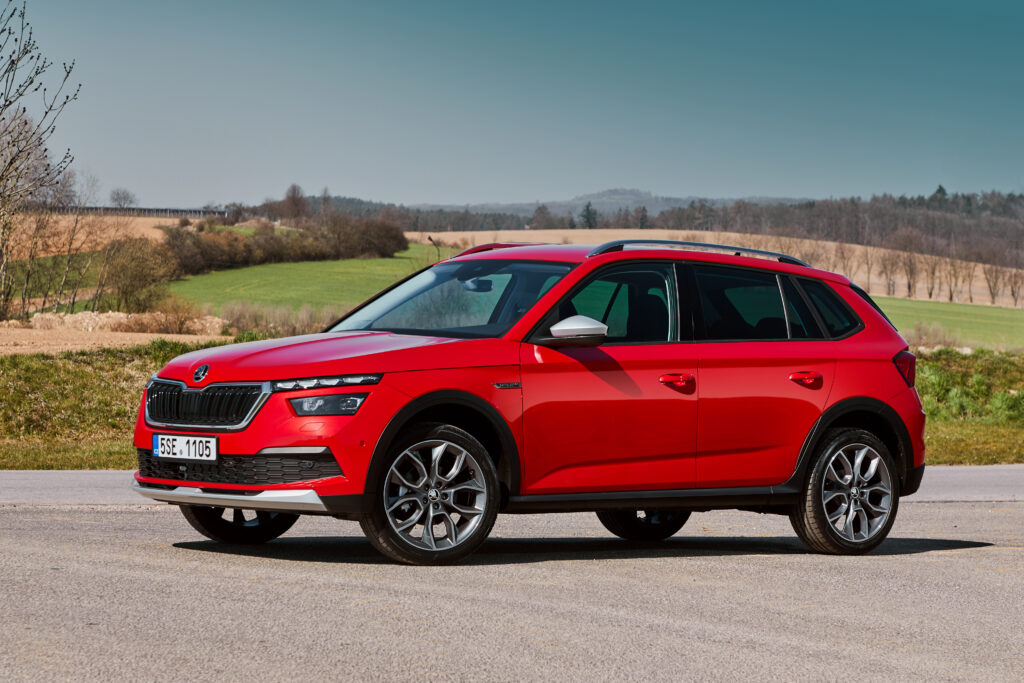
When we talk about the Skoda Kamiq, we’re diving into one of the most versatile and quietly brilliant compact SUVs in the European market. And while styling, comfort, and tech get plenty of spotlight, we know the real heartbeat of this car lives under the bonnet. That’s why we’re unpacking everything about Skoda Kamiq engine size — from the smallest displacement available to performance differences, fuel economy, practicality, and long-term ownership feel.
Think of this guide as the kind of conversation we’d have over coffee, where we break down engines not as cold specs but as personalities — each one with its quirks, strengths, and surprising character. By the end, you’ll understand not just what engine sizes are available, but which one truly fits your lifestyle like a well-worn jacket.
Content in this publication
- Understanding the Skoda Kamiq Engine Lineup
- Why Engine Size Matters More Than Most People Think
- 1.0 TSI Engines: The Small but Mighty Heart of the Kamiq
- 1.5 TSI Engine: The Kamiq’s More Muscular Side
- 1.6 TDI Diesel Engine: The Long-Haul Workhorse
- Comparing All Skoda Kamiq Engine Sizes
- How Engine Size Affects Real-World Performance
- Is Bigger Always Better? Not Necessarily
- Understanding Turbocharging in Small Kamiq Engines
- Does Engine Size Affect Reliability?
- Which Skoda Kamiq Engine Size Is Best for Long-Term Ownership?
- Insurance Costs by Engine Size
- Fuel Economy Differences Explained
- How Engine Size Impacts Resale Value
- Skoda Kamiq Engine Size and Towing Capability
- Final Thoughts: Which Skoda Kamiq Engine Size Should You Choose?
- FAQs
Understanding the Skoda Kamiq Engine Lineup
Skoda designed the Kamiq to appeal to a wide spectrum of drivers, and that philosophy shows in its engine range. Rather than oversaturating the model with endless options, Skoda focuses on a tight selection of small, turbocharged, highly efficient engines that deliver surprising punch.
Available Engine Sizes
- 1.0-litre TSI (various power outputs)
- 1.5-litre TSI (more powerful option)
- 1.6-litre TDI (diesel, in select markets)
These engines may be compact, but as we explore further, you’ll see that the engineering behind them makes them far more capable than their modest displacement suggests.
Why Engine Size Matters More Than Most People Think
Engine size isn’t just a number on a brochure; it’s the backbone of:
- Running costs
- Reliability
- Acceleration
- Towing ability
- Fuel economy
- Insurance group
- Day-to-day driving feel
Choosing the right size can be the difference between loving your car and silently regretting it for years. Trust us — engine size shapes personality.
1.0 TSI Engines: The Small but Mighty Heart of the Kamiq
If there’s a hero in the Kamiq lineup, it’s the 1.0 TSI. Don’t let the three-cylinder layout fool you — this engine punches above its weight like an underdog boxer with something to prove.
Power Outputs: 95 PS and 110 PS
Skoda tunes this engine into two distinct power levels:
95 PS Variant
- Best for relaxed urban driving
- Smooth, predictable power delivery
- Ideal for first-time drivers or fuel-efficiency lovers
110 PS Variant
- Noticeably quicker in everyday traffic
- Better suited to motorway driving
- More flexibility when overtaking
What It Feels Like to Drive
The 1.0 TSI feels playful and eager. It’s the kind of engine that surprises you — like expecting a jogger but getting a sprinter. Thanks to its turbo, it delivers torque early, making it responsive even at low speeds.
Fuel Efficiency
The real charm? Running costs.
Expect impressive MPG figures whether you're in stop-start traffic or on longer journeys.
1.5 TSI Engine: The Kamiq’s More Muscular Side
For drivers who want a bit more oomph — think full-family road trips, consistent motorway miles, or occasionally carrying heavier loads — the 1.5 TSI is the sweet spot.
Power Output: 150 PS
This engine transforms the Kamiq into a confident long-distance companion. The difference isn’t subtle; it’s night and day compared to the 1.0 TSI.
The Active Cylinder Technology (ACT) Advantage
Here’s where things get interesting.
ACT allows the engine to shut off two cylinders during light loads, helping save fuel when cruising.
 Skoda Kamiq Maintenance Guide: Complete Service Schedule, Costs, and Expert Care
Driving Personality
- Strong mid-range torque
- Smooth and refined
- Ideal for buyers needing flexibility
Think of it as the 1.0 TSI’s older, more composed sibling — calm, powerful, and unbothered.
1.6 TDI Diesel Engine: The Long-Haul Workhorse
Though less common in some markets, the diesel option deserves a seat at the table.
Why Diesel Still Matters
- Superior fuel economy on long trips
- Better torque for towing
- Lower RPM cruising
- Longer lifespan when maintained
If your life involves motorway commutes or rural driving, this engine may be the quiet MVP.
Comparing All Skoda Kamiq Engine Sizes
Let’s break them down side by side in a clear, quick-reference format.
Engine Size Comparison Table
| Engine | Displacement | Power Output | Fuel Type | Best For |
|---|---|---|---|---|
| 1.0 TSI 95 PS | 999cc | 95 PS | Petrol | Urban driving, fuel efficiency |
| 1.0 TSI 110 PS | 999cc | 110 PS | Petrol | Mixed driving, motorway use |
| 1.5 TSI 150 PS | 1498cc | 150 PS | Petrol | Power, smoother long trips |
| 1.6 TDI | 1598cc | ~115 PS | Diesel | Long distances, towing |
How Engine Size Affects Real-World Performance
Engine size influences how the Kamiq reacts to real-world demands:
Acceleration
- The 1.0 TSI is quick enough, but feels best in the city.
- The 1.5 TSI handles overtaking with confidence.
Fuel Consumption
Larger engines can be more efficient at high speed due to lower stress per cylinder.
Noise & Vibration
Three-cylinders have a trademark hum, while the 1.5 TSI feels more refined.
Load Capacity
If you often have passengers or gear, the 1.5 TSI offers a more relaxed experience.
Is Bigger Always Better? Not Necessarily
We love a powerful engine, but bigger isn’t always the smarter choice. Fuel cost, insurance, and real-world usage matter far more than bragging rights at the pub.
Choose the 1.0 TSI If:
- You mainly drive in cities
- You value low running costs
- You don’t regularly carry heavy loads
Choose the 1.5 TSI If:
- You’re on the motorway often
- You want more power
- You plan on keeping the car long-term
Choose the Diesel If:
- You cover high annual mileage
- You tow occasionally
- You drive long distances at steady speeds
Understanding Turbocharging in Small Kamiq Engines
Turbocharging allows small engines to behave like bigger ones. Here’s how:
Key Turbo Benefits
- Increased horsepower
- Instant torque
- Improved fuel efficiency
It’s like giving a smaller athlete a jetpack — power without size.
Does Engine Size Affect Reliability?
In the Kamiq’s case, yes — but in surprisingly positive ways.
1.0 TSI Reliability
These engines are known to be robust as long as services are done on time. Because they’re used widely across the VW Group, parts are plentiful and affordable.
You may be interested in readingSkoda Kamiq Maintenance Guide: Complete Service Schedule, Costs, and Expert CareYou may be interested in reading
 Skoda Kamiq Size Comparison: A Complete Guide to How It Stacks Up
1.5 TSI Reliability
More complex, but also more refined. ACT technology has proven dependable in real use.
Diesel Reliability
Diesel engines remain some of the most durable when maintained correctly.
Which Skoda Kamiq Engine Size Is Best for Long-Term Ownership?
It depends on your lifestyle. But for most users, the 110 PS 1.0 TSI strikes the ideal balance between affordability, power, and reliability. It’s the “Goldilocks” engine — not too big, not too small.
Insurance Costs by Engine Size
Insurance follows power — not displacement — so the 95 PS sits in lower groups, while the 150 PS climbs upward.
Fuel Economy Differences Explained
Let’s break down estimated efficiency:
- 1.0 TSI: Excellent city & mixed use
- 1.5 TSI: Surprisingly efficient on motorways
- 1.6 TDI: Best long-distance economy
The diesel wins the MPG crown, but only matters if your driving habits fit.
How Engine Size Impacts Resale Value
Larger engines often keep value better among enthusiasts, while smaller engines remain popular with budget-conscious buyers. The 1.0 TSI typically enjoys the broadest audience.
Skoda Kamiq Engine Size and Towing Capability
If towing is in your plans, go straight for the diesel or 1.5 TSI. The 1.0 TSI can tow, but the experience is less effortless.
Final Thoughts: Which Skoda Kamiq Engine Size Should You Choose?
Every engine serves a clear purpose.
- The 1.0 TSI is perfect for those who crave efficiency and city confidence.
- The 1.5 TSI is ideal for drivers wanting strength, smoothness, and long-distance comfort.
- The 1.6 TDI remains relevant for high-mileage, practical users.
In the end, the best engine isn’t the one with the highest numbers — it’s the one that fits your life without compromise.
FAQs
1. What is the smallest engine size in the Skoda Kamiq?
The smallest engine is the 1.0-litre TSI in 95 PS and 110 PS variants.
2. What is the largest engine available?
The largest petrol engine is the 1.5-litre TSI with 150 PS.
3. Is the 1.0 TSI powerful enough for motorway driving?
Yes, especially the 110 PS version, which performs confidently at high speeds.
You may be interested in readingSkoda Kamiq Maintenance Guide: Complete Service Schedule, Costs, and Expert CareYou may be interested in reading
Skoda Kamiq Size Comparison: A Complete Guide to How It Stacks UpYou may be interested in reading
 Skoda Kamiq Service Reset: The Complete, No-Nonsense Guide We All Needed
4. What engine is best for towing?
The diesel or 1.5 TSI are best due to higher torque output.
5. Which Kamiq engine offers the best fuel economy?
The 1.6 TDI leads in efficiency, especially for long distances.
If you want to know other articles similar to Skoda Kamiq Engine Size you can visit the category Service and Parts.
BMW X1 Key Battery Replacement: Complete Step-by-Step Guide
BMW X1 Timing Chain Replacement Cost: The Complete Owner’s Guide

BMW X1 Tyre Pressure Reset: Complete Step-by-Step Guide
BMW X1 Tyre Size: Complete Guide to All Generations, Specs, and Best Options

BMW X1 Service Cost: The Complete Ownership and Maintenance Guide

BMW X1 Service Reset: Complete Step-by-Step Guide
Leave a Reply
More content of your interest