

Skoda Octavia Clutch Master Cylinder Replacement

A friendly, deep-dive guide that makes a scary job feel doable
Replacing the clutch master cylinder on a Skoda Octavia sounds intimidating — like one of those tasks best left to a mechanic with a mystical toolbox and decades of grease-stained wisdom. But here’s the truth: with the right knowledge and prep, it's absolutely something we can understand — and even tackle if we’re feeling confident.
Today, we’re going on a highly detailed, friendly walkthrough. We’ll explore how the clutch master cylinder works, signs it’s failing, step-by-step replacement guidance, costs, tips, and real-world considerations that enthusiasts and everyday drivers appreciate.
So, grab a coffee, breathe, and settle in — we’ve got this.
Content in this publication
- What Is the Clutch Master Cylinder?
- How the System Works
- Symptoms of a Failing Clutch Master Cylinder
- Causes of Failure
- Is It Safe to Drive With a Bad Master Cylinder?
- Tools & Parts Required
- OEM vs Aftermarket: What’s Best?
- Step-By-Step Replacement Guide
- Bleeding Tips: Avoid the Sponge Pedal
- Replacement Time & Difficulty
- Estimated Cost
- Common Mistakes to Avoid
- When It’s NOT the Master Cylinder
- Driving Feel After Replacement
- Maintenance Tips
- Skoda Octavia Generations Covered
- Conclusion
- FAQs
What Is the Clutch Master Cylinder?
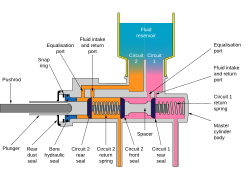
Think of the clutch master cylinder as the messenger between your foot and the clutch mechanism. When you press the clutch pedal, the master cylinder pushes hydraulic fluid through to the slave cylinder, engaging and disengaging the clutch.
Why It Matters
Without a healthy master cylinder, the clutch pedal feels mushy, shifts become a chore, and eventually, your Octavia may refuse to change gears — like a stubborn mule with wheels.
How the System Works
Let’s break it down like we’re telling a curious friend at the bar:
Clutch Pedal > Master Cylinder > Slave Cylinder > Clutch
- You press the pedal
- The master cylinder pushes hydraulic fluid
- The slave cylinder activates the clutch fork
- Gears shift smoothly (feels like butter when healthy)
If any part fails, shifting becomes drama.
Symptoms of a Failing Clutch Master Cylinder
Not all heroes wear capes — some wear mechanic gloves. So let’s spot the warning signs early.
Common Symptoms
- Soft or spongy clutch pedal
- Clutch pedal slowly sinks to the floor
- Difficulty engaging gears, especially 1st and reverse
- Grinding while shifting
- Brake fluid near clutch pedal or firewall (internal leak)
- Low fluid level in reservoir
- Inconsistent clutch engagement
Pro Tip
If your pedal feels like stepping on a marshmallow — yep, it’s likely the master cylinder.
Causes of Failure
Clutch hydraulics aren't drama queens for no reason. Here’s what usually triggers issues:
You may be interested in reading Skoda Octavia Oil Service Reset — Complete DIY Guide
- Normal wear over time
- Contaminated brake fluid
- Internal seal failure
- Heat and pressure cycles
- Poor previous maintenance (don’t skip fluid changes!)
Is It Safe to Drive With a Bad Master Cylinder?
Short answer? Not really.
Longer answer? Driving can quickly go from annoying to dangerous. If pedal pressure disappears at a junction — not ideal. That sinking-heart moment? Avoid it. Fix sooner than later.
Tools & Parts Required
Let’s gear up like pros.
Tools List
- Ratchet and socket set
- Line wrench set (avoids rounding brake fittings)
- Screwdrivers
- Pliers
- Syringe or fluid suction tool
- Bleed kit or clear vinyl hose
- Catch container
- Work light and gloves
- Safety glasses (always classy)
Replacement Parts
- Clutch master cylinder (OEM recommended)
- Fresh brake fluid (DOT 4 for most Octavias)
- Replacement seals/clips if needed
OEM vs Aftermarket: What’s Best?
Your clutch system is picky — like someone who refuses instant coffee.
OEM Advantages
- Exact fit
- Long-term reliability
- Consistent pedal feel
Aftermarket Considerations
- Cheaper
- Hit-or-miss quality
- Some brands match OEM, many don’t
We say stick to OEM unless you know the aftermarket brand quality.
Step-By-Step Replacement Guide
Breathe — we’ll go slow.
Step 1: Prep the Vehicle
- Park on flat ground
- Handbrake engaged
- Disconnect negative battery terminal
- Remove engine cover (if needed)
Step 2: Locate Master Cylinder
You’ll find it at the firewall, linked to the clutch pedal and fluid reservoir.
Step 3: Remove Interior Components
Under the dash:
- Remove pedal trim panel
- Locate clutch pedal linkage
- Disconnect pushrod clip
Step 4: Disconnect Hydraulic Line
- Use a line wrench
- Place rags below to catch fluid
- Cap the line to avoid contamination
Step 5: Unbolt the Master Cylinder
- Remove mounting bolts at firewall
- Pull cylinder out gently
Step 6: Install New Master Cylinder
- Insert through firewall
- Tighten bolts securely
- Connect hydraulic line
- Clip pushrod to pedal
Step 7: Bleed the System
Essential — don’t skip.
- Fill reservoir with fresh fluid
- Bleed air through slave cylinder
- Repeat until pedal firms up
Step 8: Reassemble & Test Drive
- Check fluid level again
- Start engine
- Test clutch feel
- Short test drive
Bleeding Tips: Avoid the Sponge Pedal
Air in the system = pedal like a pillow.
Best Bleeding Methods
- Manual pump bleeding
- One-way valve bleed kit
- Pressure bleeder (easiest, cleanest)
Do Not
- Reuse old fluid
- Mix DOT fluids unless confirmed compatible
Replacement Time & Difficulty
| Skill Level | Time Estimate |
|---|---|
| Moderate | 1.5 – 3 hours |
| Professional | ~1 hour |
If you’ve ever replaced brakes or bled systems before, you’re already halfway comfortable.
You may be interested in readingSkoda Octavia Oil Service Reset — Complete DIY GuideYou may be interested in reading
 Skoda Octavia Glow Plug Replacement Cost in the UK — Full Guide & Cost Breakdown
Estimated Cost
| Type | Price |
|---|---|
| Master Cylinder | $80 – $180 |
| Labor | $120 – $300 |
| Total DIY | ~$100 – $200 |
| Professional | $200 – $480 |
Common Mistakes to Avoid
- Not bleeding the system fully
- Reusing contaminated fluid
- Forgetting pedal linkage clip
- Over-tightening hydraulic fittings
- Skipping safety gear (eyes like airbags — protect them!)
When It’s NOT the Master Cylinder
Sometimes the plot twist hits:
Could Also Be
- Clutch slave cylinder
- Clutch fluid leak at hose
- Air in system
- Worn clutch disc/pressure plate
If unsure, check pedal behavior and leak points first.
Driving Feel After Replacement
Expect:
- Firmer, cleaner pedal feel
- Predictable engagement point
- Smoother shifts
- Confidence returning — like the first time you parallel parked perfectly
Maintenance Tips
- Change brake/clutch fluid every 2 years
- Inspect for leaks periodically
- Keep reservoir clean and sealed
Little habits = big longevity.
Skoda Octavia Generations Covered
This guidance suits:
- Mk1 (1996–2010)
- Mk2 (2004–2013)
- Mk3 (2013–2020)
- Mk4 (2020–present)
Hydraulic clutch principles remain consistent.
Conclusion
Replacing the clutch master cylinder on a Skoda Octavia isn’t wizard-level mechanics — it’s methodical, rewarding, and massively improves drive feel and safety. With the right tools, patience, and a clear plan, we can absolutely handle it.
Your Octavia deserves a clean, crisp clutch feel — and now you know how to get it back.
FAQs
1. How long does a clutch master cylinder last?
Typically 80,000–150,000 miles, depending on driving style and maintenance.
2. Can I bleed the clutch without replacing parts?
Yes — if you're only dealing with trapped air. But if fluid loss persists, replace the cylinder.
3. Is replacing the master cylinder enough?
Sometimes — but if symptoms persist, inspect the slave cylinder and full clutch assembly.
You may be interested in readingSkoda Octavia Oil Service Reset — Complete DIY GuideYou may be interested in reading
Skoda Octavia Glow Plug Replacement Cost in the UK — Full Guide & Cost BreakdownYou may be interested in reading
 Skoda Octavia Gearbox Oil Change — The Ultimate DIY + Pro Guide
4. Do automatic Skoda Octavias have a clutch master cylinder?
No — this applies only to manual transmissions.
5. Best fluid for Skoda Octavia clutch system?
DOT 4 brake fluid — fresh, clean, sealed.
If you want to know other articles similar to Skoda Octavia Clutch Master Cylinder Replacement you can visit the category Service and Parts.
Ford Mondeo Key Fob Not Working: Complete Troubleshooting & Fix Guide
Ford Mondeo Gearbox Replacement Cost: What You Really Need to Know
Ford Mondeo Alternator Replacement Cost: Complete Guide for Smart Owners
Ford Mondeo Oil Service Reset: The Complete DIY Guide We Wish We Had Earlier
Ford Mondeo Service Reset: The Complete DIY Guide We Actually Use
Ford Mondeo Headlight Bulb Replacement: The Complete DIY Guide
Leave a Reply
More content of your interest