
Skoda Octavia Fuel Tank Capacity Guide (All Generations & Engines)

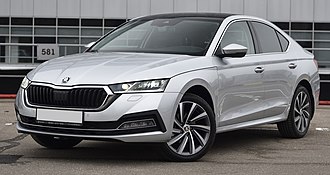
Fuel range matters. Whether we’re planning long road trips, managing everyday commutes, or optimizing refuelling stops, knowing the Skoda Octavia fuel tank capacity helps us get the best out of this iconic model. The Octavia, produced between 1997 and 2020, has offered a wide range of engines, body styles, and technologies — and fuel tank sizes vary accordingly.
Below, we break down every fuel tank option fitted to the Skoda Octavia across generations, including petrol, natural gas (CNG), and hybrid-related variations where applicable. We also help you understand real-world driving range, differences between body styles, and efficiency tips.
Content in this publication
Skoda Octavia Fuel Tank Capacities at a Glance
| Fuel Tank Capacity | Models/Engine Types |
|---|---|
| 15 litres | CNG auxiliary tanks (companion tanks) |
| 45 litres | Select compact petrol/diesel variants |
| 50 litres | Most standard Octavia hatchbacks & estates |
| 55 litres | Higher-output petrol & diesel models |
| 63 litres | Long-range / high-power versions |
Key note: The 50-litre tank is the most common capacity across Octavia generations.
Fuel Tank Capacity by Generation
Mk1 Skoda Octavia (1997–2004)
Most early Octavias featured 50-litre tanks, with diesel variants occasionally offering 55 litres for extended range.
Typical capacities:
- Petrol: 50 L
- Diesel (selected variants): 50–55 L
Driving range estimate:
- Petrol: ~450–650 km per tank
- Diesel: ~800–1000 km per tank
Mk2 Skoda Octavia (2004–2013)
The second generation continued with 50 L tanks as standard, with 55 L reserved for select higher-powered diesel versions.
Typical capacities:
You may be interested in reading Skoda Octavia Engine Oil Guide: Correct Oil Type, Capacity & Change Intervals
- Petrol: 50 L
- Diesel: 50–55 L
Efficiency highlight:
Diesel 1.9 TDI & 2.0 TDI models often achieved over 1,000 km per tank under efficient driving.
Mk3 Skoda Octavia (2013–2020)
The third generation retained the familiar configuration while adding CNG models featuring a small 15-litre petrol backup tank alongside gas storage.
Typical capacities:
- Petrol (TSI): 50 L
- Diesel (TDI): 50–55 L
- CNG: 15 L petrol + compressed gas cylinders
Performance models (vRS):
- Typically 55–63 L, depending on market & configuration
Octavia Tank Capacity by Engine Power
| Engine Power | Tank Size |
|---|---|
| 75–115 hp | 45–50 L |
| 150 hp class | 50–55 L |
| 160–200 hp | 55–63 L |
| CNG 110 hp | 15 L (petrol backup) |
High-performance and long-range diesel engines generally pair with larger 55–63L tanks.
Top Speed & Tank Size Correlation
Higher-output models (up to 238 km/h top speed) often benefit from larger tanks, allowing powerful engines to maintain touring range.
Examples:
- ~170–195 km/h models = 50 L
- ~200–220+ km/h models = 55–63 L
Real-World Range Estimates
Fuel economy varies by engine, but here’s what drivers typically experience:
You may be interested in readingSkoda Octavia Engine Oil Guide: Correct Oil Type, Capacity & Change IntervalsYou may be interested in reading
 Skoda Octavia Tyre Size: The Ultimate Guide to Choosing the Right Tyres for Every Octavia Model
| Fuel Type | Avg Range per Full Tank |
|---|---|
| Petrol | 500–850 km |
| Diesel | 800–1100+ km |
| CNG (petrol backup) | 120–250 km on 15L petrol tank |
The diesel Octavia remains one of the most range-efficient European family cars ever produced.
Skoda Octavia Tank & Fuel Efficiency Tips
- Maintain tyre pressures to factory settings
- Use manufacturer-approved engine oils
- Avoid idling and short-trip cold starts
- Use cruise control on highways
- Refuel when tank hits ¼ full for pump longevity
Fuel Tank Location & Construction
All Skoda Octavia models locate the tank beneath the rear seats, utilizing modern corrosion-resistant materials and EVAP emissions control systems.
FAQ
How many litres is a full tank on a Skoda Octavia?
Most Octavias use a 50-litre tank, but capacities range from 15 L (CNG backup) to 63 L depending on engine.
Which Octavia has the biggest fuel tank?
High-output TDI and vRS variants offer up to 63 litres.
How far can a Skoda Octavia go on a full tank?
Diesel models can exceed 800–1100 km, while petrol versions typically run 500–850 km.
Does the Skoda Octavia VRS have a larger tank?
Yes — most vRS versions have 55–63 L tanks.
Do CNG Octavias have smaller petrol tanks?
Correct — they include a 15-litre petrol tank for backup, alongside CNG cylinders.
Final Thoughts
The Skoda Octavia stands out for balanced efficiency and long-distance capability, especially in diesel form. With fuel tank sizes ranging from 15 to 63 litres, it caters to urban drivers, long-haul commuters, and performance-focused enthusiasts alike.
You may be interested in readingSkoda Octavia Engine Oil Guide: Correct Oil Type, Capacity & Change IntervalsYou may be interested in reading
Skoda Octavia Tyre Size: The Ultimate Guide to Choosing the Right Tyres for Every Octavia ModelYou may be interested in reading
 How to Replace and Code the Battery in the Škoda Octavia III
Whether we drive a classic early-2000s diesel or a modern TSI vRS, understanding our tank capacity helps us plan smarter journeys and enjoy the Octavia’s unparalleled practicality.
If you want to know other articles similar to Skoda Octavia Fuel Tank Capacity Guide (All Generations & Engines) you can visit the category Service and Parts.
Ford Mondeo Key Fob Not Working: Complete Troubleshooting & Fix Guide
Ford Mondeo Gearbox Replacement Cost: What You Really Need to Know
Ford Mondeo Alternator Replacement Cost: Complete Guide for Smart Owners
Ford Mondeo Oil Service Reset: The Complete DIY Guide We Wish We Had Earlier
Ford Mondeo Service Reset: The Complete DIY Guide We Actually Use
Ford Mondeo Headlight Bulb Replacement: The Complete DIY Guide
Leave a Reply
More content of your interest