

Skoda Superb Fuel Consumption: Real-World MPG, Costs & Efficiency Secrets

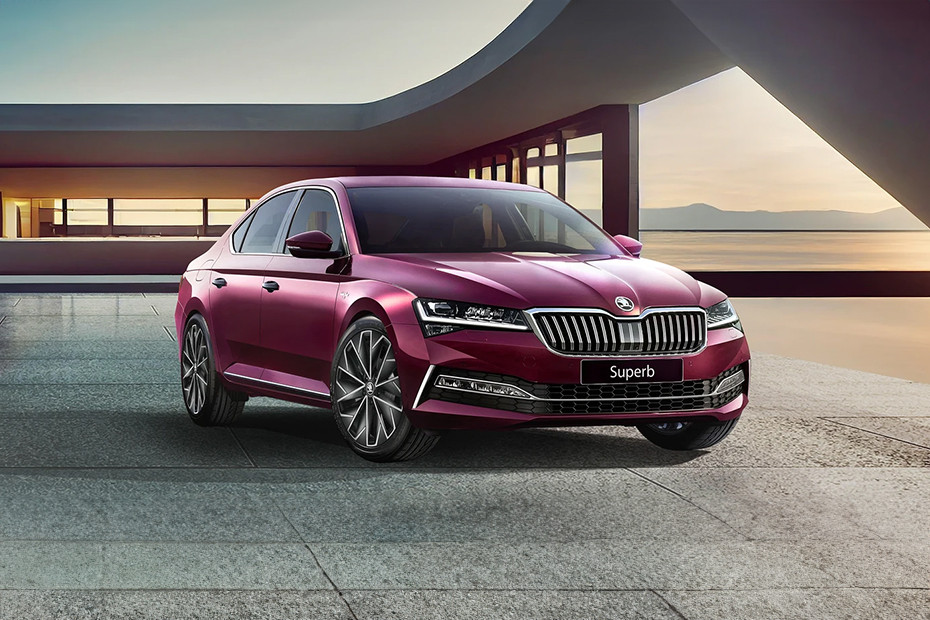
When we talk about big family cars that behave like accountants with a calculator, the Skoda Superb almost always enters the conversation. It’s enormous inside, smooth on long trips, and — surprisingly — not thirsty.
But here’s the real question: how economical is it actually in real life?
Not brochure numbers. Not laboratory WLTP figures. Real roads, real drivers, real traffic.
Today we’re breaking down everything: engines, driving style, city vs motorway use, the plug-in hybrid, hidden factors that affect consumption — and how you can squeeze extra miles out of every litre.
Content in this publication
- Why Fuel Consumption Matters More in Large Cars
- Understanding Official vs Real-World Consumption
- Skoda Superb Petrol Fuel Consumption
- Skoda Superb Diesel Fuel Consumption
- The Plug-In Hybrid (Superb iV) — The Wild Card
- City vs Motorway Fuel Consumption
- Manual vs DSG Gearbox Efficiency
- Estate vs Hatchback Consumption
- Factors That Dramatically Affect Fuel Consumption
- How To Improve Skoda Superb Fuel Economy
- Fuel Tank Range — How Far Can It Go?
- Running Costs Compared To Rivals
- Best Engine For Fuel Economy
- Is Bigger Always Less Efficient? Not Here
- The Hidden Secret Behind Superb Efficiency
- Real Owner Consumption Reports
- Final Thoughts — Is the Skoda Superb Cheap to Run?
- Conclusion
- FAQs
Why Fuel Consumption Matters More in Large Cars
A small hatchback burning extra fuel hurts a little.
A big executive liftback burning extra fuel hurts your wallet monthly.
The Superb sits in an interesting middle ground:
- Nearly luxury-car size
- Mid-range car running costs
- Often used for long distances
That means even small efficiency differences add up dramatically over a year.
Let’s visualize it:
| MPG Difference | Annual Cost Impact (12,000 miles) |
|---|---|
| 45 MPG vs 50 MPG | ~£220 difference |
| 50 MPG vs 55 MPG | ~£180 difference |
| 55 MPG vs 65 MPG | ~£310 difference |
Efficiency is not a spec sheet stat — it’s a lifestyle cost.
Understanding Official vs Real-World Consumption
WLTP Figures Explained
Manufacturers publish WLTP figures measured in controlled conditions:
- Perfect temperature
- No traffic
- Gentle acceleration
- Flat roads
Your commute?
Cold starts, hills, traffic lights, short trips.
So real consumption will differ — sometimes massively.
Typical Real-World Gap
| Engine Type | Claimed MPG | Real MPG |
|---|---|---|
| Petrol | 40–50 MPG | 33–45 MPG |
| Diesel | 55–70 MPG | 48–65 MPG |
| Plug-in Hybrid | 200+ MPG | 45–120 MPG |
The hybrid’s huge variation depends on charging habits — more on that later.
Skoda Superb Petrol Fuel Consumption
Petrol engines feel smoother and quieter, but how efficient are they?
1.5 TSI (Most Balanced Choice)
This is the sweet spot engine.
Real economy: 38–45 MPG
Why it works:
- Cylinder deactivation shuts off two cylinders when cruising
- Lightweight turbo design
- Efficient at motorway speeds
Perfect for mixed driving.
2.0 TSI (Performance Oriented)
This turns the Superb into a silent express train.
Real economy: 30–38 MPG
Not terrible considering the performance, but definitely thirstier.
Skoda Superb Diesel Fuel Consumption
This is where the Superb shines — especially for long-distance drivers.
2.0 TDI 150hp
Real economy: 55–65 MPG motorway
City: 48–55 MPG
This engine is the king of motorway commuters.
2.0 TDI 200hp
Real economy: 50–60 MPG
You trade a little efficiency for effortless overtaking power.
The Plug-In Hybrid (Superb iV) — The Wild Card
On paper: ridiculous fuel economy.
In reality: depends entirely on your charging habits.
 Skoda Superb Diesel MPG: The Real-World Efficiency Story
Daily Charging Scenario
Short trips under 30 miles daily:
Real consumption: 90–150 MPG equivalent
You’ll barely visit a petrol station.
No Charging Scenario
Driving like a normal petrol car:
Real consumption: 40–45 MPG
Because you’re carrying a heavy battery around doing nothing.
City vs Motorway Fuel Consumption
The Superb behaves differently depending on road type.
Urban Driving
Heavy car + stop-start = higher consumption
Typical MPG:
- Petrol: 28–35 MPG
- Diesel: 40–50 MPG
- Hybrid (charged): Extremely low fuel use
Motorway Driving
This is the Superb’s natural habitat.
Typical MPG:
- Petrol: 42–48 MPG
- Diesel: 60–70 MPG
- Hybrid: 45–55 MPG after battery depletion
Manual vs DSG Gearbox Efficiency
Here’s something surprising.
DSG Automatic Often Uses Less Fuel
Why?
- Perfect gear timing
- Keeps engine in efficient rev range
- Smarter than most drivers in traffic
Typical difference:
| Gearbox | Average MPG |
|---|---|
| Manual | Baseline |
| DSG | +2 to +5 MPG improvement |
Modern automatics are basically fuel-saving robots.
Estate vs Hatchback Consumption
Yes — body shape matters.
The estate is heavier and slightly less aerodynamic.
Difference: ~2–3 MPG worse than liftback
But for the extra practicality? Most owners never notice.
Factors That Dramatically Affect Fuel Consumption
1. Short Trips Kill Efficiency
Cold engines use up to 40% more fuel.
2. Tyre Pressure
Low pressure = rolling resistance = extra fuel burn
Even 5 PSI low can cost 3–5 MPG.
3. Driving Style
Gentle acceleration vs aggressive:
| Style | MPG Impact |
|---|---|
| Smooth | +10 MPG |
| Aggressive | −15 MPG |
Your right foot matters more than the engine.
4. Speed
Aerodynamic drag rises exponentially:
- 60 mph = efficient
- 75 mph = +15% fuel use
- 85 mph = +30% fuel use
Speed costs more than engine size.
How To Improve Skoda Superb Fuel Economy
Driving Techniques
- Accelerate gradually
- Lift early approaching lights
- Use cruise control on motorway
- Avoid warming engine while parked
Maintenance Tips
- Clean air filter
- Correct tyre pressure
- Regular oil changes
- Quality fuel
Smart Driving Habits
Think ahead like a chess player, not a sprinter.
You may be interested in readingSkoda Superb Diesel MPG: The Real-World Efficiency StoryYou may be interested in reading
 Mazda CX-30 MPG: Real-World Fuel Economy, Costs & Driving Efficiency Explained
Coasting beats braking.
Fuel Tank Range — How Far Can It Go?
Superb has a large tank (~66 litres).
| Engine | Average Range |
|---|---|
| 1.5 TSI | ~600 miles |
| 2.0 TDI | ~850+ miles |
| Hybrid | 30 miles electric + 500 petrol |
The diesel version feels almost endless on motorways.
Running Costs Compared To Rivals
The Superb competes with executive cars but costs less to run.
| Car Type | Typical MPG |
|---|---|
| Large saloon rivals | 40–55 MPG |
| Superb Diesel | Up to 70 MPG |
You get space + efficiency — rare combination.
Best Engine For Fuel Economy
Short Trips → Hybrid
If you charge daily.
Long Commutes → 2.0 TDI 150
Unbeatable motorway efficiency.
Mixed Driving → 1.5 TSI
Balanced ownership experience.
Is Bigger Always Less Efficient? Not Here
The Superb proves something interesting:
Aerodynamics and gearing matter more than size.
At motorway speed it can use LESS fuel than smaller cars working harder.
It’s like a long-distance runner — once it’s cruising, it barely sweats.
Tall gearing.
At 70 mph the engine barely idles:
- Lower revs
- Less friction
- Lower fuel burn
That’s why taxi drivers love it.
Real Owner Consumption Reports
Typical averages owners report:
- Petrol: 40 MPG combined
- Diesel: 58 MPG combined
- Hybrid: 100 MPG (charged daily users)
Real users often beat official figures on long journeys.
Final Thoughts — Is the Skoda Superb Cheap to Run?
For its size, absolutely.
The Superb doesn’t try to be sporty or flashy — it focuses on effortless efficiency.
Like a business-class flight instead of a budget sprint.
Choose the right engine for your driving style and it becomes one of the most economical large cars you can own.
Conclusion
Fuel consumption in the Skoda Superb depends less on the engine and more on how you use it.
- Charge the hybrid → extremely cheap
- Drive diesel on motorway → astonishing range
- Use petrol in mixed driving → balanced costs
It rewards calm drivers and punishes aggressive ones.
Treat it gently and it returns the favor in miles.
FAQs
1. What is the most economical Skoda Superb engine?
The 2.0 TDI 150 diesel offers the best real-world fuel economy, especially on long trips.
2. Is the Skoda Superb hybrid worth it for fuel savings?
Yes — if you charge it daily. Otherwise it behaves like a normal petrol car.
3. Does DSG gearbox improve MPG?
Usually yes. It optimizes gear shifts better than most drivers.
4. Can the Superb exceed 800 miles on a tank?
The diesel version can, especially during steady motorway driving.
You may be interested in readingSkoda Superb Diesel MPG: The Real-World Efficiency StoryYou may be interested in reading
Mazda CX-30 MPG: Real-World Fuel Economy, Costs & Driving Efficiency ExplainedYou may be interested in reading
 Mazda CX-30 Hybrid MPG: Real-World Fuel Economy Explained
5. Why is my fuel consumption worse than expected?
Short trips, low tyre pressure, cold weather, and aggressive driving are the biggest causes.
If you want to know other articles similar to Skoda Superb Fuel Consumption: Real-World MPG, Costs & Efficiency Secrets you can visit the category Driving.
Volvo XC60 Wading Depth: How Deep Can It Really Go?

Volkswagen Tiguan Driving Modes: The Complete Guide to Smarter, Smoother, and More Dynamic Driving
Volvo XC60 Fuel Consumption: Real MPG, Efficiency & Tips
Volvo XC60 MPG: Real-World Fuel Economy, Costs & What to Expect

Audi Q5 MPG: Real-World Fuel Economy, Tips, and Performance Insights
Can BMW X3 Go Off Road? The Real Truth About Its Capabilities
Leave a Reply
More content of your interest