

Skoda Superb Reliability — The Honest Long-Term Ownership Guide

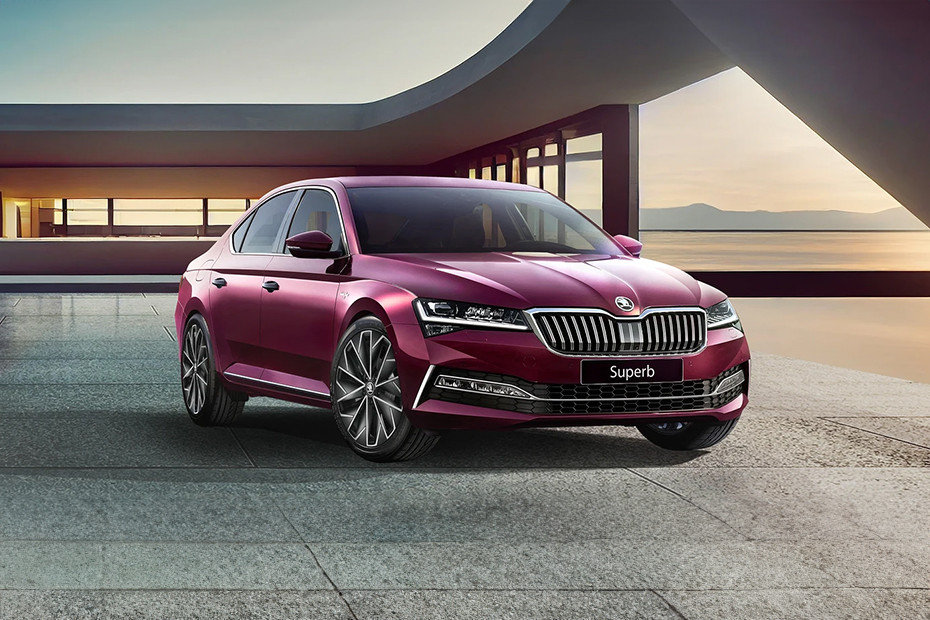
We’ve all heard the phrase: “It’s basically a Volkswagen, but cheaper.”
That sentence alone sells thousands of Skoda Superbs every year.
But reliability? That’s where the story actually matters.
Because a car can feel premium for the first test drive — and still drain your wallet later like a slow leaking bucket.
So today we’re not reviewing features, screens, or ambient lighting colors.
We’re answering the real question:
Does the Skoda Superb survive real life?
Commuting. Families. Potholes. Cold starts. High mileage. Neglected servicing. Taxi duty.
The environments where reliability is proven — not advertised.
Let’s break it down generation by generation, engine by engine, problem by problem.
Content in this publication
- Why The Superb Has a Reputation For Reliability
- Reliability Across Generations
- Most Reliable Engines In The Superb
- DSG Gearbox Reliability Explained
- Common Skoda Superb Problems
- High Mileage Superb Ownership
- Maintenance Habits That Decide Reliability
- Petrol vs Diesel Reliability
- Electrical Reliability — The Silent Strength
- Body & Interior Durability
- Running Costs Over Time
- Is The Superb More Reliable Than The Passat?
- What Usually Kills A Superb Early
- Real-World Longevity Expectations
- Should You Buy One Used?
- The Emotional Side of Reliability
- Final Verdict — Is Skoda Superb Reliable?
- FAQs
Why The Superb Has a Reputation For Reliability
The Superb sits in a very unusual position in the car world.
It’s not luxury — but it uses luxury engineering.
It’s not cheap — but it avoids premium complexity traps.
Underneath, the Superb uses Volkswagen Group platforms:
- PQ46 (Mk2)
- MQB (Mk3 & Mk4)
Meaning it shares DNA with:
- Passat
- Audi A4 (certain components)
- Golf
- Tiguan
But — and this matters — Skoda typically receives matured versions of parts after early faults are already solved in premium models.
Think of it like buying a phone one year after release — bugs fixed, software stable.
Reliability Across Generations
Mk1 (2001–2008): The Overlooked Tank
This car aged surprisingly well.
Common Traits
- Very simple electronics
- Old-school diesel engines
- Minimal modules to fail
Typical Failures
- Door lock modules
- Window regulators
- Aging suspension bushings
But mechanically? Extremely durable.
Many still run past 400,000 km.
Mk2 (2008–2015): Comfort Meets Complexity
This generation introduced modern tech — and with it, the first real reliability debates.
Strengths
- Solid body durability
- Strong diesel engines
- Proven manual gearboxes
Weaknesses
- Early DSG reliability fears
- EGR and DPF clogging (short trips)
- Parking brake motors
Mk3 (2015–2023): The Sweet Spot
This is widely considered the most reliable Superb ever made.
Why?
Because MQB platform fixed previous electrical gremlins while keeping mechanical simplicity.
Failures became predictable rather than random.
Mk4 (2024–Present): Too New To Judge?
Early indicators look promising — but modern emissions equipment and mild hybrid systems always need time to prove longevity.
If history repeats, reliability will improve after 2-3 years.
Most Reliable Engines In The Superb
Let’s talk engines — the real reliability core.
2.0 TDI — The Mileage King
If the Superb has a legendary motor, it’s this one.
Why It Lasts
- Low stress torque delivery
- Strong block design
- Efficient cooling system
Properly maintained examples regularly exceed:
500,000 km without internal rebuild
Known Issues
- EGR valve clogging
- AdBlue injector crystallization
- Water pump leaks (cheap fix)
None catastrophic.
1.6 TDI — The Urban Survivor
Often criticized for being underpowered.
Ironically — that helps reliability.
You may be interested in reading Skoda Superb Years to Avoid — The Honest Ownership Guide
Less strain = longer lifespan.
Perfect for commuters who don’t tow or race traffic lights.
1.4 TSI — Surprisingly Durable
Early TSI engines were infamous.
But the Superb used the updated EA211 series.
Improvements
- Timing belt instead of chain
- Reduced oil consumption
- Better cooling pathways
Failures became rare rather than expected.
2.0 TSI — Fast But Needs Care
Reliable — but maintenance sensitive.
Ignore oil changes and it punishes you.
Respect service intervals and it’s strong past 250,000 km.
DSG Gearbox Reliability Explained
No topic scares buyers more than DSG.
Let’s simplify it.
Wet Clutch DSG (DQ250 / DQ381)
Very reliable if serviced.
Maintenance Rule
Change oil every 60,000 km.
Skip this → failures happen.
Follow it → lasts as long as a manual.
Dry Clutch DSG (DQ200)
Early models had issues.
Later ones improved drastically.
Still:
- Best for light driving
- Avoid heavy stop-start hills daily
Common Skoda Superb Problems
These are not catastrophic — just predictable.
1. Electronic Parking Brake Motors
- Occurs around 120k–180k km
- Affordable repair
2. Front Suspension Bushings
Heavy car = faster wear.
3. Infotainment Freezes
Software update solves most cases.
4. Heater Matrix Blockage
Mostly due to neglected coolant changes.
High Mileage Superb Ownership
Let’s talk reality.
Taxi drivers love this car — and taxi drivers don’t gamble on reliability.
What Happens After 200,000 km
- Interior still tight
- No dashboard rattles
- Engines usually untouched
- Gearboxes fine with servicing
What Needs Replacing
Normal wear items only:
- Clutch or DSG service
- Suspension refresh
- Cooling components
Nothing unusual for mileage.
Maintenance Habits That Decide Reliability
Reliability is often owner-created.
Follow these rules and the Superb becomes nearly indestructible:
Golden Maintenance Rules
- Oil every 10,000–15,000 km
- DSG oil every 60,000 km
- Coolant every 5 years
- Drive long trips occasionally (for DPF health)
Ignore them → reliability drops fast.
Petrol vs Diesel Reliability
Diesel
Better for:
- Long distances
- High mileage
- Longevity
Petrol
Better for:
- Short trips
- Cold climates
- Quiet driving
Neither is unreliable — misuse is the enemy.
Electrical Reliability — The Silent Strength
Unlike many modern cars, the Superb avoids overly complicated architecture.
Why it matters:
You may be interested in readingSkoda Superb Years to Avoid — The Honest Ownership GuideYou may be interested in reading
Skoda Superb Insurance Group: The Real Cost Behind the ComfortFewer modules = fewer random failures.
Owners often report:
“Nothing ever breaks — only wears.”
That’s the highest reliability compliment.
Body & Interior Durability
After a decade, you notice:
- Seat bolsters hold shape
- Switches still tactile
- Paint resists fading
Skoda overbuilds interiors compared to price class.
Running Costs Over Time
The real measure of reliability is cost predictability.
Typical Ownership Pattern
- No surprise breakdowns
- Mostly scheduled maintenance
- Parts widely available
It behaves like a dependable appliance rather than a temperamental machine.
Is The Superb More Reliable Than The Passat?
Mechanically similar.
But the Superb often wins in practice because:
- Simpler spec combinations
- Fewer optional fragile features
- Owners maintain them more rationally
What Usually Kills A Superb Early
Not design flaws — usage mistakes:
- Short drives only (diesels)
- Longlife oil intervals
- Ignoring warning lights
- Skipping DSG service
In other words — neglect, not engineering.
Real-World Longevity Expectations
If properly maintained:
- Petrol: 300,000 km+
- Diesel: 500,000 km+
- DSG: lifetime with servicing
That places it among the most durable modern family cars.
Should You Buy One Used?
Yes — but condition matters more than age.
Ideal Buy
- Full service history
- Highway usage
- No extended oil intervals
Avoid:
- Urban short trip diesels
- Neglected DSG cars
The Emotional Side of Reliability
A reliable car doesn’t excite headlines.
It quietly removes stress from life.
And that’s exactly what the Superb does.
You stop thinking about the car — and start living around it.
Final Verdict — Is Skoda Superb Reliable?
Yes.
Not in the mythical “nothing ever breaks” sense.
But in the real-world sense:
Predictable
Durable
Forgiving
Affordable to maintain
It’s one of the rare modern cars engineered for ownership — not leasing cycles.
That’s why families keep them.
That’s why taxi drivers trust them.
That’s why high mileage examples still feel young.
Reliability isn’t perfection.
It’s consistency.
And the Superb delivers exactly that.
FAQs
1. What is the most reliable Skoda Superb engine?
The 2.0 TDI is widely considered the most durable, often exceeding 500,000 km with proper maintenance.
2. Are DSG gearboxes unreliable in the Superb?
No — failures usually come from skipped oil services. Maintained units last extremely long.
3. Is petrol or diesel better for reliability?
Both are reliable when used correctly. Diesel suits long drives, petrol suits short trips.
You may be interested in readingSkoda Superb Years to Avoid — The Honest Ownership GuideYou may be interested in reading
Skoda Superb Insurance Group: The Real Cost Behind the ComfortYou may be interested in reading
 Is Skoda Superb a Good Car? The Honest Long-Term Verdict
4. What mileage is too high for a used Superb?
Mileage matters less than maintenance. A serviced 250k km car can be safer than a neglected 120k km one.
5. Does the Superb age well compared to rivals?
Yes — interior durability and mechanical longevity are among the best in its class.
If you want to know other articles similar to Skoda Superb Reliability — The Honest Long-Term Ownership Guide you can visit the category Blog.
Volvo XC60 Quality: A Deep Dive Into Premium Craftsmanship and Everyday Excellence
Volvo XC60 Reliability by Year: The Complete Owner’s Guide

Which Ford Kuga Engine Is Best? The Ultimate Buyer’s Guide
Pros and Cons Mazda CX-30: The Real-World Ownership Breakdown
Peugeot 308 Years to Avoid: The Ultimate Buyer’s Guide
Dacia Duster Reliability: The Real Story Behind This Budget SUV
Leave a Reply
More content of your interest