

Skoda Superb Years to Avoid — The Honest Ownership Guide

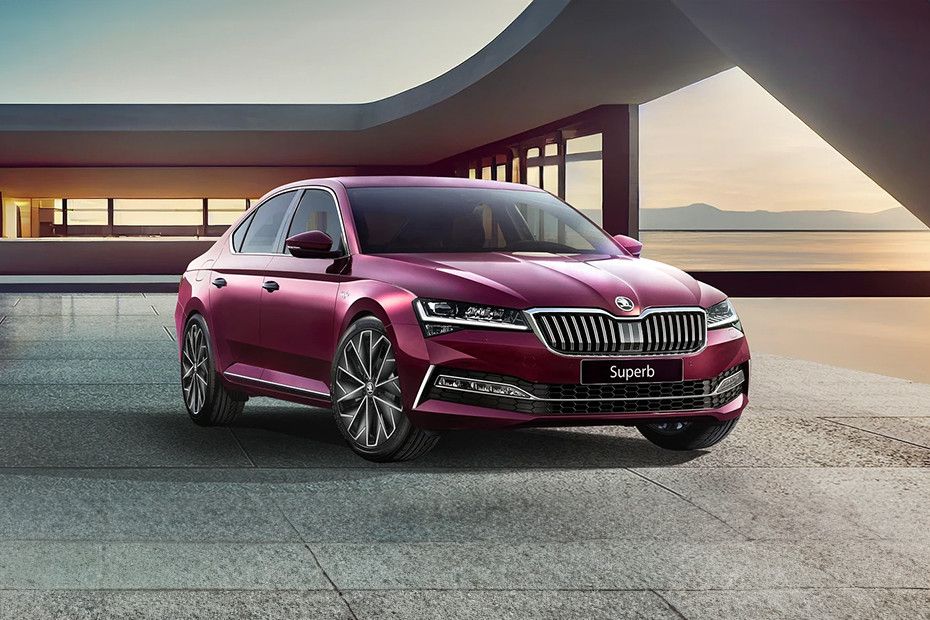
Buying a used car sometimes feels like dating in your thirties: most options look attractive at first glance, but the real story lives in the history. And when it comes to the Skoda Superb — a car famous for limousine space at hatchback money — the difference between a fantastic bargain and a mechanical money pit often comes down to the exact production year.
We love the Superb because it’s one of those rare cars that punches above its class. But even great cars have awkward teenage phases… and a few engineering experiments that didn’t age well.
So let’s walk calmly, year by year, engine by engine, generation by generation — and identify the Skoda Superb years you should avoid (and the ones secretly worth hunting for).
Content in this publication
- Understanding Why Some Years Fail More Than Others
- Skoda Superb Generations Overview
- Skoda Superb Years to Avoid — Quick Summary
- First Generation Superb (2001–2008)
- Second Generation Superb (2008–2015)
- The 1.8 TSI Timing Chain Problem
- The DSG DQ200 Gearbox Disaster
- Diesel Problems in Early Mk2
- Best Mk2 Years Instead
- Third Generation Superb (2015–2023)
- AdBlue and Emissions Issues
- Infotainment System Crashes
- Water Pump and Thermostat Housing Failures
- Suspension Wear on Heavy Models
- Engines to Be Careful With (All Years)
- Best Superb Years to Buy
- How to Spot a Bad Example Quickly
- Ownership Costs Reality
- Why the Superb Still Has a Great Reputation
- Final Verdict — Skoda Superb Years to Avoid
- Closing Thoughts
- FAQs
Understanding Why Some Years Fail More Than Others
Before naming specific years, we need context.
A car model rarely becomes unreliable overnight. Problems usually appear when:
- New engines debut
- New gearboxes debut
- Electronics architecture changes
- Emissions regulations tighten
- The first 2–3 production years of a generation begin
In short:
The most problematic cars are usually the earliest versions of new technology.
The Superb followed this rule perfectly across its lifespan.
Skoda Superb Generations Overview
First Generation (2001–2008) — The VW Passat Cousin Era
- Built on Passat B5 platform
- Simple electronics
- Durable diesel engines
- Aging automatic gearboxes
Second Generation (2008–2015) — The Innovation Phase
- TwinDoor tailgate innovation
- First modern DSG expansion
- New TSI petrol engines
- Early DPF complications
Third Generation (2015–2023) — The Tech Revolution
- MQB platform
- Digital dashboards
- Advanced emissions systems
- Downsized turbo engines
Each generation had at least one “avoid zone”.
Skoda Superb Years to Avoid — Quick Summary
| Generation | Worst Years | Why |
|---|---|---|
| Mk1 | 2002–2004 | Auto gearbox + electronics aging |
| Mk2 | 2009–2011 | Early TSI + DSG failures |
| Mk3 | 2015–2017 | First MQB electronics + AdBlue issues |
Now we’ll dive deep.
First Generation Superb (2001–2008)
Years to Avoid: 2002, 2003, 2004
The first Superb wasn’t unreliable — but early examples aged badly.
Main Problems
- Tiptronic automatic gearbox wear
- Comfort module electrical failures
- Central locking faults
- Instrument cluster pixel failure
- Rust appearing around door seams
These issues rarely destroy the car — but they destroy ownership happiness.
The Real Culprit: Early Automatic Gearboxes
The automatic transmission felt smooth when new.
After 120,000 miles?
It often developed:
- Hard shifts
- Delay engaging Drive
- Torque converter shudder
Repair cost: very high vs car value
Manual versions were dramatically safer buys.
Engines That Were Fine
The diesels were actually excellent:
- 1.9 TDI PD — legendary durability
- 2.5 V6 TDI — powerful but expensive to maintain
So the car itself wasn’t bad.
The gearbox was.
Second Generation Superb (2008–2015)
This is where things get interesting.
The Mk2 introduced modern engines — and modern headaches.
Years to Avoid: 2009, 2010, 2011
These were the experimental years for VW Group technology.
And Superb owners unknowingly became beta testers.
The 1.8 TSI Timing Chain Problem
The early TSI petrol engines were efficient and smooth.
They also had a fatal design flaw.
You may be interested in reading Skoda Superb Insurance Group: The Real Cost Behind the Comfort
What Happens
The timing chain tensioner fails.
Symptoms:
- Rattling at cold start
- Check engine light
- Sudden engine stall
- Catastrophic engine failure
Sometimes without warning.
Affected Engines
- 1.8 TSI EA888 Gen 1
- 2.0 TSI early versions
This is the #1 reason these years rank as avoidable.
The DSG DQ200 Gearbox Disaster
Early dry-clutch DSG gearboxes had a rough childhood.
Common Failures
- Mechatronic unit failure
- Juddering in traffic
- Clutch pack wear at low mileage
- Car refusing to select gears
Repair cost often exceeded the value of the car.
Why It Happened
The gearbox was designed for efficiency — not heavy cars.
And the Superb is a large car.
Bad combination.
Diesel Problems in Early Mk2
Even the famous diesels struggled in these years.
2.0 TDI PD Injectors
- Sudden shutdown
- Hard starting
- Expensive replacements
DPF Systems
City driving clogged filters quickly.
Owners blamed the car — but really it was emissions tech growing pains.
Best Mk2 Years Instead
After 2012 improvements:
- Revised timing chain
- Improved DSG software
- Better injectors
These became excellent long-term cars.
Third Generation Superb (2015–2023)
This is the modern Superb — refined, quiet, premium-feeling.
But early MQB cars introduced complex electronics.
Years to Avoid: 2015, 2016, 2017
Not catastrophic failures — but annoying ownership.
AdBlue and Emissions Issues
Euro 6 regulations forced new systems.
Early systems caused:
- AdBlue heater failures
- NOx sensor faults
- Warning lights that won’t clear
- Limp mode
These don’t destroy engines — they destroy patience.
Infotainment System Crashes
Early MIB infotainment behaved like a smartphone running beta software.
Common Complaints
- Frozen screen
- Random reboot
- Bluetooth disconnects
- Navigation failure
Later updates fixed it.
Water Pump and Thermostat Housing Failures
Plastic housings cracked prematurely.
Symptoms:
- Coolant smell
- Low coolant warnings
- Overheating risk
Common around 50–80k miles.
Suspension Wear on Heavy Models
Large wheels + heavy body = bush wear.
You may be interested in readingSkoda Superb Insurance Group: The Real Cost Behind the ComfortYou may be interested in reading
 Is Skoda Superb a Good Car? The Honest Long-Term Verdict
Not dangerous.
But annoying.
Engines to Be Careful With (All Years)
Petrol Engines
Avoid early:
- 1.8 TSI pre-2012
- 2.0 TSI pre-facelift
Diesel Engines
Watch for:
- Early 2.0 TDI PD
- AdBlue equipped urban cars
Best Superb Years to Buy
If we flip the story:
Safest Choices
- 2013–2015 Mk2 facelift
- 2018–2021 Mk3 updated engines
- 1.9 TDI manual Mk1
These deliver the famous Superb reliability reputation.
How to Spot a Bad Example Quickly
When inspecting:
Listen
- Cold start rattle = chain wear
- Gear hesitation = DSG issue
Scan
- Multiple stored fault codes
- AdBlue errors
Drive
- Jerky slow traffic behavior
- Coolant smell after drive
If you notice two or more → walk away.
Ownership Costs Reality
People call the Superb cheap to own.
It can be.
But the wrong year becomes expensive fast.
| Issue | Typical Cost |
|---|---|
| DSG Mechatronic | High |
| Timing Chain Repair | Very High |
| AdBlue System | Moderate |
| Water Pump | Moderate |
| Injectors | High |
The purchase price savings rarely cover major repairs.
Why the Superb Still Has a Great Reputation
Because most cars on the road are later revisions.
The problematic years represent a minority — but they dominate online horror stories.
In reality:
Choose the right year and the Superb is one of the best used large cars you can buy.
Choose the wrong one and it becomes a mechanical subscription service.
Final Verdict — Skoda Superb Years to Avoid
Avoid If Possible
- 2002–2004 (automatic Mk1)
- 2009–2011 (early TSI + DSG Mk2)
- 2015–2017 (early electronics Mk3)
Buy With Confidence
- 2013–2015 facelift Mk2
- 2018+ Mk3 revisions
The car didn’t become unreliable.
It just had a few experimental phases.
Closing Thoughts
The Skoda Superb is like a brilliant chef who tried molecular gastronomy for a few years — some dishes didn’t work, but the classics are outstanding.
Understand the timeline, pick the refined years, and you’ll enjoy:
- Massive interior space
- Comfortable motorway cruising
- Affordable running costs
Ignore the timeline, and you’ll fund your mechanic’s vacation home.
Knowledge is the difference between bargain and burden.
FAQs
1. Is the Skoda Superb generally reliable?
Yes — outside specific early-technology years, reliability is above average for its class.
2. Which engine is the most reliable?
The 2.0 TDI CR (post-2012) and later 1.5 TSI are the safest choices.
3. Is DSG gearbox always bad?
No — later versions are good. Only early DQ200 units caused widespread complaints.
You may be interested in readingSkoda Superb Insurance Group: The Real Cost Behind the ComfortYou may be interested in reading
Is Skoda Superb a Good Car? The Honest Long-Term VerdictYou may be interested in reading
 Is Skoda Superb a Luxury Car? The Honest Deep-Dive Nobody Tells You
4. Should I avoid petrol Superbs?
Only early TSI engines. Updated ones are efficient and dependable.
5. What mileage is safe for a used Superb?
A well-maintained diesel can easily exceed 200,000 miles.
If you want to know other articles similar to Skoda Superb Years to Avoid — The Honest Ownership Guide you can visit the category Blog.
Volvo XC60 Quality: A Deep Dive Into Premium Craftsmanship and Everyday Excellence
Volvo XC60 Reliability by Year: The Complete Owner’s Guide
Which Ford Kuga Engine Is Best? The Ultimate Buyer’s Guide
Pros and Cons Mazda CX-30: The Real-World Ownership Breakdown
Peugeot 308 Years to Avoid: The Ultimate Buyer’s Guide
Dacia Duster Reliability: The Real Story Behind This Budget SUV
Leave a Reply
More content of your interest